
When it comes to your home’s plumbing, vent pipes play a crucial role in keeping everything running smoothly. But have you ever wondered, how long can a vent pipe be before it stops working properly?
Knowing the right length isn’t just a technical detail—it can save you from costly repairs and unpleasant odors. You’ll discover everything you need to know about vent pipe length and why it matters for your plumbing system. Stick with me, and by the end, you’ll feel confident making smart decisions to protect your home.
Vent Pipe Basics
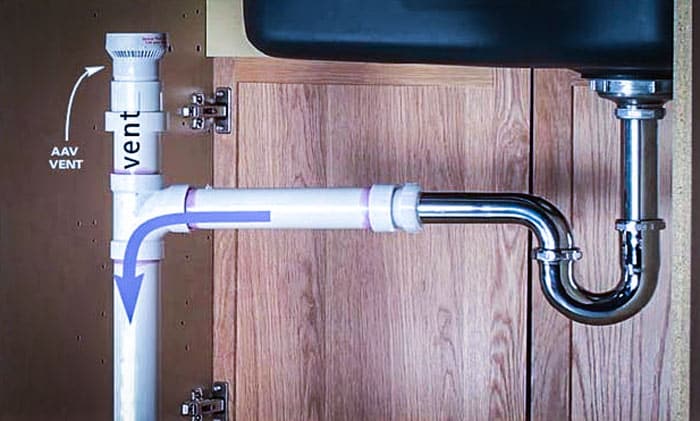
Understanding vent pipe basics is key for any plumbing system. These pipes play a vital role in maintaining airflow and proper drainage in buildings. Vent pipes allow sewer gases to escape safely and prevent pressure build-up. Knowing their function and materials helps in planning and installation.
Purpose Of Vent Pipes
Vent pipes let air enter the plumbing system. This air helps water flow smoothly through drains. Without vents, water seals in traps could be sucked out. That would allow sewer gases to enter the home. Vent pipes keep the plumbing safe and odor-free. They also help prevent slow drainage and pipe damage.
Common Materials Used
Vent pipes come in several materials. PVC is popular due to its light weight and durability. ABS plastic is also common and resists chemicals well. Metal pipes like galvanized steel or copper are sometimes used. Each material has benefits based on cost, climate, and building codes. Choosing the right one ensures long-lasting performance.

Credit: forum.nachi.org
Factors Affecting Vent Pipe Length
The length of a vent pipe is not random. Several key factors shape how long it can be. These factors ensure proper air flow and prevent plumbing issues. Understanding them helps keep your plumbing safe and efficient.
Building Codes And Regulations
Building codes set strict rules on vent pipe length. These rules vary by state and city. They ensure vents work correctly to avoid sewer gas leaks. Inspectors check if vent pipes meet these codes. Following them avoids fines and fixes.
Pipe Diameter And Slope
The diameter of the vent pipe affects how far air can travel. Larger pipes allow longer vent runs. The pipe’s slope also matters. A slight upward slope helps air flow easily. Wrong slope or diameter causes blockages and slow drainage.
Number Of Fixtures Connected
More fixtures on one vent pipe require shorter lengths. Each fixture adds air and water flow needs. Long vent pipes with many fixtures risk poor ventilation. Balancing fixture count and pipe length keeps vents working well.
Maximum Length Guidelines
Vent pipes must follow certain length rules for safety and proper function. These rules help air flow correctly through pipes. This section explains the maximum length guidelines for vent pipes. Understanding these limits prevents issues like bad smells and slow drainage.
Typical Length Limits
Most building codes limit vent pipe length to about 6 to 8 feet. This length keeps air moving well inside the pipes. Some codes allow longer pipes but require larger pipe sizes. Longer vent pipes need more careful planning and may need extra supports.
Each vent pipe segment has a maximum length based on its diameter. For example, a 1 1/4 inch pipe usually can be up to 5 feet. Larger pipes, like 2 inches, can extend to 8 feet or more. These rules ensure air flows without resistance.
Effects Of Exceeding Limits
Too long vent pipes cause poor ventilation and slow drainage. Air gets trapped and water drains slowly or unevenly. This can cause sewer gases to enter your home. Pipes might also freeze in cold weather if ventilation is poor.
Exceeding limits can make plumbing fixtures noisy. You may hear gurgling or bubbling sounds. These sounds mean air is struggling to flow through the vents. Fixing this requires shortening the pipe or adding extra vent points.
Credit: terrylove.com
Installation Best Practices
Proper installation of vent pipes is key for safety and efficiency. Following best practices helps avoid problems like leaks or poor airflow. A correct setup ensures your system works well for years.
Proper Vent Placement
Place vent pipes away from windows and doors. This prevents fumes from entering your home. The vent should extend above the roofline to release gases safely. Avoid placing vents near air intakes or vents for other systems.
Avoiding Blockages
Keep vent pipes clear of debris and nests. Install screens to stop birds and insects from entering. Check vents regularly for leaves, dirt, or snow buildup. A blocked vent can cause dangerous gas buildup inside your home.
Ensuring Adequate Airflow
Use the right pipe diameter to allow smooth airflow. Avoid sharp bends or long horizontal runs that slow air movement. Secure pipes tightly to prevent leaks and maintain steady flow. Proper airflow keeps your system safe and efficient.
Common Vent Pipe Problems
Vent pipes are essential for proper drainage in homes. They allow sewer gases to escape safely. Problems with vent pipes can cause many issues. These problems affect plumbing performance and home safety.
Common vent pipe problems include blockages, leaks, and improper installation. These issues often result from vent pipes that are too long or poorly positioned. Understanding these problems helps maintain a healthy home environment.
Signs Of Improper Venting
Slow draining sinks or toilets often indicate vent problems. Gurgling sounds from drains suggest air is trapped in pipes. Foul odors near drains mean sewer gases are leaking. Water in traps may get sucked out due to poor venting. These signs show the vent pipe is not working correctly.
Health And Safety Concerns
Sewer gases contain harmful chemicals and bacteria. These gases can cause headaches, nausea, and dizziness. Prolonged exposure may lead to serious health issues. Gas leaks can also increase fire risk. Proper vent pipe function keeps your home safe and healthy.
When To Consult A Professional
Knowing when to call a professional for vent pipe issues is important. Vent pipes affect your home’s air quality and safety. Mistakes can cause bad smells or dangerous gases to enter your home. Some vent pipe problems are easy to fix. Others need expert knowledge and tools. Watch for signs that require a professional’s help.
Complex Venting Situations
Some homes have complicated vent pipe layouts. Multiple appliances may share one vent. Long or oddly shaped pipes need special care. A professional knows how to plan these vents correctly. They ensure air flows well and prevent blockages. Complex setups are easy to get wrong without experience.
Code Compliance Checks
Building codes set rules for vent pipe length and placement. These rules keep your home safe and efficient. Professionals understand local codes and can check your vents. They make sure your system meets all legal requirements. Proper inspection avoids fines and safety risks.
Credit: southendplumbingllc.com
Frequently Asked Questions
How Long Can A Vent Pipe Be In A Residential Building?
A vent pipe in a home can typically be up to 50 feet long. Longer pipes may reduce airflow and cause drainage issues.
What Limits The Maximum Length Of A Vent Pipe?
The main limit is air flow. Too long a pipe can block air, causing slow drainage or sewer gases inside.
Can Vent Pipes Be Extended Beyond Standard Lengths?
Yes, but extensions need proper sizing and support. Building codes often require professional approval for long vents.
How Does Pipe Diameter Affect Vent Pipe Length?
Larger diameter pipes can be longer because they allow more air flow. Smaller pipes need to be shorter to work well.
What Happens If A Vent Pipe Is Too Long?
If too long, the pipe may trap gases or slow drainage. This can cause bad smells and plumbing issues.
Are There Building Codes For Vent Pipe Length?
Yes, most local codes set limits on vent pipe length and diameter. Always check local rules before installation.
Can Multiple Vent Pipes Connect To One Main Vent?
Yes, several small vents often join a main vent. This setup helps keep air flowing properly in the system.
Conclusion
A vent pipe must be the right length to work well. Too long or too short can cause problems. Local building rules often decide the length limits. Proper vent pipe length helps air flow and stops bad smells. Always check codes before installing or fixing pipes.
Good vent pipe length keeps your plumbing safe and fresh. Small details matter in plumbing. Stay informed and keep your home comfortable.