
If you have an above ground pool, you know how important it is to keep it clean and inviting. But vacuuming your pool can feel like a hassle if you don’t know the right way to do it.
What if you could make the process simple, quick, and even a little satisfying? In this guide, you’ll discover exactly how to use an above ground pool vacuum so your water stays crystal clear and free of debris. By the end, you’ll have the confidence to tackle pool cleaning like a pro—and enjoy your pool even more.
Keep reading to learn the easy steps that will make your pool sparkle!

Credit: www.thepoolfactory.com
Choosing The Right Vacuum
Choosing the right vacuum for your above ground pool can make a huge difference in how often you clean and how well your pool stays clear. With so many options available, it’s easy to feel overwhelmed. But focusing on the right factors will help you pick a vacuum that fits your pool size, debris type, and personal cleaning style.
Types Of Above Ground Pool Vacuums
There are several types of vacuums designed specifically for above ground pools, each with unique benefits. Manual vacuums require you to push or pull the device across the pool floor. They give you control but need more effort.
Automatic vacuums, on the other hand, work on their own once set up. They save time and energy but can be pricier. Suction-side vacuums connect to your pool’s pump and use its suction power to collect dirt.
Pressure-side vacuums use water pressure from a booster pump to pick up larger debris and often have their own filter bags. Robotic vacuums are the smartest option, running independently and cleaning walls and floors thoroughly.
Factors To Consider
Think about your pool size first. Larger pools often benefit from automatic or robotic vacuums because manual cleaning can be exhausting. What kind of debris do you deal with? Leaves, sand, or fine dirt may require different vacuum types.
Also, check how your pool’s filtration system handles extra debris. Some vacuums can clog filters quickly, causing more maintenance. Another important factor is ease of use—will you be comfortable setting up and operating the vacuum regularly?
Don’t forget storage and durability. If you have limited space or live in a harsh climate, choose a vacuum that’s compact and built to last.
Budget And Features
Your budget can narrow down your choices quickly. Manual vacuums are usually the most affordable but demand more work. Automatic and robotic vacuums cost more upfront but save time and effort.
Look for features that match your needs. Some vacuums come with adjustable suction settings, extra-long hoses, or specialized brushes for algae. These extras might justify a higher price if they solve your specific cleaning challenges.
Ask yourself: Would you prefer to spend a little more to avoid frequent maintenance or save money and clean more often? The right balance depends on how much time you want to invest in pool care.
Preparing Your Pool
Preparing your above ground pool before vacuuming is important. It makes cleaning easier and more effective. This step helps your vacuum work better and keeps your pool water healthy. Follow these simple tasks to get your pool ready.
Removing Large Debris
Start by removing big leaves, sticks, and bugs from the water. Use a skimmer net or your hand. Large debris can block the vacuum and cause problems. Clearing these items first saves time and effort during vacuuming.
Balancing Pool Chemicals
Check the pool’s chemical levels before vacuuming. Test for pH, chlorine, and alkalinity. Balanced chemicals keep water safe and clear. Adjust the chemicals as needed to reach the right levels. Proper balance helps prevent algae and bacteria growth.
Checking Water Level
Look at your pool’s water level next. The water should be halfway up the skimmer opening. Too low or too high water can affect vacuum suction. Add or remove water to reach the correct level. This step ensures the vacuum cleans well.
Setting Up The Vacuum
Setting up your above ground pool vacuum is the first step to a clean pool. A proper setup ensures the vacuum works well and cleans efficiently. Follow these simple steps to get started quickly.
Assembling The Vacuum Parts
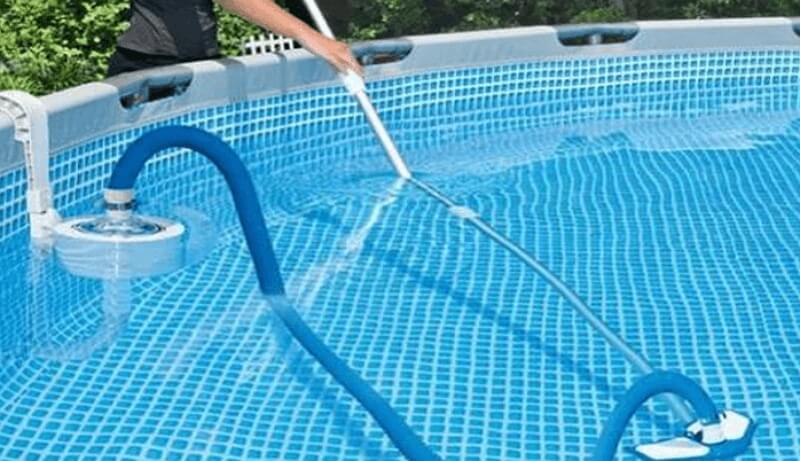
Begin by laying out all the vacuum parts. You will usually have a vacuum head, telescopic pole, and hose. Attach the vacuum head to the pole securely. Make sure the parts fit tightly to avoid leaks or breaks during use.
Connecting The Hose
Next, connect the hose to the vacuum head. Push the hose firmly onto the vacuum’s intake port. Check for any gaps or loose connections. A tight fit helps maintain suction power while cleaning your pool.
Attaching To The Skimmer Or Pump
Attach the other end of the hose to your pool’s skimmer or pump. Remove the skimmer basket if needed, then insert the hose. Ensure the hose is fully submerged in water to prevent air from entering. This step keeps the vacuum running smoothly.

Credit: www.youtube.com
Vacuuming Techniques
Vacuuming an above ground pool needs the right techniques. Good methods make cleaning easier and faster. Dirt and debris come off better with proper vacuuming. This keeps your pool water clear and safe to swim in.
Using the right vacuuming techniques also saves energy and water. It helps your pool filter work well. Follow these steps to clean your pool efficiently.
Starting The Vacuum
Begin by assembling the vacuum parts firmly. Attach the vacuum head to the pole. Connect the hose securely to the vacuum head. Submerge the vacuum head in the water first. Slowly lower the hose to fill it with water. This removes air that stops suction. Connect the hose to the pool’s filter system. Turn on the pump to start suction. Move the vacuum head slowly over the pool floor.
Effective Cleaning Patterns
Use straight, overlapping lines to cover the pool floor. Start from the shallow end and move to the deep end. Clean one section at a time. Avoid rushing to catch all debris. Move the vacuum head at a steady pace. Keep the hose from tangling or kinking. Clean walls by tilting the vacuum head vertically. This removes algae and dirt buildup effectively.
Avoiding Common Mistakes
Do not lift the vacuum head out of water while running. This can cause air to enter the hose. Avoid moving the vacuum too fast over the pool floor. It leaves dirt behind. Do not let the hose tangle or knot. Check connections often to prevent leaks. Clean the filter regularly to maintain strong suction. These steps keep your vacuum working well.
Maintaining The Vacuum
Maintaining your above ground pool vacuum keeps it working well. A clean and well-kept vacuum cleans your pool faster. This saves time and energy. Regular care helps avoid problems and costly repairs.
Cleaning The Filter
Remove the filter from the vacuum after each use. Rinse it with clean water to remove dirt and debris. Let the filter dry completely before placing it back. A clean filter improves suction and cleaning power. Replace the filter if it looks worn out or damaged.
Storing The Vacuum Properly
Store the vacuum in a dry, shaded place to avoid damage. Keep it away from direct sunlight and harsh weather. Coil the hose carefully to prevent kinks or cracks. Avoid placing heavy items on the vacuum or hose. Proper storage extends the life of your vacuum.
Regular Inspection And Repairs
Check the vacuum parts regularly for wear or damage. Look at the hose, brushes, and connectors closely. Tighten loose parts and replace broken ones quickly. Fix small issues before they become bigger problems. Regular inspection keeps the vacuum working at its best.
Credit: www.aidot.com
Troubleshooting Tips
Troubleshooting your above ground pool vacuum can save time and keep your pool clean. Problems may happen during use. Knowing how to fix common issues helps you enjoy a clear pool without stress.
Loss Of Suction
Loss of suction is a common issue with pool vacuums. Check the vacuum head for blockages. Leaves or debris can clog the brushes or intake. Make sure the filter and pump baskets are clean. Air leaks in the hose can also reduce suction. Tighten all hose connections firmly. Replace any cracked or damaged hose sections to restore suction.
Hose Leaks
Hose leaks cause water loss and reduce vacuum power. Inspect the entire hose for holes or cracks. Small leaks may be sealed with waterproof tape. For large tears, replace the hose section. Avoid sharp bends in the hose that cause stress. Lay the hose straight or gently curved to prevent damage during use.
Vacuum Not Moving
If the vacuum does not move, check the water flow. Low water flow means weak suction and no movement. Clean the pump and filter to improve water flow. Make sure the vacuum wheels or brushes are free to rotate. Remove any debris caught in moving parts. Adjust the vacuum weight so it glides smoothly over the pool floor.
Frequently Asked Questions
How Do I Connect An Above Ground Pool Vacuum?
Connect the vacuum hose to the vacuum head and the pool’s skimmer or pump. Make sure all connections are tight to avoid leaks. Prime the hose by filling it with water before use.
Can I Use A Regular Vacuum For My Above Ground Pool?
No, regular vacuums can damage the pool liner or pump. Use a vacuum designed specifically for above ground pools. These vacuums are gentle and compatible with pool equipment.
How Often Should I Vacuum My Above Ground Pool?
Vacuum your pool once a week during heavy use or when debris builds up. Regular vacuuming keeps the water clean and clear. It also helps prevent algae and dirt accumulation.
What Is The Best Time To Vacuum An Above Ground Pool?
Vacuum your pool early in the morning or late in the evening. This avoids strong sunlight, which can cause debris to stick to the pool surface. Cooler times also reduce water evaporation.
How Do I Prevent Air Bubbles When Vacuuming My Pool?
Fill the vacuum hose completely with water before attaching it to the pool. Submerge the hose slowly to remove trapped air. Avoid lifting the hose out of the water during use.
Can I Vacuum My Pool Without A Pump?
No, the pool pump creates suction needed to pull debris through the vacuum. Without the pump running, the vacuum will not work. Always run the pump while vacuuming.
How Do I Clean The Vacuum After Use?
Rinse the vacuum head and hose with clean water after use. Remove any trapped debris to prevent clogging. Store the vacuum in a dry, shaded place to extend its life.
Conclusion
Using an above ground pool vacuum keeps your pool clean and safe. Regular cleaning stops dirt and leaves from building up. It also saves time and effort over scrubbing by hand. Make sure to follow the steps carefully for the best results.
With simple tools and a little practice, your pool will stay clear all summer. Clean water means better fun and fewer repairs. Keep your pool inviting and ready whenever you want to swim.