
Is your gas fireplace flame looking weak and low? It can be frustrating when your cozy fire doesn’t burn as bright or warm as it should.
You rely on that comforting glow to relax and stay warm, but a low flame can leave you feeling cold and disappointed. The good news is, you don’t have to stay in the dark. You’ll discover simple reasons why your gas fireplace flame might be too low—and how you can fix it quickly.
Keep reading to bring back the warmth and light your home deserves.
Common Causes Of Low Gas Fireplace Flame
Low flame in a gas fireplace can reduce warmth and comfort. It may also cause safety risks. Understanding common causes helps fix the problem quickly. This section explains why flames burn too low.
Clogged Burner Ports
Dirt and debris can block burner ports. Blocked ports stop gas from flowing well. Flames shrink and become weak. Cleaning burner ports often restores proper flame size.
Low Gas Pressure
Gas pressure controls flame height. Low pressure means less gas reaches the burner. Flames appear small and flicker. A technician can check and adjust gas pressure safely.
Faulty Thermocouple
The thermocouple signals the gas valve to stay open. A bad thermocouple cuts gas flow. Flames drop or go out. Replacing the thermocouple can fix the issue.
Dirty Pilot Light
A dirty pilot light burns unevenly. Dirt blocks gas flow to the pilot. The main flame struggles to stay strong. Cleaning the pilot light improves flame size and stability.
Obstructed Venting
Blocked vents restrict airflow. Poor airflow reduces flame height and heat. Vents may be clogged by debris or nests. Clearing vents helps flames burn fully and safely.
Safety Checks Before Adjusting Flame
Before adjusting the flame on your gas fireplace, safety checks are very important. These steps protect you and your home from risks. A low flame might seem like a small problem but handling it without care can be dangerous. Follow these checks carefully to ensure safety.
Turn Off Gas Supply
Always turn off the gas supply first. This stops gas from flowing while you work. It helps prevent accidental leaks or fires. Locate the gas valve and switch it off. Never skip this step before any adjustment.
Inspect For Gas Leaks
Check for gas leaks around the fireplace and gas line. Smell for gas or listen for hissing sounds. Use a soap and water mix on joints; bubbles show leaks. If you find leaks, do not light the fireplace. Call a professional to fix it immediately.
Ensure Proper Ventilation
Make sure the room has good airflow. Proper ventilation removes harmful gases like carbon monoxide. Open windows or doors if needed. Keep vents clear from dust and obstructions. Safe air flow keeps you safe while the fireplace works.
Simple Diy Fixes To Boost Flame
Low flames in a gas fireplace can make your room feel cold and dull. Fixing the flame height is often easy and saves you a service call. You can try simple steps to improve the flame at home. These fixes need only basic tools and take little time.
Start by checking the burner and pilot light. Dirt or dust can block the flame and reduce its size. Cleaning these parts can help your fireplace burn brighter and warmer.
Cleaning Burner And Pilot
Turn off the gas and let the fireplace cool. Remove the burner cover carefully. Use a soft brush or cloth to clear dust and debris. Clean the pilot light area gently with a small brush. Avoid using water or liquids near gas parts. After cleaning, put everything back and turn the gas on. Check if the flame grows stronger.
Adjusting Flame Height Valve
Find the flame height valve near the gas control knob. Use a screwdriver to turn the valve. Turn it slowly clockwise to increase the flame. Stop when the flame reaches the right size. Be careful not to open it too much. Too high flames waste gas and can be unsafe.
Resetting Thermocouple
The thermocouple senses the pilot flame and controls gas flow. Turn off the gas and wait for the fireplace to cool. Locate the thermocouple near the pilot light. Gently clean its tip with fine sandpaper or steel wool. Put it back in place and turn on the gas. This can help the pilot stay lit and boost the flame.
Replacing Batteries In Remote Or Thermostat
Check the batteries in your fireplace remote or thermostat. Weak batteries may not send strong signals. Open the battery compartment and replace old batteries with fresh ones. Use the correct battery type. Test the fireplace after changing batteries. This simple fix often improves flame control and response.

Credit: www.reddit.com
When To Call A Professional
Knowing when to call a professional for a gas fireplace with a low flame saves time and prevents damage. Some issues need expert tools and knowledge. Trying to fix complex problems alone can be dangerous. A certified technician ensures safety and proper repair.
Persistent Low Flame Issues
If your gas fireplace flame stays low after cleaning and adjustments, call a professional. Persistent low flame can mean hidden problems. Experts can find and fix issues not visible to the eye. They use special tools to check the flame quality and gas flow.
Gas Pressure Problems
Gas pressure affects flame size and heat output. Low or uneven pressure can cause a weak flame. Professionals test gas pressure with precise instruments. They adjust the regulator or replace faulty parts. Handling gas pressure needs skill to avoid leaks and hazards.
Complex Repairs
Complex repairs include fixing valves, pilot lights, or electronic ignitions. These parts require detailed knowledge and careful handling. A professional knows how to diagnose and replace broken components safely. DIY repairs on these parts might worsen the problem or cause injury.
Preventive Maintenance Tips
Keeping your gas fireplace flame bright and strong needs regular care. Preventive maintenance stops flame problems early. It saves money and keeps your home warm. Follow these simple tips to avoid a low flame and enjoy a cozy fire all winter long.
Regular Cleaning Schedule
Clean your gas fireplace often. Dirt and dust block the flame. Use a soft brush or cloth to remove debris. Clean the glass and vents too. A clean fireplace burns better and safer.
Annual Professional Inspection
Hire a certified technician once a year. They check gas lines and parts for damage. Professionals find hidden issues that harm flame quality. Their service keeps your fireplace reliable and safe.
Proper Usage Guidelines
Use your gas fireplace as the manual says. Avoid turning it on and off too fast. Do not block air vents. Proper use helps maintain a steady, strong flame. It also reduces wear and tear on parts.
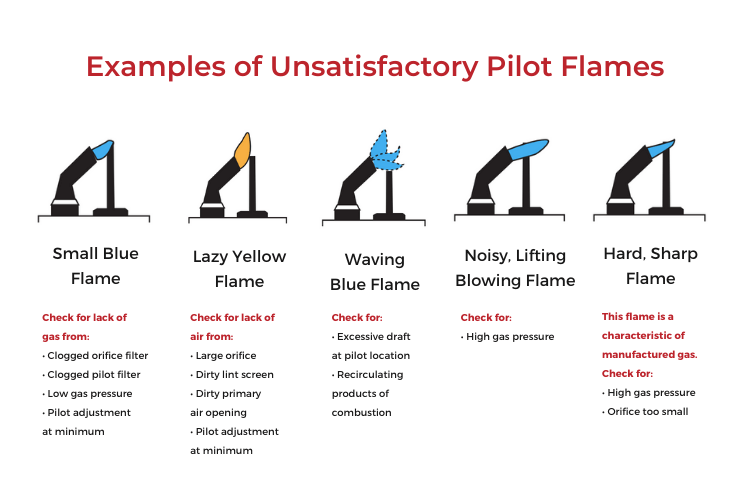
Credit: www.acucraft.com

Credit: www.reddit.com
Frequently Asked Questions
Why Is My Gas Fireplace Flame Too Low?
A low flame often means low gas pressure or a blocked burner. Check the gas valve and clean the burner to fix this.
How Can I Increase The Flame Height Safely?
Adjust the gas control knob slowly to raise the flame. Always follow the manufacturer’s instructions for safe adjustment.
Can Dirty Burners Cause A Low Flame?
Yes, dirt or dust can block the burner holes. Regular cleaning helps keep the flame strong and even.
Does Low Flame Affect Fireplace Heating Efficiency?
A low flame reduces heat output and wastes gas. Keeping the flame at the right level ensures better warmth and efficiency.
When Should I Call A Professional For Low Flame Issues?
Call a professional if cleaning and adjustments don’t fix the flame. Gas issues can be dangerous and need expert care.
Conclusion
A low gas fireplace flame can affect your home’s warmth and comfort. Check the pilot light and gas supply first. Cleaning the burner often helps the flame burn brighter. Regular maintenance keeps your fireplace safe and efficient. Small fixes can save money and avoid bigger problems.
Stay warm and enjoy your cozy fireplace this season. Don’t ignore signs of trouble; act early to prevent damage. Simple care makes a big difference in flame quality. Keep your gas fireplace glowing just right.