
Are you wondering if your dishwasher air gap can be installed under the sink? You’re not alone.
Many homeowners get confused about where this small but important part should go. Getting it right is key to keeping your dishwasher running smoothly and preventing dirty water from backing up into your clean dishes. You’ll discover exactly where the dishwasher air gap belongs and why it matters.
Keep reading to make sure your kitchen stays clean and your dishwasher works the way it should.
Purpose Of A Dishwasher Air Gap
The purpose of a dishwasher air gap is to keep dirty water from flowing back into your dishwasher. It acts as a safety device that stops contamination of clean water. This small component plays a big role in maintaining hygiene and protecting your home plumbing.
It prevents backflow, which happens when wastewater flows backward into the dishwasher. Backflow can cause dirty water and germs to enter your clean dishes. The air gap creates a physical break in the drain line, making this impossible.
What Does A Dishwasher Air Gap Do?
The air gap allows air to enter the drain line. This air break stops dirty water from siphoning back into the dishwasher. It keeps the dishwasher’s water clean and safe for your dishes.
How The Air Gap Protects Your Plumbing
By stopping backflow, the air gap protects your home’s water supply. It prevents contamination of your sink and dishwasher drains. This is important for health and safety in your kitchen.
Where The Air Gap Fits In The Drain System
The air gap is usually installed on the countertop or sink. It connects the dishwasher drain hose to the garbage disposal or sink drain. This setup ensures water flows out but never back in.
Credit: www.diychatroom.com
Common Locations For Air Gap Installation
Dishwasher air gaps are usually installed on the countertop or sink. Placing the air gap under the sink is less common but sometimes possible. This location helps prevent dirty water from flowing back into the dishwasher.
The air gap is a small device that stops dirty water from flowing back into the dishwasher. It keeps your water clean and safe. Knowing where to place the air gap is important for a proper setup.
There are a few common spots where installers put the air gap. Each place has its own benefits and rules. This helps the dishwasher work well and meets plumbing codes.
On The Kitchen Sink Deck
The most popular spot for an air gap is on the kitchen sink deck. It is the flat area around the sink faucet. The air gap fits in a hole drilled there. This spot is easy to reach and check for blockages.
Placing the air gap here keeps it visible. You can see if it clogs or leaks. It also looks neat and blends with other sink fixtures.
On The Countertop Near The Sink
Another common location is on the countertop beside the sink. This works when the sink deck does not have space. The air gap sits on the counter, close to the sink and dishwasher.
This spot allows easy access for maintenance. It also keeps the hose connections short. Short hoses reduce the chance of kinks and blockages.
Under The Sink Cabinet
Some people ask if the air gap can go under the sink cabinet. This place is hidden from view. It can be harder to spot problems like clogs or leaks.
Plumbing codes in many areas do not allow under-sink installation. The air gap must remain visible to work properly. Check local rules before choosing this spot.
Under-sink installation may need extra fittings. It could also reduce the air gap’s effectiveness. Keeping the air gap above the sink is safer.
Feasibility Of Installing Air Gap Under Sink
Installing a dishwasher air gap under the sink is possible but has specific rules. The air gap stops dirty water from flowing back into the dishwasher. It creates a break in the water flow to keep things clean and safe.
Placing the air gap under the sink means it is hidden from view. This can make the kitchen look neater. But the setup is not the same as mounting it on the countertop.
Space Requirements Under The Sink
Space under the sink must be enough for the air gap device. The area should be clear of pipes and garbage disposals. The air gap needs room for the hoses to connect without bending.
Local Plumbing Codes
Many places have rules about where to install air gaps. Some codes require the air gap to be visible above the sink. Check local rules before deciding on the location. Following the rules keeps the home safe and passes inspections.
Ease Of Maintenance
Air gaps can get clogged with dirt and debris. Installing it under the sink can make cleaning harder. Easy access helps maintain the air gap and avoids dishwasher problems.
Installation Steps
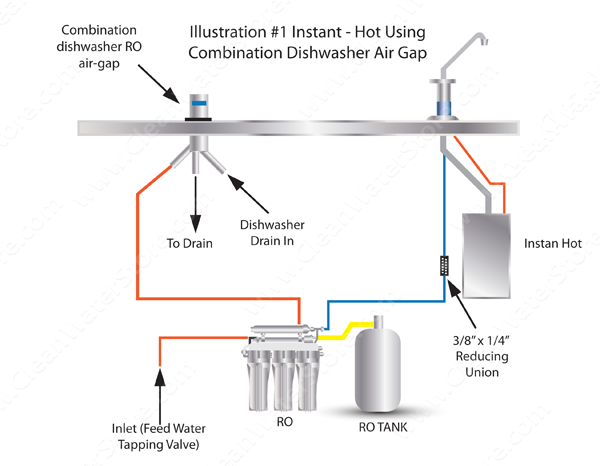
Plumbers connect the air gap to the dishwasher and drain pipes. The hoses must be tight and leak-free. Proper installation prevents water from backing up into the dishwasher.
Credit: www.cleanwaterstore.com
Local Plumbing Codes And Regulations
Local plumbing codes and regulations control how a dishwasher air gap can be installed. These rules protect your home from water damage and contamination. They ensure that wastewater does not flow back into your clean water supply.
Each city or state may have different rules about air gap placement. Some allow the air gap under the sink, while others require it on the countertop. Knowing these rules is important for a safe and legal installation.
Understanding Local Code Requirements
Local codes define where the air gap must be placed. Some codes say it must be visible above the sink. Others allow it to be hidden under the sink cabinet. These rules depend on health and safety standards.
Permits And Inspections
Installing an air gap may need a permit. A professional plumber can help with this process. Inspections ensure the installation follows all local codes. This keeps your plumbing system safe and reliable.
Consequences Of Ignoring Codes
Ignoring plumbing codes can cause serious issues. Your dishwasher may not drain properly. Water contamination risks increase. You may face fines or need costly repairs. Always follow local codes for peace of mind.
Step-by-step Installation Tips
Installing a dishwasher air gap under the sink keeps your kitchen safe from water backup. Follow simple steps to install it correctly. This guide breaks down the process into easy parts.
Required Tools And Materials
Gather the tools before starting. You need a screwdriver, drill, drill bits, and a wrench. Get a dishwasher air gap kit. Also, have two hoses ready: one for the dishwasher and one for the drain.
Preparing The Installation Area
Clear the cabinet under the sink. Remove any items that block your work. Find a spot near the sink drain for the air gap. Check for space and easy access. Mark the location for drilling the hole.
Mounting The Air Gap Under Sink
Drill a hole in the sink or countertop if needed. Insert the air gap through the hole. Tighten the mounting nut under the sink to secure it. Make sure the air gap is stable and upright.
Connecting Hoses Properly
Attach the dishwasher hose to the smaller air gap inlet. Connect the larger outlet hose to the sink drain or garbage disposal. Tighten all hose clamps firmly. Check for leaks by running the dishwasher once done.
Potential Issues With Under Sink Air Gaps
Installing a dishwasher air gap under the sink may seem like a neat solution. This setup hides the device and keeps counters clear. Still, placing an air gap under the sink brings some problems. These issues can affect how well your dishwasher drains and how easy it is to fix or clean the air gap.
Water Backflow Risks
Water backflow can occur if the air gap is under the sink. This happens because the air gap loses its ability to separate dishwasher water from the drain water effectively. Without proper air circulation, dirty water may flow back into the dishwasher. This can cause contamination and damage to the appliance.
Maintenance Challenges
Air gaps under the sink are hard to reach for cleaning. Dirt and debris can build up inside the air gap. This buildup can block water flow and cause leaks. Regular checks become difficult, increasing the chance of unnoticed clogs or damage.
Visibility And Accessibility
An air gap placed under the sink is out of sight. This makes it harder to notice problems early. Visible air gaps on the countertop allow quick inspection and easy repairs. Hidden air gaps delay problem detection and make fixing them more complex.
Alternatives To Under Sink Air Gap Placement
Air gaps help stop dirty water from flowing back into your dishwasher. Usually, they sit under the sink. Still, other places work too. These options can suit different kitchen layouts and personal tastes. Here are two easy alternatives to under sink air gap placement.
Countertop Air Gap Installation
Countertop air gaps sit on your kitchen counter near the sink. They connect to the dishwasher drain hose and the sink drain. This setup keeps your dishwasher safe from backflow. Installation is simple and does not need much space below the sink.
This option works well for kitchens with limited under-sink space. The air gap stays visible for easy cleaning. It also lets you check it works without trouble. Plus, it adds a neat, professional look to your kitchen.
Built-in Dishwasher Air Gap Options
Some dishwashers have built-in air gaps inside their design. These models manage backflow protection without extra parts. The air gap is hidden inside the dishwasher body. This saves space and keeps your kitchen looking tidy.
Built-in air gaps reduce installation steps and parts needed. They are great for modern kitchens with sleek designs. Check dishwasher specs to see if it includes this feature. This way, you can avoid extra plumbing work under the sink.
Credit: www.diychatroom.com
Tips For Maintaining Your Dishwasher Air Gap
Maintaining your dishwasher air gap is important for its proper function. It stops dirty water from flowing back into your dishwasher. Regular care keeps it clean and working well.
Simple steps help prevent clogs and leaks. These tips save you time and repair costs.
Clean The Air Gap Cover Regularly
Remove the air gap cover once a month. Wipe away dust and debris with a damp cloth. This prevents blockages and keeps water flowing smoothly.
Check For Blockages Inside The Air Gap
Use a small brush or pipe cleaner to clear inside the air gap. Remove any food particles or buildup. This stops water from backing up and causing damage.
Inspect The Hoses For Leaks And Damage
Look under the sink at the hoses connected to the air gap. Tighten loose clamps and replace cracked hoses. Proper seals prevent water leaks and mold growth.
Run Hot Water Before Starting The Dishwasher
Running hot water clears the drain line before use. It helps dissolve grease and food particles. This reduces the chance of clogs in the air gap.
Schedule Professional Inspections
Have a plumber check the air gap yearly. They can find hidden problems early. Routine inspections extend the life of your dishwasher system.
Frequently Asked Questions
Can A Dishwasher Air Gap Be Installed Under The Sink?
A dishwasher air gap is usually installed on the countertop or sink rim. Placing it under the sink is not recommended as it defeats its purpose to prevent backflow. It needs to be visible and accessible for proper function.
Why Is The Dishwasher Air Gap Placed Above The Sink?
The air gap must be above the sink to create a gap of air that stops dirty water from flowing back. This location helps ensure clean water enters the dishwasher. It also allows easy inspection and cleaning.
What Happens If The Dishwasher Air Gap Is Under The Sink?
If the air gap is under the sink, it cannot stop backflow properly. This may cause dirty water to enter the dishwasher, risking contamination. Also, it becomes harder to clean or check for blockages.
Is It Legal To Install An Air Gap Under The Sink?
Most local plumbing codes require the air gap to be above the sink or countertop. Installing it under the sink usually violates these codes. Always check your local rules before installation.
Can An Air Gap Be Hidden Under The Sink For Aesthetic Reasons?
Hiding the air gap under the sink is not recommended due to its function. It must be visible and accessible for cleaning and inspection. Consider other design options to keep the area neat.
How Do You Maintain A Dishwasher Air Gap Installed Above The Sink?
Regularly check the air gap for clogs or debris by removing the cover. Clean it with a brush if needed to keep water flowing freely. This helps prevent dishwasher drainage problems.
Are There Alternatives To An Air Gap For Dishwasher Drainage?
Yes, some use a high loop in the drain hose as an alternative. However, an air gap is the safest and most code-approved method. It better prevents dirty water from backing up into the dishwasher.
Conclusion
A dishwasher air gap can be installed under the sink if space allows. It must stay above the drain line to prevent water backflow. Proper placement helps keep your dishwasher working well and your kitchen clean. Always check local plumbing codes before installing an air gap.
This small part plays a big role in keeping your water safe. Choosing the right spot makes installation easier and protects your home from leaks. Keep these points in mind for a smooth dishwasher setup.