
Are you planning to renovate your ceiling or working on an older building? If your ceiling has 12×12 tiles, it’s important to know whether they contain asbestos.
Asbestos was commonly used in ceiling tiles for its fire resistance and durability, but it can be dangerous if disturbed. You need to understand what asbestos is, how to identify it in your 12×12 ceiling tiles, and the steps to take if you find it.
Keep reading to learn everything you must know to keep your home or workplace safe.
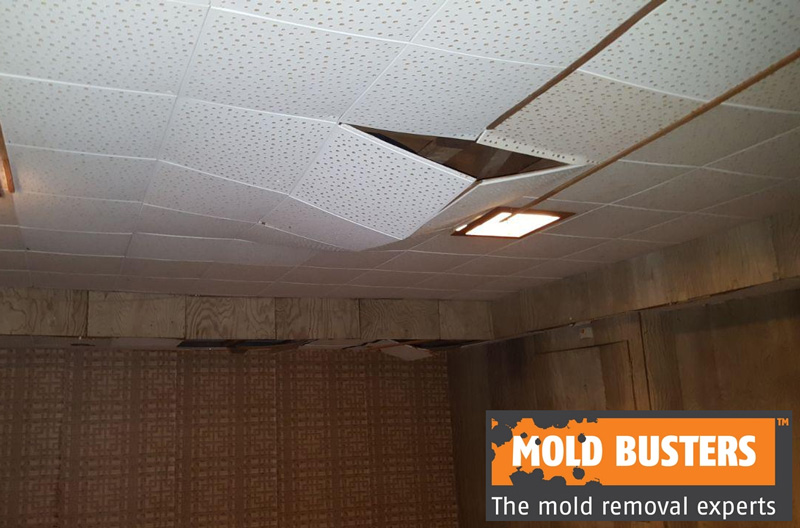
Credit: www.bustmold.com
What Are 12×12 Ceiling Tiles Made Of
Understanding what 12×12 ceiling tiles are made of helps identify potential risks. These tiles have been common in buildings for decades. Some contain materials now known to be harmful. Knowing their composition is important for safety and maintenance.
What Materials Compose 12×12 Ceiling Tiles?
Typically, 12×12 ceiling tiles are made from mineral fibers, cellulose, and binders. These materials give the tiles strength and sound absorption qualities. Some older tiles include asbestos, a heat-resistant mineral fiber.
Role Of Asbestos In Ceiling Tiles
Asbestos was popular in ceiling tiles for fire resistance and durability. It looks like tiny fibers mixed into the tile material. Many tiles made before the 1980s contain asbestos. This mineral can be dangerous if disturbed and inhaled.
Modern Alternatives To Asbestos Tiles
Newer ceiling tiles use safer materials like fiberglass or mineral wool. These materials provide similar benefits without health risks. They are lighter and easier to handle. These tiles meet current safety regulations and building codes.
Risks Of Asbestos In Ceiling Tiles
Asbestos was a common material in ceiling tiles for many years. It was valued for its fire resistance and durability. However, asbestos fibers can cause serious health problems. These fibers are tiny and can become airborne easily. People can breathe them in without knowing.
Once inhaled, asbestos fibers can damage the lungs. This damage may take years to show symptoms. Exposure to asbestos increases the risk of lung diseases. The risks are higher if the ceiling tiles are disturbed or damaged.
Health Hazards Linked To Asbestos Exposure
Asbestos fibers can cause lung diseases like asbestosis. This disease scars the lungs and makes breathing hard. It also increases the chance of lung cancer. Another risk is mesothelioma, a rare cancer affecting the lining of the lungs or abdomen. These diseases often appear decades after exposure.
How Damaged Tiles Release Asbestos Fibers
Ceiling tiles that are cracked or broken release asbestos fibers. Renovation or removal can also cause fibers to spread. Fibers become airborne and easy to inhale. Even small amounts of asbestos in the air can be harmful.
Who Is At Risk From Asbestos In Ceiling Tiles
People living or working in older buildings face higher risk. Workers handling ceiling tiles without protection are most vulnerable. Families may be exposed if tiles break or crumble. Children and elderly people are especially sensitive to asbestos exposure.
How To Identify Asbestos In Ceiling Tiles
Asbestos in 12×12 ceiling tiles often looks like small, rough fibers or powdery spots. Older tiles, made before the 1980s, are more likely to contain asbestos. Testing by a professional is the safest way to confirm its presence.
Visual Clues To Identify Asbestos In Ceiling Tiles
Asbestos ceiling tiles often have a rough, fibrous texture. They usually come in 12×12 inch squares. Older tiles, especially those installed before the 1980s, are more likely to contain asbestos. Look for yellowing or discoloration on the tiles. Some tiles may have a speckled or grainy surface. If the tiles look crumbly or brittle, be cautious. These signs may indicate asbestos presence.
Check The Age And Location Of Ceiling Tiles
Asbestos was common in building materials until the late 1970s. Tiles installed before 1980 have a higher chance of containing asbestos. Buildings constructed or renovated before this time often have asbestos ceiling tiles. Tiles in older homes, schools, and commercial buildings should be inspected carefully. Knowing the tile’s age helps assess asbestos risk. Location can also help identify asbestos use.
Professional Testing For Asbestos Confirmation
Visual inspection alone cannot confirm asbestos. A professional asbestos test is necessary. Experts take a small tile sample for lab analysis. They use microscopes to detect asbestos fibers. Testing ensures safety before removing or disturbing tiles. Never try to take samples yourself. Disturbing asbestos can release harmful fibers into the air.

Credit: www.reddit.com
Health Effects Of Asbestos Exposure
Asbestos is a dangerous mineral once used in many building materials. One common product is 12×12 ceiling tiles. These tiles can release tiny asbestos fibers into the air when damaged or disturbed. Breathing these fibers harms the lungs and overall health.
Exposure to asbestos does not cause immediate symptoms. Problems often appear years after contact. It is important to understand the health risks linked to asbestos exposure.
What Happens When You Breathe Asbestos Fibers?
Asbestos fibers are very small and sharp. They can enter the lungs easily when inhaled. The fibers get trapped in lung tissue. The body cannot remove them. This causes irritation and scarring over time.
Common Diseases Caused By Asbestos Exposure
Many serious diseases come from asbestos exposure. Asbestosis is a lung disease that causes breathing problems. Lung cancer risk increases with asbestos exposure. Mesothelioma is a rare cancer affecting the lung lining. It only happens after asbestos contact.
Who Is Most At Risk?
People working with old ceiling tiles face the highest risk. Homeowners removing or damaging these tiles also risk exposure. Anyone living or working in old buildings with asbestos tiles can be affected. Children and elderly may suffer more from exposure.
Safe Handling Practices For Asbestos Tiles
Handling 12×12 ceiling tiles that contain asbestos requires careful attention. Asbestos fibers can harm your lungs if released into the air. Always follow safe handling practices to protect yourself and others. Proper preparation and care help reduce health risks during tile removal or repair.
Personal Protective Equipment
Wear a high-quality respirator rated for asbestos dust. Use disposable coveralls to avoid carrying fibers on your clothes. Gloves and safety goggles protect your skin and eyes from dust. Never skip protective gear when working with asbestos tiles.
Proper Tools And Techniques
Use hand tools instead of power tools to limit dust. A putty knife or scraper works well to loosen tiles gently. Spray water lightly on the tile surface to keep dust down. Remove tiles slowly and carefully to avoid breaking them.
Avoiding Tile Damage
Cracked or broken tiles release more asbestos fibers. Handle each tile with care to keep it intact. Place removed tiles in sealed plastic bags immediately. Dispose of asbestos waste following local regulations and guidelines.
Testing For Asbestos In Ceiling Tiles
Testing for asbestos in ceiling tiles is important for safety. Asbestos was used in many building materials until the late 1970s. Many 12×12 ceiling tiles may still contain asbestos. Knowing if your tiles have asbestos helps you avoid health risks. Proper testing ensures you handle the material safely.
Hiring Certified Professionals
Certified professionals have the tools and training to test asbestos safely. They collect samples without spreading harmful fibers. These experts follow strict safety rules during testing. Lab analysis by professionals gives accurate results. Hiring them reduces the chance of exposure to asbestos. Trust their experience to protect your home and family.
Diy Testing Risks
Testing for asbestos yourself can be dangerous. Disturbing ceiling tiles may release tiny asbestos fibers into the air. These fibers are hard to see but can cause health problems. Without proper gear, you risk breathing in toxic dust. DIY tests often give unreliable results. It is safer to avoid testing alone and call a professional.
Legal Regulations On Asbestos Removal
Asbestos removal rules protect health by controlling how 12×12 ceiling tiles are handled. Licensed professionals must follow strict safety steps to prevent harm. Proper disposal is required by law to avoid risks.
Understanding Asbestos Laws
Asbestos is a hazardous material. Its removal follows strict laws. These laws protect public health and workers. They limit who can remove asbestos and how. Ignoring these laws can lead to fines or jail.
Certified Professionals Only
Only trained and licensed experts may remove asbestos. They use special gear and methods. This reduces the risk of asbestos fibers spreading. DIY removal is illegal and very dangerous. Always hire certified asbestos removal companies.
Notification And Permits
Many places require notification before asbestos removal. Permits may also be necessary. Authorities need to know about the project. This ensures proper safety measures are in place. Failure to notify can cause legal trouble.
Disposal Rules For Asbestos Waste
Asbestos waste must be handled carefully. It cannot go to regular trash sites. Specific disposal sites and containers are required. These rules prevent environmental contamination. Proper disposal protects people and nature.

Credit: www.reddit.com
Safe Removal And Disposal Methods
Removing 12×12 ceiling tiles that contain asbestos needs careful attention. Asbestos fibers can harm health if released into the air. Safe removal and disposal protect people and the environment. Follow strict rules and use correct methods to avoid risks.
Preparing The Area For Safe Removal
Clear the room of furniture and cover floors with plastic sheets. Seal doors and vents with tape to stop dust from spreading. Wear protective gear like masks, gloves, and coveralls. Turn off air conditioners and fans to prevent airflow.
Proper Tools And Techniques
Use hand tools instead of power tools to reduce dust. Spray tiles with water to keep fibers from becoming airborne. Remove tiles gently and place them directly into sealed containers. Avoid breaking or crushing tiles during removal.
Safe Disposal Of Asbestos Tiles
Place removed tiles in thick, sealed plastic bags or containers. Label waste clearly as asbestos material. Dispose of asbestos waste at licensed facilities only. Follow local laws for transport and disposal to avoid fines.
Hiring Professionals For Asbestos Removal
Certified asbestos removal experts have the right training and equipment. They follow all safety rules strictly. Hiring professionals reduces health risks and ensures proper disposal. Always check credentials before hiring a removal company.
Alternatives To Asbestos Ceiling Tiles
Asbestos ceiling tiles pose health risks due to harmful fibers. Many homeowners and builders now seek safer options. Several alternatives to asbestos ceiling tiles offer durability and style without danger. These materials provide good insulation and fire resistance. They are easier to install and maintain, too.
Choosing the right non-asbestos ceiling tile depends on your needs and budget. Some materials look similar to traditional tiles. Others offer a modern finish or unique texture. Here are some popular alternatives for 12×12 ceiling tiles.
Fiberglass Ceiling Tiles
Fiberglass tiles are lightweight and strong. They resist mold, moisture, and fire. These tiles absorb sound well, making rooms quieter. Fiberglass tiles come in many colors and patterns. They are easy to clean and last long.
Mineral Fiber Ceiling Tiles
Mineral fiber tiles are made from natural materials. They provide good soundproofing and fire resistance. These tiles are affordable and widely available. They fit well in homes and offices alike. Mineral fiber tiles have a smooth, clean look.
Pvc Ceiling Tiles
PVC tiles are plastic-based and waterproof. They resist stains and damage from moisture. These tiles are simple to install and maintain. PVC tiles come in various designs and colors. They are ideal for kitchens and bathrooms.
Metal Ceiling Tiles
Metal tiles add a modern, sleek look to ceilings. They resist fire, mold, and pests. Metal tiles are durable and easy to clean. They reflect light, brightening rooms naturally. These tiles suit both residential and commercial spaces.
Wooden Ceiling Tiles
Wood tiles bring warmth and charm to any room. They provide natural insulation and sound control. Wooden tiles can be painted or stained to match decor. They require regular care to avoid moisture damage. These tiles add a classic, elegant touch.
Preventing Asbestos Exposure In Your Home
Asbestos is a dangerous material found in some 12×12 ceiling tiles. It can cause serious health problems when disturbed. Preventing asbestos exposure in your home is very important for your family’s safety.
Many homes built before the 1980s may have asbestos in ceiling tiles. Knowing how to handle or avoid asbestos is the first step to protect yourself and others.
Understanding The Risks Of Asbestos In Ceiling Tiles
Asbestos fibers are tiny and can float in the air. Breathing in these fibers can cause lung diseases. Ceiling tiles with asbestos can release fibers if broken or damaged. Avoid touching or disturbing old tiles to reduce risk.
Identifying Asbestos-containing Ceiling Tiles
Not all ceiling tiles have asbestos. Tiles made before the 1980s are more likely to contain it. Look for tiles that are crumbly or dusty. Professional testing is the safest way to confirm asbestos presence.
Safe Handling And Removal Practices
Do not try to remove asbestos tiles yourself. Disturbing the tiles can release dangerous fibers. Hire a licensed asbestos professional for removal. They use special tools and safety gear to protect everyone.
Regular Inspection And Maintenance
Check your ceiling tiles regularly for damage. Keep tiles in good condition to prevent fiber release. Clean gently with a damp cloth. Avoid sanding, scraping, or drilling near tiles.
Creating A Healthy Indoor Environment
Good ventilation helps reduce asbestos fiber buildup. Use air purifiers with HEPA filters for cleaner air. Seal cracks or gaps around ceiling tiles. This limits fiber movement and keeps your home safe.
Frequently Asked Questions
What Are 12×12 Ceiling Tiles Made Of?
12×12 ceiling tiles can be made from various materials like mineral fiber, fiberglass, or vinyl. Some older tiles may contain asbestos, which is hazardous.
How To Identify Asbestos In 12×12 Ceiling Tiles?
Asbestos tiles often look fibrous or have a rough texture. Testing by a professional is the only safe way to confirm asbestos presence.
Are 12×12 Asbestos Ceiling Tiles Dangerous?
Asbestos tiles are safe if they are intact and undisturbed. Damaged or crumbling tiles release fibers that can cause health problems.
Can I Remove 12×12 Asbestos Ceiling Tiles Myself?
Removing asbestos tiles yourself is risky and not recommended. It requires special equipment and trained professionals to avoid fiber release.
What Are Safe Alternatives To Asbestos 12×12 Ceiling Tiles?
Non-asbestos options include mineral fiber, fiberglass, and PVC tiles. These materials are safer and meet modern building codes.
How To Clean 12×12 Asbestos Ceiling Tiles Safely?
Avoid wet cleaning or scraping asbestos tiles. Use a HEPA vacuum and keep tiles undisturbed to prevent fiber release.
When Should I Test 12×12 Ceiling Tiles For Asbestos?
Test tiles before renovation or removal if your building was made before the 1980s. Early detection helps protect health and safety.
Conclusion
12×12 ceiling tiles may contain asbestos, which can be harmful. Testing is important before any removal or renovation work starts. Use professional services for safe handling and disposal. Never try to remove asbestos tiles yourself. Stay informed about asbestos risks to protect your health.
Proper care keeps your home safe and clean. Always follow local rules and guidelines for asbestos management. Safety should be your top priority when dealing with ceiling tiles.