
Have you ever wondered if a toilet vent can be placed downstream? If you’re dealing with plumbing issues or planning a bathroom remodel, understanding how your toilet vent works is crucial.
The vent system keeps everything running smoothly by letting air in and gases out, but its placement can make all the difference. You’ll discover why the location of your toilet vent matters, what happens if it’s downstream, and how to make sure your plumbing stays trouble-free.
Keep reading to avoid costly mistakes and ensure your bathroom works just right.
Toilet Vent Basics
Understanding toilet vents is key to knowing how your plumbing works. These vents play a big role in keeping your toilet and pipes working well. Without them, water flow and smells can cause problems.
Toilet vents help air move through the plumbing system. This air movement stops pressure from building up and helps water flow smoothly. Let’s look at the basics of toilet vents and their role in your home.
Purpose Of Toilet Vents
Toilet vents let air enter the plumbing system. This air stops vacuum pressure from forming. Without vents, water can drain slowly or get stuck.
They also stop sewer gases from entering your home. These gases can be harmful and cause bad smells. Vents push these gases outside safely.
How Vents Affect Plumbing
Vents balance air pressure in pipes. This balance helps waste water flow easily. It stops water in traps from being sucked out.
If vents are blocked or placed wrong, pipes can gurgle or drain poorly. Proper venting keeps toilets flushing well and prevents leaks.
Credit: terrylove.com
Vent Location Rules
Vent location rules guide proper installation of toilet vents. These rules ensure good airflow and prevent sewer gases from entering the home. Incorrect vent placement can cause slow drainage or bad odors. Understanding where vents should go helps keep plumbing working well and safe.
Typical Vent Placement
Toilet vents usually connect near the fixture’s drain line. They are placed upstream, before the drain pipe meets the main sewer line. This position allows air to enter and balance pressure as waste flows. Vents often extend through the roof to release gases outside. Proper placement keeps water traps full and stops odors.
Why Upstream Matters
Placing the vent upstream is key for airflow. It lets air move into the pipe before waste passes through. This pressure balance prevents vacuum effects that slow drainage. Downstream vents can trap air and block flow. Upstream vents ensure waste flows smoothly and pipes stay clear.
Downstream Venting Explained
Downstream venting refers to the placement of a plumbing vent pipe after the fixture it serves. This setup differs from the usual venting method, where vents are placed upstream or directly connected before the fixture. Understanding downstream venting helps in recognizing its impact on toilet performance and plumbing systems.
Toilets rely on proper venting to maintain air pressure and allow waste to flow smoothly. When the vent is downstream, it can affect how air moves through the pipes and influence drainage efficiency. Knowing what downstream means and its potential issues aids in making better plumbing choices.
What Downstream Means
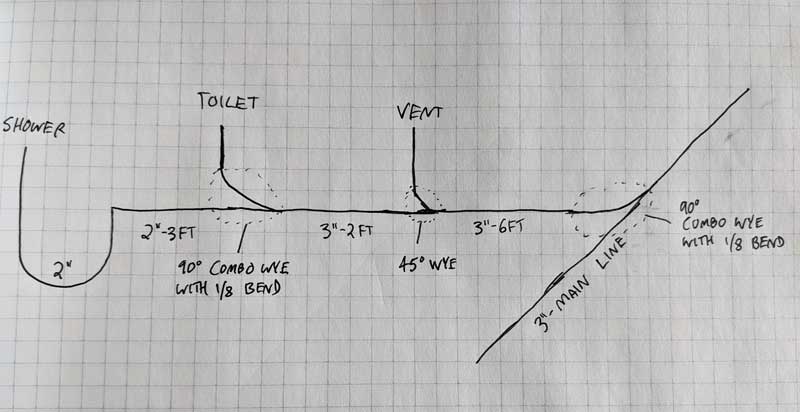
Downstream means the vent pipe is placed after the toilet drain connection. Air enters the vent after the waste leaves the toilet. This setup may change how air pressure balances inside the pipes. It is not the standard venting method in most plumbing codes. Downstream venting can be seen in some older or unconventional plumbing systems.
Potential Issues With Downstream Vents
Downstream venting can cause air pressure problems inside the drain system. It may lead to slow drainage or gurgling sounds in the toilet. Sewer gases might escape into the bathroom if venting is poor. Blockages are more likely because the vent is after the waste flow. These problems can cause unpleasant odors and plumbing damage over time.

Credit: diy.stackexchange.com
Code Requirements
Understanding code requirements is key for proper toilet vent installation. Plumbing codes set clear rules to ensure vents work safely and efficiently. These codes help prevent sewer gases from entering homes and maintain correct water flow in pipes. Knowing these rules keeps plumbing systems safe and functional.
Plumbing Codes On Venting
Plumbing codes require vents to be placed upstream of the trap. This means vents must connect before the toilet’s drain trap. The vent pipe allows air to enter and equalize pressure. Without this, water can be sucked out of the trap, causing bad smells. Codes also specify pipe sizes and distances to follow. Proper venting prevents clogs and sewer gas leaks.
Exceptions And Special Cases
Some plumbing codes allow exceptions for vent placement. In rare cases, vents can be downstream if special devices are used. These devices stop sewer gases from escaping. Some buildings use air admittance valves instead of traditional vents. Local codes often decide when these exceptions apply. Always check local rules before installing or changing vents.
Common Problems And Solutions
Toilet vent issues can cause serious problems in your plumbing system. These vents help air flow and prevent sewer gases from entering your home. When vents are placed downstream or incorrectly, you may face blockages, slow drainage, or bad odors. Understanding common problems and their solutions helps keep your toilet working well.
Signs Of Venting Issues
Slow draining toilets or gurgling sounds are common signs. You might notice a strong sewer smell near the toilet. Water may bubble in the bowl after flushing. These signs mean air is not flowing properly through the vent. Vent blockages or wrong vent placement can cause these problems.
Fixing Downstream Vent Problems
Check the vent pipe for clogs or damage first. Clear any debris or bird nests blocking airflow. Ensure the vent pipe rises above the roof line to work correctly. If the vent is downstream, rerouting may be necessary. A plumber can help reposition the vent for better air flow. Proper vent installation stops sewer gases and improves drainage.
Best Practices For Toilet Vents
Toilet vents play a key role in plumbing. They help air flow in pipes and prevent sewer gases from entering your home. Proper venting keeps toilets flushing smoothly and stops bad smells. Following best practices ensures vents work well and last long.
Proper Installation Tips
Install vents above the toilet drain line. Vents should never be downstream from the fixture. This placement allows air to enter the system easily. Use the right size pipe, usually 1½ inches for toilets. Ensure vents rise vertically and connect to the main vent stack. Avoid sharp bends or long horizontal runs in vent pipes. Secure vent pipes firmly to prevent movement. Always follow local building codes for vent installation.
Maintenance And Inspection
Check toilet vents regularly for blockages. Leaves, debris, or bird nests can clog vents on the roof. Use a flashlight to inspect vent openings outside. Clear any debris carefully with a plumber’s snake or garden hose. Listen for gurgling sounds in toilets, indicating vent issues. Bad smells near toilets can also signal vent problems. Schedule professional inspections every few years to catch hidden faults early.

Credit: www.reddit.com
Frequently Asked Questions
Can A Toilet Vent Be Located Downstream Of The Trap?
A toilet vent should be upstream or at the same point as the trap. Downstream vents can cause poor venting and slow drainage. Proper vent placement ensures good airflow and prevents sewer gases.
What Happens If A Toilet Vent Is Installed Downstream?
Installing a vent downstream may block air from entering the drain. This can cause slow flushing and gurgling sounds. It also increases the risk of trap siphoning and odors.
Why Is Toilet Vent Placement Important In Plumbing?
Correct vent placement keeps water flowing smoothly and blocks sewer gases. It allows air to enter the drain pipe and balance pressure. This prevents pipe clogs and bad smells.
Can A Toilet Work Without A Vent Pipe?
A toilet may work without a vent but often drains slowly. Sewer gases can enter the room without venting. Proper venting is needed for safe, efficient toilet operation.
How Far Can A Vent Be From A Toilet Trap?
Building codes usually allow vents within 6 feet of the trap. Longer distances may need larger vent pipes or different setups. Check local codes for exact vent distance rules.
Does A Downstream Vent Cause Sewer Gas Smells?
Yes, a downstream vent can let sewer gases escape indoors. It fails to maintain the water seal in the trap. Correct venting prevents these smells from entering your home.
What Is The Best Location For A Toilet Vent Pipe?
The vent pipe should connect above or near the toilet’s trap. This ensures air flows properly and traps stay filled with water. Proper location keeps drains working well and homes odor-free.
Conclusion
A toilet vent should not be placed downstream. This can cause bad smells and slow drainage. Proper venting helps air flow and stops water traps from breaking. Always follow local plumbing rules for vent placement. Good venting keeps your bathroom fresh and pipes working well.
If you notice slow flushing or odors, check your vent system. Fixing vent issues early saves you time and money later. Proper venting matters for a healthy, clean home.