
Water damage remains one of the most frequent and costly issues for homeowners, often starting as a pinhole leak behind a wall or a slow drip under a vanity. Finding the best water leak detectors involves understanding the difference between simple moisture alarms and sophisticated whole-home shutoff systems. Depending on the complexity of the hardware and the level of automation required, you can expect to pay between $20 and $850 for these devices. Basic standalone sensors typically range from $20 to $60, while smart, integrated systems that connect to your Wi-Fi or main water line generally cost between $250 and $850.
Key Takeaways
- Identify high-risk areas like water heaters, washing machines, and basement sumps to place your sensors strategically.
- Choose between localized alarms for immediate notification or smart home integration for remote alerts and automated water shutoff.
- Check your home’s plumbing layout to determine if you need a pipe-mounted flow meter or individual spot sensors.
- Verify battery life and connectivity requirements, such as Z-Wave, Zigbee, or standard 2.4GHz Wi-Fi, before committing to a system.
- Ensure the device is compatible with your existing smart home ecosystem like Alexa, Google Home, or Apple HomeKit.
How Do These Detectors Work?
Water leak sensors operate using two primary technologies: conductivity sensing and flow monitoring. Conductivity sensors utilize metal probes on the base of the device. When water bridges the gap between these probes, it completes an electrical circuit, triggering the alarm.
Flow monitors, conversely, attach to your main water supply pipe. These devices use ultrasonic technology to measure the velocity of water moving through the pipes. If water flows continuously for an abnormal amount of time or at a rate that suggests a burst pipe, the system sends an alert or automatically closes the main valve.
Types of Leak Detection Technology
| Technology Type | Best For | Typical Cost Range |
|---|---|---|
| Spot Moisture Sensor | Basements, laundry rooms, sinks | $20 – $70 |
| Pipe Flow Monitor | Main water line, whole-house | $300 – $850 |
| Smart Shutoff Valve | High-risk pipes, vacation homes | $400 – $800 |
Essential Features to Look For
When shopping for protection, focus on reliable connectivity and ease of installation. A device that alerts you only when you’re at home is of limited use if a pipe bursts while you’re at work. Look for models that offer cloud-based notifications sent directly to your smartphone. Furthermore, consider the battery backup capabilities; if the power goes out during a storm, you want to ensure your system remains operational to catch leaks caused by pressure fluctuations.
Pro Tip: Always test your sensors after installation by placing them on a damp paper towel to ensure the alarm sounds and the notification reaches your mobile device as expected.
Top Brands and Reliable Models
Several manufacturers dominate the market with proven hardware. For simple, effective spot monitoring, the Govee Wi-Fi Water Sensor is a popular entry-level choice that provides clear app alerts.
If you prefer a more robust system, the Moen Flo Smart Water Monitor is widely regarded for its ability to track water usage patterns and automatically shut off the water supply when it detects a catastrophic failure. Another strong contender is the Phyn Plus, which offers professional-grade leak detection and integrates well with various smart home platforms.
Top-Rated Water Leak Detectors
- Govee Water Sensor (Wi-Fi enabled)
- Moen Flo Smart Water Monitor and Shutoff
- Phyn Plus Smart Water Assistant
- Honeywell Home Lyric Wi-Fi Water Leak Detector
- Ring Alarm Flood and Freeze Sensor
Where to Place Your Sensors
Strategic placement is the difference between catching a leak and dealing with a flooded basement. You should prioritize areas where water is under constant pressure or prone to condensation. Every home should have sensors near the water heater, as these units are notorious for silent, slow leaks that can cause significant floor damage over time. Additionally, place sensors under every kitchen and bathroom sink, behind the refrigerator if it has an ice maker, and near the washing machine.
Are Smart Shutoffs Worth It?
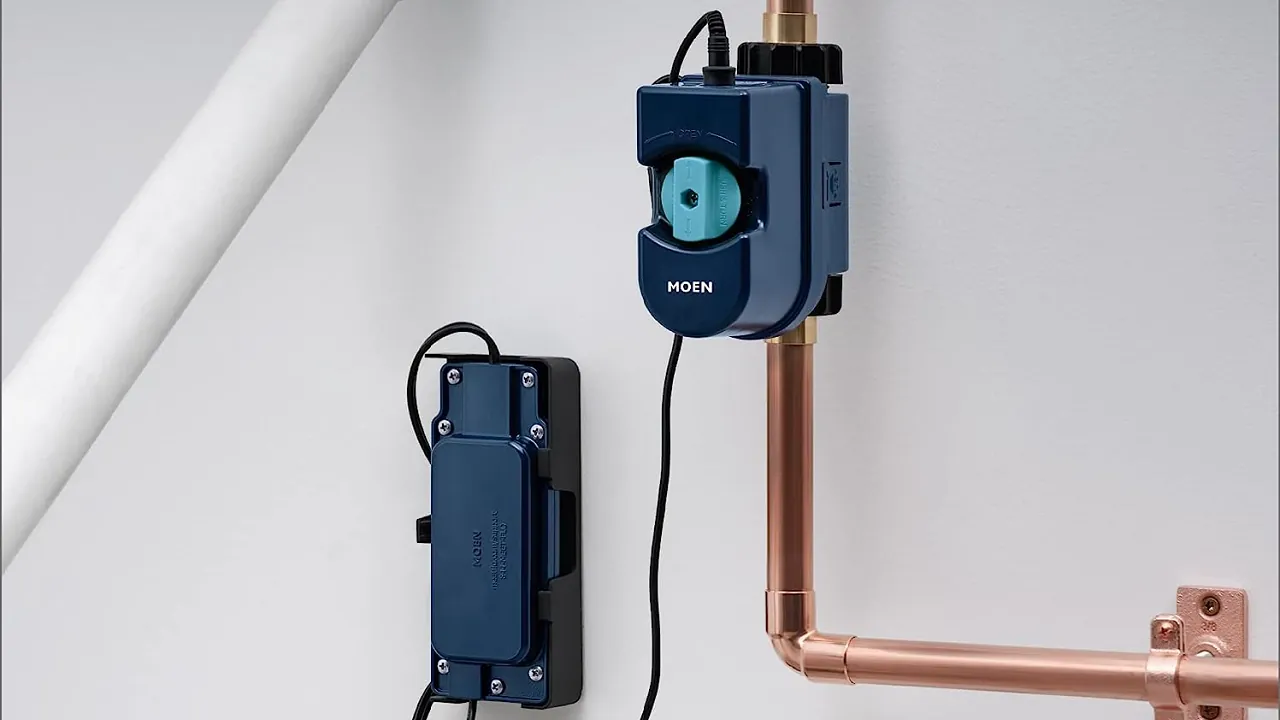
Automated shutoff valves are a significant investment, but they provide the highest level of protection. According to the Insurance Institute for Business and Home Safety, water damage is one of the most common causes of residential property loss.
A system that can physically stop the water flow upon detecting a leak can prevent thousands of gallons of water from entering your home. These systems are particularly beneficial for homeowners who travel frequently or own rental properties where they can’t monitor the plumbing daily.
Troubleshooting Common Connectivity Issues
If your sensor fails to send an alert, the problem is often related to network interference or low battery levels. Many Wi-Fi sensors struggle to maintain a connection if placed in deep basements or inside metal cabinets. If you experience frequent drops, consider using a signal extender or switching to a mesh network. For battery performance, always use high-quality lithium batteries, as alkaline batteries may leak or lose charge quickly in the humid environments where these sensors are frequently placed.
Warning: Never wrap your sensor in plastic or any waterproof material to “protect” it, as this will prevent the device from detecting the very moisture it’s designed to find.
Installation Methods for Detectors
Installing a spot sensor is straightforward: you simply place the device on the floor in a location where water would naturally pool. However, installing a whole-house shutoff valve is a more involved process. These devices require a licensed plumber to cut into your main water line and install the valve downstream of the main shutoff. This ensures that when the system detects a leak, it can effectively isolate the house from the municipal water supply.
Installation Complexity Comparison
| Installation Type | Difficulty | Time Required |
|---|---|---|
| Battery-Powered Spot Sensor | Very Low | < 5 Minutes |
| Plug-in Smart Sensor | Low | < 10 Minutes |
| Inline Shutoff Valve | High | 2 – 4 Hours |
Maintenance for Long-Term Reliability
Even the most advanced technology requires periodic maintenance. You should check your sensors at least every six months. During these checks, wipe the probe contacts clean to remove dust or mineral buildup that could interfere with conductivity. Replace batteries annually, even if the app indicates they still have charge, to ensure consistent operation. If you have an automated shutoff valve, cycle the valve open and closed once every few months to prevent mineral deposits from seizing the mechanical components.
How Much Does Water Damage Cost?
The financial impact of water damage extends far beyond the cost of a plumber. It includes structural repairs to drywall, flooring replacement, and mold remediation services. Depending on the severity of the leak, repair costs can range from $1,000 to $10,000 or more. By investing in a leak detection system, you’re essentially paying for an insurance policy that significantly reduces the probability of having to file a major claim.
Integrating With Your Smart Home
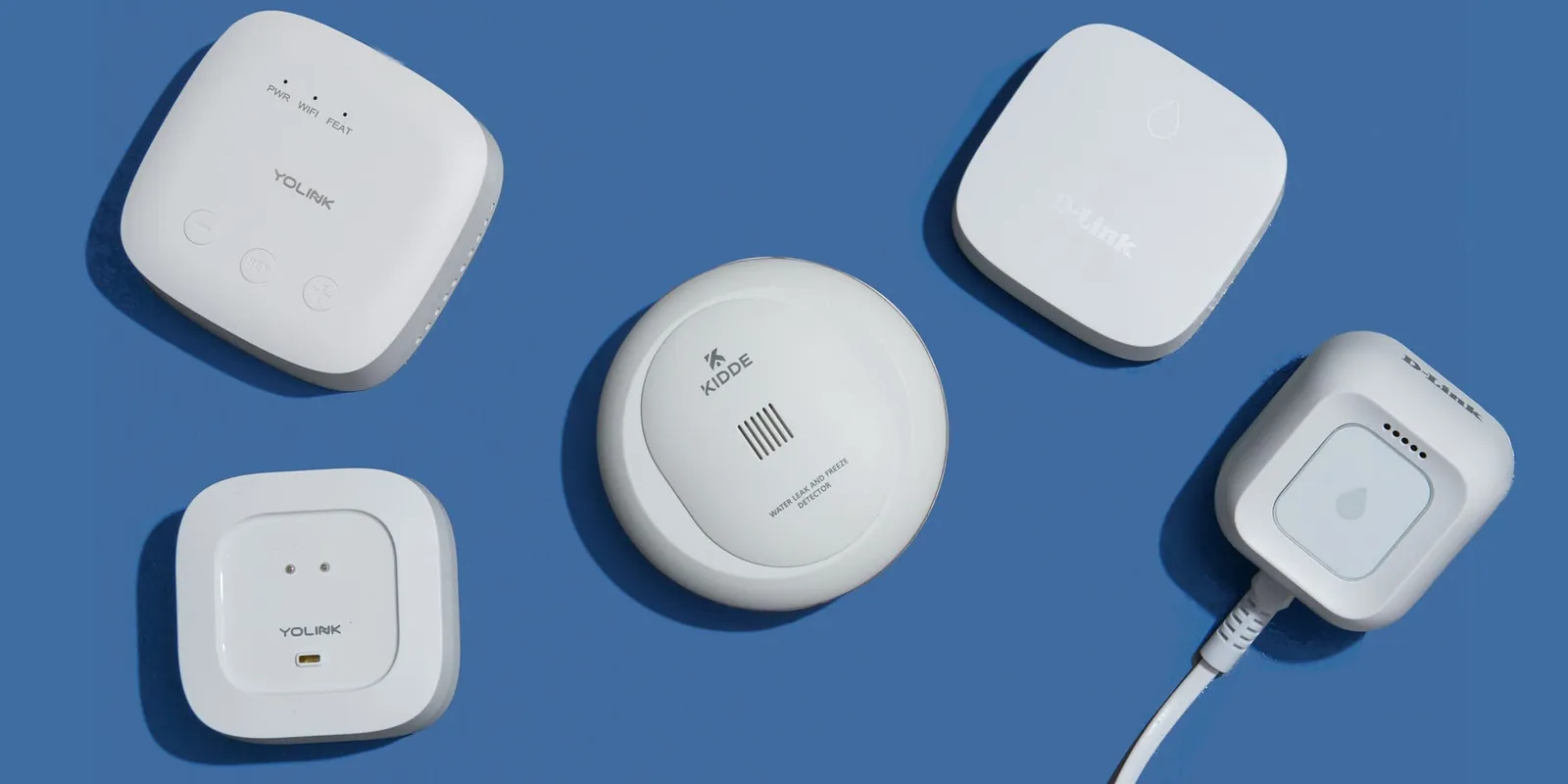
The true power of modern leak detectors lies in their ability to communicate with other smart devices. Many systems can trigger a notification on your smart speaker, flash your smart lights red, or even send a text message to your emergency contacts. When choosing a system, check for ecosystem compatibility. If you already use Apple HomeKit, ensure your chosen sensor supports that protocol to keep your home management centralized in one app.
Related guides
- Best Natural Gas Propane Leak Detectors: How to Choose Yours in 2026
- Best Hot Tub Water Monitoring Systems: Our Top 10 Picks in 2026
Frequently Asked Questions
Can I install a leak detector myself?
Yes, you can easily install spot sensors yourself as they’re usually battery-powered and require no tools. However, whole-home shutoff valves require installation by a professional plumber because they involve cutting into your main water supply line. Improper installation of these valves can lead to leaks at the connection point or reduced water pressure throughout your home, so hiring a licensed professional is recommended for that specific hardware.
Do these sensors work during power outages?
Most battery-operated spot sensors continue to work during a power outage as they rely on internal battery power. However, many Wi-Fi-based systems may lose their connection to the internet if your router isn’t on a battery backup or an uninterruptible power supply. Check the manufacturer’s specifications for your specific device to see if it supports local alerts or has offline functionality during a power failure.
Will a leak detector stop a pipe from bursting?
No, a leak detector can’t physically prevent a pipe from bursting, as that’s caused by environmental factors like freezing temperatures or high water pressure. Instead, these devices act as an early warning system or an automated response mechanism. By detecting the leak the moment it starts, the device alerts you or shuts off the water, minimizing the damage caused by the burst pipe before it becomes a catastrophe.
How many sensors do I need for a typical house?
For a standard home, you should aim for at least five to ten sensors. Place them in high-risk areas including the water heater, dishwasher, washing machine, under every sink, and near any toilets. If you have a basement, add sensors near the sump pump and any floor drains. It’s better to have more sensors than fewer, as they’re relatively inexpensive compared to the cost of repairing water damage.
Do I need a monthly subscription for these devices?
Some advanced leak detection systems offer optional subscription services for premium features, such as professional monitoring, extended data history, or cellular backup. However, most standalone sensors and many smart shutoff valves work perfectly fine without a monthly fee. Always check the product packaging or the manufacturer’s website to clarify if the core features of the device are locked behind a subscription wall before making your purchase.
Conclusion
Taking the time to install a quality leak detection system is one of the most effective ways to safeguard your home against unexpected and expensive water damage. Start by assessing your home for the highest-risk areas, such as your water heater and laundry room, and purchase a starter set of spot sensors to provide immediate, basic protection for your property.