
Are infrared fireplaces safe? If you’re thinking about adding one to your home, this question is probably at the top of your mind.
You want warmth and comfort without worrying about hidden dangers. Understanding how these fireplaces work and their safety features can give you peace of mind. Keep reading to discover the facts that will help you decide if an infrared fireplace is the right choice for your space—and your family’s safety.
How Infrared Fireplaces Work
Infrared fireplaces heat rooms differently than traditional fireplaces. They use infrared light to warm objects directly, not the air. This method creates a cozy heat that feels natural and comforting. Understanding how they work helps to see their benefits and safety features.
Infrared heating mimics the sun’s warmth. It sends out infrared rays that heat people and objects in the room. This way, the heat stays longer and spreads evenly without wasting energy. This makes infrared fireplaces efficient and safe to use.
Basic Technology Behind Infrared Heating
Infrared heating uses electromagnetic waves invisible to the eye. These waves travel through the air and warm surfaces. Objects then release heat slowly into the room. This process is called radiant heating.
Infrared fireplaces have special panels that produce these waves. The panels warm up quickly and safely. They do not burn oxygen or create smoke. This technology reduces fire hazards and keeps indoor air clean.
Types Of Infrared Fireplaces
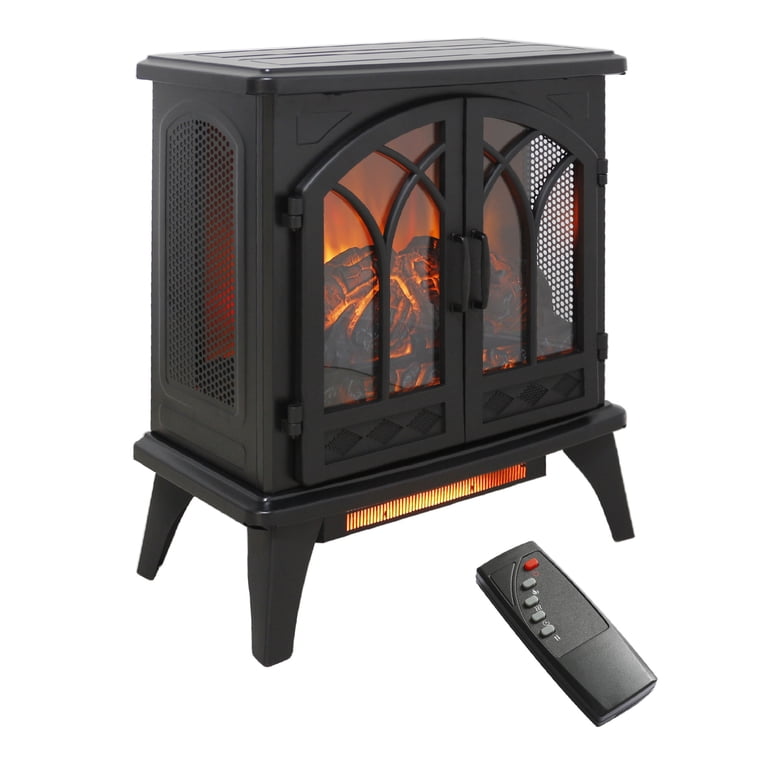
There are several types of infrared fireplaces. Some look like traditional wood fireplaces but use infrared heat. Others are electric units with sleek, modern designs.
Wall-mounted models save space and provide direct heat. Freestanding units can be moved to different rooms. Each type uses the same infrared technology but fits different needs and styles.

Credit: www.amazon.com
Safety Features Of Infrared Fireplaces
Infrared fireplaces come with safety features designed to protect users and homes. These features help prevent accidents and ensure a safe heating experience. Understanding these safety aspects can make you feel more confident using an infrared fireplace.
Automatic Shutoff Mechanisms
Many infrared fireplaces include automatic shutoff systems. These systems turn the fireplace off after a set time or if it tips over. This feature helps avoid fire hazards and saves energy. It offers peace of mind for families and pets around the fireplace.
Overheat Protection
Overheat protection stops the fireplace from getting too hot. Sensors monitor the temperature and shut the unit down if it exceeds safe limits. This prevents damage to the fireplace and reduces fire risk. Overheat protection keeps the heating process safe and reliable.
Cool-to-touch Surfaces
Infrared fireplaces often have cool-to-touch surfaces. This means the exterior stays safe to touch even when the fireplace is on. It lowers the chance of burns, especially for children and pets. Cool surfaces improve the safety of using the fireplace indoors.
Common Safety Concerns
Infrared fireplaces offer warmth and style, but safety remains a key concern for many users. Understanding common safety issues helps users avoid accidents and enjoy their fireplace worry-free. Several factors come into play, including fire risks, air quality, and electrical safety. Each area deserves careful attention to ensure a safe experience.
Fire Hazards And Risks
Infrared fireplaces produce real heat and can become very hot. Keep flammable materials away from the unit. Never place clothes, paper, or curtains near the fireplace. The risk of burns is also present. Children and pets must be supervised around the fireplace. Proper installation reduces fire dangers. Follow the manufacturer’s guidelines closely. Regular cleaning prevents dust buildup, which can catch fire.
Air Quality And Emissions
Infrared fireplaces do not burn fuel like wood or gas. They use electricity to generate heat. This means no smoke or harmful gases are released. The air remains clean and safe for breathing. Some units have fans that blow warm air. These do not affect indoor air quality negatively. Proper ventilation is still important in any heated room.
Electrical Safety Issues
Since infrared fireplaces run on electricity, wiring must be safe and sound. Avoid overloading outlets with multiple devices. Use a dedicated circuit if possible. Inspect cords regularly for damage or fraying. Faulty wiring can cause shocks or fires. Turn off the fireplace when not in use. Follow all electrical codes during installation. Hiring a professional electrician is a smart choice.
Credit: modernethanolfireplaces.com
Comparing Infrared To Traditional Fireplaces
Infrared fireplaces and traditional fireplaces serve the same basic purpose: heating your space. Yet, they work in very different ways. Understanding these differences helps you pick the safest and most efficient option for your home. Let’s compare them on safety, environmental impact, and ease of use.
Safety Differences
Infrared fireplaces do not burn fuel. They use electricity to produce heat. This means no open flames or sparks. The risk of fire or smoke is very low. Traditional fireplaces burn wood or gas. Open flames can cause burns or start fires. Sparks and ashes can damage floors or furniture. Infrared fireplaces often have safety features like automatic shut-off. Traditional fireplaces need regular checks to avoid gas leaks or chimney fires.
Environmental Impact
Infrared fireplaces produce no smoke or harmful gases. They use less energy compared to traditional fireplaces. Traditional fireplaces release carbon dioxide and smoke into the air. Burning wood adds to air pollution and can affect breathing. Infrared models are cleaner and better for indoor air quality. Using infrared reduces your carbon footprint. Traditional fireplaces depend on burning fuel, which is less eco-friendly.
Ease Of Use And Maintenance
Infrared fireplaces turn on with a switch or remote. They need little cleaning or upkeep. No ashes or soot to remove. Traditional fireplaces require frequent cleaning of ash and soot. Chimneys must be inspected and cleaned yearly. Infrared fireplaces do not need fuel storage or chimney maintenance. They save time and effort for busy homeowners.
Expert Tips For Safe Usage
Infrared fireplaces offer warmth and ambiance with modern technology. Using them safely ensures a pleasant experience for everyone. Follow expert tips to avoid risks and keep your home secure.
Proper Installation Guidelines
Install your infrared fireplace on a flat, stable surface. Ensure it has enough space around it for air circulation. Keep it away from curtains, furniture, and flammable materials. Use a licensed professional for installation to meet safety codes. Check the electrical wiring and outlets to prevent hazards.
Regular Maintenance Practices
Clean your infrared fireplace regularly to avoid dust build-up. Dust can block airflow and cause overheating. Inspect the power cord and plug for any damage. Replace worn parts immediately to maintain safety. Schedule annual checks with a technician to ensure optimal function.
Safe Operating Habits
Do not leave the fireplace unattended while running. Turn it off before going to bed or leaving the house. Keep children and pets away from the heater to prevent burns. Avoid placing objects on or near the fireplace. Use the controls gently to avoid damage.
Regulations And Certifications
Regulations and certifications play a key role in ensuring infrared fireplaces are safe to use. These rules set the minimum safety requirements for manufacturers and help buyers choose reliable products. Understanding these standards can protect your home and family from hazards.
Certified products have passed tests proving they meet strict safety and quality guidelines. This gives peace of mind about their performance and reliability. Knowing what to check can make buying easier and safer.
Safety Standards To Look For
Look for safety standards that cover electrical and fire safety. UL (Underwriters Laboratories) standards are common for infrared fireplaces. They check if the product handles heat well and prevents fire risks. Other important standards include CSA (Canadian Standards Association) and ETL (Electrical Testing Laboratories). These ensure the fireplace meets North American safety rules. Safety standards reduce risks of burns, fires, and electrical shocks.
Certifications From Trusted Organizations
Trusted certifications show a fireplace has passed independent safety tests. UL certification is well known and respected in the US. It confirms the product meets safety and performance requirements. ETL certification also shows compliance with North American safety standards. CSA certification adds extra assurance, especially for Canadian buyers. Products with these marks are safer choices for your home.
Real User Experiences
Real user experiences offer valuable insight into the safety of infrared fireplaces. They show how these devices perform in everyday homes. Users share their honest feedback about safety, comfort, and ease of use. This helps others understand what to expect before buying one.
Many users mention feeling safe due to the low surface heat of infrared fireplaces. The absence of real flames reduces risks of burns and fires. Some users highlight the peace of mind from built-in safety features like automatic shut-off timers and tip-over protection.
Safety Testimonials
Users often praise the safe design of infrared fireplaces. One owner said the fireplace stayed cool to the touch even after hours of use. Another user noted the safe environment created for their children and pets.
Some users appreciate how these fireplaces do not emit smoke or harmful gases. This adds to their sense of safety indoors. Many mention the quiet operation and consistent heat without sparks or flames.
Reported Incidents And How They Were Handled
Incidents with infrared fireplaces are rare but do happen. Some users reported issues like overheating or malfunctioning controls. In these cases, customer service played a key role in resolving problems quickly.
Manufacturers often replaced defective units or provided clear instructions for safe use. Users shared that regular maintenance and following the manual prevented further issues. These experiences underline the importance of proper care and support.
Credit: www.walmart.com
Frequently Asked Questions
Are Infrared Fireplaces Safer Than Traditional Fireplaces?
Infrared fireplaces produce less smoke and no open flames. This lowers fire risks and indoor air pollution. They are generally safer for homes.
Can Infrared Fireplaces Cause Carbon Monoxide Poisoning?
Infrared fireplaces do not burn fuel, so they do not emit carbon monoxide. This makes them safer than gas or wood fireplaces. Proper ventilation is still recommended.
Do Infrared Fireplaces Get Too Hot To Touch?
Infrared fireplaces warm objects, not the air, so surfaces stay cooler. The glass front may get warm but usually not hot enough to burn. Still, keep children away.
Is It Safe To Leave An Infrared Fireplace On Overnight?
Infrared fireplaces have safety features like automatic shutoff. Leaving them on overnight is usually safe if you follow the manufacturer’s instructions. Avoid covering or blocking vents.
How Do Infrared Fireplaces Affect Indoor Air Quality?
They do not produce smoke, soot, or fumes. This helps keep indoor air clean and reduces allergens. Infrared heat is a healthy choice for heating.
Conclusion
Infrared fireplaces offer warmth without open flames, reducing fire risks. They produce less smoke and harmful gases, making them safer indoors. Regular maintenance ensures they work well and stay safe. Always follow the manufacturer’s safety instructions carefully. Choose models with safety features like automatic shut-off.
Infrared fireplaces provide cozy heat with fewer hazards than traditional fireplaces. Safe use means peace of mind and comfort. A smart choice for many homes.