
Have you noticed cracks in your fireplace and wondered if they could be dangerous? You might be asking yourself, “Is this something I should worry about?” Your fireplace is a key part of your home’s comfort and safety, so it’s important to understand what those cracks mean.
Ignoring them could lead to bigger problems, but knowing when to act can keep you and your family safe. Keep reading to find out what causes these cracks, how serious they might be, and what steps you should take right now.
Don’t wait until a small crack turns into a costly hazard.
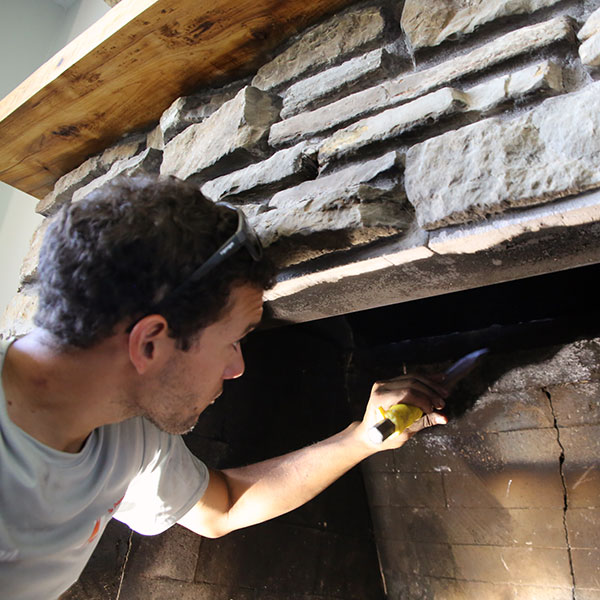
Credit: www.chimneyspecialistsinc.com
Types Of Fireplace Cracks
Fireplaces can develop cracks over time. These cracks vary in size and type. Understanding the types helps determine their safety and repair needs. Some cracks are harmless, while others signal serious problems.
Hairline Cracks
Hairline cracks are very thin and often appear on the surface. They usually form due to heat changes and normal wear. These cracks do not affect the fireplace’s structure. They are common and rarely dangerous. Still, monitoring them is important to catch any changes early.
Structural Cracks
Structural cracks are wider and deeper than hairline cracks. They often run through the bricks or mortar joints. These cracks can weaken the fireplace and chimney. Structural cracks may cause leaks or allow smoke into the home. They need immediate inspection and repair by a professional.
Surface Cracks
Surface cracks appear on the outer layer of the fireplace. These cracks affect only the finish or paint. They do not harm the fireplace’s strength. Surface cracks result from minor settling or temperature shifts. Repairing them keeps the fireplace looking good and prevents further damage.
Credit: www.reddit.com
Causes Of Fireplace Cracks
Cracks in a fireplace are common and can happen for different reasons. Understanding these causes helps you know if the cracks are dangerous or just normal wear. Some cracks are due to how the fireplace works with heat. Others come from how it was built or how old it is. Let’s look at the main causes of fireplace cracks.
Thermal Expansion And Contraction
Fireplaces heat up and cool down often. This causes materials to expand and shrink. Over time, this movement can make small cracks appear. These cracks are usually normal and happen because of heat stress. Still, big or growing cracks need attention.
Poor Construction Or Materials
Some fireplaces crack because they were not built well. Using cheap or wrong materials can cause weak spots. Poor construction can make the fireplace unsafe. Cracks from bad building may grow faster and cause damage.
Age And Wear
Old fireplaces often show cracks from years of use. Materials break down slowly over time. Weather and daily heating add to the wear. These cracks can be harmless or signal the need for repair. Regular checks help keep an old fireplace safe.
Risks Linked To Fireplace Cracks
Cracks in a fireplace are more than a simple cosmetic issue. They can lead to serious safety risks that affect your home and health. Understanding these risks helps you take quick action to protect your family and property.
Fire Hazards
Cracks in the fireplace can let heat escape to nearby wood or other materials. This increases the chance of a fire starting outside the fireplace. Sparks and embers can also pass through cracks, landing on flammable surfaces. Small cracks can quickly turn into larger ones, making the risk worse.
Carbon Monoxide Leaks
Fireplace cracks can allow dangerous gases to enter your home. Carbon monoxide is a colorless, odorless gas that can cause serious health problems. It can build up in your living space without warning. Even small cracks create a pathway for this toxic gas to escape into your house.
Structural Instability
Cracks can weaken the fireplace’s structure over time. This may cause parts of the fireplace to shift or collapse. A weakened structure is unsafe to use and can lead to costly repairs. Ignoring cracks could endanger your home’s foundation and walls too.
When To Call A Professional
Cracks in a fireplace can sometimes be harmless. Other times, they signal a bigger problem. Knowing when to call a professional helps keep your home safe. Experts can find hidden dangers and fix them properly. This section explains key signs and what to expect during an inspection. It also outlines common repair options offered by professionals.
Signs Of Serious Damage
Look for wide or deep cracks in the fireplace walls. Cracks that grow larger over time are a warning. Check for loose bricks or crumbling mortar. Dark stains or soot outside the firebox may mean smoke leaks. A smoky smell inside your home is another red flag. Strange noises during use can also suggest damage.
Inspection And Assessment
A professional will examine the entire fireplace structure. They check the chimney, firebox, and surrounding areas. Tools like cameras or flashlights help find hidden cracks. The expert measures crack size and depth. They also assess if cracks affect safety or heat efficiency. After inspection, they explain the severity and next steps clearly.
Repair Options
Minor cracks might only need sealing or patching. Larger cracks often require replacing damaged bricks or mortar. Sometimes, a metal liner or new chimney cap is necessary. Professionals use heat-resistant materials for repairs. They ensure the fireplace works safely after fixing. Regular maintenance checks prevent future damage and keep repairs small.
Preventing Fireplace Cracks
Preventing cracks in your fireplace is key to keeping it safe and lasting longer. Cracks can let heat escape and cause damage. Simple steps help avoid these problems and save money on repairs.
Regular Maintenance
Check your fireplace often for small cracks or damage. Clean out ashes and soot to stop buildup. Inspect the chimney for blockages and wear. Fix minor cracks early before they grow bigger.
Proper Use Of Fireplace
Burn only dry, seasoned wood to reduce stress on your fireplace. Avoid burning trash or wet wood that creates extra heat and moisture. Never overload the fireplace with too much wood. Keep the fire small and steady for even heat.
Quality Materials And Installation
Use fire-resistant bricks and mortar designed for high heat. Poor materials break down faster and crack easily. Hire a skilled professional for installation to ensure strong, safe construction. Proper setup helps prevent cracks and keeps your home safe.

Credit: www.reddit.com
Frequently Asked Questions
What Causes Cracks In A Fireplace?
Cracks in a fireplace usually happen because of heat expansion and cooling. Over time, materials like bricks and mortar can weaken and crack. Poor construction or settling of the house can also cause cracks.
Are Small Fireplace Cracks Safe To Ignore?
Small cracks are often normal and may not be dangerous at first. But they can grow larger and cause problems later. It’s best to watch them closely and get a professional opinion if they change.
Can Fireplace Cracks Lead To Fire Hazards?
Yes, cracks can let heat or sparks escape, which may cause fires. They can also allow harmful gases like carbon monoxide to leak inside. Fixing cracks quickly helps keep your home safe.
How Can I Repair Cracks In My Fireplace?
Small cracks can be filled with heat-resistant mortar or fireplace cement. Larger cracks might need a professional to fix the structure. Regular maintenance helps prevent bigger damage over time.
When Should I Call A Professional For Fireplace Cracks?
Call a professional if cracks are wide, deep, or growing quickly. Also get help if you see smoke leaks, unusual odors, or damage to the chimney. Early repair saves money and keeps your home safe.
Conclusion
Cracks in a fireplace can be risky if ignored. Small cracks might seem harmless but can grow over time. This can lead to heat escaping or even fire hazards. Regular checks help catch problems early. Repairing cracks quickly keeps your home safe and warm.
Always trust a professional for inspections and fixes. Stay alert and don’t wait for damage to worsen. Your safety matters most with any fireplace issues.