
Choosing the right material for your vacuum chamber can make all the difference in your project’s success. Are you torn between aluminum and stainless steel but unsure which one fits your needs best?
You’re not alone. Both materials have unique strengths that can impact performance, durability, and cost. You’ll discover the key differences that matter most, helping you make a smart, confident decision. Keep reading to find out which option will give your vacuum chamber the edge you’re looking for.
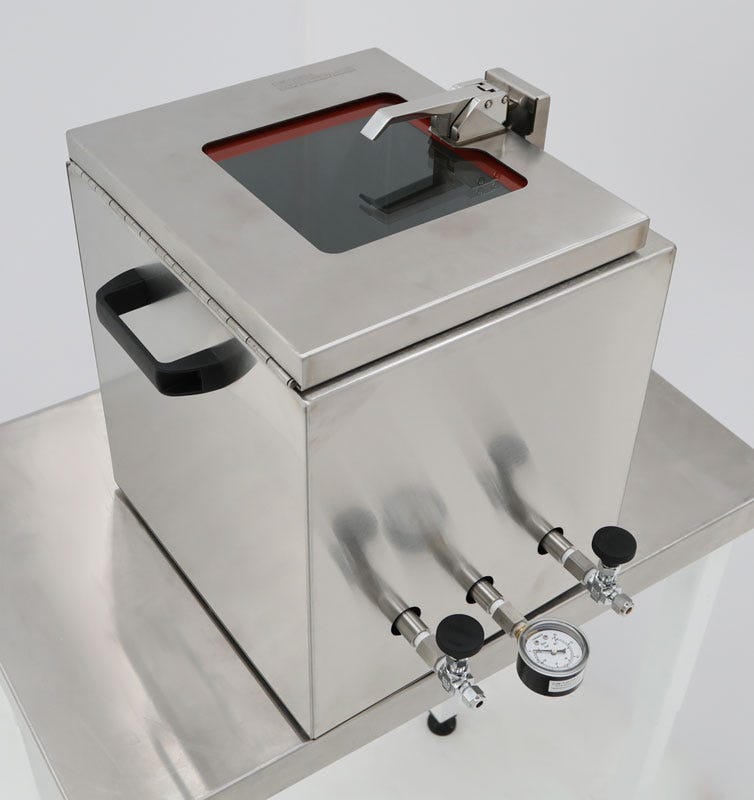
Credit: www.terrauniversal.com
Material Properties
The choice between aluminum and stainless steel for vacuum chambers depends heavily on their material properties. Each metal has unique traits that affect performance and application. Understanding these properties helps in selecting the right material for specific needs.
Strength And Durability
Stainless steel offers higher strength than aluminum. It withstands heavy loads and mechanical stress better. This durability makes it ideal for long-lasting vacuum chambers. Aluminum, while less strong, still provides good durability for lighter applications.
Corrosion Resistance
Stainless steel resists corrosion very well. It handles moisture and chemicals without rusting. Aluminum also resists corrosion but can oxidize over time. This oxide layer protects it but may affect surface finish.
Thermal Conductivity
Aluminum has excellent thermal conductivity. It transfers heat quickly, which helps in temperature control. Stainless steel conducts heat slower. This property suits processes needing slow temperature changes.
Weight Considerations
Aluminum is much lighter than stainless steel. This reduces overall weight and eases handling. Stainless steel’s heavier weight adds strength but can increase transport costs. Weight choice depends on chamber size and mobility needs.
Manufacturing And Fabrication
Manufacturing and fabrication play a key role in choosing between aluminum and stainless steel vacuum chambers. The process affects cost, quality, and lead time. Each material has unique traits that impact how it is shaped and joined. Understanding these differences helps in selecting the right chamber for your needs.
Ease Of Machining
Aluminum is softer and easier to machine than stainless steel. It cuts faster and requires less tool wear. This reduces production time and cost. Stainless steel is harder and tougher. It demands specialized tools and slower cutting speeds. Machining stainless steel takes more effort but results in a strong, durable surface.
Welding And Joining Techniques
Welding aluminum requires careful handling to avoid warping. It uses techniques like TIG or MIG welding with specific filler materials. Stainless steel welds well and forms strong joints. It resists cracks and corrosion at the weld points. Both metals need skilled welders to ensure airtight, reliable vacuum chambers.
Surface Finishing Options
Aluminum offers smooth finishes with anodizing for extra protection. It also accepts painting and powder coating easily. Stainless steel naturally resists rust and can be polished to a mirror shine. It can also be passivated to improve corrosion resistance. Surface finishing enhances vacuum chamber durability and appearance.
Vacuum Performance
Vacuum performance is crucial for any vacuum chamber. It affects how well the chamber keeps air and moisture out. Both aluminum and stainless steel have strengths and weaknesses in this area. Understanding these helps choose the right material.
Outgassing Characteristics
Outgassing means gases released from the chamber’s surface inside. Aluminum tends to outgas more than stainless steel. This can slow down the vacuum process. Stainless steel has a tighter surface that releases fewer gases. Less outgassing means better vacuum stability over time.
Leak Tightness
Leak tightness is how well a chamber prevents air from entering. Stainless steel chambers often have better welds and seals. This makes them less likely to leak. Aluminum can be more prone to tiny leaks due to its softness. A tight seal is vital for maintaining a strong vacuum.
Cleanliness And Contamination
Cleanliness inside the chamber affects the vacuum quality. Stainless steel is easier to clean and resists corrosion. It does not react much with chemicals or air. Aluminum can corrode or oxidize, causing contamination. Clean surfaces help maintain a pure vacuum environment.
Cost And Availability
Cost and availability play a big role in choosing between aluminum and stainless steel vacuum chambers. These factors affect project budgets and timelines. Understanding them helps make smart decisions.
Raw Material Costs
Aluminum usually costs less than stainless steel. Its price depends on market demand and mining supply. Stainless steel is pricier due to alloying elements like chromium and nickel. These metals increase strength but raise costs.
Aluminum’s lighter weight means less material use. This can reduce overall expenses. Stainless steel’s durability often justifies its higher raw material price in certain cases.
Fabrication Expenses
Aluminum is easier to machine and weld. This lowers fabrication costs and shortens production time. Stainless steel requires special tools and skills. Welding stainless steel is more complex and costly.
Surface finishing also differs. Aluminum often needs anodizing or painting. Stainless steel usually requires polishing or passivation. These steps add to fabrication costs depending on the chosen metal.
Lead Times And Supply
Aluminum is widely available and easier to source. Suppliers often have it in stock. This leads to shorter lead times for delivery and production.
Stainless steel availability varies by grade and demand. Some grades may have longer wait times. This can delay projects needing quick turnaround.
Choosing the right metal depends on balancing cost, availability, and project needs.
Applications And Suitability
Choosing between aluminum and stainless steel vacuum chambers depends on the specific use and environment. Each material offers unique benefits for different settings. Knowing their applications helps select the right chamber for your needs.
Laboratory Use
Aluminum chambers are common in labs due to their light weight. They are easy to move and install. Stainless steel chambers offer better resistance to chemicals and corrosion. Labs that work with reactive gases prefer stainless steel. Both materials support precise vacuum conditions needed for experiments.
Industrial Applications
Industries use vacuum chambers for coating, drying, and testing. Stainless steel is favored for heavy-duty use and durability. It withstands rough handling and harsh chemicals. Aluminum suits industries needing lighter equipment and faster production. Its lower cost makes it popular for large-scale projects.
High-temperature Environments
Stainless steel excels in high heat settings. It maintains strength and shape under extreme temperatures. Aluminum may warp or weaken when hot. High-temperature processes like heat treatment or metal coating usually need stainless steel. It ensures safety and performance without failure.
Custom Design Flexibility
Aluminum is easier to shape and machine. Custom designs can be created faster and at lower cost. Stainless steel requires more effort and expense to modify. Complex shapes and large sizes are possible with both metals. The choice depends on budget and design needs.

Credit: szlksemi.com
Maintenance And Longevity
Maintenance and longevity are key factors when choosing between aluminum and stainless steel vacuum chambers. Both materials have strengths and weaknesses that affect their lifespan and upkeep. Understanding these differences helps you pick the best option for your needs.
Corrosion And Wear Over Time
Aluminum can corrode if exposed to moisture or harsh chemicals. Its surface may wear faster under constant use. Stainless steel resists corrosion better. It stays strong and shiny longer, even in tough environments. This resistance helps stainless steel maintain vacuum integrity over time.
Repairability
Aluminum is easier to repair. It can be welded and reshaped without much trouble. Stainless steel repairs need special tools and skills. Fixing stainless steel can take more time and cost more. Both materials can be restored, but aluminum allows quicker fixes.
Cleaning Requirements
Aluminum surfaces need gentle cleaning to avoid damage. Harsh cleaners can cause pitting and discoloration. Stainless steel handles stronger cleaning agents well. It resists stains and buildup better. Regular cleaning keeps both materials working efficiently and extends their life.
Environmental Impact
The environmental impact of vacuum chambers matters a lot. Choosing between aluminum and stainless steel affects the planet. Each material has different effects on resources and pollution. Understanding these differences helps make better choices for the environment.
Recyclability
Aluminum is highly recyclable and keeps its quality after recycling. Recycling aluminum saves energy and reduces waste. Stainless steel also recycles well but needs more energy to process. Both metals help reduce landfill waste but aluminum has an edge in recycling efficiency.
Energy Consumption In Production
Making aluminum uses less energy than stainless steel. Aluminum production creates fewer greenhouse gases. Stainless steel requires more energy due to its complex composition. Lower energy use means less pollution and a smaller carbon footprint.
Sustainability Factors
Aluminum comes from abundant ore but mining impacts the land. Stainless steel uses more raw materials and energy but lasts longer. Longer life means less need to replace and less waste. Both metals can be sustainable if recycled and used wisely.
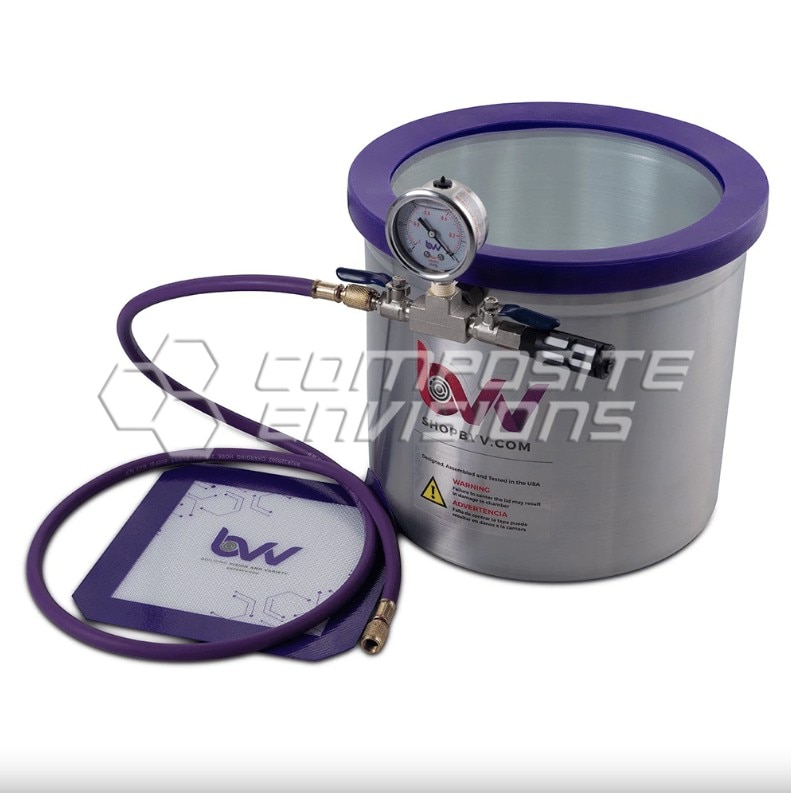
Credit: www.compositeenvisions.com
Frequently Asked Questions
What Are The Main Differences Between Aluminum And Stainless Steel Vacuum Chambers?
Aluminum chambers are lighter and easier to machine. Stainless steel offers better strength and corrosion resistance. Each suits different vacuum needs.
Which Vacuum Chamber Material Is Better For High Vacuum Applications?
Stainless steel usually performs better in high vacuum environments. It has lower outgassing and better durability under pressure.
How Does The Cost Of Aluminum Compare To Stainless Steel Chambers?
Aluminum vacuum chambers are generally cheaper to produce. Stainless steel tends to cost more due to material and fabrication complexity.
Is Aluminum Vacuum Chamber Good For Corrosive Environments?
Aluminum is less resistant to corrosion than stainless steel. Stainless steel is preferred for harsh or corrosive settings.
Which Vacuum Chamber Material Cools Down Faster?
Aluminum cools down faster because it has higher thermal conductivity. Stainless steel retains heat longer.
Can Aluminum And Stainless Steel Chambers Be Used Interchangeably?
Not always. Each material suits different vacuum levels and environmental conditions. Choice depends on specific application needs.
What Maintenance Differences Exist Between Aluminum And Stainless Steel Chambers?
Aluminum chambers may require more frequent cleaning to prevent oxidation. Stainless steel is easier to maintain and resists rust better.
Conclusion
Choosing between aluminum and stainless steel vacuum chambers depends on your needs. Aluminum is lighter and easier to machine. Stainless steel offers stronger corrosion resistance and durability. Both materials work well in different settings. Consider your budget, weight limits, and environment.
This helps you find the best fit. Think about how often you will use the chamber too. The right choice improves performance and saves costs. Choose wisely to get the most from your vacuum chamber.