
Using a bike cable lock securely takes under 2 minutes: thread the steel line through your rear wheel, through the closed frame triangle, and around an immovable street post before clicking the cylinder shut. This quick method suits quick stops best, like running into a corner bakery where your ride stays in view.
Tools for your bike cable lock
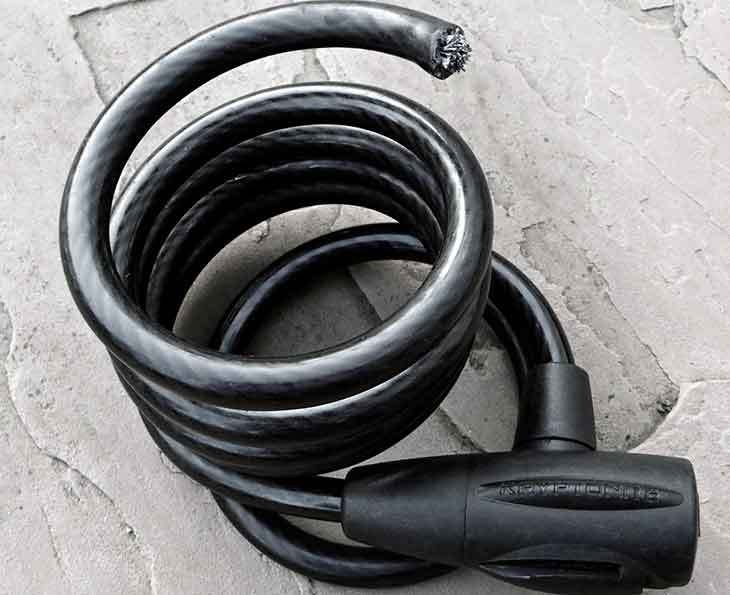
- A steel cable lock (at least 6 feet long and 10 to 12 millimeters thick so it can reach around both wheels).
- The matching key or your memorized 4-digit combination.
- An immovable anchor point, like a cemented city rack or thick steel signpost.
- An optional secondary mini U-lock if you park on busy downtown streets.
A heavy chain works as a sturdy substitute if you run out of cable length, but a thin luggage wire won’t keep your ride safe. If your lock’s cylinder sticks or freezes up, take it to a local bike shop mechanic instead of forcing it with pliers.
Step-by-step
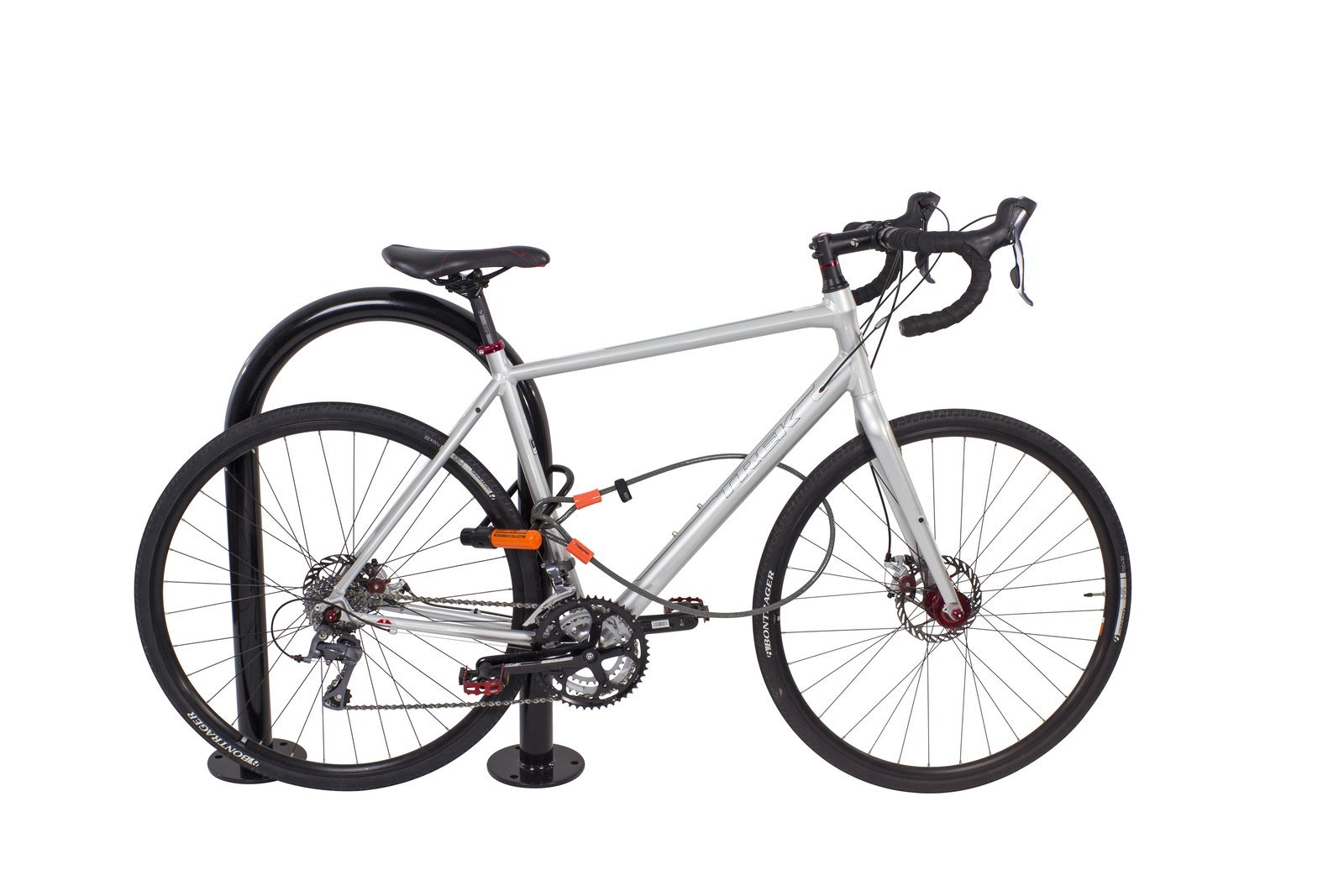
- Roll your bicycle directly against a cemented bike rack so the main frame rests flat against the metal bar.
- Thread the loose end of your 6-foot cable straight through the spokes of your front wheel rim.
- Pull the cable past the front fork and loop it through the center frame triangle near your down tube.
- Wrap the steel line around the cemented rack post at least 2 feet off the ground.
- Loop the remaining cable slack through your rear wheel rim, keeping the line pulled tight against the bike.
- Insert the steel locking pin firmly into the lock head until you hear an audible click.
- Spin the combination dials or turn your key 90 degrees to seal the cylinder shut, then give it a hard tug.
Careful: Never loop the cable solely around your front wheel. Thieves use quick-release levers to pop off a wheel in 5 seconds, which leaves you with a loose tire and costs you an entire bicycle frame.
Tip: Keep the locking cylinder facing down toward the street pavement. That position prevents rain from entering the keyway and keeps tumblers from rusting over the winter months.
If the street pole looks wobbly or loose at its base, stop immediately and find a municipal rack set deep into solid concrete.
Securing Bikes in Common Settings
If you park in a quiet suburb for five minutes, a light wrap works fine; if you leave your bicycle downtown for hours, you must use a rigid metal barrier alongside your line.
| Parking Environment | Time or Hardware Needed | Securing Method | Risk to Watch |
|---|---|---|---|
| Rural / Quiet suburbs | 2 minutes with standard cable | Single loop through frame and one wheel | Untended sheds and dark porches |
| College campus | 4 minutes with cable plus secondary lock | Double wrap through both wheels and seat rail | Handheld wire cutters |
It’s safer to start small and add more hardware to your setup than to overshoot on the first try and carry ten pounds of steel you don’t need.
How to tell you did it right
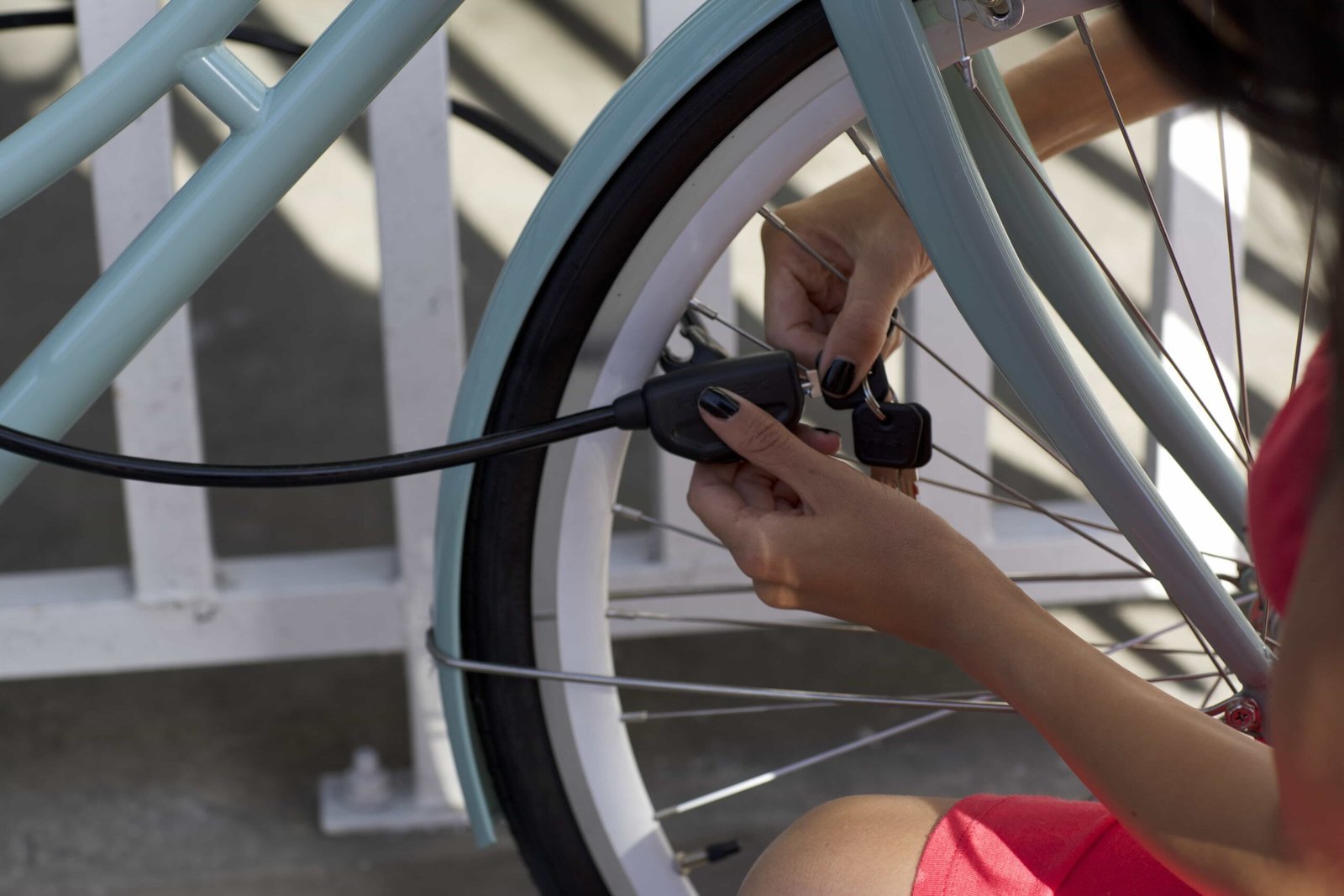
A secure job keeps your bicycle standing upright with zero slack touching the concrete floor. A poor job leaves large, hanging loops that give thieves plenty of space to slide in manual bolt cutters. Handheld snips slice thin cables quickly because loose wire strands flatten out easily between sharp blades. Check the cylinder connection with two hands before you walk away: give the cable a sharp yank toward your chest. If the lock shifts sideways or rattles against the anchor bar, unhook the line and wrap it around the post a second time.
Rules for Parking and Storage
The trade-off with lightweight cables is pure convenience versus lower cutting resistance. Municipal codes often regulate where you leave personal property, and the CPSC bicycle safety standards require bikes to have functioning brakes and reflectors before hitting public streets. Never secure your bicycle to trees, fire hydrants, or handicap access ramps, or city crews will cut your gear off immediately.
Clear road grime and street salt from your locking mechanism regularly. Spray dry graphite powder into the keyway to keep tumblers turning smooth. A basic wire line protects a budget commuter for short daytime stops, but this varies by model — check the label for security ratings.
Locking Alternatives for High-Risk Areas
Hardened Steel U-Lock
A solid steel shackle resists hand cutters and small pry bars. It cuts down your locking reach around wide trees, but it raises your security on university sidewalks dramatically.
Heavy-Duty Security Chain
Thick square-link chains offer enough reach to lock two bikes together at once. Carrying that extra metal adds several pounds to your backpack, but it stops casual thieves with wire snips.
Folding Steel Bar Lock
Rivet-linked metal plates fold up compact into an attached bottle cage bracket. This style takes thirty seconds longer to unfold, yet it gives you rigid strength without taking up rack space.
Frequently asked questions
Can bolt cutters cut a bike cable lock?
Yes, basic manual bolt cutters can slice through a standard braided cable lock within seconds. Thieves use the ground for extra leverage to crush the flexible wire strands. Because wire snips cut flexible lines quickly, never rely solely on a thin cable in high-theft downtown areas.
How long can you leave a bike locked with a cable?
Under thirty minutes is the safest limit for a flexible cable lock during broad daylight. Leaving your frame protected only by wire overnight invites theft on quiet public streets. If you plan to leave your bicycle for hours at work, switch to a solid metal shackle.
Is it safe to lock a bike by the wheel?
No, locking only a wheel makes your frame an easy target for quick-release theft. A thief unlatches the wheel lever in seconds, leaves the tire chained to the pole, and walks away with the frame and components. Always loop your line through the main center frame triangle first.
Why did my bike lock get stuck?
Road dust, salt, and rainwater wash inside the keyway and corrode internal brass tumblers. Dirt prevents lock pins from dropping into alignment when you insert your key. You can spray dry Teflon or graphite lube directly into the keyhole to free frozen pins without breaking your key.
What happens if I forget my cable lock combination?
You must cut the cable with a saw or contact a mobile locksmith to remove your ride. There’s no master reset button on a closed combination cylinder once the code slips your mind.
Final Thoughts
Keep in mind that cables aren’t invincible against heavy-duty tools, so consider adding a sturdy U-lock for longer outings. You’ll feel much more confident leaving your bike unattended once you’ve layered your security. It’s a small investment that’ll save you from a major headache later on.