
To drift a dirt bike, weight your outside footpeg, drop the bike beneath your torso, and snap the throttle open in second gear to break rear-wheel traction.
How to drift your dirt bike
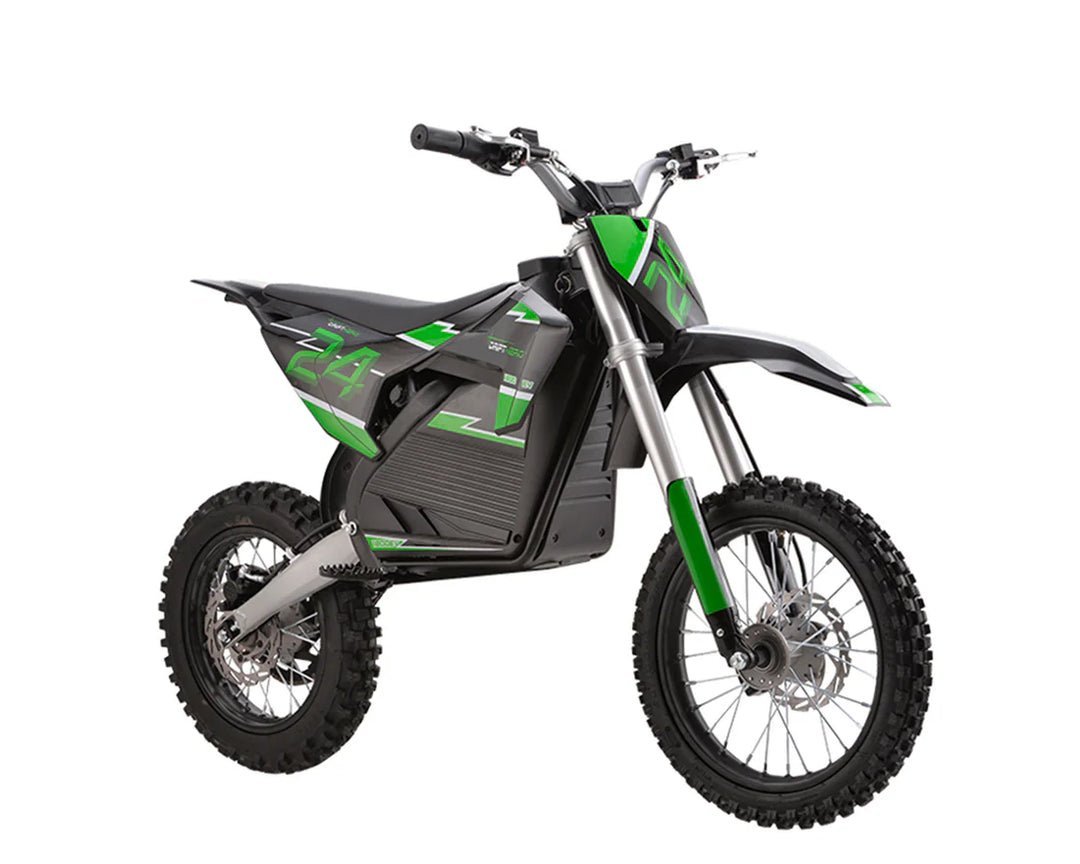
A dirt bike drift, often called a power slide or flat track slide, is a controlled loss of rear-wheel traction around a corner. Riders use it on flat, open terrain to change direction quickly without relying on a dirt berm. The technique is built for intermediate trail and track riders on loose dirt or hard-packed clay.
The biggest myth is that steering with your handlebars creates the slide. In reality, a spinning rear tire pushes the back end out sideways, while counter-steering simply keeps the front wheel tracking along your chosen line. When you twist the throttle sharply, wheel speed overcomes the dirt’s friction limit, making the tire slip.
The basic method
Run through these numbered steps on a flat, empty dirt field free of rocks, trees, and other vehicles.
- Approach the corner in second gear at roughly 15 mph while standing on the pegs.
- Brake with both levers about 10 feet before the turn to slow down to roughly 10 to 12 mph.
- Slide your body forward onto the front curve of the seat as you enter the corner, placing your chest near the handlebars.
- Press 80 percent of your body weight down through your outside footpeg while keeping your outside knee tight against the fuel tank.
- Extend your inside leg straight forward toward the front axle, keeping your boot sole hovering about 3 inches above the dirt.
- Tip the motorcycle into the turn while keeping your upper torso upright and centered above the frame.
- Open the throttle smoothly by about one-third of a turn to spin the rear wheel, then counter-steer gently into the direction of the slide to catch it.
The main judgement call happens the moment the rear tire breaks loose. If the rear steps out too far, ease off the throttle slightly without shutting it completely; if the rear snaps back into line, roll on more throttle to keep the slide moving. If you lose control and the tire grips suddenly, it can throw you sideways into a high-side crash, so professional off-road coaching from a certified trainer is best if you struggle with clutch control.
Key numbers and settings at a glance
Slide control depends heavily on your gear selection, approach pace, and surface type.
What separates good results from bad ones
Body position and peg pressure
Riders who slide cleanly keep their upper bodies vertical while shoving the bike down beneath them. A common mistake is leaning your torso at the exact same angle as the motorcycle frame; this dumps all your weight to the inside edge, which washes out the front tire and causes an immediate low-side drop that bends shift levers and handlebars. Keeping your weight on the outside peg drives the tire knobs into the dirt for lateral support. Slide forward until your groin touches the gas cap. Sitting back unweights the front forks, stripping the front tire of steering traction right when you need it most.
Throttle modulation and counter-steer
Smooth riders crack the throttle open decisively, then hold an even engine tone through the arc of the turn. Chop the throttle shut mid-slide, and the rear tire will suddenly hook up with the dirt, kicking the suspension up hard. You accept a clear trade-off here: spinning the tire keeps the bike predictable and upright, but it burns through rear tread life quickly. Keep your arms relaxed, and let the front wheel steer slightly toward the outside of the turn on its own.
Common problems and quick fixes
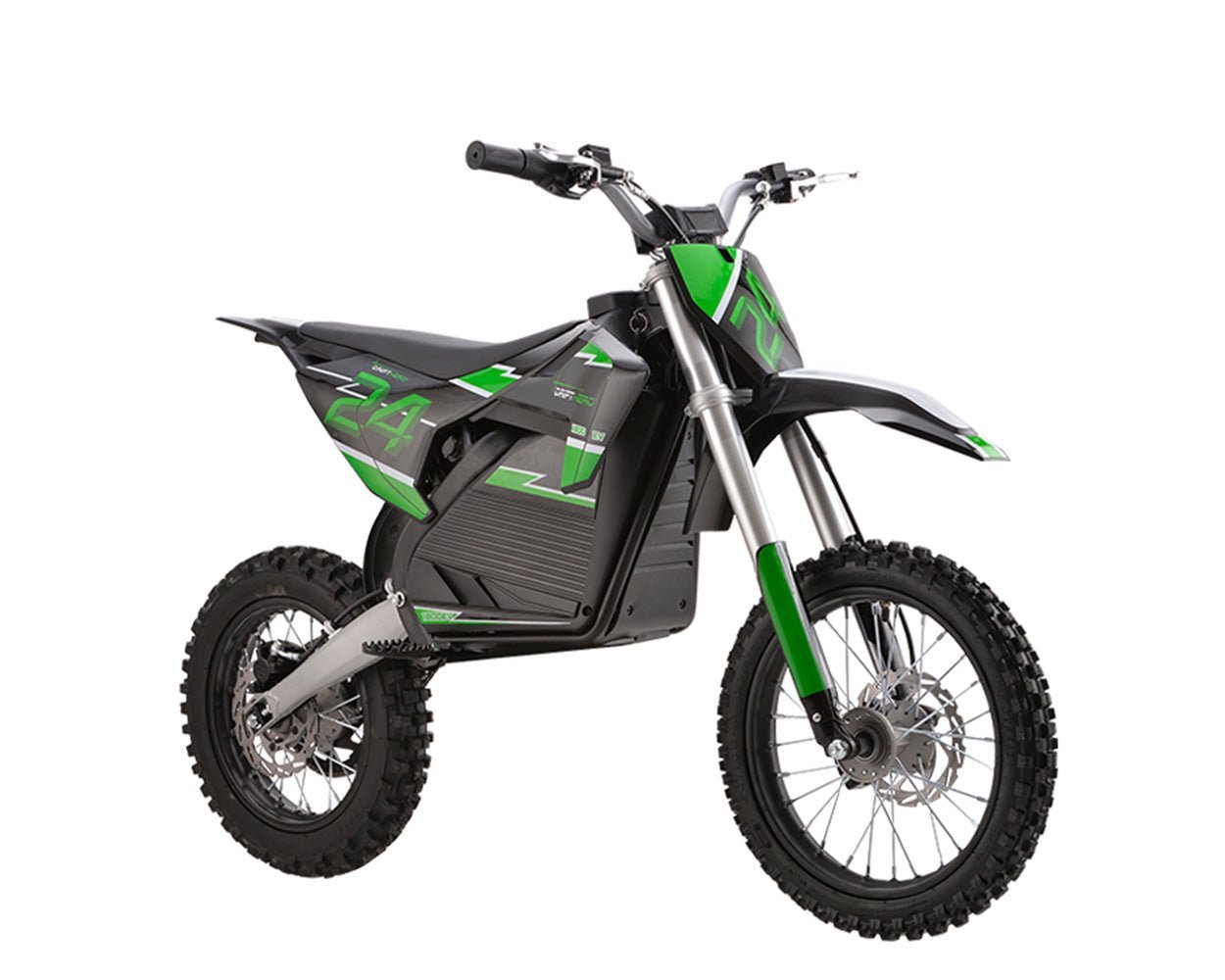
Use this troubleshooting guide when the bike refuses to break traction or behaves unpredictably.
| What you notice | What it usually means | What to do first |
|---|---|---|
| Bike stands up and drives straight | Upper body is leaning too far to the inside | Push the bike down while staying upright |
| Front wheel washes out sideways | Sitting too far back on the seat | Slide your hips forward against the gas cap |
| Engine bogs down and turn stalls | Gear selection is too high or RPM is low | Downshift one gear before tipping the bike in |
| Rear tire violently snaps back | Throttle was chopped shut mid-corner | Keep steady throttle until the bike straightens |
Safety equipment and field rules
Drifting a motorcycle carries genuine fall risks that demand certified protective gear. The Consumer Product Safety Commission off-highway vehicle guidelines point out that off-highway vehicle injuries occur frequently when riders lack proper safety apparel, especially helmets. Always ride with an off-road helmet rated under DOT or ECE 22.06 standards, along with rigid motocross boots that prevent ankle hyper-flexion.
Never practice power sliding on public roads, shared hiking trails, or near campground access lanes. Most state recreation departments and the Bureau of Land Management require off-highway vehicles to operate solely within designated trail systems, often mandating an approved spark arrestor installed inside the exhaust muffler. If you’re learning slides near populated areas, land managers can issue fines for reckless trail damage or noise violations.
Post-ride bike maintenance
Spinning the rear tire over hard surfaces puts high mechanical strain on your drive line. Once you finish a drift session, set the bike on a central stand and inspect your chain slack. Aggressive sliding flexes the swingarm and stretches the drive chain faster than normal trail cruising. When the chain drops below your swingarm guide limits, loosen the rear axle nut and adjust your tensioner bolts evenly.
Check your rear tire for torn or rounded center knobs, which show up quickly after sliding across hard ground. Scrub grit from your fork seals using a soft seal cleaner, because thrown roost from the spinning tire collects around the front stanchions.
When to use a different approach
Power sliding isn’t for complete beginners who are still working out basic clutch bite points. It’s also the wrong choice on heavily bermed motocross corners; in a deep dirt berm, you should sit back slightly, carry momentum along the raised rim, and let the bank support the bike without spinning the tire.
Never try this technique on wet paved asphalt or dry public roads. Asphalt offers high grip that snaps sideways motion back into a violent roll over, risking severe injury and wrecked frame components. Keep drifting limited to open dirt tracks or flat off-road clearings.
Frequently asked questions
Can you drift a dirt bike using the rear brake?
Yes, tapping the rear brake initiates a brake slide, but that only helps you square off a corner at low speeds. A true sustained drift requires constant engine power and rear-wheel spin rather than locking up the brake rotor.
Why does my bike jerk upright when I give it gas?
You’re likely leaning your torso down with the bike instead of keeping your chest upright. Weighting the outside peg forces the side knobs to grip the soil, which lets the rear swing around smoothly instead of pushing the frame back vertical.
Is drifting bad for your dirt bike engine?
No, standard drifting won’t harm your engine if you avoid bouncing off the rev limiter for extended periods. It does heat up the engine oil and wear down rear tire tread faster, which means you should replace fluids according to your manual.
What gear is best for drifting?
Second gear is best on standard 250cc and 450cc four-stroke bikes because it provides strong torque without stalling easily. First gear produces too much sudden torque that loops the bike, while third gear often bogs the motor on flat dirt.
What happens if I let off the throttle mid-slide?
The rear tire will grip the dirt abruptly and violently snap the motorcycle straight, often bucking you over the high side. Maintain smooth, consistent engine throttle until you straighten the handlebars to exit the turn.
Final Thoughts
Finding that perfect balance takes plenty of practice, so don’t get discouraged if you slide out a few times. Head to an open, flat field where you’ve got plenty of room to experiment safely. You’ll eventually find the rhythm, and it won’t be long before you’re carving corners with total confidence.