
Removing the seat from mobility scooter hardware takes under 60 seconds on standard models, costs nothing, and is an easy task that needs care only for your back. You must have a clear, flat surface before starting so the scooter won’t roll away while you work. This varies by model — check the label or manual for your scooter’s exact release latch style.
What you need
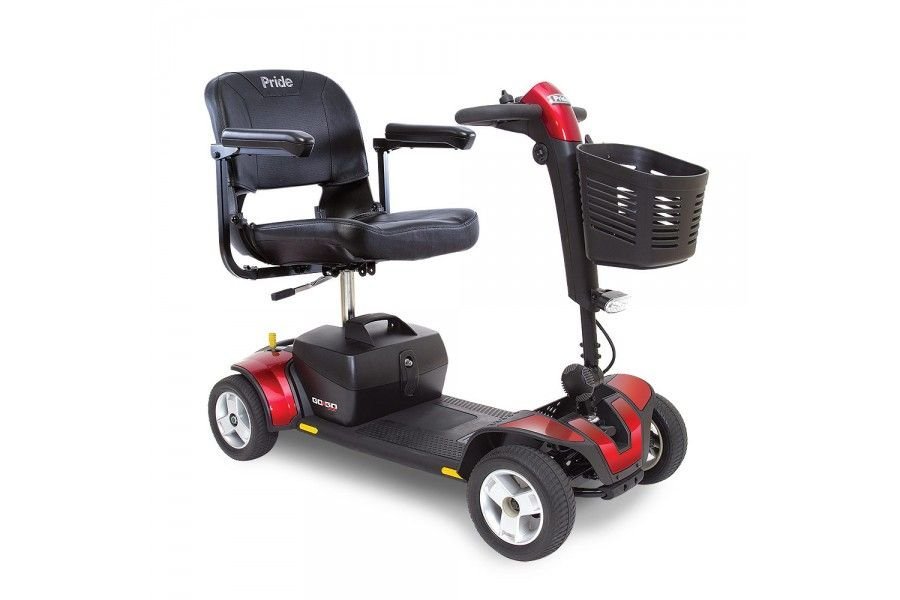
| Item | How much | Why it’s needed | A substitute |
|---|---|---|---|
| Flat ground | 6 feet of open space | Keeps scooter stable during lift | Driveway or level garage floor |
| Work gloves | 1 pair clean gloves | Improves grip on slick vinyl | none — don’t swap this |
| Helper | 1 person on standby | Prevents back strain from heavy seats | none — don’t swap this |
| Clean rag | 1 dry cloth | Wipes grime off seat post | Clean paper towel |
| Penetrating oil | 1 short spray burst | Frees stuck seat posts | none — don’t swap this |
Before you start
- Turn off the scooter key switch and pull the key out of the ignition completely.
- Verify the parking brake is set or the freewheel lever sits firmly in drive position.
- Fold the seat backrest forward until it rests flat against the bottom cushion.
- Unplug any power accessory cords, like seat heaters or power recline cables, running underneath.
- Skipping the power check causes most trouble: if the scooter jolts, you can lose balance. If your unit uses a powered lift system wired into the main motor controller, stop here and call an authorized medical equipment technician.
Step by step
- Switch off the scooter’s key ignition and place the key in your pocket so the unit can’t move. Confirm the digital screen or battery light goes completely dark before touching the seat base.
- Flip the armrests up, or unscrew the rear armrest knobs counterclockwise 5 full turns and slide the armrests out to drop seat weight. You’ll know it worked when the sides pull free cleanly.
- Fold the backrest completely forward against the lower cushion until it clicks flat. The unit is ready when the back can’t swing open while you lift.
- Stand directly behind the scooter with feet shoulder-width apart to protect your spine. If you have lower back pain, don’t lift alone; have your helper take one side while you take the other.
- Reach under the right side of the cushion and pull the seat swivel lever upward. You’ll hear an audible release click as the internal locking pin slides out of the seat post hole.
- Swivel the seat 45 degrees left or right while holding the release handle up. The seat is unlocked when it spins smoothly past its normal riding stops without catching.
- Grab the seat base firmly with both hands at the front edge and rear metal bracket. Check that your palms have a solid grip on the structure rather than just loose plastic trim.
- Lift the seat straight up toward the sky using your legs, not your waist. The seat will slide off the post; you’ll feel the whole 20 to 35-pound assembly leave the frame.
- Place the removed seat down on a clean, flat indoor surface with the metal pin pointing downward. The post pin shouldn’t rest against gravel or dirt where it can collect debris.
How to know it worked
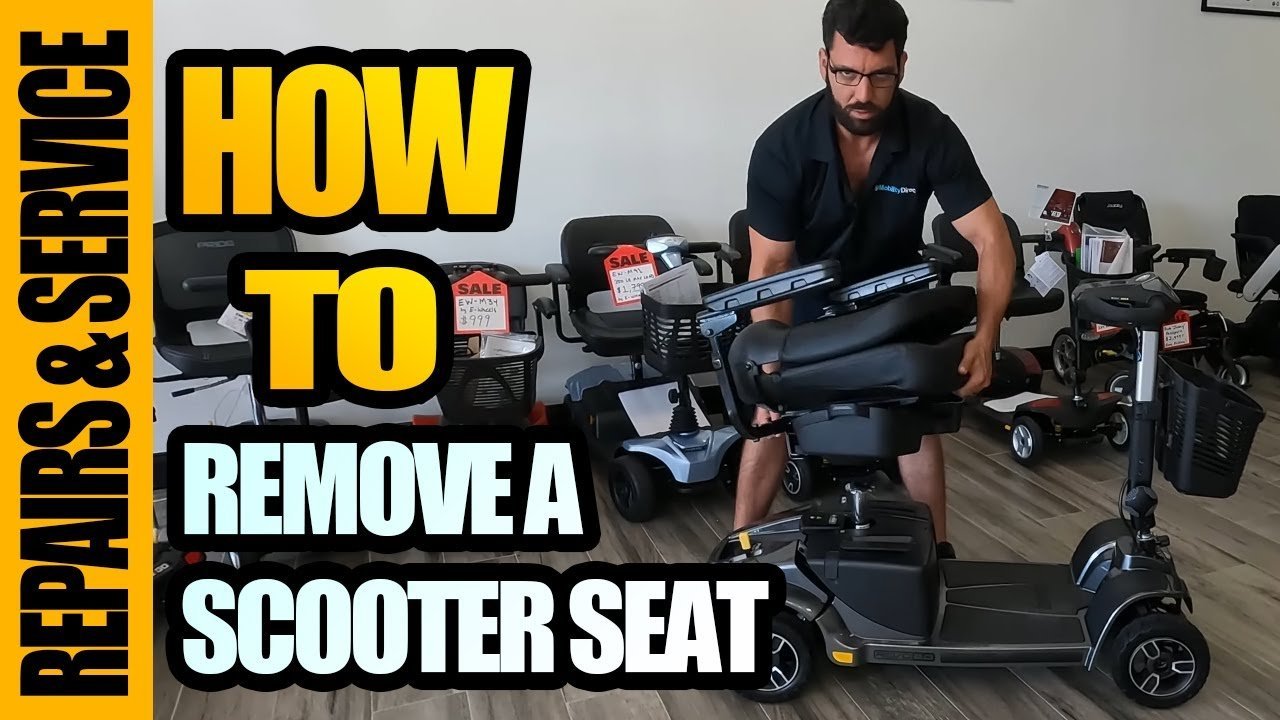
The seat is fully detached when the post base underneath separates completely from the scooter frame with no dragging cables. Look down at the exposed receiver tube on the scooter floor: you should see a clear, round metal socket without snapped hardware or twisted wiring harnesses. The underside of your seat will show a clean, solid post with its cross-pin intact. If the post binds halfway or tilts sideways in the sleeve, stop pulling. It needs a second round of swivel-lever wiggling rather than brute force.
If something goes wrong
| What happened | Why | What to do |
|---|---|---|
| Seat won’t budge | Swivel pin remains engaged inside post | Pull release lever hard while twisting seat |
| Seat post feels frozen | Dirt or rust locked metal surfaces | Spray penetrating oil into seam and wait |
| Armrest strikes the tiller | Tiller locked in upright position | Loosen tiller knob and fold it down |
| Seat wobbles upon reattaching | Pin missed socket lock hole | Rotate seat until latch clicks into place |
| Lever snaps or goes slack | Internal release cable broke free | Call technician to manually release lock pin |
How often to do this
Remove the seat whenever you transport the scooter in a car trunk, which might happen depending on travel habits. If you use the scooter daily outdoors, remove the seat regularly to wipe road grit off the internal swivel post. Two main things change this schedule: frequent rain exposure and your transport setup. Outdoor dampness rusts steel posts fast, requiring frequent cleaning. If you drive a vehicle with a full-size ramp, you don’t need to pull the seat off for transit at all. Following safe lifting practices from the Occupational Safety and Health Administration lifting guide protects your back whenever handling heavy modular parts.
Frequently asked questions
Can I remove the seat by myself?
Yes, if you can lift between 25 and 40 pounds safely without twisting your back. Travel scooter seats come off easily for one person, while heavy-duty bariatric seats weigh much more. If you have mobility limits or spinal injuries, this isn’t for you—ask a helper to lift it.
Why won’t my mobility scooter seat lift off?
The seat swivel lever isn’t fully disengaged, or rust has bonded the metal post to the receiver tube. Pull the swivel lever up, rotate the seat back and forth horizontally to break surface friction, and pull straight upward. Never yank at an angle because the post will bind.
How much does a mobility scooter seat weigh?
Between 20 and 45 pounds depending on seat padding, armrests, and size. Lightweight folding seats with thin foam sit at the low end of that range. Captain’s chairs featuring thick headrests, solid steel mounting plates, and high contours weigh closer to the maximum, making them harder to carry alone.
Is it safe to transport the scooter with the seat off?
Yes, taking the seat off lowers the scooter’s center of gravity and prevents the backrest from snapping in transit. Always secure the removed seat flat in your trunk using tie-down straps. An unsecured seat can fly forward during sudden highway braking and cause severe interior vehicle damage.
What happens if I forget to disconnect the wiring harness?
You’ll rip the electrical plugs directly off the controller circuit board under the base. That mistake costs owners steep replacement wiring bills and delays use for days. Always peer underneath the cushion with a flashlight to verify no battery or light wires attach the seat to the chassis.
Does the seat post need grease after removal?
No, never coat the external post in thick wheel bearing grease because sticky grease attracts road dirt and sand. A light wipe with a dry cloth and a quick spray of silicone lubricant is enough. Thick grease creates a gritty paste that jams the swivel latch over time.
Final Thoughts
Once the seat is off, take a moment to wipe down the exposed frame with a damp cloth to clear away any dust or debris. Keeping these parts clean helps everything slide back into place smoothly whenever you’re ready to reattach it. You’ll find it’s much easier to maintain your mobility aid this way.
Related guides