
So, you’ve just moved into your dream home, and everything feels perfect. Then, you spot it – a tiny crack appearing on your wall.
It’s natural to worry. Is your beautiful new house falling apart? Don’t panic! While a cracked wall can be unsettling, it’s often a normal part of a new house settling. We’ll explain exactly why these cracks happen. You’ll learn what’s normal, what to watch out for, and how to address any concerns you might have about your new home’s integrity.
Let’s dive in and give you the peace of mind you deserve.

Credit: garrattsdamp.com
Settling: The Foundation’s First Steps
New homes settle. This natural process can cause small wall cracks. It’s a normal part of foundation settling.
Settling: The Foundation’s First Steps New houses are alive. They take their first steps. These steps are called settling. The foundation moves a little. This is normal. It is not a sign of a bad house. Settling causes small cracks. We will look at why.Soil Shifts
Ground under the house changes. It is called soil. Soil can expand. It can shrink too. This happens naturally. Water affects soil. Freezing and thawing also impact soil. These changes push the foundation. The house moves slightly. This movement creates stress. Walls can then crack.Moisture Variations
Water is a big factor. Too much rain is bad. Drought is also a problem. Soil absorbs water. It swells. Soil dries out. It shrinks. This cycle is constant. The foundation follows this movement. It is a subtle dance. Cracks appear on walls. These show the stress.Construction Weight
Building a house adds weight. This weight presses down. It compacts the soil. The house settles under its own load. This is a planned part of building. Sometimes, the soil is too soft. It cannot support the weight well. The house sinks a bit more. This causes bigger cracks.Material Matters: The Building Blocks
Building materials are key. They form your home’s structure. Even the best materials can cause cracks. This section explores material issues. We look at common culprits.
Wood Shrinkage
Wood is a natural material. It absorbs and releases moisture. This causes it to expand. It also causes it to shrink. New homes have lots of wood. This wood is often still drying. It shrinks as it dries. This shrinkage puts stress on walls. The stress can create hairline cracks. These appear along seams. They might show up near windows.
Drywall Imperfections
Drywall forms your walls. It comes in large sheets. These sheets join together. Tape and joint compound cover seams. This process requires skill. Imperfect taping causes problems. The tape might not adhere well. The compound may be too thin. Air bubbles can get trapped. These weak spots crack easily. Settling amplifies these issues.
Plaster Issues
Plaster is another wall finish. It is often applied in layers. Each layer must dry completely. Rushing this process is bad. It traps moisture within. This moisture escape causes shrinkage. The plaster pulls away. It cracks from the stress. Old plaster techniques differ. Modern plastering has its own challenges. Both can lead to cracks.
Environmental Factors: The Outside Influence
Even the newest homes face outside forces. Environmental factors play a big role. The world outside affects your walls. It’s not just the house itself. Nature can cause tiny shifts. These shifts can lead to cracks. Let’s explore these outside influences.
Temperature Swings
Houses expand. They also contract. This happens with temperature changes. Hot days make materials grow. Cold days make them shrink. This constant movement stresses walls. Tiny cracks can appear. It’s a natural process.
Humidity Levels
Moisture affects building materials. Wood absorbs water. It swells up. Then it dries out. It shrinks back down. This expansion and contraction causes stress. Dry air can also pull moisture out. This leads to shrinkage. Walls can crack from this.
Tree Roots
Trees are powerful. Their roots grow underground. They seek water. Roots can grow near your foundation. They push against it. This pressure can cause structural issues. Cracks might form in your walls. It’s a slow, steady force.
Credit: gosmartbricks.com
Construction Shortcuts: Rushing The Build
Builders want to finish fast. Speed can cause problems. Cutting corners costs money. It also leads to cracks. Rushing a new house build is common. This is a major reason for wall cracks.
Improper Curing
Concrete needs time to set. This is called curing. Rushing this process weakens it. The concrete dries too fast. It shrinks and cracks appear. This happens in foundations. It also affects concrete walls.
Poor Framing
The house structure needs good framing. Wood or metal studs form walls. Builders may use too few studs. They might not space them right. This makes the frame unstable. Walls sag or bow. Cracks will then show up. This is a serious issue.
Inadequate Support
Walls need proper support. Beams and columns hold weight. Builders may skip necessary supports. They might not use strong enough ones. This puts stress on walls. The walls cannot hold the load. Cracks become inevitable. They can be large and unsightly.
Spotting The Signs: What To Look For
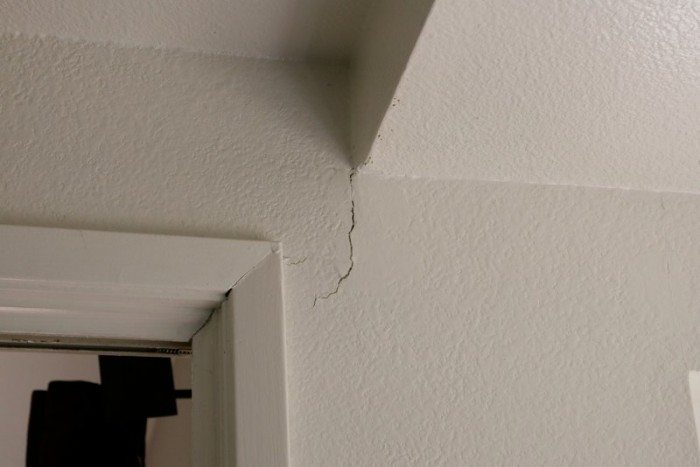
Small cracks may appear. Watch for hairline fractures. These are common.
New houses settle. This settling can cause cracks. It is important to know what to watch for. Early detection helps fix problems. You can spot common crack types. These signs tell a story.Hairline Cracks
These are thin lines. They often appear in plaster. They might show up on drywall too. These are usually minor. They are a normal part of settling.Stair-step Cracks
These cracks look like stairs. They often appear in brickwork. They follow mortar lines. These cracks can be more serious. They might indicate foundation issues.Cracks Around Openings
Look near doors and windows. Cracks can form there. They often go diagonally. These cracks suggest stress. The house structure is shifting.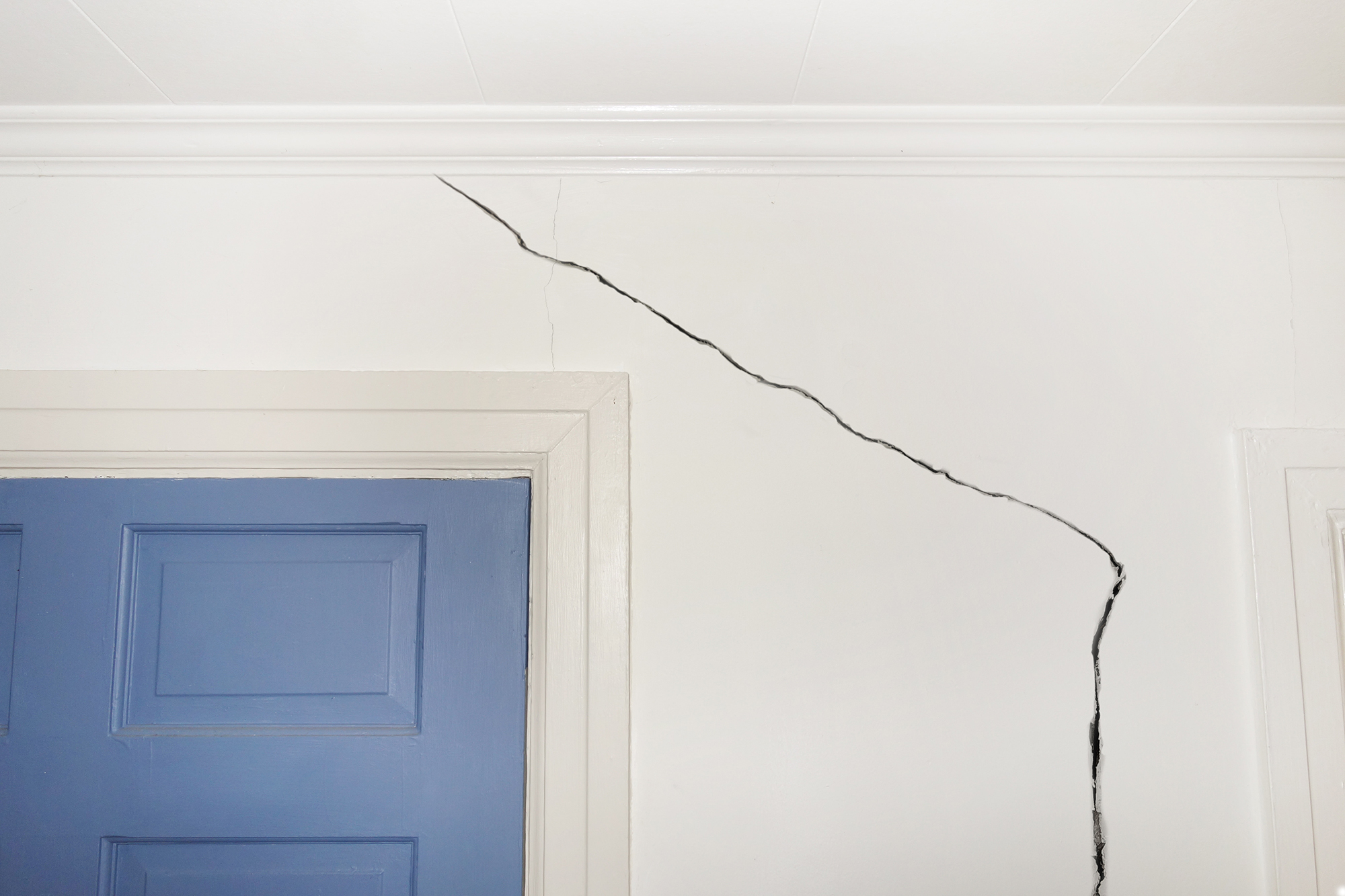
Credit: www.homesandgardens.com
When To Worry: Serious Indicators
Most small wall cracks are normal. They often happen as a house settles. But some cracks signal real trouble. Learn to spot these serious signs. They need your attention right away. Ignoring them can cause big problems.
Wide And Deep Cracks
A crack that is wide is concerning. Is it wider than a pencil? Is it deeper than a hairline? These cracks suggest movement. The wall structure may be stressed. This is not a simple cosmetic issue. It can affect your home’s safety.
Cracks With Misaligned Surfaces
Look closely at the crack edges. Do they line up perfectly? If one side is higher than the other, worry. This means the foundation is shifting. The house is literally moving. This is a serious structural problem. Get a professional inspection fast.
Persistent Water Stains
Water stains around cracks are bad news. They show moisture is getting in. Water can weaken building materials. It can lead to mold growth. This also points to potential foundation issues. Water intrusion is a serious threat. Address it immediately.
Fixing The Flaws: Repairing The Cracks
Cracks can be worrying. But most are fixable. Understanding the repair process brings peace. We look at common solutions. These methods address different crack types. Your home can look great again.
Minor Patchwork
Small cracks are common. They often need simple fixes. You can use spackling paste. Apply it with a putty knife. Smooth it over the crack. Let it dry completely. Sand it smooth. Then, repaint the area. This hides the imperfection. It restores the wall’s finish.
Structural Repairs
Some cracks signal bigger issues. These are often wider cracks. They might run along corners. These need more than patching. You might need reinforcing tape. Mesh tape adds strength. Apply it over the crack. Then, apply joint compound. Build up layers slowly. This provides solid support. It prevents future movement.
Professional Help
When in doubt, call an expert. A professional can assess damage. They know what causes cracks. They offer precise solutions. Contractors have special tools. They ensure lasting repairs. This gives you confidence. Your home’s integrity is key. Professionals handle complex problems.
Frequently Asked Questions
Why Do New Houses Get Wall Cracks?
New houses settle as they dry out. This natural process can cause small cracks. Wood and concrete shrink slightly over time.
Are Small Cracks In New Walls Normal?
Yes, minor hairline cracks are quite common. They often appear in drywall joints or corners. These usually aren’t a sign of major problems.
What Causes Bigger Cracks In New Walls?
Larger cracks can signal foundation shifts. Water damage or poor construction also cause them. Structural issues need prompt attention.
Can I Fix Cracks Myself?
Simple hairline cracks are easy to repair. You can use spackle or joint compound. For bigger cracks, professional help is better.
How Long Does Wall Settling Last?
Settling typically happens in the first year. The rate slows down significantly after that. Most major settling occurs early on.
Does Humidity Affect New House Cracks?
Yes, humidity plays a role. Dry air can cause materials to shrink more. This can lead to new cracks appearing.
When Should I Worry About Wall Cracks?
Worry if cracks are wide or growing. Diagonal cracks are also concerning. Look for doors or windows that stick.
Conclusion
Cracks happen in new homes. Settling causes many small lines. These are usually not a big worry. Keep an eye on them. Your builder can help. They know how to fix them. Enjoy your new house.