
You’ve probably noticed them – those little holes that seem to pop up on your walls out of nowhere. One day, your walls are smooth and perfect, and the next, you’re staring at tiny imperfections.
It’s frustrating, right? You might be wondering what’s causing them and if it’s a big problem. Don’t worry, you’re not alone, and understanding these mysterious wall holes is easier than you think. Keep reading to discover the common culprits and how you can fix them, restoring your home’s flawless look.
Unexplained Wall Blemishes
Small wall holes can appear without warning. These unexplained blemishes might worry homeowners. Discover the common causes behind these mysterious spots.
You notice small holes. They appear on your walls. It is strange. These are unexplained wall blemishes. They can cause worry. Let’s explore these odd marks.Tiny Punctures
These are very small holes. They look like pinpricks. Sometimes they are almost invisible. They might be in a row. Or they could be scattered.Slightly Larger Openings
Some holes are bigger. They are not tiny. You can see into them. They might be the size of a pencil tip. These openings are noticeable.Irregular Shapes
The holes are not perfect circles. They have odd shapes. They can look jagged. Some are like tiny cracks. Their forms are unexpected.Common Culprits Behind Wall Holes
Small holes can appear suddenly. Pests like mice or insects might be the cause. Loose nails or screws can also create them.
Small holes in your walls appear suddenly. You wonder why. Several common culprits cause these holes. Understanding them helps you fix the problem. Let’s explore the usual suspects.Pest Infestations
Tiny pests love to chew. Termites are a common problem. They eat wood inside walls. This weakens the drywall. Small holes appear as they tunnel. Carpenter ants also cause damage. They bore into wood. Rodents gnaw through drywall. Mice and rats are culprits. They seek warmth and shelter. Their activity creates holes.Structural Settling
Homes shift over time. This is normal. It is called structural settling. Walls can crack. Small holes might form. The house settles into the ground. This puts stress on walls. The drywall may buckle. Tiny holes can then appear.Moisture Damage
Water is a wall’s enemy. Leaks cause moisture damage. Pipes can leak behind walls. Roof leaks also cause problems. Water soaks into drywall. It becomes soft and weak. Then holes can easily form. Mold can also grow. This indicates moisture issues.Diy Mishaps
Home projects can go wrong. You might hang something heavy. The anchor fails. A hole appears. You try to fix something. You accidentally drill too deep. Oops. A hole is now there. DIY can cause wall damage.When Pests Invade Your Walls
Small wall holes can signal trouble. Your walls are not just barriers. They can become homes for unwelcome guests. Pests can breach your home’s defenses. They create these tiny openings. Discovering these holes is a warning sign. It means something is happening inside.
Rodent Activity
Rats and mice are common culprits. They gnaw through materials. They seek warmth and shelter. Their sharp teeth can make holes. Look for chewed edges. You might see droppings nearby. These pests are resourceful builders.
Insect Borings
Termite Trails
Termites are silent destroyers. They eat wood from the inside. Their tunnels create weakness. You might see tiny holes. These holes are entry and exit points. Mud tubes can also appear. These tubes protect their tunnels. Termite damage is serious.
The House’s Shifting Foundations
Your home is not static. It settles over time. This is normal. But sometimes, it settles too much. This causes problems. Small holes appear. They are signs of trouble. Your house is moving. Its foundation is shifting.
Causes Of Settling
Many things cause settling. Soil expands and contracts. Water is a big factor. Heavy rain soaks the ground. Dry spells bake the soil. This movement stresses your house. Old foundations can weaken. Tree roots can push on walls. Poor construction plays a role. These issues lead to shifting.
Identifying Stress Cracks
Look for specific cracks. They often form a pattern. Diagonal cracks are common. They run from corners. Window and door frames show them. Cracks might widen over time. They can appear in walls. Ceilings can show them too. These are stress cracks. They signal foundation movement.
Impact On Drywall
Drywall is sensitive. It cracks easily. Small holes can appear. These are often drywall failures. The wall is pulling apart. The foundation is moving underneath. Drywall can sag or buckle. This indicates serious stress. It’s a clear warning sign. Your home needs attention.
Water’s Destructive Path
Small wall holes can appear suddenly. Water can cause this damage. It slowly eats away at materials.
Water is a silent destroyer. Small wall holes often signal its hidden damage. It finds its way through tiny cracks. Then, it wreaks havoc unseen. Understanding water’s journey is key. It helps you find and fix problems. These issues can cause big structural damage.Leaky Pipes
Pipes carry water. Sometimes they develop leaks. These leaks can be small. Water drips slowly behind walls. It soaks into drywall and studs. This moisture weakens materials. It can lead to soft spots. Eventually, these spots push outward. Small holes appear on the surface. Look for water stains too. They often accompany leaks.Condensation Issues
Warm, moist air meets cold surfaces. This creates condensation. It happens inside walls. Poor insulation is a common cause. Bathrooms and kitchens are prone. This trapped moisture can cause damage. It saturates building materials. Over time, this leads to deterioration. The wall might bulge slightly. Then, a small hole can form. This is a slow, steady process.Exterior Water Intrusion
Rain and snow can enter your home. Cracks in siding let water in. Damaged roofing is another source. Poorly sealed windows also fail. This water travels down walls. It collects inside wall cavities. It can rot wood framing. It can ruin drywall. Small holes may appear as a result. These are signs of bigger issues. Act fast to prevent more damage.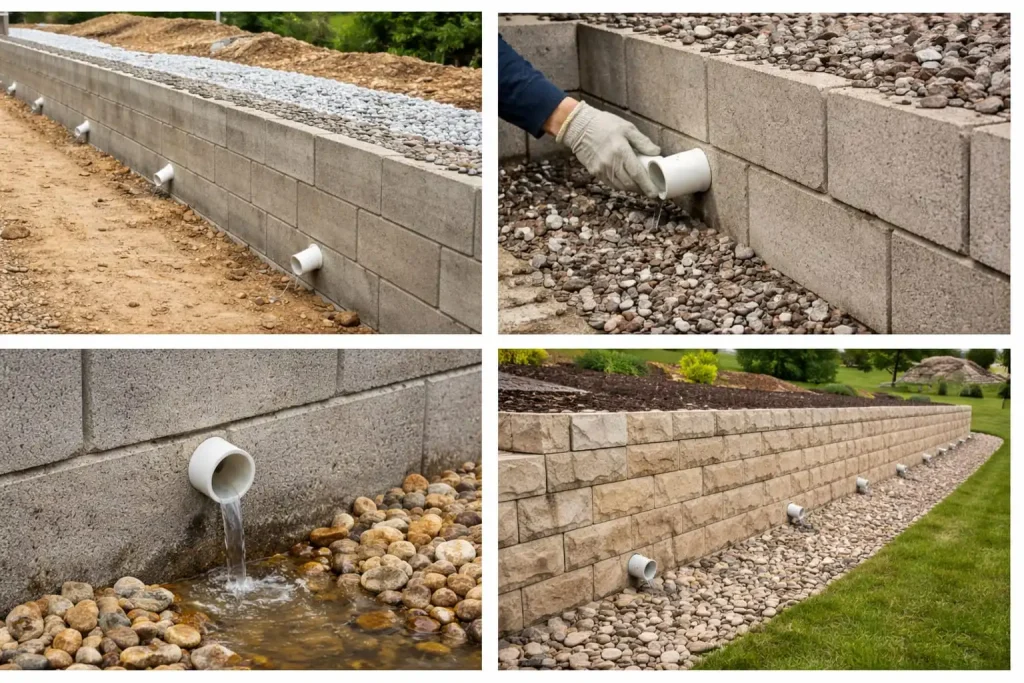
Credit: www.jkcement.com
Diy Disasters And Accidental Damage
Small wall holes can appear unexpectedly. These DIY disasters often result from accidental damage. Don’t worry, fixing them is usually simple.
Home improvement projects can go wrong. Sometimes, small holes appear unexpectedly. These are often DIY disasters. They can also be accidental damage.Nail Gun Accidents
Nail guns are powerful tools. Misuse causes problems. A stray nail can pierce drywall. This creates a small hole. It happens fast.Drilling Errors
Drilling into walls is common. You might hit a hidden pipe. Or maybe a wire. This can cause a bigger issue. A small hole is the start. You might drill too deep. This also makes a hole.Bumping Furniture
Moving furniture can be tricky. A sharp corner can hit the wall. This leaves a dent or hole. It’s a simple mistake. It happens in busy rooms. These holes are often small. Small wall holes can appear. They are often from DIY projects. Or simple accidents. Understanding the cause helps. It guides your repair.Diagnosing The Source
Discovering small wall holes is concerning. Investigating their origin is key. We help you pinpoint the cause quickly.
Small wall holes can appear without warning. Figuring out why is the first step. This helps you fix the problem. It stops more damage. We will look for clues.Visual Inspection Tips
Look closely at the holes. Note their size and shape. Are they round or jagged? Check the wall’s surface. Do you see any cracks nearby? Are there any rough edges? Inspect the surrounding area. Look for debris or dust. This can tell you a lot.Listening For Clues
Sometimes, you can hear the problem. Stand near the wall. Listen carefully. Do you hear any scratching sounds? Is there any gnawing? You might hear faint scurrying. These noises are important clues. They point to hidden activity.Checking For Pest Signs
Pests often cause small holes. Look for droppings. They might be small pellets. Check for chew marks on wood. You might see gnawed insulation. Look for tiny tunnels in drywall. Small holes can be entry points. Pests use them to get in. They also use them to get out.
Credit: luxhospitals.com
Repairing Small Wall Holes
Repairing small wall holes is a simple DIY task. You can fix them yourself. It saves money. It also makes your walls look new. Don’t let small holes bother you. Here’s how to tackle them.
Patching Drywall
Small holes need a patch. Get a drywall patch kit. These kits are easy to use. They often have a mesh screen. Peel off the backing. Stick the patch over the hole. Press it down firmly. Make sure it adheres well. This creates a solid base.
Spackling Techniques
Spackle fills the hole. Use a putty knife. Scoop a small amount of spackle. Apply it over the patch. Spread it smoothly. Cover the entire patch. Feather the edges. This blends it with the wall. Let the spackle dry completely. You may need a second coat. Apply it for a smooth finish. Sand it lightly when dry. A smooth surface is key.
Matching Texture
Walls often have texture. You need to match it. Use a textured spray. Or use a sponge. Dab it on the spackled area. Practice on scrap cardboard first. Get the texture right. This hides the repair. It makes the wall look seamless. Your repair will disappear.
Preventing Future Wall Damage
Small wall holes can appear unexpectedly. Protect your walls from future damage. Secure loose items and avoid bumps. This simple care keeps walls looking great.
Preventing future wall damage is key. It saves you time and money. Take proactive steps now. Your home will thank you later.Pest Control Measures
Keep pests away from walls. Seal any small cracks. Use screens on windows. Store food properly. Clean up spills quickly. Regular inspections help. They find problems early.Maintaining Your Home’s Structure
A strong home is vital. Check for foundation issues. Ensure good roof drainage. Repair any roof leaks. Keep gutters clean. This prevents water buildup. Water weakens your walls.Addressing Water Issues Promptly
Water causes big problems. Fix leaky pipes fast. Repair damaged plumbing. Dry wet areas completely. Mold can grow quickly. Mold damages wall materials. Act on leaks immediately.Frequently Asked Questions
What Causes Small Holes In My Walls Suddenly?
Small holes can appear due to pests like mice or insects. They might also be from minor settling or accidental impacts. Check for any signs of critters or damage.
Are These Wall Holes Dangerous To My Home?
Usually, these holes are not a major danger. They can, however, invite more pests. Small holes might worsen over time if ignored.
How Can I Identify The Source Of Wall Holes?
Look closely around the holes. Do you see droppings or gnaw marks? Tiny tunnels or dust can also give clues.
What Is The Quickest Way To Fix Small Wall Holes?
A simple patch or spackle works well. For tiny holes, a bit of filler is enough. Sand it smooth once dry.
Should I Worry About Bugs Making Wall Holes?
Yes, some bugs can create holes. Termites or carpenter ants are common culprits. Look for sawdust or actual insects.
Can Temperature Changes Make Holes In Walls?
Extreme temperature shifts can cause materials to expand. This movement might lead to small cracks or holes. It’s usually a minor issue.
What Materials Do I Need To Repair Wall Holes?
You’ll need wall spackle or joint compound. A putty knife is helpful for applying it. Sandpaper will smooth the area after drying.
Conclusion
Small wall holes need attention. These spots often signal bigger issues. Check for pests or water damage. Simple repairs can prevent problems. Don’t ignore these signs. Fixing them keeps your home safe. Act now for peace of mind.