
Cracked floor tiles can be a real headache. They’re not just unsightly, they can also be a sign of bigger problems beneath the surface.
You’ve probably seen them – those jagged lines that disrupt the beauty of your floors. But why do they happen? And more importantly, how can you stop them from happening to your beautiful tile? This article will help you understand the common reasons behind cracked tiles, how to spot the signs, and the best ways to prevent this frustrating issue in your home.
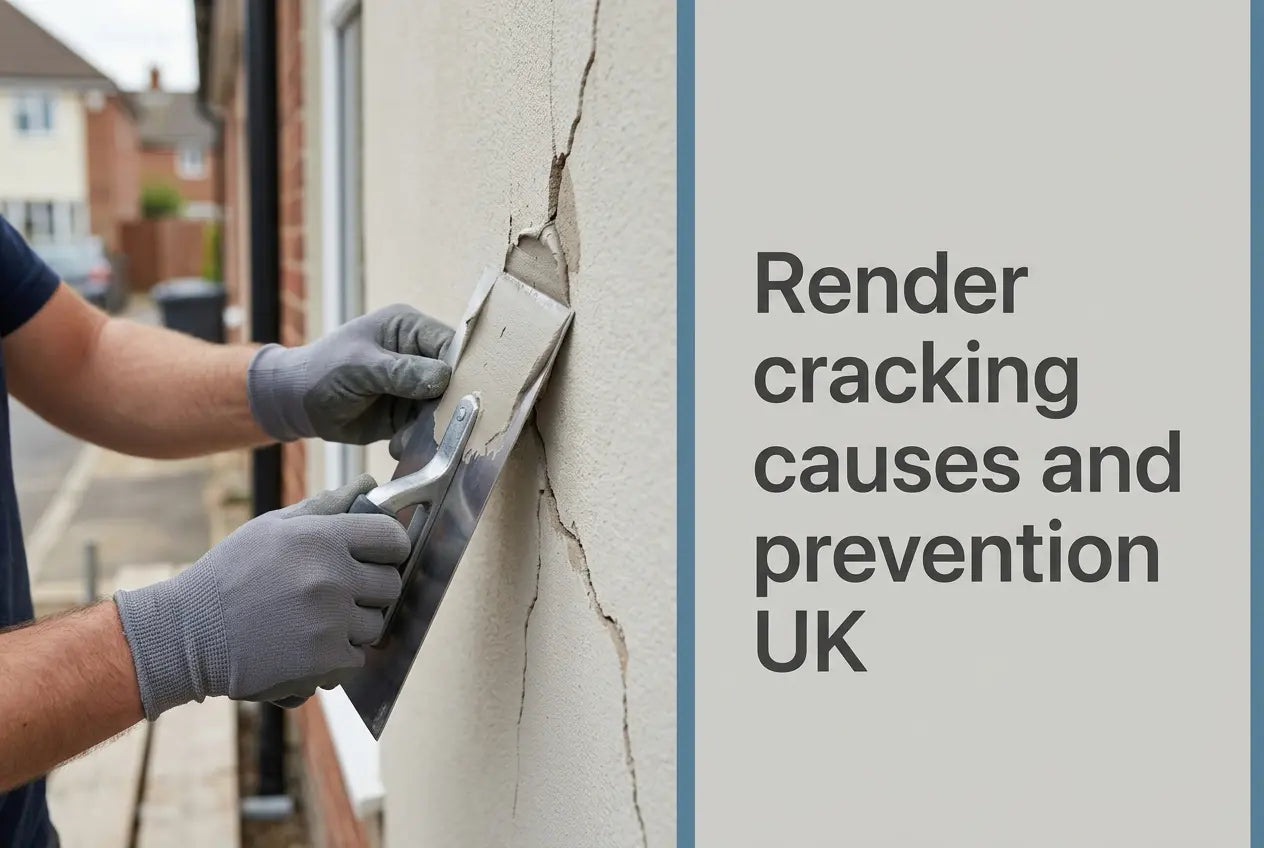
Credit: renders-world.co.uk
Cracked Tile Culprits
Cracked tiles can be a real headache. Understanding why they crack is key. Let’s explore the common culprits behind this tile trouble.
Subfloor Settling
Homes shift over time. The foundation can settle. This movement stresses the tile. Cracks appear in the tiles. It is a common cause.
Impact Damage
Dropped items cause damage. Heavy objects can hit tiles. This impact creates stress. Cracks form from the force. Be careful with hard objects.
Improper Grout Lines
Grout is important. It fills the gaps. Too little grout is bad. Too much grout is also bad. Grout needs to be right. Wrong grout causes cracks. It offers no support.
Expansion And Contraction
Materials change size. Temperature causes this change. Heat makes things expand. Cold makes things contract. Tiles and subfloors react. This movement can crack tiles. It is a natural process.
Moisture Issues
Water is a tile’s enemy. Moisture can seep under tiles. It weakens the adhesive. It damages the subfloor. This weakness leads to cracks. Keep tiles dry always.
Heavy Loads
Too much weight causes stress. Heavy furniture can press down. Appliances add significant weight. The tile cannot support it. Cracks may then develop. Distribute weight evenly.

Credit: tileshoppes.com
Diagnosing The Damage
Cracked floor tiles are a common problem. They can be unsightly. They can also signal bigger issues. Diagnosing the damage is the first step. It helps you find the root cause. This guides your repair efforts. You need to look closely. Listen carefully. Feel for any instability.
Visual Inspection
Start with your eyes. Look at the cracks. Are they wide or narrow? Do they run straight? Are they jagged? Note the crack’s location. Is it near a wall? Is it in the middle of the room? Check surrounding tiles. Do they look damaged too? Sometimes grout lines offer clues.
Sounding For Hollow Spots
Tap the tiles gently. Use a rubber mallet or a coin. Listen to the sound. A solid sound is good. It means the tile is fully supported. A hollow sound is a warning. It suggests a void beneath. The adhesive may have failed. This can lead to cracks.
Checking For Movement
Tiles should be still. They should not shift. Press down on the cracked tile. Does it give way? Does it feel loose? Wiggle the tile. Any movement is a bad sign. This indicates an unstable subfloor. It might be settling or warping.
Identifying Crack Patterns
Crack shapes tell a story. Straight cracks often mean stress. They can come from subfloor issues. Random, spiderweb cracks suggest impact. They might come from dropping something heavy. Cracks radiating from a corner often point to impact. Or a loose tile. Understanding the pattern helps diagnosis.
Stopping Future Cracks
Cracked floor tiles are frustrating. Stopping future cracks is key. Proper installation prevents many problems. Let’s explore how to keep tiles intact. This prevents costly repairs. It ensures lasting beauty.
Solid Subfloor Prep
A strong foundation matters. The subfloor must be level. It needs to be rigid. Any movement causes cracks. Prepare the subfloor carefully. Remove old adhesives. Fill low spots. Ensure a stable base.
Expansion Joint Essentials
Tiles expand and contract. This happens with temperature changes. Expansion joints allow movement. They are small gaps. Fill them with flexible sealant. These joints prevent stress. They are crucial for large areas.
Correct Mortar Application
Use the right mortar. Ensure full coverage. Avoid voids under tiles. Voids create weak spots. Spread mortar evenly. Use the correct trowel size. Press tiles firmly into mortar. This ensures strong adhesion.
Flexible Grout Choices
Grout seals tile edges. It should not be rigid. Flexible grout accommodates movement. It prevents grout from cracking. It also prevents tile stress. Choose a high-quality, flexible grout. This protects your tile work.
Underlayment Importance
Underlayment adds a layer. It can be cement board. It can be other materials. It provides a stable surface. It absorbs some subfloor movement. This protects the tile installation. It is an important step.
Load Distribution
Heavy items press down. This puts stress on tiles. Distribute weight evenly. Use furniture pads. Avoid dragging heavy objects. Proper load distribution prevents cracks. Protect your tiled floors.

Credit: stelr.com
Repairing Cracked Tiles
Cracked floor tiles often stem from subfloor issues or heavy impacts. Diagnosing the cause helps prevent future damage. Proper installation and protection are key to keeping tiles intact.
A cracked tile is a common problem. You can fix many cracks yourself. Some damage needs professional help. Assess the crack before you start. This guides your repair choice.Minor Crack Fixes
Small cracks are often easy fixes. You can use tile repair kits. These kits come with epoxy. They fill the crack neatly. Match the grout color. Apply the epoxy carefully. Let it dry completely. Buff away any excess. This hides the damage well. Your tile looks almost new.Replacing Damaged Tiles
A larger crack means replacement. You might need a new tile. Carefully remove the broken tile. Pry it up gently. Use a chisel and hammer. Get all old grout out. Clean the area well. Insert the new tile. Use tile adhesive. Press it down firmly. Let the adhesive cure. Apply new grout. Wipe away excess grout. This restores the floor.When To Call A Pro
Big cracks are serious. They might signal bigger issues. The subfloor could be weak. Water damage is possible. Extensive cracking needs experts. A professional can diagnose. They can fix underlying problems. They ensure a lasting repair. Don’t risk further damage.Frequently Asked Questions
Why Do My Floor Tiles Crack?
Cracks often happen due to foundation shifts. Heavy impact can also cause tiles to break. Improper installation is another common cause.
What Causes Tile Cracks Underneath The Surface?
Subfloor issues are a frequent culprit. Movement in the base layer can stress the tiles. Moisture can weaken the adhesive, leading to cracks.
Can Water Damage Cause Tile Cracking?
Yes, water is a common cause. It can weaken the grout and adhesive. This lets tiles move and eventually crack.
Is Poor Installation A Tile Cracking Reason?
Definitely. Gaps in the subfloor allow movement. Too little adhesive also leads to cracks.
How Do I Prevent My Floor Tiles From Cracking?
Ensure a solid, stable subfloor. Use the right adhesive for your tiles. Avoid dropping heavy items on the floor.
What If My New Tiles Are Already Cracking?
Check the installation method first. Look for any subfloor problems. Contact the installer for professional advice.
Can Extreme Temperatures Crack Floor Tiles?
Yes, temperature changes can cause stress. Rapid expansion and contraction can lead to cracks. Proper expansion joints help prevent this.
Conclusion
Cracked tiles are a common problem. Several factors cause them. Proper installation matters greatly. Subfloor issues create stress. Heavy impacts can also break tiles. Watch for grout separation. This signals movement underneath. Preventing cracks saves money. Ensure a solid foundation.
Use the right adhesive. Allow proper curing time. Regular maintenance helps. Address small cracks promptly. Your floors will last longer.