
Maybe you want to update your kitchen cabinets. Or you are covering up some old veneer furniture. Veneer can be tricky to work with, and you do not want your paint to peel or scratch off.
Choosing the right primer for veneer is confusing because every surface is a little different. Some primers claim to stick to anything, but not all deliver on glossy or slick finishes. You also have to balance price, strength, odor, and drying time.
Some products cost more but promise better hold. Others are budget-friendly but may need extra prep or more coats.
This guide will help you figure out which primer for veneer makes sense for your project, your space, and your budget.
Below, you will see a few products compared side by side. Each option works for different needs and surfaces, so you can choose what fits your project best.
Bulls Eye Water-base Primer For Veneer
Best Primer For Veneer — ideal for homeowners and DIYers seeking a reliable base coat for glossy or tricky surfaces.

Zinsser Bulls Eye 1-2-3 Water-Base Primer & Sealer is a versatile solution for prepping veneer and other surfaces, whether indoors or outdoors. Its standout ability to bond to glossy surfaces without the need for scuff sanding makes it a practical choice for anyone looking to save time and effort.
Applying this primer feels straightforward and dependable—it covers well, dries at lower temperatures (down to 35°F), and sets a consistent foundation for your topcoat. You’ll appreciate not having to fuss with extra prep steps, and the stain-blocking formula gives peace of mind for lasting results.
- Strengths:
- Bonds directly to glossy veneer—no sanding required
- Works at lower temperatures
- Stain-blocking resins for a cleaner finish
- Suitable for both interior and exterior projects
- Can be used on ferrous metal surfaces
- Limitations:
- Quart size may not be enough for larger jobs
- White color only—may require additional coats for dark finishes
Who Will Benefit Most
If you need a primer that tackles veneer without a lot of prep, this is a solid pick—especially for busy homeowners, renters, or anyone updating furniture or cabinets. It’s great for those who value efficiency and reliable adhesion, but if you’re working on extensive surfaces, you might need a bigger container or multiple cans.
This primer takes the guesswork out of prepping glossy materials, reducing stress and unexpected problems. For best results, clean the surface well before priming, and trust that you won’t have to sand every inch. If you’re unsure about coverage, start with a small area—the performance will speak for itself.
Stix Acrylic Waterborne Bonding Primer
The Best Primer For Veneer for DIYers or pros who need unbeatable adhesion on tricky, glossy, or slick surfaces.

Stix Acrylic Waterborne Bonding Primer by INSL-X is a high-performance, acrylic-urethane primer designed to adhere to the most stubborn, glossy, or hard-to-coat surfaces—including veneer, PVC, tile, glass, and more. Its unparalleled adhesion means you can confidently prime surfaces that would otherwise reject typical primers, ensuring your topcoat stays put.
Applying this primer feels simple and forgiving, whether you’re working indoors or outdoors—even in chilly conditions down to 35°F. The coverage is generous (up to 100 square feet per quart), and it can be top-coated with nearly any paint, making it a reliable choice for both quick touch-ups and larger renovation projects.
- Strengths:
- Exceptional adhesion on glossy and hard-to-coat materials
- Usable in low temperatures
- Works for both interior and exterior applications
- Limitations:
- White only—may need tinting for some projects
- Requires topcoat for durability and finish
Should You Choose This Primer?
If you’re facing a surface that’s notoriously tough to prime—like veneer, PVC, or even glossy tile—this product will take away the guesswork and frustration. It’s especially useful for anyone updating kitchen cabinets, refurbishing old furniture, or prepping slick trim, where lesser primers might peel or fail to bond.
However, if you only need a basic primer for standard drywall or non-glossy wood, you may want to opt for a more economical option. For everyone else, Stix brings peace of mind: you can trust your paint job to last. For best results, give it time to cure fully before painting over, and you’ll enjoy a professional-quality finish without the stress of future peeling.
3m Tape Primer For Vinyl And Veneer
Best Primer For Veneer applications, ideal for those needing reliable tape adhesion on vinyl, wood grain, or metal surfaces.
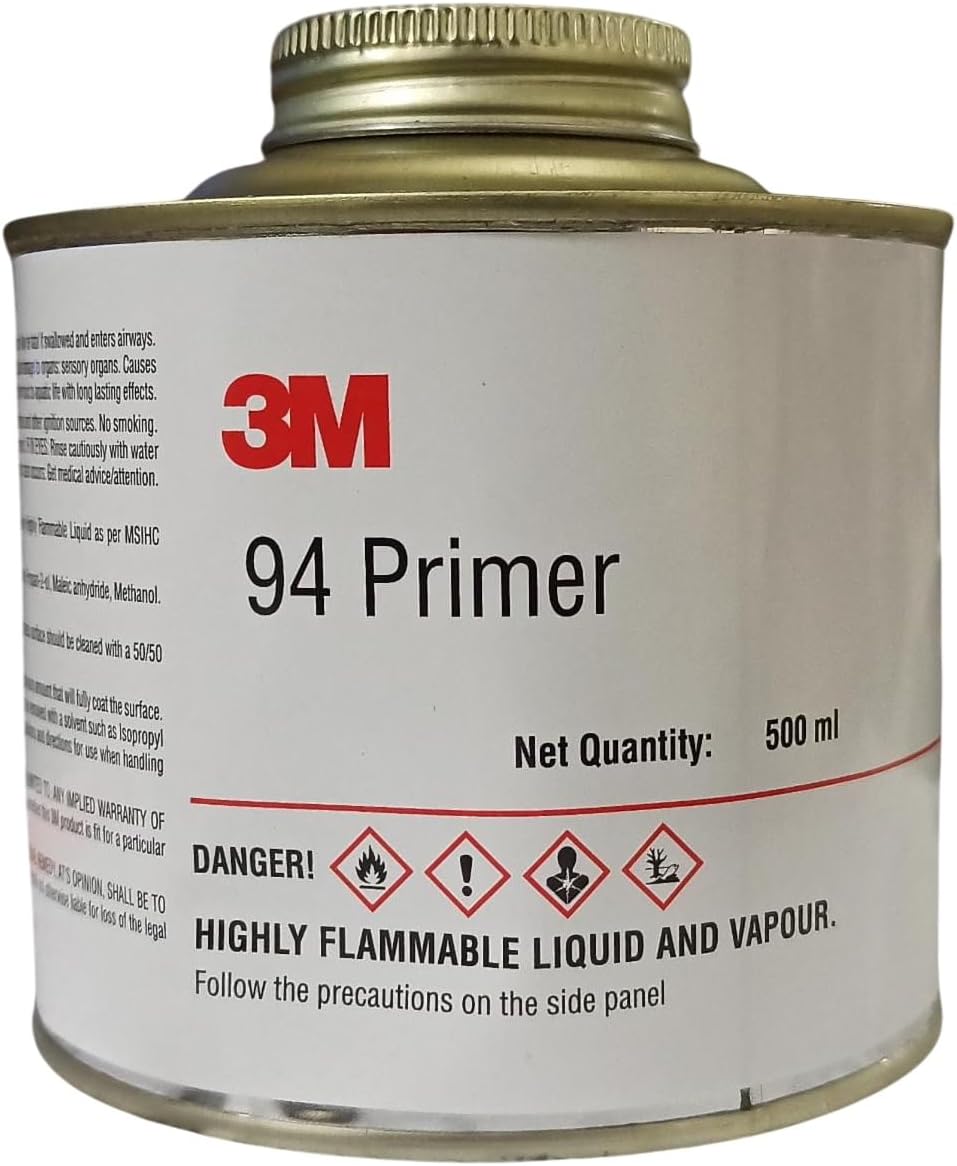
The 3M Tape Primer 94 is a specialized surface primer designed to improve tape adhesion on a variety of surfaces, making it a smart solution for veneer work and vinyl applications. It’s especially useful when you need a strong bond on tricky surfaces like plastics, rubber, painted, or bare metals.
In real-world use, this primer can save a lot of time and frustration by ensuring your tape stays put, even on challenging materials. Whether you’re working with carbon fiber, wood grain vinyl, or preparing a veneer project, you’ll notice the difference in reliability and ease of application.
- Strengths:
- Boosts tape adhesion on multiple surfaces
- Works well with vinyl, wood grain, and metal veneer projects
- Trusted 3M quality
- Limitations:
- Not a paint primer—specifically for tape adhesion
- Should be used in well-ventilated areas
Who Will Benefit Most
If you often work with veneers, vinyl wraps, or need to guarantee tape stays put on less-than-ideal surfaces, this primer is a dependable choice. It’s especially suited for DIYers, crafters, or professionals who can’t afford adhesive failure mid-project.
If you are looking for a general-purpose primer for painting or sealing, this isn’t the right fit. But if your main concern is tape holding power on tricky surfaces, you’ll find it removes a lot of guesswork. For best results, apply a thin, even coat and let it dry fully before taping—this small step can make a big difference in your project’s outcome.
How To Weigh Your Options For Veneer Primers
Start by thinking about the surfaces you need to cover and the environment where you’ll apply the primer. Consider how important stain-blocking, adhesion to glossy materials, and application temperature are for your project. Some options are better for versatility, while others focus on bonding to specific materials.
Think about your skill level and how much prep work you are willing to do. Balancing these trade-offs will help you narrow down the best fit.
When A Veneer Primer Might Not Be Right For You
- If you expect a one-step solution without any surface prep, these products may disappoint.
- Not all primers are suitable for highly flexible or moving surfaces.
- Some options may be overkill for simple, low-use areas.
- Those sensitive to odors or chemicals should check for low-VOC claims.
- If you need a decorative finish without painting, a primer isn’t the right step.
Best Primer For Veneer: Common Questions Answered
Will These Primers Work On Laminate Or Plastic Surfaces?
Some primers are formulated to bond to tricky materials like laminate and plastic. Always check compatibility before starting your project.
How Important Is Surface Preparation Before Using A Veneer Primer?
Proper cleaning and light sanding usually help the primer adhere better. Skipping prep can lead to peeling or uneven results.
Do I Need A Special Primer For High-humidity Rooms?
High-humidity areas may require primers with better moisture resistance. Check the product details for recommendations on bathrooms or kitchens.
Can I Apply Paint Directly After Priming Veneer?
Most primers allow you to paint once fully dry. Drying time can vary, so read the label to avoid issues with adhesion or finish quality.
Is One Coat Of Primer Enough For Veneer Surfaces?
One coat may suffice for many projects, but porous or stained areas could need a second coat. Evaluate after the first application.
What If The Primer Doesn’t Stick To My Veneer?
If you notice poor adhesion, revisit your prep steps and ensure the surface is clean and dull. Some surfaces might need a specialty bonding primer.
Are These Primers Suitable For Outdoor Veneer Projects?
Some primers are designed for both interior and exterior use. Always confirm outdoor suitability on the label before proceeding.
Settling On The Right Veneer Primer For Your Needs
Choosing a primer for veneer projects is mostly about matching your expectations with how each product performs under your conditions. Take your time to consider both the surface and the environment so you avoid surprises later on.
With a little thought, you can feel comfortable making a choice that supports a smooth and lasting finish. The best fit is simply the one that meets your needs without overcomplicating your process.