
Thinking about setting up an above ground pool on gravel? You might be wondering if it’s a good idea, how to do it right, or what challenges you could face.
The truth is, gravel can be a great base for your pool—if you prepare it properly. You’ll discover easy steps to create a solid, safe, and long-lasting foundation for your pool. By the end, you’ll feel confident to start your project and enjoy cool, refreshing swims all summer long.
Let’s dive in and make your pool setup smooth and stress-free!
Choosing The Right Gravel
Choosing the right gravel for your above ground pool base is key to its stability and longevity. Gravel acts as a sturdy foundation, helping to prevent shifting and water buildup under the pool. Picking the right type and size of gravel ensures good drainage and a smooth surface. Quality gravel also protects the pool liner from damage.
Types Of Gravel For Pools
Not all gravel suits pool bases. Pea gravel is smooth and small, creating a soft base but may not drain well. Crushed stone has sharp edges, locking together tightly for strong support. River rock is rounded and decorative but can shift easily. Choose gravel that provides good support and stays in place.
Gravel Size And Drainage
Gravel size affects water drainage and pool stability. Larger gravel, about 3/4 inch, drains water well and prevents pooling. Smaller gravel may trap water, causing problems. Avoid fine sand or dirt mixes that hold moisture. Proper drainage keeps the pool bottom dry and stops damage to the liner.
Where To Source Quality Gravel
Find gravel from local landscaping or construction suppliers. Check for clean, washed gravel free of dirt and debris. Avoid gravel with too many fines or clay. Ask suppliers about the gravel’s drainage properties and size. Quality gravel ensures your pool base stays solid and dry over time.
Preparing The Site
Preparing the site is the first and most important step before placing an above ground pool on gravel. This process makes sure your pool stays safe and stable. A well-prepared site helps avoid problems like water pooling or uneven ground.
Clearing And Leveling The Ground
Start by removing grass, rocks, and debris from the pool area. Clear the space completely to create a smooth base. Use a shovel or rake to level the ground. Check for any bumps or holes and fix them. A flat surface helps the pool sit evenly and prevents damage.
Marking The Pool Area
Mark the exact spot where the pool will go. Use stakes and string to outline the shape. This step ensures you build the pool in the right place. Double-check the measurements to avoid mistakes. Clear marking keeps the installation process simple and accurate.
Ensuring Proper Drainage
Good drainage stops water from collecting under the pool. This protects the pool’s base and gravel layer. Make sure the ground slopes slightly away from the pool area. Dig small trenches or install drainage pipes if needed. Proper drainage keeps your pool dry and stable over time.
Laying The Gravel Base
Laying a gravel base for an above ground pool creates a strong and lasting foundation. This step helps protect the pool floor from damage. It also keeps the pool level and stable. Proper preparation of the gravel base makes pool setup easier and safer.
Spreading And Compacting Gravel
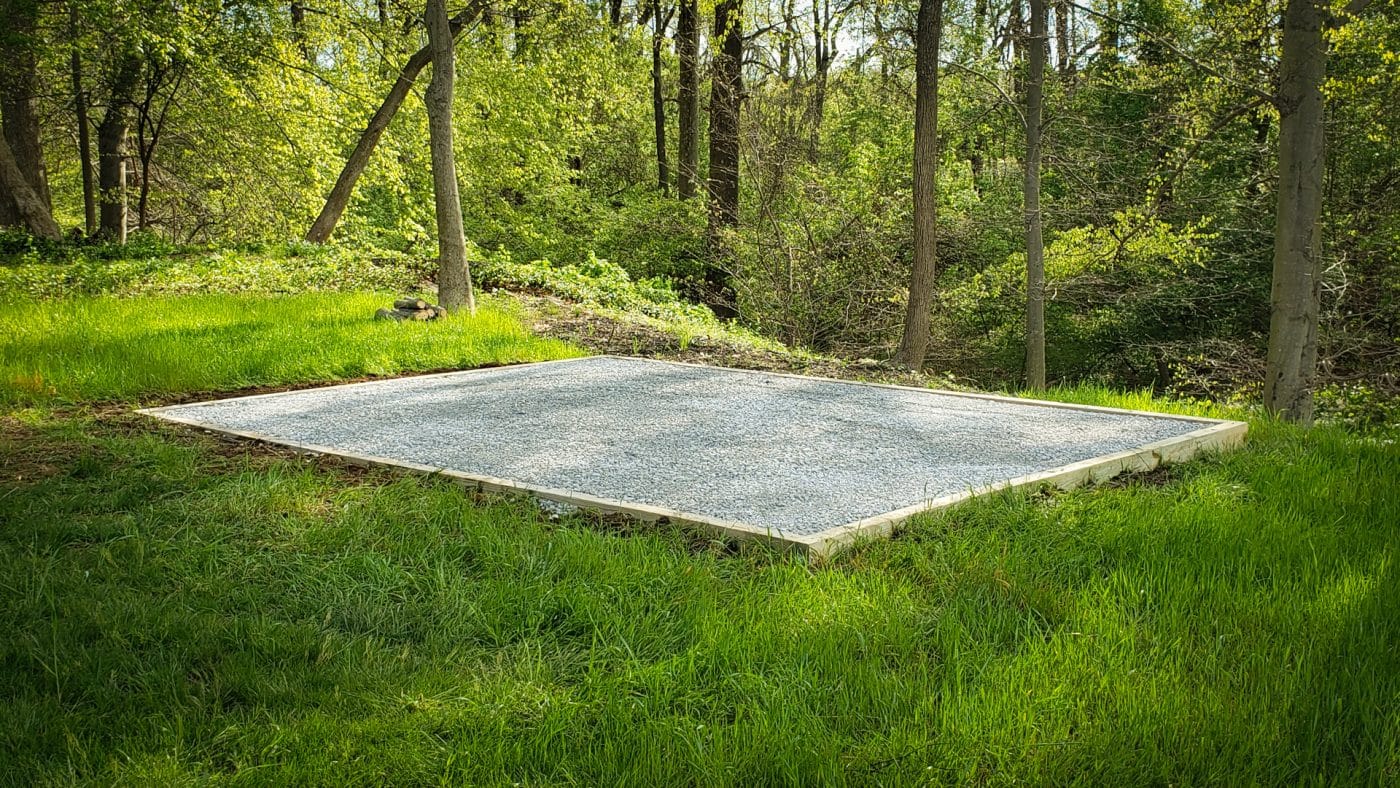
Start by spreading gravel evenly across the pool area. Use clean, crushed stone for the best results. Spread the gravel about 4 to 6 inches deep. Next, compact the gravel using a hand tamper or plate compactor. Compacting removes air gaps and makes the base firm. A solid base stops the pool from shifting or sinking.
Creating A Stable Foundation
Ensure the gravel layer is consistent and tightly packed. Loose gravel can cause uneven pressure on the pool walls. Add more gravel to low spots and compact again. This creates a stable surface that supports the pool weight. Stability prevents damage and helps keep the pool shape intact.
Checking For Even Surface
Use a level tool or straight board to check the surface. Look for dips or bumps that need fixing. Smooth out any uneven areas by adding or removing gravel. An even surface is key to water balance and pool safety. Take time to get the base perfectly flat before setup.
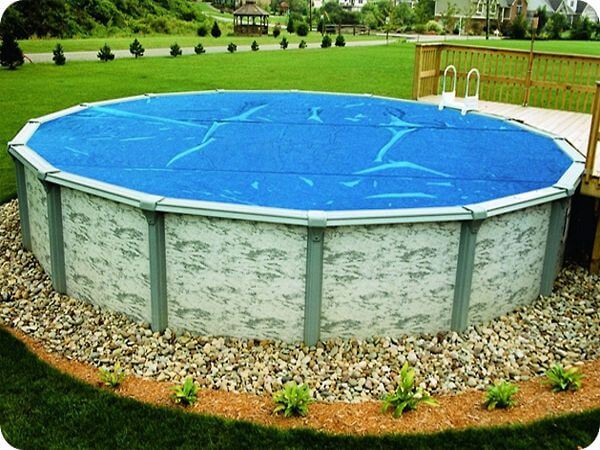
Credit: intheswim.com
Installing The Pool
Installing an above ground pool on gravel needs careful steps. Proper installation ensures pool stability and safety. Follow these steps for a smooth setup on a gravel base.
Positioning The Pool Frame
Choose a flat area on the gravel for the pool. Check the ground is level by using a spirit level. Move gravel as needed to create an even surface. Place the pool frame carefully on the prepared ground. Make sure the frame fits the pool shape exactly.
Securing The Pool On Gravel
Secure the frame to keep it steady on the gravel. Use stakes or anchors around the pool edges. Drive them deep into the gravel for firm support. Check the frame again for level and adjust if needed. Tighten all connections to prevent movement.
Adding Protective Liners
Lay a protective liner over the gravel before adding the pool liner. This protects the pool bottom from sharp stones. Smooth the liner to avoid wrinkles or folds. Trim any excess liner around the edges. Make sure the liner covers the whole area under the pool.
Maintenance Tips
Maintaining an above ground pool on gravel helps keep it safe and lasting longer. Proper care prevents damage and keeps the area clean. Easy steps make pool ownership simple and stress-free.
Preventing Gravel Displacement
Gravel can move and shift under the pool’s weight. Spread gravel evenly before placing the pool. Use landscape fabric under the gravel to stop shifting. Check gravel edges often and add more if needed. This keeps the pool stable and level.
Managing Water Drainage
Water can collect around the pool base and cause issues. Make sure the ground slopes away from the pool. Use drainage pipes or channels to guide water away. Remove standing water after rain quickly. Good drainage stops gravel from washing away.
Routine Inspection And Repairs
Look at the pool base regularly for any signs of damage. Check gravel for spots that are thin or bare. Fix small issues before they grow bigger. Tighten any loose pool parts and clean the area. Regular checks help the pool last longer and stay safe.
Credit: www.siteprep.com
Common Challenges
Installing an above ground pool on gravel has its own set of challenges. Gravel is not as stable as other surfaces. This can cause issues that affect the pool’s safety and lifespan.
Understanding these common challenges helps you prepare and avoid problems later. Here are some key issues you might face.
Dealing With Uneven Ground
Gravel surfaces often have bumps and dips. This uneven ground can make the pool sit crooked. A tilted pool can cause water to spill or stress the pool walls.
Leveling the gravel before installation is important. Use a rake and a level tool to even out the surface. Compact the gravel tightly to reduce movement over time.
Handling Gravel Washout
Gravel can wash away with rain or water splashes. This washout creates gaps under the pool base. Gaps lead to sinking or tilting of the pool.
Installing a barrier like landscape fabric under the gravel helps reduce washout. Adding edging around the pool area keeps gravel in place. Check the gravel regularly and refill any lost spots.
Addressing Pool Stability Issues
Gravel does not provide strong support like concrete or sand. This can cause the pool to shift or wobble. Pool walls may bend or collapse if the base is weak.
Using a solid pool pad or foam liner between the gravel and pool helps improve stability. Tightening pool supports and inspecting the frame often prevents damage. Stability keeps the pool safe and extends its life.
Cost Considerations
Choosing an above ground pool on gravel involves key cost decisions. These affect your budget now and later. Understanding these costs helps you plan wisely. Let’s break down the main expenses to expect.
Estimating Gravel And Installation Costs
Gravel price varies by type and amount needed. Most pool bases require several inches of gravel for stability. Delivery fees add to the total cost. Installation may require machinery or manual labor. Hiring professionals raises the price but ensures proper setup. DIY installation can save money but takes time and effort.
Comparing Alternatives To Gravel
Other base materials include sand, concrete pads, and foam mats. Sand is cheaper but may shift under weight. Concrete offers strong support but costs more upfront. Foam mats protect the pool but do not stabilize the ground. Gravel balances cost and durability well for most pools.
Budgeting For Long-term Maintenance
Gravel bases need occasional raking and topping up. Pool edges might shift if gravel moves. Watch for weeds or pests in the gravel area. Proper drainage reduces damage and maintenance costs. Investing in good installation cuts future repair bills.

Credit: abovegroundpoolbuilder.com
Frequently Asked Questions
What Are The Benefits Of Placing An Above Ground Pool On Gravel?
Gravel provides good drainage, prevents water pooling, and helps keep the pool stable and level.
How Do I Prepare Gravel For An Above Ground Pool Base?
Remove debris, level the ground, spread a 2-3 inch layer of compacted gravel evenly.
Can Gravel Damage The Pool Liner Of Above Ground Pools?
No, gravel is safe if properly leveled and covered with a protective pool pad.
Is Gravel Better Than Sand For Above Ground Pool Foundations?
Gravel drains water faster and is less likely to shift, making it a better foundation choice.
How Thick Should The Gravel Layer Be Under The Pool?
A 2 to 3 inch thick compacted gravel layer provides a stable and even base.
Do I Need A Weed Barrier Under Gravel For Above Ground Pools?
Yes, a weed barrier stops grass and weeds from growing through the gravel base.
Conclusion
Choosing gravel as a base for your above ground pool makes sense. It offers good drainage and keeps the pool stable. Gravel is easy to level and helps avoid water buildup. Keep the gravel layer even and firm for best results.
This simple step protects your pool and extends its life. Enjoy your pool with less worry about ground problems. Gravel provides a solid, clean foundation for fun and relaxation.