
Are your kitchen drawers sticking, broken, or just outdated? Replacing them might seem like a big job, but it doesn’t have to be.
Imagine opening your drawers smoothly every time and having a fresh, clean look in your kitchen. In this guide, you’ll learn simple, step-by-step ways to replace your kitchen drawers yourself—no need to hire expensive help. By the end, you’ll have the confidence to transform your kitchen quickly and easily.
Ready to get started? Let’s dive in!
Tools And Materials Needed
Replacing kitchen drawers is a straightforward task with the right tools and materials. Having everything prepared helps the work go smoothly. It saves time and reduces frustration.
This section lists the key items you need. The tools help you remove and install drawers. The materials ensure the new drawers fit well and work properly.
Essential Tools
- Screwdriver set – both flathead and Phillips
- Measuring tape for accurate dimensions
- Power drill for screws and holes
- Level to keep drawers straight
- Hammer for small adjustments
- Pliers for gripping and pulling
- Utility knife to trim materials
Recommended Materials
- Replacement drawer slides or runners
- New drawer boxes or fronts
- Wood screws matching your cabinet type
- Wood glue for extra strength
- Sandpaper to smooth edges
- Drawer handles or pulls
- Touch-up paint or stain to match cabinets

Credit: www.lxhausys.com
Preparing The Kitchen Drawers
Preparing kitchen drawers is the first step to replacing them smoothly. It means taking out the old drawers carefully. Then, clean the area and check the drawer slides. This makes sure the new drawers fit well and work properly. A tidy, inspected space helps avoid problems later.
These simple actions save time and effort. They help the new drawers last longer and open easily. Let’s start with removing the old drawers safely and then move to cleaning and inspecting the slides.
Removing Old Drawers
Pull the drawer out gently until it stops. Look for clips or levers on the slides. Press or lift them to release the drawer. Slowly pull the drawer out completely. Avoid using force to prevent damage.
If the drawer sticks, check both sides for locking mechanisms. Keep screws or parts safe for later use or disposal. Removing old drawers carefully protects the cabinet structure.
Cleaning And Inspecting Drawer Slides
Use a soft cloth to wipe dust from the slides. Remove any dirt or old grease. Check slides for rust, cracks, or bending. Damaged slides may need replacing for smooth operation.
Apply a little lubricant to the slides. This helps the new drawer open and close easily. Clean, well-maintained slides improve drawer performance and lifespan.
Measuring For New Drawers
Measuring for new kitchen drawers is a key step before buying or building replacements. Accurate measurements ensure the new drawers fit well and work smoothly. Take your time to get these numbers right. Poor measuring can cause fitting problems and extra costs.
Taking Accurate Measurements
Use a tape measure for precise results. Measure the width, height, and depth of the drawer opening. Take the width at the top, middle, and bottom. Note the smallest width. Measure the height from the bottom to the top edge. Check the depth from front to back inside the cabinet. Double-check all numbers before moving on.
Choosing Drawer Sizes
Select drawer sizes that fit inside the cabinet space. Leave a small gap for smooth sliding, about 1/4 inch on each side. Consider the drawer’s purpose—larger for pots, smaller for utensils. Make sure the new drawer front matches the cabinet style and size. Balance size and function for best use of space.
Credit: www.cabinetdoors.com
Selecting Replacement Drawers
Selecting replacement drawers is a key step in refreshing your kitchen. The right drawers improve function and style. Choose materials and finishes that match your needs. This section helps you pick the best options for your kitchen.
Material Options
Drawers come in several materials. Wood offers a classic, warm look. It is strong and lasts long. Plywood is a good choice for durability and cost. Metal drawers provide a modern, sleek feel. They resist water and stains well. Plastic drawers are lightweight and easy to clean. Consider your kitchen’s use and moisture levels before choosing.
Style And Finish Choices
The drawer style affects your kitchen’s overall look. Flat-front drawers give a clean, simple appearance. Raised panel drawers add traditional charm. Shaker-style drawers blend classic and modern elements. Finish options include paint, stain, or laminate. Paint offers many color choices. Stain shows the natural wood grain. Laminate is easy to maintain and comes in many designs. Match finishes to your cabinets for a cohesive look.
Installing New Drawers
Installing new drawers is the next step after removing the old ones. It requires care to ensure smooth opening and closing. Proper installation helps your kitchen look neat and work well.
Attaching Drawer Slides
Start by picking the right drawer slides for your cabinet. Measure the space inside to match slide length. Attach the slides to the drawer sides using screws. Use a level to keep slides straight. Repeat for the cabinet sides, aligning with drawer slides.
Fitting Drawers Into Cabinets
Hold the drawer in front of the cabinet opening. Gently slide the drawer into the cabinet, matching the slides. Push the drawer fully in to check smooth movement. Adjust screws on slides if the drawer sticks. Test the drawer several times to ensure easy use.
Adjusting And Aligning Drawers
Adjusting and aligning kitchen drawers is key to a well-functioning cabinet. Poor alignment causes sticking, uneven gaps, and noisy use. Proper adjustment ensures drawers open and close smoothly without effort.
This process involves checking the drawer slides, tightening screws, and making small shifts. Precise alignment helps keep the kitchen tidy and improves the overall look. Even small corrections can make a big difference in drawer performance.
Ensuring Smooth Operation
Start by sliding the drawer in and out to feel any resistance. Clean the drawer tracks from dust and debris. Lubricate the metal parts with a small amount of silicone spray or wax.
Check that all screws on the drawer slides and cabinet frame are tight. Loose screws cause wobbling and misalignment. Adjust the slides evenly on both sides by loosening screws and moving the drawer slightly.
Test the drawer after each adjustment. The goal is a smooth glide without sticking or scraping noises. Repeat the steps until the drawer slides effortlessly.
Fixing Common Alignment Issues
One common issue is a drawer front that sits unevenly. Use a screwdriver to loosen the mounting screws slightly. Shift the drawer front up, down, left, or right as needed to align with adjacent drawers.
Drawer bottoms may also sag or tilt. Check the mounting brackets underneath and tighten any loose screws. Add small shims if needed to level the bottom panel.
For drawers that stick at the back, check the slide length. Sometimes the slides are too short or worn out. Replace damaged slides to restore full drawer extension and smooth operation.
Adding Finishing Touches
Adding finishing touches to your kitchen drawers gives them a complete and polished look. It makes your kitchen feel fresh and new. These final steps are simple but important. They help the drawers fit perfectly with your kitchen style.
Installing Handles And Knobs
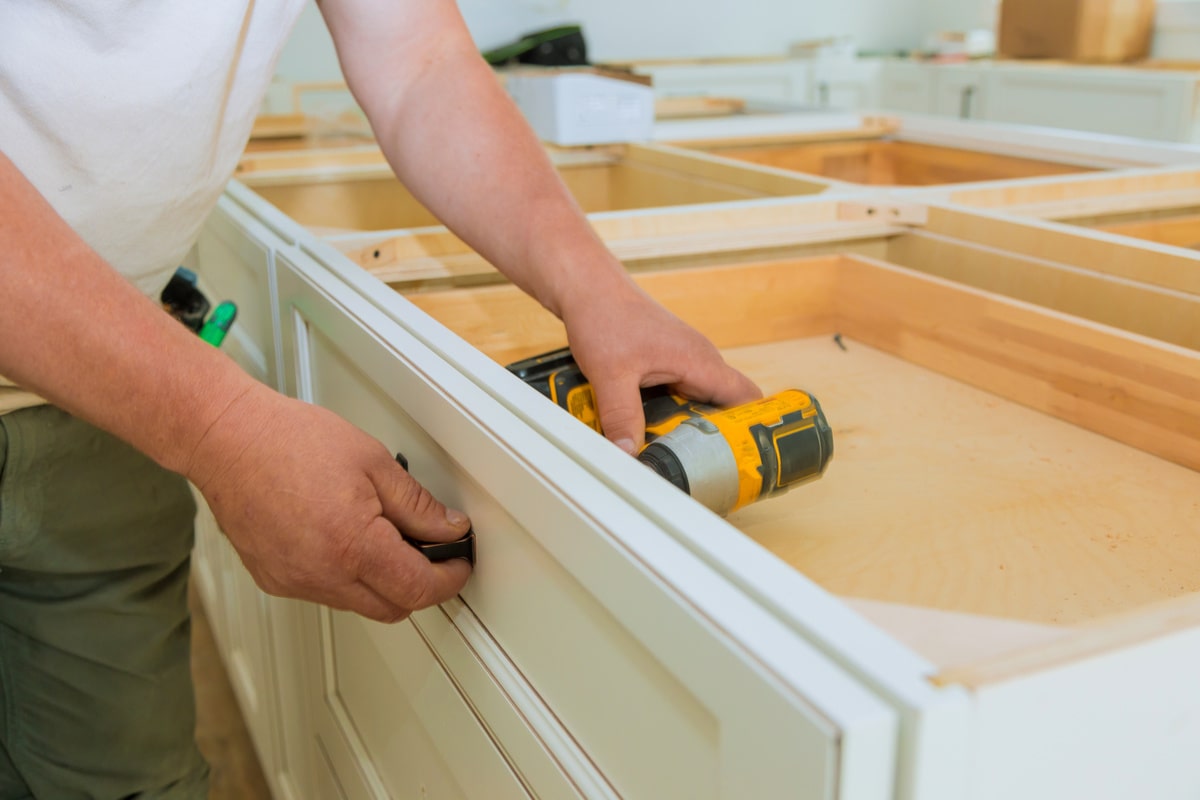
Handles and knobs are small but powerful. They change the drawer’s look and make it easy to open. Choose styles that match your kitchen decor. Use a drill to attach screws through the drawer front. Tighten the screws until the handle or knob feels secure. Check that each handle or knob is straight and even.
Applying Paint Or Stain
Painting or staining protects the wood and improves appearance. Sand the drawer surfaces lightly before applying any finish. Use smooth, even strokes with a brush or cloth. Allow the paint or stain to dry completely before handling. Add a second coat for better coverage if needed. Finish with a clear sealant to keep the surface safe from spills and wear.

Credit: www.youtube.com
Maintaining Kitchen Drawers
Maintaining kitchen drawers helps them last longer and work better. Clean and cared-for drawers open smoothly and keep your kitchen neat. Small steps protect your drawers from damage and stains. Taking time to care for them saves money on repairs later.
Regular Cleaning Tips
Remove all items before cleaning. Use a soft cloth or sponge with mild soap. Wipe inside and outside of the drawer gently. Dry the drawer completely to avoid moisture damage. Clean drawer tracks with a dry brush to remove dust. Repeat cleaning every few weeks for best results.
Preventing Wear And Tear
Don’t overload your drawers with heavy items. Spread weight evenly to avoid stress on slides. Use liners to protect drawer bottoms from scratches. Avoid slamming drawers; close them gently instead. Check slides and screws regularly and tighten if loose. Lubricate drawer tracks with a silicone spray for smooth motion.
Frequently Asked Questions
How Do I Remove Old Kitchen Drawers Safely?
Start by emptying the drawer completely. Locate and release the drawer slides or screws. Gently pull the drawer straight out. Avoid forcing to prevent damage. Use a screwdriver if needed to loosen stuck parts. Handle components carefully to preserve them for reuse.
What Tools Are Needed To Replace Kitchen Drawers?
You’ll need a screwdriver, drill, measuring tape, and replacement slides or runners. A level and pencil help with alignment. Gloves protect your hands during removal and installation. Having all tools ready speeds up the process and ensures accuracy.
How Do I Measure Kitchen Drawers For Replacement?
Measure the drawer width, height, and depth accurately. Measure inside the cabinet opening for slide length. Record all dimensions to select proper replacement drawers. Precise measurements prevent fitting issues and ensure smooth operation of new drawers.
Can I Upgrade Kitchen Drawers During Replacement?
Yes, you can upgrade to soft-close or full-extension slides. Choose materials like solid wood or plywood for durability. Upgraded drawers enhance kitchen functionality and aesthetics. Ensure new slides match cabinet size and drawer weight.
Conclusion
Replacing kitchen drawers can refresh your space quickly and affordably. Follow each step carefully to ensure a smooth process. Take your time to measure and fit the new drawers correctly. Use basic tools and simple techniques anyone can handle. Enjoy the satisfaction of a neat, organized kitchen after finishing.
This small project improves both function and style in your home. Give it a try and see the difference yourself.