
Are you tired of the loud banging every time you close your kitchen cabinets? Imagine a quieter, smoother way to shut those doors—no more slams, no more damage, just soft, gentle closing every time.
Making your kitchen cabinets soft close is easier than you think, and it can transform your daily routine. In this guide, you’ll discover simple steps to upgrade your cabinets with soft-close hinges or add soft-close dampers that fit right inside.
By the end, you’ll know exactly how to bring that satisfying, quiet close to your kitchen without spending a fortune or calling a pro. Ready to make your kitchen more peaceful and stylish? Let’s get started!
Benefits Of Soft Close Cabinets
Soft close cabinets bring many benefits to any kitchen. They improve daily use and protect your furniture. Installing soft close hinges is a smart choice for comfort and durability.
Noise Reduction
Soft close cabinets stop doors from slamming shut. They close slowly and quietly. This reduces loud noises in the kitchen. A quiet kitchen feels more peaceful and calm.
Preventing Damage
Soft close hinges protect cabinets from damage. Doors close gently without hitting hard. This prevents cracks, chips, and loose parts. Your cabinets last longer and look new.
Enhanced Kitchen Experience
Soft close cabinets make kitchen work easier. Doors close smoothly with little effort. They add a touch of luxury and comfort. Everyday tasks become more pleasant and less noisy.
Tools And Materials Needed
Making your kitchen cabinets soft close needs specific tools and materials. These help the doors close quietly and smoothly. Prepare these items before starting the project. It saves time and prevents mistakes.
Soft Close Hinges
Soft close hinges control how the cabinet doors close. They slow down the door before it shuts completely. Choose hinges that fit your cabinet style and size. Look for good quality ones for long-lasting use.
Damper Mechanisms
Dampers absorb the shock when closing the door. They prevent slamming and reduce noise. Some soft close kits include dampers. Others need separate purchase. Pick dampers that match your hinges and cabinet type.
Basic Tools
Basic tools make the installation easier. You need a screwdriver or drill for screws. A tape measure helps with correct placement. A pencil marks where to fix the hinges and dampers. Have a level to keep doors straight.
Choosing The Right Soft Close Hardware
Choosing the right soft close hardware is key for smooth kitchen cabinet doors. The right hardware fits well and works quietly. It also lasts longer and feels better to use. Different cabinets need different soft close parts. Understanding these options helps you pick what suits your kitchen best.
Compatibility With Existing Cabinets
Not all soft close hardware fits every cabinet. Check the size and type of your cabinet doors. Some cabinets use face frame doors; others have frameless doors. Make sure the hardware matches your cabinet style. Also, consider the material of your cabinets. Wood and metal may need different soft close parts. Measuring the space inside the cabinet helps avoid mistakes.
Types Of Soft Close Systems
Soft close systems come in several types. The most common are hinge dampers and drawer slides. Hinge dampers slow down door closing. Drawer slides control drawer movement smoothly. Some hardware works with both doors and drawers. Others are made only for one type. Choose based on what needs soft closing in your kitchen.
Budget Considerations
Soft close hardware varies in price. Simple systems cost less but may wear out faster. Higher-end hardware lasts longer and works better. Think about how often you use the cabinets. Spending a bit more can save money over time. Also, factor in installation costs. Some hardware is easier to install than others.

Credit: www.amazon.com
Removing Old Hinges
Removing old hinges is the first step to install soft close kitchen cabinets. It prepares the cabinet doors for new hardware. This process requires care to avoid damage to doors and frames. Proper removal ensures smooth installation of soft close hinges later. Follow simple steps to remove the old hinges safely and efficiently.
Safety Tips
Wear safety glasses to protect your eyes from dust and debris. Use gloves to avoid splinters and sharp edges. Work in a well-lit area to see screws clearly. Keep tools organized to prevent accidents. Always handle the cabinet doors carefully to avoid dropping them.
Step-by-step Removal Process
Start by opening the cabinet door fully. Use a screwdriver to remove screws from the hinge plate attached to the cabinet frame. Hold the door steady to prevent it from falling. Next, unscrew the hinge attached to the door. Gently pull the hinge away from the door surface. Check for any remaining screws or nails and remove them. Keep all screws in a safe place if you plan to reuse them. Repeat this process for each hinge on the cabinet. Clean the door surface after removing the hinges to prepare for the new installation.
Installing Soft Close Hinges
Installing soft close hinges is a smart way to upgrade your kitchen cabinets. These hinges stop doors from slamming shut. They make your kitchen quieter and protect your cabinets from damage. The process is simple with the right steps and tools.
Aligning Hinges Properly
Start by removing the old hinges from your cabinet doors. Hold the soft close hinge in place on the door. Make sure the hinge sits evenly on the edge. Use a pencil to mark the screw holes. Check that the door will close evenly without gaps.
Securing Hinges To Cabinets
Use a drill to make small pilot holes where you marked. This prevents the wood from splitting. Screw the soft close hinge firmly into the door. Attach the other side of the hinge to the cabinet frame. Tighten all screws but do not over-tighten. The hinge should feel secure without wobbling.
Adjusting Tension Settings
Soft close hinges often have a tension adjustment screw. This controls how fast the door closes. Turn the screw slowly to increase or decrease tension. Test the door by closing it gently. Adjust the tension until the door closes softly and fully. Repeat this for each cabinet door for best results.
Adding Soft Close Mechanisms To Drawers
Adding soft close mechanisms to drawers improves kitchen cabinet function and feel. These devices stop drawers from slamming shut. They make the kitchen quieter and safer. Installing soft close dampers is a simple upgrade anyone can do. It helps protect your cabinets and adds a touch of luxury.
Types Of Drawer Dampers
Several types of soft close drawer dampers exist. The most common are hydraulic and silicone dampers. Hydraulic dampers use fluid to slow the drawer’s movement. Silicone dampers rely on rubber-like material to reduce speed. Some dampers attach to the drawer side, others to the back. Choose one that fits your drawer type and size.
Installation Process
Start by removing the drawer from the cabinet. Clean the drawer sides and inside the cabinet frame. Attach the damper to the drawer or cabinet frame using screws or adhesive. Follow the instructions that come with the damper. Slide the drawer back in and check for smooth movement. Use a drill if screws are needed for a secure fit.
Testing And Adjustments
Close the drawer slowly to test the soft close function. The drawer should slow down before fully closing. If it slams or feels too slow, adjust the damper position. Some dampers have adjustable tension screws. Make small adjustments and test after each change. Properly adjusted dampers improve drawer life and user comfort.
Troubleshooting Common Issues
Soft close kitchen cabinets add comfort and quiet to your daily routine. Sometimes, these cabinets face common problems. Fixing these issues can keep your kitchen running smoothly. This section covers easy ways to solve common soft close problems.
Misaligned Doors
Doors may not close properly if they are misaligned. Check if the hinges are loose or screws need tightening. Adjust the hinges by moving the door slightly up or down. Make small changes and test the door after each adjustment. Proper alignment helps the soft close work perfectly.
Hinge Noise
Hinges can make noise when they lack lubrication. Apply a small amount of silicone spray or oil to the hinge joints. Open and close the door several times to spread the lubricant. Avoid using too much oil, which can attract dirt and dust. Quiet hinges improve the soft close experience.
Soft Close Not Working
The soft close may stop working if the mechanism is dirty or damaged. Remove the soft close damper gently and clean it with a dry cloth. Check for cracks or broken parts. Replace the damper if it looks worn out. Proper maintenance keeps the soft close function smooth and reliable.
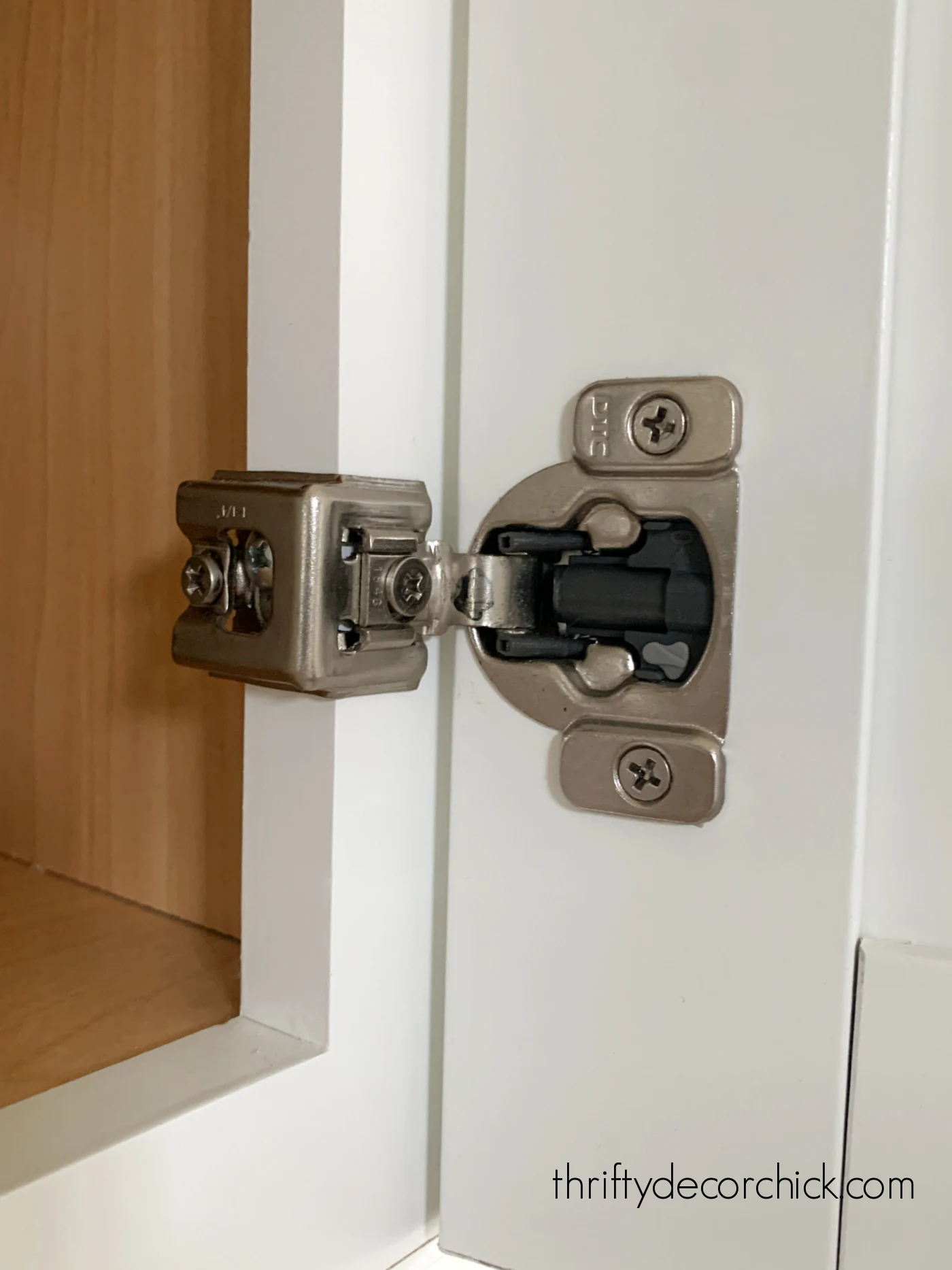
Credit: www.thriftydecorchick.com
Maintaining Soft Close Cabinets
Maintaining soft close kitchen cabinets is important for their long life. Soft close hinges and sliders work smoothly only if cared for. Proper upkeep keeps the doors quiet and prevents damage. Regular attention helps avoid costly repairs or replacements.
Regular Cleaning
Clean cabinet hinges and sliders often. Use a dry cloth to remove dust and dirt. Avoid using water or harsh chemicals that can cause rust. Dirt buildup can block the soft close mechanism. Wipe the cabinet doors and edges gently to keep them smooth.
Lubrication Tips
Lubricate soft close hinges every few months. Use a silicone spray or light oil. Avoid heavy grease as it attracts dust. Apply lubricant sparingly on moving parts only. Open and close doors several times after lubricating. This helps spread the oil evenly and improves motion.
When To Replace Hardware
Replace soft close parts if doors stop closing softly. Look for broken or worn hinges and sliders. Loose hinges can cause doors to slam shut. Hardware that squeaks or sticks needs replacement. Buy parts that match your cabinet model for best fit. Timely replacement keeps cabinets working well and quiet.
Cost And Time Estimates
Adding soft-close features to your kitchen cabinets improves comfort and reduces noise. Knowing the costs and time needed helps plan your project well. This section breaks down average material prices and installation time. It also compares doing it yourself versus hiring a professional.
Average Material Costs
Soft-close hinges and drawer slides usually cost between $10 and $30 each. The total depends on how many cabinets need the upgrade. For a standard kitchen, expect to spend around $100 to $300 on parts. Prices vary by brand and quality. Cheaper options might wear out faster. Mid-range products offer good balance of price and durability.
Time Required For Installation
Installing soft-close hardware takes about 1 to 3 hours for a typical kitchen. If you replace hinges only, it may take less time. Drawer slides might add complexity and require extra steps. Preparation, like removing doors and drawers, adds to the total time. Taking your time ensures proper alignment and smooth closing action.
Diy Vs Professional Help
DIY installation saves money but requires some skill and patience. Basic tools like screwdrivers and drills are needed. Mistakes can cause damage or poor function. Hiring a professional costs more, around $50 to $100 per hour. Pros finish faster and guarantee quality work. Consider your comfort level with tools and small repairs before deciding.

Credit: www.amazon.com
Frequently Asked Questions
How Do Soft Close Kitchen Cabinets Work?
Soft close cabinets use hydraulic or pneumatic hinges. They slow the door’s movement to prevent slamming. This mechanism gently pulls the door closed, reducing noise and wear.
Can I Install Soft Close Hinges Myself?
Yes, most soft close hinges are DIY-friendly. Basic tools and instructions are usually included. Ensure you measure and align hinges correctly for smooth operation.
What Are The Benefits Of Soft Close Cabinets?
Soft close cabinets reduce noise and door damage. They extend cabinet life by preventing slamming. They also add a modern, high-end feel to kitchens.
Are Soft Close Hinges Compatible With All Cabinet Types?
Most soft close hinges fit standard cabinets. However, check hinge size and mounting style before buying. Custom cabinets may require specific hinge models.
Conclusion
Soft close kitchen cabinets bring quiet and ease to your space. Installing them can save you from noisy slams. The process is simple and requires only a few tools. Soft close hinges or dampers fit most cabinets easily. Take your time to align and test each door.
Enjoy the smooth, gentle close every time you use your kitchen. Small changes make a big difference in daily comfort. Try it yourself and notice the quiet improvement. Your kitchen will feel more modern and peaceful.