
If you have a 400,000 Btu pool heater, choosing the right gas line size is crucial for its performance. Using the wrong size can cause your heater to run inefficiently or even stop working.
You want your pool warm and ready whenever you decide to take a dip. You’ll discover exactly what gas line size you need, why it matters, and how to make sure your pool heater gets the fuel it needs to keep your water cozy.
Keep reading to avoid costly mistakes and enjoy a perfectly heated pool all season long.
Credit: montanafirepits.com
Choosing The Right Gas Line Size
Choosing the right gas line size is key for a 400,000 Btu pool heater. The gas line must deliver enough fuel for the heater to work well. A line too small can cause poor heater performance. Too large a line can waste money and effort. Understanding the right size helps keep the heater safe and efficient.
Impact Of Gas Line Size On Heater Performance
The gas line size affects how well the heater runs. A small line limits gas flow. This makes the heater run weak or not start at all. A large line lets gas flow easily but costs more to install. Proper size means the heater gets enough gas to reach full power. It also prevents pressure drops that harm the heater.
Common Gas Line Sizes For 400 000 Btu Heaters
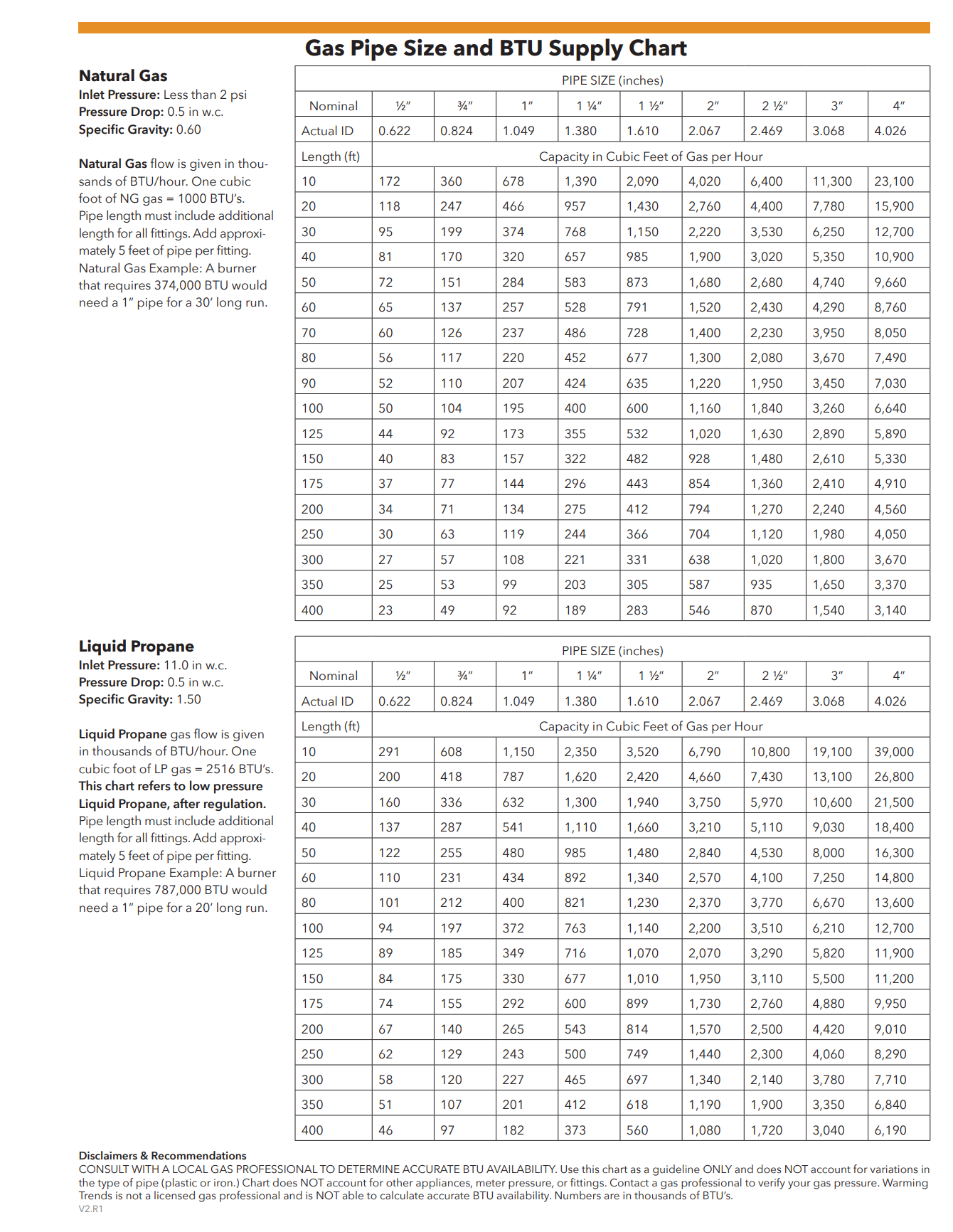
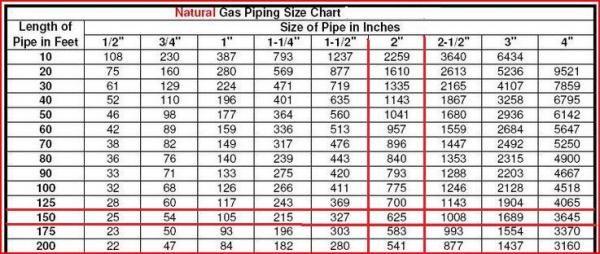
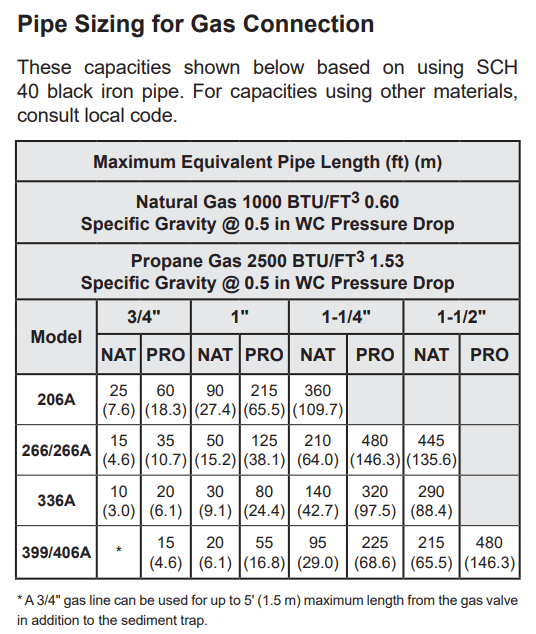
For a 400,000 Btu heater, common gas line sizes include 1-inch and 1¼-inch pipes. The exact size depends on the distance from the gas meter to the heater. Longer distances need bigger pipes to keep gas pressure steady. Local codes and gas type also affect the choice. Always check with a professional to pick the right size.
Calculating Gas Flow Requirements
Calculating gas flow requirements is essential for sizing the gas line for a 400,000 Btu pool heater. The gas line must supply enough fuel to keep the heater running efficiently. Too small a line causes low pressure and poor performance. Too large a line wastes materials and money. This section explains how to find the right gas flow for your heater. Understanding these steps ensures safe and effective operation.
Determining Btu Demand
The first step is to know the Btu demand of your pool heater. The Btu rating tells how much heat energy the heater uses per hour. For a 400,000 Btu pool heater, the demand is 400,000 Btu per hour. This number is the starting point for calculating the gas flow. It shows how much gas the heater needs to burn to work properly.
Converting Btu To Gas Volume
Next, convert the Btu demand into gas volume. Gas volume is measured in cubic feet per hour (CFH). Different gases have different energy content. Natural gas has about 1,000 Btu per cubic foot. Propane has about 2,500 Btu per cubic foot.
For natural gas, divide 400,000 Btu by 1,000 Btu per cubic foot. The result is 400 CFH. This means your gas line must carry 400 cubic feet of natural gas each hour. For propane, divide 400,000 by 2,500. The flow is 160 CFH. This number helps select the right pipe size to handle the gas safely and efficiently.
Material Options For Gas Lines
Choosing the right material for a 400,000 Btu pool heater gas line is important. The material affects safety, durability, and cost. Two common materials stand out: copper and steel. Each one has its own benefits and drawbacks.
Besides material, the type of gas line also matters. Flexible and rigid gas lines serve different needs. Understanding these options helps you pick the best setup for your pool heater.
Copper Vs. Steel Pipes
Copper pipes resist corrosion well. They last a long time and are easy to install. Copper is lightweight and does not rust. It works best for indoor or protected areas.
Steel pipes are strong and tough. They handle outdoor conditions better than copper. Steel is heavier and can rust without proper coating. It fits well for underground or exposed gas lines.
Cost is another factor. Copper pipes usually cost more than steel. But copper may save money on repairs over time. Steel pipes are budget-friendly but may need more upkeep.
Flexible Vs. Rigid Gas Lines
Flexible gas lines bend easily. They fit in tight spaces and simplify installation. These lines reduce the need for many joints. They are often made from corrugated stainless steel tubing.
Rigid gas lines are solid and straight. They provide strong, stable gas flow. Installation takes more time because of precise measurements. Rigid pipes are often made of steel or copper.
Flexible lines suit small or complex layouts. Rigid lines work better for long, straight runs. Both types meet safety codes when installed correctly.
Installation Best Practices
Proper installation is key for a 400,000 Btu pool heater gas line. It ensures safety and efficiency. Following best practices avoids costly repairs and poor performance. Careful planning and precise work make the system reliable and long-lasting.
Ensuring Proper Sizing And Length
Select a gas line size that matches the heater’s Btu rating. Too small a pipe limits gas flow and reduces heat output. A pipe too large wastes materials and space. Measure the distance from the gas source to the heater accurately.
Longer gas lines need larger pipes to maintain pressure. Use charts or calculators to find the right diameter for the length. Keep pipe runs as short and straight as possible. Avoid unnecessary bends and fittings that reduce flow.
Avoiding Common Installation Mistakes
Do not guess the pipe size or length. Avoid using old or damaged pipes. Check all connections for leaks using approved methods. Do not skip installing a shutoff valve near the heater.
Ensure proper slope for drainage in the gas line. Keep the gas line away from water and electrical wiring. Label the gas pipe clearly for safety. Follow local codes and manufacturer guidelines strictly.
Safety Considerations
Safety is very important when installing a 400 000 Btu pool heater gas line. Poor safety measures can cause serious risks. Gas leaks and incorrect installation can lead to accidents. Following safety rules protects your home and family.
Leak Detection And Prevention
Gas leaks are dangerous and must be avoided. Regularly check the gas line for any smell or hissing sounds. Use soapy water on connections to find bubbles that show leaks. Install a gas detector near the heater for early warning. Always turn off the gas supply before doing any work on the line. Proper sealing and tightening of connections prevent leaks.
Compliance With Local Codes
Local codes set rules for safe gas line installation. These rules cover pipe size, materials, and placement. Using the correct 400 000 Btu gas line size ensures safety and efficiency. Always hire a certified professional to follow these codes. Inspections may be needed to confirm compliance. Following codes reduces the risk of accidents and legal problems.
Credit: www.doityourself.com
Maintaining Efficiency Over Time
Maintaining the efficiency of your 400,000 Btu pool heater depends heavily on the gas line size and its condition. A properly sized and well-maintained gas line ensures steady fuel flow. This keeps your pool heater running smoothly and reduces energy waste. Over time, dirt, corrosion, or damage can reduce gas flow. This makes the heater work harder and increases costs. Regular care helps avoid these issues and extends your heater’s life.
Regular Inspection Tips
Check your gas line for cracks or leaks every few months. Look for signs of rust or wear around fittings. Listen for unusual sounds that may indicate a gas leak. Use a soap solution on joints to spot bubbles showing leaks. Clean the area around the gas line to prevent dirt buildup. Ensure valves open and close easily. Inspect the pressure regularly to confirm steady gas flow. Call a professional if you find damage or suspect leaks.
When To Upgrade Your Gas Line
Consider upgrading your gas line if you add more heaters or appliances. A larger heater may need a wider gas line for enough fuel. Frequent low heat output or longer heating times can signal a problem. Old pipes with corrosion or damage reduce efficiency and safety. If gas pressure drops often, it may be time for an upgrade. Upgrading ensures your pool heater gets the right fuel amount. This keeps your pool warm and your bills low.
Credit: www.troublefreepool.com
Frequently Asked Questions
What Size Gas Line Is Needed For A 400,000 Btu Pool Heater?
A 3/4-inch gas line is usually recommended for a 400,000 Btu pool heater to ensure proper flow.
How Does Gas Line Size Affect Pool Heater Performance?
A smaller gas line can reduce gas flow, causing the heater to work inefficiently or not heat properly.
Can I Use A 1/2-inch Gas Line For My 400,000 Btu Heater?
Using a 1/2-inch line is not ideal; it may limit gas flow and reduce heater efficiency.
What Gas Pressure Is Required For A 400,000 Btu Pool Heater?
A gas pressure of 7 to 14 inches water column is typical for natural gas pool heaters of this size.
How Far Can The Gas Line Run For A 400,000 Btu Heater?
Gas line length depends on diameter; longer runs need larger pipes to maintain pressure and flow.
Should I Hire A Professional To Size My Gas Line?
Yes, professionals ensure correct sizing and safe installation, which helps your heater run well and safely.
Conclusion
Choosing the right gas line size matters for a 400,000 Btu pool heater. A proper line keeps your heater working safely and efficiently. Too small a line can cause weak flame or damage. Too large wastes money and space. Always check local codes and ask a professional if unsure.
Good planning saves time and trouble later. Your pool stays warm, and your heater lasts longer. Simple steps make a big difference. Keep your pool comfy all season.