
When it comes to air flow measurements, you might have come across the terms SCFM and CFM. But what do they really mean, and why should you care?
Understanding the difference between SCFM and CFM can save you time, money, and frustration—especially if you work with compressors, pneumatic tools, or HVAC systems. If you want to make sure you’re getting the right equipment and using it correctly, this guide will clear up the confusion and help you make smarter decisions.
Keep reading to unlock the key differences and learn how they affect your projects and purchases.
Basics Of Airflow Measurement
Understanding airflow measurement is essential if you work with compressors, HVAC systems, or any equipment that relies on air movement. It helps you choose the right tools and ensures your system runs efficiently. Let’s break down the basics so you know exactly what you’re dealing with.
What Is Cfm?
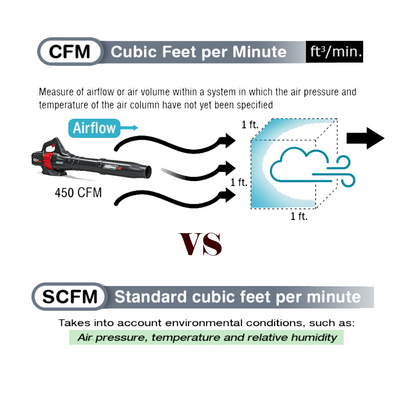
CFM stands for Cubic Feet per Minute. It measures the volume of air flowing through a space every minute. Imagine blowing air through a tube—CFM tells you how much air passes through that tube in one minute.
CFM is commonly used in everyday applications like fans, air conditioners, and vacuum cleaners. However, it doesn’t account for air pressure, temperature, or humidity, which can affect how air behaves in different environments.
What Is Scfm?
SCFM means Standard Cubic Feet per Minute. It adjusts the airflow measurement to a set of standard conditions: usually 68°F (20°C), 14.7 psi (1 atmosphere), and 36% humidity. This makes it easier to compare airflow between different systems or environments.
Think of SCFM as a way to level the playing field. If you’ve ever noticed that a compressor performs differently on hot and cold days, SCFM explains why. It provides a consistent baseline so you can make accurate decisions.
Why Airflow Matters
Airflow affects how well your equipment works. If the airflow is too low, machines can overheat or lose efficiency. Too much airflow can waste energy or cause noise problems.
Have you ever wondered why some air tools feel weaker even though the compressor is rated high? It often comes down to misunderstanding airflow measurements. Knowing the difference between CFM and SCFM helps you pick the right equipment and avoid costly mistakes.
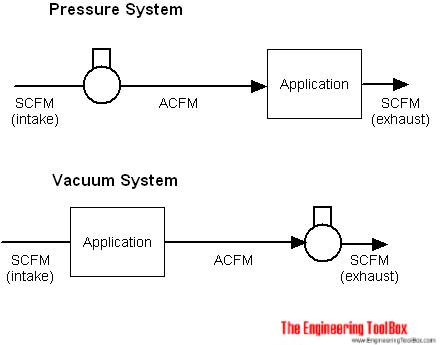
Credit: www.engineeringtoolbox.com
Key Differences Between Scfm And Cfm
The key differences between SCFM and CFM lie in how they measure air volume. SCFM stands for Standard Cubic Feet per Minute. CFM means Cubic Feet per Minute. Both measure airflow but under different conditions. Understanding these differences helps in choosing the right measurement for your needs.
Standard Conditions Explained
SCFM measures air volume at fixed conditions of temperature and pressure. These conditions are called standard conditions. They provide a baseline for comparing airflow. CFM measures air volume at the actual conditions present. This means CFM can vary with weather and environment.
Impact Of Temperature And Pressure
Temperature and pressure affect air density. Higher temperature means air expands and becomes less dense. Lower pressure also reduces air density. SCFM adjusts for these changes by using standard values. CFM does not adjust and shows real-time volume.
Effects Of Humidity
Humidity changes the amount of water vapor in the air. Water vapor is lighter than dry air. SCFM calculations include dry air only, ignoring humidity. CFM measures the total volume, including moisture. This difference impacts airflow measurement accuracy.
Applications And Uses
Understanding the applications and uses of SCFM and CFM is key for many industries. Both terms measure airflow but serve different purposes. Knowing when to use each helps in selecting the right equipment and ensuring accurate performance.
These measurements affect how machines run and how efficient they are. Choosing the correct unit can save money and avoid errors. Below are clear examples and guidance on when to use each term.
When To Use Cfm
CFM stands for cubic feet per minute. It measures the volume of air moving per minute. Use CFM for basic airflow without adjusting for pressure or temperature. It works well for simple systems and general air volume needs. For example, fans or ventilation systems often use CFM to describe airflow.
When To Use Scfm
SCFM means standard cubic feet per minute. It adjusts airflow to standard pressure and temperature. Use SCFM when exact comparisons or calculations are needed. This is important for systems where air pressure and temperature vary. SCFM ensures fair measurement by removing environmental differences.
Industry Examples
Manufacturing plants use SCFM to compare air compressor output accurately. Automotive shops check CFM to size tools like impact wrenches. HVAC technicians rely on SCFM for system design and airflow balance. Food processing uses SCFM to control pneumatic equipment precisely. Each industry picks the right measure to match its needs.
Measuring And Calculating Airflow
Measuring and calculating airflow is key in many industries. It helps ensure systems work safely and efficiently. Two common units for airflow are CFM and SCFM. Understanding how to measure and convert these units is important. This section explains tools, conversion methods, and common mistakes.
Tools For Measuring Cfm
CFM means cubic feet per minute. It shows how much air moves in one minute. Tools like anemometers and flow hoods measure CFM. Anemometers measure air speed at a point. Flow hoods capture air from vents or ducts. Both tools help find airflow volume accurately.
Converting Cfm To Scfm
SCFM stands for standard cubic feet per minute. It adjusts CFM to standard conditions of temperature and pressure. To convert, use the air pressure, temperature, and humidity. This makes airflow data comparable across different settings. The formula ensures accurate and fair measurement.
Common Calculation Mistakes
Many make errors converting CFM to SCFM. Forgetting to use the correct temperature or pressure causes wrong results. Using inconsistent units leads to mistakes too. Another error is ignoring humidity effects. Always double-check values and formulas for accuracy.
Improving Airflow Efficiency
Improving airflow efficiency is key to better performance in many systems. Efficient airflow saves energy and reduces costs. It helps machines work longer and with less wear. Understanding how to improve airflow can make a big difference in your setup.
Small changes can lead to big improvements. Focus on system design, equipment care, and tracking airflow. These areas boost efficiency and keep everything running smoothly.
Optimizing System Design
Design plays a big role in airflow efficiency. Use the right size pipes and ducts to reduce pressure loss. Avoid sharp bends and long runs that block airflow. Position fans and vents to create smooth air paths. Choose materials that do not restrict air. Plan layouts to match the airflow needs of your system.
Maintaining Equipment
Regular maintenance keeps airflow steady and strong. Clean filters, fans, and ducts often. Replace worn parts to prevent leaks and blockages. Check seals and connections for tightness. Well-maintained equipment uses less power and lasts longer. Simple care prevents many airflow problems.
Monitoring Airflow Performance
Track airflow to spot problems early. Use sensors or gauges to measure pressure and volume. Record data to find trends and drops in performance. Adjust settings or fix issues based on real data. Monitoring helps keep your system efficient and saves money over time.

Credit: www.elangcompressor.com
Credit: www.thepneumaticstore.com
Frequently Asked Questions
What Is The Difference Between Scfm And Cfm?
SCFM means Standard Cubic Feet per Minute, while CFM means Cubic Feet per Minute. SCFM measures airflow at standard conditions; CFM measures actual airflow.
Why Is Scfm Important In Air Compressor Ratings?
SCFM shows airflow adjusted to fixed temperature and pressure. It helps compare compressor outputs fairly under the same conditions.
How Does Temperature Affect Cfm And Scfm Readings?
Temperature changes air density, affecting CFM but not SCFM. SCFM corrects for temperature differences to keep measurements consistent.
Can Scfm And Cfm Values Be Equal?
SCFM and CFM can be equal if the air is at standard temperature and pressure. Otherwise, they usually differ due to varying conditions.
Which Unit Is Better For Comparing Air Tools?
SCFM is better because it accounts for pressure and temperature. This makes tool airflow needs clearer and easier to compare.
How Do Pressure Changes Impact Scfm And Cfm?
CFM varies with pressure changes since air volume shifts. SCFM normalizes pressure effects, showing consistent airflow rates.
Is Cfm Or Scfm More Useful For System Design?
SCFM is more useful because it standardizes airflow measurements. It helps engineers design systems that work well under different conditions.
Conclusion
Understanding the difference between SCFM and CFM helps in choosing the right air flow measurement. SCFM measures air flow at standard conditions, while CFM measures actual flow. This matters for tools, compressors, and systems to work efficiently. Always check which unit your equipment uses to avoid confusion.
Clear knowledge saves time and money. Now, you can pick the correct air flow for your needs with confidence.