
Choosing the right robot vacuum can feel overwhelming with so many options out there. If you’re stuck between Roomba and Shark, you’re not alone.
Both brands promise to make your cleaning easier, but which one truly fits your needs? This article breaks down the key differences so you can decide which robot vacuum will keep your home spotless without wasting your time or money.
Keep reading to find out which one is the best match for your lifestyle.
Roomba Models To Consider
Roomba offers many models that fit different home needs. Some focus on strong cleaning, while others work best on hard floors or pet hair. Choosing the right Roomba depends on your budget and the features you want.
Here are key points about popular Roomba models to help you decide.
Top Features Of Roomba
Roomba vacuums have smart navigation to clean efficiently. They use sensors to avoid obstacles and stairs. Many models come with powerful suction for deep cleaning carpets. Some include brushes designed to remove pet hair better. Most have self-emptying bins to reduce maintenance. Voice control works with assistants like Alexa and Google.
Performance And Battery Life
Roomba models clean for 60 to 120 minutes on one charge. Higher-end models use smart mapping to clean only dirty spots. They return to their dock to recharge and resume cleaning automatically. Suction power varies by model but suits most floor types. Battery life is enough for medium to large rooms without stopping.
User Experience And App Integration
The iRobot app lets users schedule cleaning times easily. You can start, pause, or stop the vacuum from your phone. The app shows cleaning maps and vacuum status. Some models support cleaning specific rooms or zones. Notifications alert when the vacuum finishes or needs maintenance. The app is simple and user-friendly for all ages.
Shark Robot Vacuums To Know
Shark robot vacuums offer a solid choice for home cleaning. They come with features that make daily chores easier. Many models provide strong suction and smart navigation. These robots fit well in many homes and budgets. Below, learn about key Shark robot vacuum features, cleaning power, and smart controls.
Key Features Of Shark Models
Shark models often include self-cleaning brushrolls. This helps prevent hair wrap and clogs. Many have multi-surface brushes to clean carpets and hard floors. Some models include a removable handheld vacuum. This adds extra cleaning options for furniture and tight spots. Most Shark vacuums have slim designs to fit under furniture. They also come with strong filters to trap dust and allergens.
Cleaning Efficiency And Runtime
Shark robot vacuums provide strong suction for dirt and debris. Most models run between 60 to 90 minutes on one charge. They return to their charging base automatically. Some models recharge quickly and resume cleaning after charging. Shark robots use sensors to avoid stairs and obstacles. They clean in patterns that cover floors well without repetition.
Smart Controls And Connectivity
Many Shark models connect to smartphone apps. Users can schedule cleanings and start or stop the robot remotely. Voice control works with Alexa and Google Assistant on some models. Apps show battery life and cleaning status in real time. Some vacuums map your home for better navigation. This allows targeted cleaning of specific rooms or areas.
Design And Build Quality
Design and build quality play a key role in robot vacuum performance. These factors affect how well the vacuum moves, cleans, and lasts over time. Both Roomba and Shark offer strong designs but with different strengths. Understanding these differences helps choose the right model for your home.
Size And Weight Comparison
Roomba models are generally compact and lightweight. This makes them easy to move and store. Their low profile helps clean under furniture with ease. Shark robots tend to be slightly larger and heavier. They may struggle more under low-clearance furniture. Size affects how the vacuum navigates tight spaces. Weight influences battery life and ease of handling.
Durability And Materials
Roomba uses high-quality plastic that resists scratches and impacts. Their parts fit tightly, reducing wobble during cleaning. Shark vacuums also use sturdy plastic but feel less solid overall. Roomba’s build quality supports longer use in busy homes. Shark models are good but may show wear sooner. Both brands offer replaceable parts for easy maintenance.
Noise Levels During Operation
Roomba vacuums run quietly, making them ideal for shared spaces. Their motors and brushes work smoothly with less noise. Shark vacuums tend to be louder, especially on hard floors. Noise can affect comfort during cleaning times. Quiet operation helps run the vacuum at any hour without disturbance.
Cleaning Performance Breakdown
Cleaning performance is a key factor in choosing a robot vacuum. Both Roomba and Shark offer strong cleaning features. Understanding how each performs on different surfaces helps you decide the best fit for your home.
Carpet And Hardwood Cleaning
Roomba uses strong suction and multi-surface brushes. It adjusts well between carpets and hardwood floors. Shark also provides good suction and has a self-cleaning brush roll. It handles dirt on hard floors and carpets with ease. Roomba tends to pick up deeper dirt in carpets. Shark works faster on hardwood but may miss some fine dust.
Edge And Corner Cleaning
Roomba has side brushes designed to sweep edges clean. It reaches corners with a spinning brush that pulls dirt inward. Shark’s design includes flexible edge cleaning brushes. It cleans edges well but sometimes leaves small debris in corners. Roomba’s navigation system helps it focus on edges more thoroughly.
Handling Pet Hair And Debris
Roomba excels at picking up pet hair with its tangle-free brush. It traps hair and debris in a sealed bin to prevent dust escape. Shark also handles pet hair well but may need more frequent brush cleaning. Both vacuums have strong filters to capture allergens. Roomba’s brush design reduces hair wrap better than Shark’s.
Navigation And Mapping Tech
Navigation and mapping technology is key for robot vacuums to clean well. It helps them find their way around your home. It also helps them avoid obstacles and clean every spot.
Roomba and Shark use different methods to navigate and map rooms. These differences affect their cleaning performance. Let’s explore how they detect obstacles, map rooms, and handle multiple floors.
Obstacle Detection And Avoidance
Roomba uses sensors to spot furniture and walls. It slows down or changes direction to avoid bumping. Some models have advanced cameras for better detection.
Shark vacuums use sensors too, but they rely more on bumpers. They may gently bump into objects before changing course. This method works but can cause more contact with furniture.
Both brands avoid stairs and drops well. Roomba’s sensors are slightly more precise, reducing collisions.
Room Mapping Accuracy
Roomba uses smart mapping technology. It scans rooms and creates detailed maps. This helps it clean in straight lines and cover all areas.
Shark vacuums map rooms but with less detail. They may clean in a random pattern. This can leave some spots missed or cleaned twice.
Roomba’s mapping gives it an edge in cleaning efficiency and coverage.
Multi-floor Cleaning Capabilities
Roomba can save maps for multiple floors. You can switch between floors easily without remapping. This is good for homes with stairs.
Shark vacuums often need remapping if moved to another floor. They do not save multiple maps well. This means more setup time for different levels.
Roomba’s multi-floor feature offers more convenience for larger homes.

Credit: www.youtube.com
Battery Life And Charging
Battery life and charging play a big role in robot vacuum performance. A good battery lets the vacuum clean larger areas without stopping. Charging features help the robot get ready faster for the next job. Both Roomba and Shark offer different options in these areas. Understanding their battery and charging details helps you pick the best one for your home.
Run Time Comparison
Roomba models often run between 60 and 90 minutes on a full charge. Shark vacuums usually offer a similar runtime, around 60 to 90 minutes. Some Shark models may run slightly longer on low power settings. Both brands provide enough cleaning time for small to medium homes. Long run time reduces the need to recharge during cleaning.
Recharge And Resume Features
Roomba robots automatically return to their dock when the battery is low. After charging, they resume cleaning from where they stopped. Shark vacuums also have this feature in many models. This saves time and keeps cleaning consistent. Recharge and resume makes the robot work smarter and finish bigger jobs.
Charging Station Design
Roomba charging stations are compact and easy to place. They use simple contacts for quick charging. Shark charging docks are slightly larger but stable. Both docks guide the robot to dock correctly every time. The design ensures smooth battery connection and fast charging. A well-designed station helps keep the vacuum ready to clean.
Smart Features And App Control
Smart features and app control make robot vacuums easier to use. Both Roomba and Shark offer apps that connect to your phone. These apps give you control over cleaning without touching the vacuum. You can start, stop, and schedule cleanings right from your device. The smart functions help fit the vacuum into your daily routine.
Voice Assistant Compatibility
Roomba and Shark work with popular voice assistants. You can use Alexa or Google Assistant to control them. Just say commands like “start cleaning” or “stop vacuum.” This hands-free control adds convenience. No need to find your phone or the vacuum’s buttons. Voice commands help when your hands are full or busy.
Scheduling And Customization
Both brands let you schedule cleanings through their apps. Set the vacuum to clean at certain times and days. Roomba offers more options to customize cleaning modes. You can choose specific rooms or areas to clean. Shark also allows basic scheduling and cleaning preferences. Scheduling helps keep your home tidy without extra effort.
Remote Monitoring And Alerts
The apps send alerts about cleaning status or issues. Roomba and Shark notify you if the vacuum is stuck or needs help. You can check the cleaning progress from anywhere. This remote monitoring gives peace of mind. It ensures your home stays clean even when you are away.
Maintenance And Upkeep
Maintaining a robot vacuum keeps it working well for a long time. Both Roomba and Shark need regular care. This helps them clean your home better and last longer.
Filter And Brush Replacement
Filters catch dust and allergens. Over time, they get full and need changing. Roomba filters usually last two months. Shark filters have similar lifespans. Brushes can get tangled with hair and dirt. Roomba brushes are easy to remove and clean. Shark brushes may need more frequent checking. Replacing brushes and filters on time keeps suction strong.
Dustbin Capacity And Cleaning
Dustbins hold dirt collected during cleaning. Roomba dustbins are often smaller. Shark models tend to have larger dustbins. Emptying the dustbin after each use is best. Cleaning the dustbin regularly prevents clogs. Both brands design dustbins for easy removal and washing. A clean dustbin helps the vacuum work without stopping.
Troubleshooting Common Issues
Sometimes robot vacuums stop working well. Roomba may get stuck or lose connection. Shark can face similar problems. Restarting the device often fixes small errors. Check sensors and wheels for dirt or blockage. Updating the vacuum’s software can solve bugs. Following the user manual helps avoid most problems. Regular checks keep your vacuum ready for cleaning.
Price And Value
Price plays a big role when choosing between Roomba and Shark robot vacuums. Both brands offer several models with different features. Understanding the cost and value helps make a smart choice. This section breaks down the price details and what you get for your money.
Cost Comparison Of Models
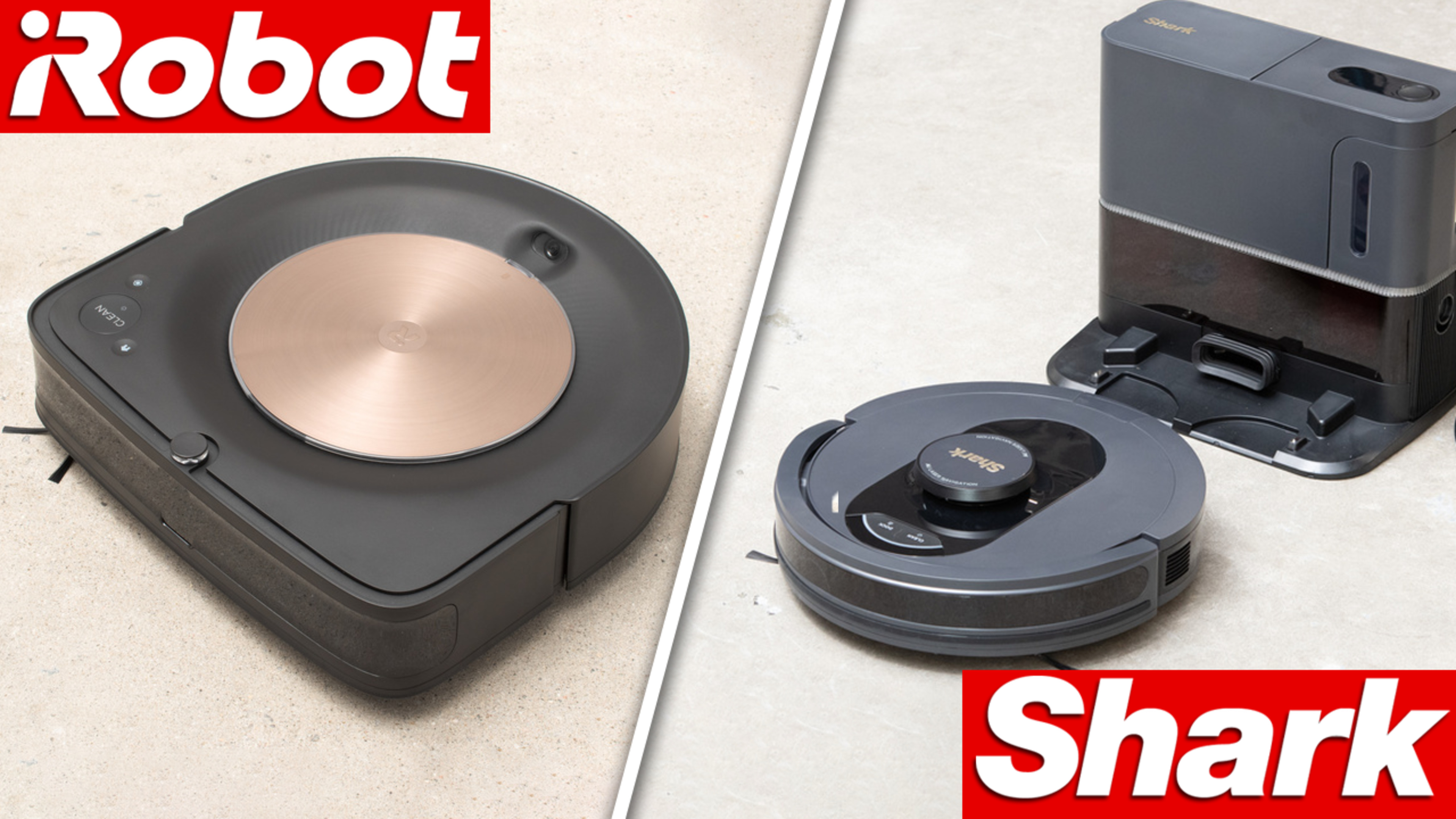
Roomba models often range from $250 to $1,000 or more. Basic versions come at a lower price but have fewer features. High-end Roombas offer advanced mapping and cleaning modes. Shark robot vacuums typically cost between $200 and $600. They provide solid cleaning with smart navigation on mid-range models. Roomba tends to be pricier, but Shark can be more budget-friendly.
Warranty And Customer Support
Roomba usually offers a one-year limited warranty on parts and labor. Some models may have extended coverage. iRobot, the maker of Roomba, has a strong customer support team. Shark robot vacuums also come with a one-year warranty. Shark’s customer service is known for quick responses. Both brands provide good support, but Roomba’s service is often rated higher.
Long-term Value Considerations
Roomba’s advanced technology can save time and effort. Its parts may last longer with proper care. Shark vacuums offer reliable performance at a lower cost. Replacement parts for Shark are often cheaper than Roomba’s. Consider your cleaning needs and budget. A more expensive model might be worth it for frequent use. Less costly options work well for smaller spaces or occasional cleaning.
Credit: www.rtings.com
User Reviews And Ratings
User reviews and ratings offer useful insights about Roomba and Shark robot vacuums. They reveal real experiences from people who use these machines every day. This feedback helps you understand how each vacuum performs in different homes.
Reading user comments shows common strengths and weaknesses of both brands. It also highlights features that users like the most. Let’s explore what customers say about Roomba and Shark robot vacuums.
Positive Feedback Highlights
Many users praise Roomba for its strong suction power. It cleans well on carpets and hard floors. People also like its smart navigation system that avoids obstacles smoothly. The Roomba app is easy to use for scheduling and control.
Shark robot vacuums get good reviews for their affordable price. Users say Shark models work well on pet hair and hardwood floors. The self-cleaning brushroll is a favorite feature. Many find the Shark vacuums lightweight and easy to move.
Common Complaints
Some Roomba users report issues with battery life lasting less than expected. A few mention the vacuum can get stuck under furniture. The noise level bothers some people during operation. Replacement parts can be costly.
Shark vacuums sometimes miss spots and need manual cleaning afterward. Users also mention that the app connectivity can be unreliable. The dustbin fills quickly and needs frequent emptying. Some find Shark’s navigation less precise than Roomba’s.
Expert Recommendations
Experts suggest Roomba for larger homes with various floor types. It suits users who want advanced features and don’t mind higher costs. Roomba’s strong cleaning ability makes it a solid choice for pet owners.
Shark is recommended for budget-conscious buyers needing a simple, effective cleaner. It works well for smaller spaces and hardwood floors. Shark vacuums fit well in homes with fewer obstacles and less complex layouts.
Best Choice For Different Needs
Choosing between a Roomba and a Shark robot vacuum depends on your specific needs. Each brand offers unique features suited for different home environments and budgets. Understanding these differences helps pick the best option for your lifestyle.
For Pet Owners
Roomba models often include strong suction and special brushes. These are designed to capture pet hair effectively. Many Roombas also have sensors to avoid pet accidents. Shark vacuums have good pet hair cleaning too, but Roomba leads in this area. Roomba’s self-emptying feature reduces contact with pet dander. This helps keep your home cleaner and safer for allergy sufferers.
For Large Homes
Roomba vacuums generally have longer battery life. They can clean bigger spaces on one charge. Roomba’s smart mapping remembers room layouts for efficient cleaning. Shark robot vacuums often need more frequent recharging. They may miss some areas in large homes. For extensive floor plans, Roomba offers better coverage and navigation. This reduces the need for manual intervention during cleaning.
For Budget-conscious Buyers
Shark offers affordable robot vacuums with solid cleaning power. These models work well on various floor types. Shark vacuums provide good value for the price. Roomba vacuums tend to be more expensive due to advanced features. Budget buyers benefit from Shark’s simpler, cost-effective models. They get reliable cleaning without a high price tag.

Credit: www.youtube.com
Frequently Asked Questions
What Are The Main Differences Between Roomba And Shark Vacuums?
Roomba uses advanced sensors for smart navigation. Shark offers strong suction and flexible cleaning modes. Both have unique features suited for different needs.
Which Robot Vacuum Cleans Better On Carpets?
Roomba excels on carpets with its powerful brushes. Shark also cleans well but suits hard floors better. Carpet type may affect which performs best.
How Long Do Roomba And Shark Robot Batteries Last?
Roomba batteries typically last around 60 to 90 minutes. Shark models often run for about 60 minutes per charge. Battery life depends on cleaning mode and usage.
Are Roomba Or Shark Vacuums Easier To Control With Apps?
Roomba offers a user-friendly app with mapping and scheduling. Shark’s app is simpler but effective for basic controls. Both apps help customize cleaning preferences.
Do Roomba And Shark Robot Vacuums Handle Pet Hair Well?
Roomba has specialized brushes designed for pet hair pickup. Shark also performs well but may need frequent filter cleaning. Both are good options for homes with pets.
Which Robot Vacuum Is Quieter During Operation?
Roomba models tend to be quieter with soft motor sounds. Shark vacuums are slightly louder but still suitable for home use. Noise levels vary by model and cleaning mode.
How Do Roomba And Shark Vacuums Compare In Price?
Roomba vacuums usually cost more due to advanced technology. Shark offers more budget-friendly options with solid performance. Pricing depends on features and model type.
Conclusion
Both Roomba and Shark offer strong cleaning options. Roomba excels in smart mapping and app control. Shark stands out with powerful suction and affordability. Consider your budget and home needs carefully. Small spaces might benefit more from Shark’s design. Larger homes might prefer Roomba’s navigation features.
Either choice helps keep floors clean and tidy. Choose what fits your lifestyle best. You can’t go wrong with either brand. Quality robotic cleaning is within your reach.