
When it comes to keeping your home clean, choosing the right vacuum can make all the difference. You might be wondering whether a bagless or a bagged vacuum is better for your needs.
Both have their fans, but which one truly fits your lifestyle? This article will help you understand the key differences, so you can make a smart choice that saves you time, money, and hassle. Keep reading—you’re about to discover the vacuum that’s just right for you.

Credit: charlievacs.com
How Vacuum Cleaners Work
Vacuum cleaners use simple parts to clean floors and carpets. They pull dirt, dust, and debris into a container or bag. Understanding how vacuums work helps you choose the right one. The main parts work together to create suction and trap dirt.
Basic Components
Every vacuum has a motor, fan, and dust container. The motor powers the fan, which creates suction. The dust container holds the dirt and dust collected. Some vacuums use bags, others use a bin. Attachments help clean different surfaces and tight spots.
Suction Mechanism
The fan spins fast to pull air inside the vacuum. This creates low pressure inside the machine. Air rushes in through the vacuum’s opening to fill the space. The air carries dirt and dust with it. Suction strength depends on the motor power and fan design.
Filtration Systems
Filters stop dust and allergens from escaping back into the air. Bagged vacuums trap dirt inside a replaceable bag. Bagless models use a filter and a dustbin. HEPA filters catch very small particles for cleaner air. Regular cleaning or replacing filters keeps the vacuum working well.
Bagged Vacuums Features
Bagged vacuums have been a popular choice for many years. Their design and features make cleaning simple and effective. This section explores the key features of bagged vacuum cleaners. It helps you understand why some people still prefer them over bagless models.
Design And Function
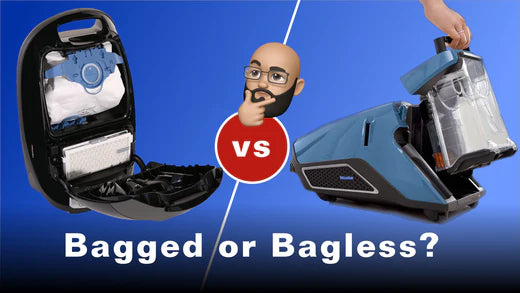
Bagged vacuums use replaceable bags to collect dust and dirt. The bags are usually made from cloth or paper. They fit inside the vacuum’s main compartment. As the vacuum runs, dirt is sucked into the bag. This keeps the dust sealed inside. It also prevents the motor from clogging. Most bagged vacuums have a strong suction power. They work well on carpets and hard floors. Some models include filters to trap tiny particles.
Advantages
Bagged vacuums keep dirt and dust contained. This means less mess when emptying the vacuum. The sealed bags also help reduce allergies. They trap dust and allergens better than some bagless models. Bagged vacuums usually need less frequent cleaning. The bags can hold a large amount of dirt. Changing the bag is easy and clean. This makes them ideal for people with allergies or asthma.
Common Drawbacks
One downside is the cost of replacement bags. These bags need to be bought regularly. If you run out, the vacuum cannot be used. Some bags may reduce suction as they fill. This can affect cleaning performance. Bagged vacuums also tend to be larger and heavier. This might make them harder to carry or store. Lastly, finding the right bag for your model can be a hassle.
Bagless Vacuums Features
Bagless vacuums offer a modern way to clean your home. They do not use disposable bags to collect dust and dirt. Instead, they store debris in a clear container. This design lets you see when the vacuum needs emptying. Bagless vacuums often use cyclonic technology to separate dust from air. This helps keep the vacuum running strong and prevents clogging.
Design And Function
Bagless vacuums have a clear dustbin instead of a bag. The dustbin is usually easy to remove and empty. Many models use cyclones to spin dust away from the airflow. This keeps the filter cleaner for longer. Most bagless vacuums have washable filters. This saves money on replacements. They are usually lighter and easier to carry than bagged models. The design aims for convenience and quick cleanups.
Advantages
Bagless vacuums save money by not needing bags. You can see how full the dustbin is at all times. Emptying the container is simple and fast. They often have strong suction due to cyclonic action. Filters last longer because less dust clogs them. These vacuums are good for people who want easy maintenance. They also reduce waste since no bags go to trash.
Common Drawbacks
Emptying the dustbin can release dust into the air. This may be a problem for allergy sufferers. Some models have smaller dustbins, needing frequent emptying. The clear container can get dirty and need cleaning. Bagless vacuums can be noisy during use. Filters still require regular cleaning or replacing. Not all models capture very fine dust well. This can affect air quality inside the home.

Credit: www.airtasker.com
Performance Comparison
Choosing between bagless and bagged vacuums often depends on how well each performs. Let’s explore key areas like suction power, dust containment, and maintenance. These factors help decide which type suits your cleaning needs.
Suction Power
Bagged vacuums usually maintain strong suction for longer periods. The bags trap dust effectively, preventing clogs. Bagless models can lose suction as dirt fills the container. Some bagless vacuums have filters to keep suction steady. Still, bags tend to hold more dirt without losing power quickly.
Dust Containment
Bagged vacuums keep dust sealed inside the bag. This reduces the chance of dust escaping during disposal. Bagless vacuums collect dust in a bin, which can release particles when emptied. Filters in bagless models help capture fine dust. People with allergies might prefer bagged options for cleaner disposal.
Maintenance Requirements
Bagged vacuums need bag replacements regularly. Changing bags is simple but adds ongoing cost. Bagless vacuums require emptying the dust container after each use. They also need filter cleaning or replacing. Both types need brush and belt checks, but bagless models often need more frequent filter care.
Health And Allergy Considerations
Choosing between bagless and bagged vacuums affects health and allergies. Dust, pollen, and tiny particles can worsen allergy symptoms. Understanding how each vacuum handles these particles helps keep your home’s air clean.
Air Quality Impact
Bagged vacuums trap dust inside sealed bags. This keeps dust from escaping back into the air. Bagless vacuums collect dirt in a bin that must be emptied. Some dust may escape when emptying the bin, lowering air quality.
Ease Of Cleaning Filters
Bagless vacuums use filters that need regular cleaning. Washing or replacing these filters keeps the vacuum working well. Bagged vacuums usually have fewer filters to clean. This makes maintenance easier and helps control dust better.
Suitability For Allergy Sufferers
Bagged vacuums are better for allergy sufferers. They reduce dust exposure during emptying. Bagless models can release dust, causing sneezing or coughing. For sensitive people, sealed bags and HEPA filters offer extra protection.
Cost Factors
Cost plays a big role when choosing between bagless and bagged vacuums. It is important to look beyond just the sticker price. The total cost includes buying the vacuum, replacing parts, and long-term upkeep. These factors affect your budget over time.
Initial Purchase Price
Bagged vacuums often cost less upfront. They use simple technology and fewer parts. Bagless models tend to be pricier. Their design includes filters and containers that add to the cost. You pay more at the start for bagless machines.
Replacement Parts And Bags
Bagged vacuums need new bags regularly. These bags add to your monthly expenses. Bagless vacuums do not require bags. They use washable or replaceable filters instead. Filters can be costly but last longer than bags. Consider how often you must buy these parts.
Long-term Expenses
Bagged vacuums have ongoing costs for bags and filters. These costs add up over months and years. Bagless vacuums save money on bags but may need filter replacement. Cleaning and maintenance affect expenses too. Choose a vacuum that fits your budget and cleaning habits.
Environmental Impact
Choosing between bagless and bagged vacuum cleaners affects the environment differently. Understanding their impact helps make better decisions. This section explains how each type influences waste, energy use, and materials.
Waste Generation
Bagged vacuums create more waste because of disposable bags. Each bag fills up and must be thrown away. This adds to landfill problems. Bagless vacuums use a reusable container. You only empty the dirt, reducing trash. This makes bagless vacuums better for cutting waste.
Energy Efficiency
Bagless vacuums may use more energy to maintain suction. Dirt can block filters, making the vacuum work harder. Bagged vacuums keep dirt sealed in bags, helping steady airflow. This can save energy during use. Still, energy use depends on the vacuum model, not just bag type.
Sustainability Of Materials
Bagged vacuums rely on paper or synthetic bags, often single-use. These bags need constant replacement, increasing resource use. Bagless vacuums use plastic containers that last longer. Some parts can be recycled or reused. Choosing products made from recycled materials boosts sustainability further.
Credit: vacuumwarehouse.ca
Choosing The Right Vacuum
Selecting the best vacuum cleaner depends on many factors. Your home, family, and budget all matter. A vacuum must fit your lifestyle and needs. Bagless and bagged models each have benefits.
Think about where you live and how you clean. This helps you pick the right type. The right vacuum makes cleaning easier and faster. It also helps keep your home healthy.
Home Size And Flooring Type
Large homes may need vacuums with big dustbins or bags. Smaller homes can use compact models. Hard floors and carpets need different vacuum features. Bagless vacuums often work well on hard floors. Bagged vacuums usually handle carpets better.
Family Needs And Lifestyle
Families with pets should choose vacuums with strong suction. Bagless models let you see when to empty the bin. Bagged vacuums keep dust inside, good for allergy sufferers. Consider how often you clean and who lives with you.
Budget And Preferences
Bagless vacuums often cost less upfront but need filter replacements. Bagged vacuums have ongoing costs for bags. Some people prefer not to touch dust, so bagged models suit them. Others like easy emptying with bagless designs. Choose what fits your budget and comfort.
Top Brands And Models
Choosing between bagged and bagless vacuums means exploring top brands and models. Each type offers unique benefits that suit different cleaning needs. Knowing the popular options helps find the right vacuum faster. Some brands focus on strong suction, while others emphasize ease of use and maintenance.
Popular Bagged Vacuums
Bagged vacuums often come from trusted brands like Hoover, Miele, and Kenmore. Hoover models are known for their strong suction and long-lasting bags. Miele offers high-quality filters, great for allergy sufferers. Kenmore vacuums balance power and affordability. These models keep dust sealed inside bags, reducing contact with dirt.
Popular Bagless Vacuums
Bagless vacuums from Dyson, Shark, and Bissell lead the market. Dyson is famous for cyclonic technology that keeps suction steady. Shark vacuums often include flexible designs and easy-empty bins. Bissell offers budget-friendly options with solid performance. Bagless models let users see dirt collection, making cleaning more visual.
Innovative Features To Consider
Look for HEPA filters to improve air quality by trapping allergens. Lightweight designs help reach tight spaces and reduce fatigue. Some models include adjustable suction for carpets and hard floors. Cordless options add freedom to move around without plugs. Easy-to-empty dustbins or bag replacements save time and effort.
Maintenance Tips For Longevity
Maintaining your vacuum cleaner properly helps it last longer and work better. Both bagless and bagged vacuums need some care to stay strong and clean. Small habits make a big difference in keeping your vacuum ready for every cleaning job.
Cleaning And Replacing Filters
Filters trap dust and dirt inside the vacuum. Clean filters often to keep airflow smooth. Rinse washable filters with water and let them dry fully before use. Replace non-washable filters as the manual suggests. Dirty filters reduce suction and can damage the motor.
Proper Bag Handling
For bagged vacuums, change bags before they get too full. Full bags block airflow and lower suction power. Remove bags gently to avoid dust spills. Seal used bags properly before throwing them away. Use only the recommended bag type for your model.
Troubleshooting Common Issues
Vacuum not picking up dirt? Check for blockages in the hose or brush. Clear any clogs carefully. If the vacuum loses suction, check the filters and bags. Strange noises often mean a stuck brush roll or debris inside. Regular checks prevent small problems from becoming big ones.
Frequently Asked Questions
What Are The Main Differences Between Bagless And Bagged Vacuums?
Bagless vacuums collect dirt in a clear container, while bagged ones use replaceable bags. Bagged models often hold more dust and reduce allergen release. Bagless vacuums need frequent emptying but save on bag costs.
Which Vacuum Type Is Better For Allergy Sufferers?
Bagged vacuums trap dust and allergens inside the bag, limiting dust exposure. Bagless models may release more dust when emptied. For allergies, bagged vacuums usually offer cleaner air.
How Do Bagless Vacuums Save Money Over Time?
Bagless vacuums avoid buying replacement bags, cutting ongoing costs. You only need to empty and clean the dust container. This makes them cheaper in the long run.
Are Bagged Vacuums Easier To Maintain?
Bagged vacuums require bag changes but less frequent filter cleaning. The bags hold dirt well, reducing dust inside the vacuum. This means less mess during maintenance.
Which Vacuum Type Has Better Suction Power?
Both types can have strong suction, but bagless models sometimes lose power as the container fills. Bagged vacuums keep suction more consistent until the bag is full. Suction depends on the specific model, not just type.
Can Bagless Vacuums Cause More Dust Exposure?
Emptying bagless dust containers can release dust into the air. Bagged vacuums trap dust inside sealed bags, reducing dust release. People sensitive to dust may prefer bagged vacuums.
How Do Environmental Impacts Compare Between The Two?
Bagless vacuums produce less waste since they don’t need disposable bags. Bagged vacuums create more trash with used bags. Choosing reusable bags or recyclable options can reduce impact.
Conclusion
Choosing between bagless and bagged vacuums depends on your needs. Bagless vacuums save money on bags but need frequent emptying. Bagged vacuums keep dust sealed but require buying bags. Both types clean well and have pros and cons. Think about allergies, budget, and ease of use.
The right vacuum makes cleaning easier. Pick the one that fits your home and lifestyle best. Simple and practical choices work well for daily cleaning.