
Are you confused about whether you need an air compressor or a vacuum pump for your project? You’re not alone.
Both tools look similar and work with air, but they serve very different purposes. Choosing the right one can save you time, money, and frustration. You’ll discover the key differences between an air compressor and a vacuum pump. By the end, you’ll know exactly which one fits your needs and why it matters for your work.
Keep reading to make the smartest choice for your next project.
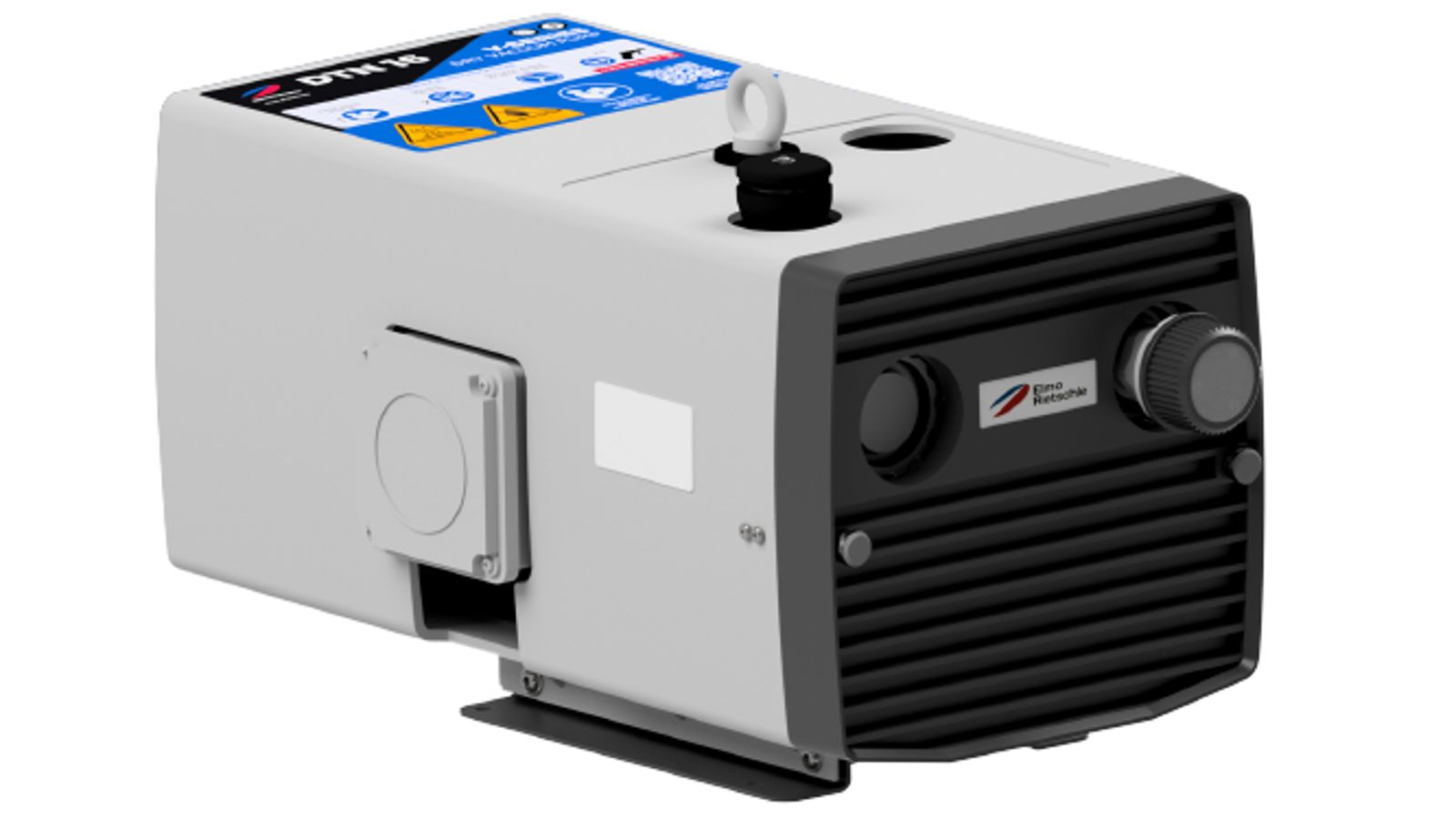
Credit: www.elmorietschle.com
Basic Functions
Understanding the basic functions of air compressors and vacuum pumps helps to see their differences. Both tools move air but in opposite ways. This section explains how each machine works to serve different needs.
How Air Compressors Work
An air compressor pulls in air from the environment. It then squeezes this air to increase pressure. This compressed air stores energy that can power tools and machines. The compressor releases air when pressure is needed. It works like a pump that pushes air into a smaller space. This process makes the air dense and powerful.
How Vacuum Pumps Work
A vacuum pump removes air from a space or container. It lowers the pressure inside by pulling air out. This creates a vacuum or empty space with less air. The pump keeps air from coming back in by sealing the area. Vacuum pumps help in processes that need low air pressure. They work like a vacuum cleaner but for closed spaces.
Pressure And Vacuum Levels
Pressure and vacuum levels are key factors that separate air compressors from vacuum pumps. These levels define how each machine performs in different tasks. Understanding these values helps in choosing the right tool for your needs.
Typical Pressure Ranges For Air Compressors
Air compressors push air into a space to increase pressure. They usually work between 90 and 150 psi (pounds per square inch). Some heavy-duty models can reach up to 200 psi. These pressure levels are enough for tasks like inflating tires or running pneumatic tools.
Lower pressure compressors are common in small workshops. Higher pressure models suit industrial use. The pressure level needed depends on the tool or job at hand.
Typical Vacuum Levels For Vacuum Pumps
Vacuum pumps remove air to create low pressure or vacuum. They often reach vacuum levels from 29 inches of mercury (inHg) to 29.9 inHg. The closer to 29.9 inHg, the stronger the vacuum.
Different types of vacuum pumps serve various industries. Some provide a gentle vacuum for packaging. Others create a very strong vacuum for scientific equipment.
Common Applications
Air compressors and vacuum pumps serve different functions but both play important roles in various industries. Understanding their common applications helps to see where each device fits best. Both tools power machines, but their uses and effects differ significantly.
Air compressors produce pressurized air to power tools and equipment. Vacuum pumps remove air or gas to create a vacuum. Each finds use in specialized fields based on these capabilities.
Industries Using Air Compressors
Construction relies heavily on air compressors. They power nail guns, drills, and jackhammers.
Manufacturing plants use them to operate pneumatic tools and spray paint systems.
Automotive repair shops use compressed air to inflate tires and run impact wrenches.
Food processing uses compressed air for packaging and cleaning machinery.
Hospitals use air compressors in respiratory devices and dental tools.
Industries Using Vacuum Pumps
Pharmaceutical companies use vacuum pumps for drying and packaging medicines.
Chemical plants rely on them for distillation and filtration processes.
Electronics manufacturers use vacuum pumps to assemble semiconductors.
Food packaging industries use vacuum pumps to preserve freshness.
Laboratories use vacuum pumps for experiments requiring low-pressure environments.
Design And Components
The design and components of air compressors and vacuum pumps show their different functions. Each device has parts that help it work well. Knowing these parts helps you understand how they operate and what makes them unique.
Air compressors push air into a container to raise pressure. Vacuum pumps pull air out from a space to create a vacuum. This opposite action means their designs differ in many ways.
Key Parts Of Air Compressors
Air compressors have several main parts that work together. The motor powers the machine. It drives the compressor pump, which moves air.
The compressor pump has cylinders and pistons. These parts squeeze air to increase pressure. The intake valve lets air in. The discharge valve sends air out under high pressure.
Air tanks store the compressed air until needed. Pressure switches control when the compressor turns on or off. Filters clean the air before it enters the pump.
Key Parts Of Vacuum Pumps
Vacuum pumps include parts that remove air from a space. The motor runs the pump mechanism. The pump creates suction to pull air out.
Rotors or vanes inside the pump move to create low pressure. In some pumps, a piston moves back and forth to remove air. Valves help control airflow direction.
Seals prevent air from leaking back into the vacuum space. Filters stop dust and particles from entering the pump. Some vacuum pumps have oil to help seal and cool parts.
Energy Consumption
Energy consumption plays a vital role in choosing between an air compressor and a vacuum pump. Both devices use electricity to work, but their power needs differ. Understanding these differences helps save energy and reduce costs. It also helps in selecting the right equipment for your task.
Power Requirements For Air Compressors
Air compressors need more power to operate. They work by compressing air to high pressure. This process uses a lot of electricity, especially in larger models. The motor size usually ranges from small 1 HP units to large 100 HP systems. The higher the pressure and airflow, the more power the compressor consumes. Continuous use increases energy consumption even more.
Some air compressors have features to reduce energy use. These include variable speed drives that adjust power based on demand. Still, air compressors generally have higher power needs than vacuum pumps. Regular maintenance also helps keep energy use efficient.
Power Requirements For Vacuum Pumps
Vacuum pumps consume less power compared to air compressors. They remove air or gas from a sealed space to create vacuum pressure. This task usually requires less force than compressing air. The motors often range from small 0.5 HP units to about 10 HP for industrial models.
Energy use depends on the vacuum level and pump type. Some vacuum pumps run continuously but at lower power. Others work in cycles, saving energy during idle times. Proper sizing of the vacuum pump ensures energy efficiency and avoids waste.
Maintenance Needs
Both air compressors and vacuum pumps require regular maintenance to work well. Proper care keeps them running longer and prevents costly repairs. Each machine has specific needs to stay in good shape. Understanding these needs helps avoid downtime and improves performance.
Air Compressor Maintenance Tips
Check the oil level often to keep the compressor lubricated. Change the oil as recommended by the manufacturer. Clean or replace air filters regularly to avoid dust buildup. Drain moisture from the tanks to prevent rust. Tighten bolts and fittings to stop leaks. Inspect belts for wear and replace if needed. Keep the compressor in a dry, cool place to avoid overheating.
Vacuum Pump Maintenance Tips
Change the pump oil regularly to maintain suction power. Clean the inlet filter to stop dirt from entering. Inspect seals and gaskets to avoid air leaks. Check the vacuum lines for cracks or damage. Keep the pump cool by ensuring good ventilation. Follow the manufacturer’s schedule for replacing parts. Store the pump in a clean, dry area to extend its life.
Cost Considerations
Cost is a key factor when choosing between an air compressor and a vacuum pump. Understanding both the initial and ongoing expenses helps in making the right choice. Each device has different price points and running costs. These costs affect your budget and long-term investment.
Initial Investment
Air compressors usually cost less upfront than vacuum pumps. Simple models start at affordable prices. More powerful or specialized compressors can be expensive.
Vacuum pumps often require a higher initial spend. They use complex technology and materials. This raises their purchase price.
Consider the size and purpose of your equipment. Bigger machines tend to cost more, no matter the type.
Operational Costs
Air compressors consume electricity based on usage and size. Regular maintenance includes oil changes and filter replacements. These add to running expenses.
Vacuum pumps also need energy but may run continuously for some tasks. This can increase power bills. They require regular checks to avoid breakdowns.
Parts for vacuum pumps can be pricier than for compressors. Budget for repairs and servicing over time.
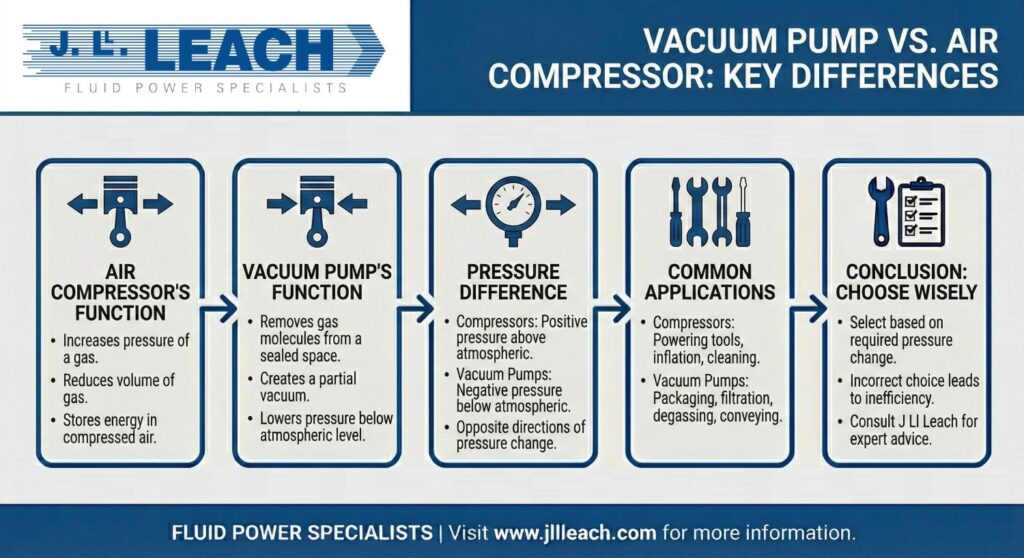
Credit: www.jllleach.com
Performance And Efficiency
Performance and efficiency are key when comparing air compressors and vacuum pumps. Both machines serve different purposes but share a need to work effectively. Understanding their efficiency can help you choose the right tool for your needs.
Efficiency means how well a machine uses energy to do its job. Performance relates to how much work it can handle in a set time. Both factors matter for cost savings and long-term use.
Efficiency Factors For Air Compressors
Air compressors’ efficiency depends on several factors. The motor size and type affect energy use. A well-sealed system reduces air leaks, saving power. The compressor’s duty cycle impacts how long it runs without stopping. Proper maintenance keeps parts working smoothly and prevents energy loss. Using variable speed drives can adjust power use based on demand. Cooler operating temperatures also improve efficiency by reducing strain.
Efficiency Factors For Vacuum Pumps
Vacuum pumps rely on different factors for efficiency. Pump design affects how well air or gas is removed. The seal quality reduces leaks and improves vacuum strength. Operating speed should match the vacuum level needed. Regular cleaning prevents blockages that slow performance. Using the correct type of pump for the task ensures less energy waste. Proper lubrication helps moving parts work with less friction.
Safety Precautions
Safety is crucial when working with air compressors and vacuum pumps. Both tools operate under pressure and involve moving parts. Taking proper precautions helps prevent accidents and injuries. Understanding specific risks tied to each device is important.
Risks With Air Compressors
Air compressors store and release compressed air. This can cause sudden bursts of energy. Hose bursts may lead to serious injuries. Overheating is common and can cause fires. Loud noise from compressors may damage hearing. Improper handling can cause falling or tripping. Always check hoses and connections for leaks. Wear ear protection in noisy environments. Keep the area clean and free of obstacles.
Risks With Vacuum Pumps
Vacuum pumps create low pressure by removing air. They can draw in loose clothing or hair. Oil leaks from some pumps can cause slips or burns. Some pumps use hazardous chemicals that require care. High temperatures may develop during operation. Electrical faults may lead to shocks or fires. Always use gloves and eye protection. Ensure proper ventilation to avoid harmful fumes. Regular maintenance reduces the risk of breakdowns.
Choosing The Right Equipment
Choosing the right equipment between an air compressor and a vacuum pump can be tricky. Both tools serve different purposes and work in unique ways. Picking the correct one helps save time, money, and effort. It also ensures the job gets done properly. Knowing what to consider can make this choice easier.
Factors To Consider
Think about the type of work you need to do. Air compressors push air out, while vacuum pumps pull air in. Consider the pressure and suction levels needed. Size and power also matter. Noise levels and energy use affect your daily work. Check how easy the equipment is to maintain. Budget limits should guide your choice too.
Matching Equipment To Needs
Match the tool to the task at hand. Use an air compressor for tasks needing high-pressure air. A vacuum pump works best for creating a vacuum or removing air. Consider the environment where you will use the tool. Some jobs need portable machines, others can use fixed ones. Always think about future needs as well. This helps pick equipment that lasts long and works well.

Credit: indoair.com
Frequently Asked Questions
What Is The Main Difference Between An Air Compressor And A Vacuum Pump?
An air compressor pushes air into a space to increase pressure. A vacuum pump removes air to create low pressure or vacuum.
Which Device Is Better For Inflating Tires, Air Compressor Or Vacuum Pump?
Air compressors are better for inflating tires because they increase air pressure. Vacuum pumps do not add pressure, so they are not suitable.
Can An Air Compressor Create A Vacuum Like A Vacuum Pump?
No, an air compressor cannot create a vacuum. It only compresses and pushes air, not remove it.
What Are Common Uses Of Vacuum Pumps Compared To Air Compressors?
Vacuum pumps are used in labs and electronics to remove air. Air compressors power tools, inflate tires, and spray paint.
Do Air Compressors Consume More Energy Than Vacuum Pumps?
Air compressors usually consume more energy because they work against atmospheric pressure. Vacuum pumps often use less power since they remove air.
Are Vacuum Pumps Safer Than Air Compressors For Medical Applications?
Yes, vacuum pumps are safer for medical uses as they create a controlled vacuum. Air compressors are not designed for such sensitive tasks.
How Does Maintenance Differ Between Air Compressors And Vacuum Pumps?
Air compressors need regular oil changes and filter cleaning. Vacuum pumps require checking seals and oil to maintain vacuum strength.
Conclusion
Choosing between an air compressor and a vacuum pump depends on your needs. Air compressors push air to power tools or fill tires. Vacuum pumps remove air to create a vacuum for various tasks. Each tool serves a unique purpose in different industries.
Understanding their functions helps you pick the right one. Think about what you want to achieve first. This way, you avoid extra costs and get better results. Both tools work well but in different ways. Choose wisely for your specific job.