
When it comes to keeping your home spotless, choosing the right vacuum can make all the difference. You’ve probably heard of Miele and Dyson—two big names known for powerful cleaning tools.
But which one is truly the best fit for your needs? Whether you want something easy to use, super efficient, or built to last, this comparison will help you decide. Keep reading to find out which brand wins when it comes to performance, features, and value—so you can make the smartest choice for your home.
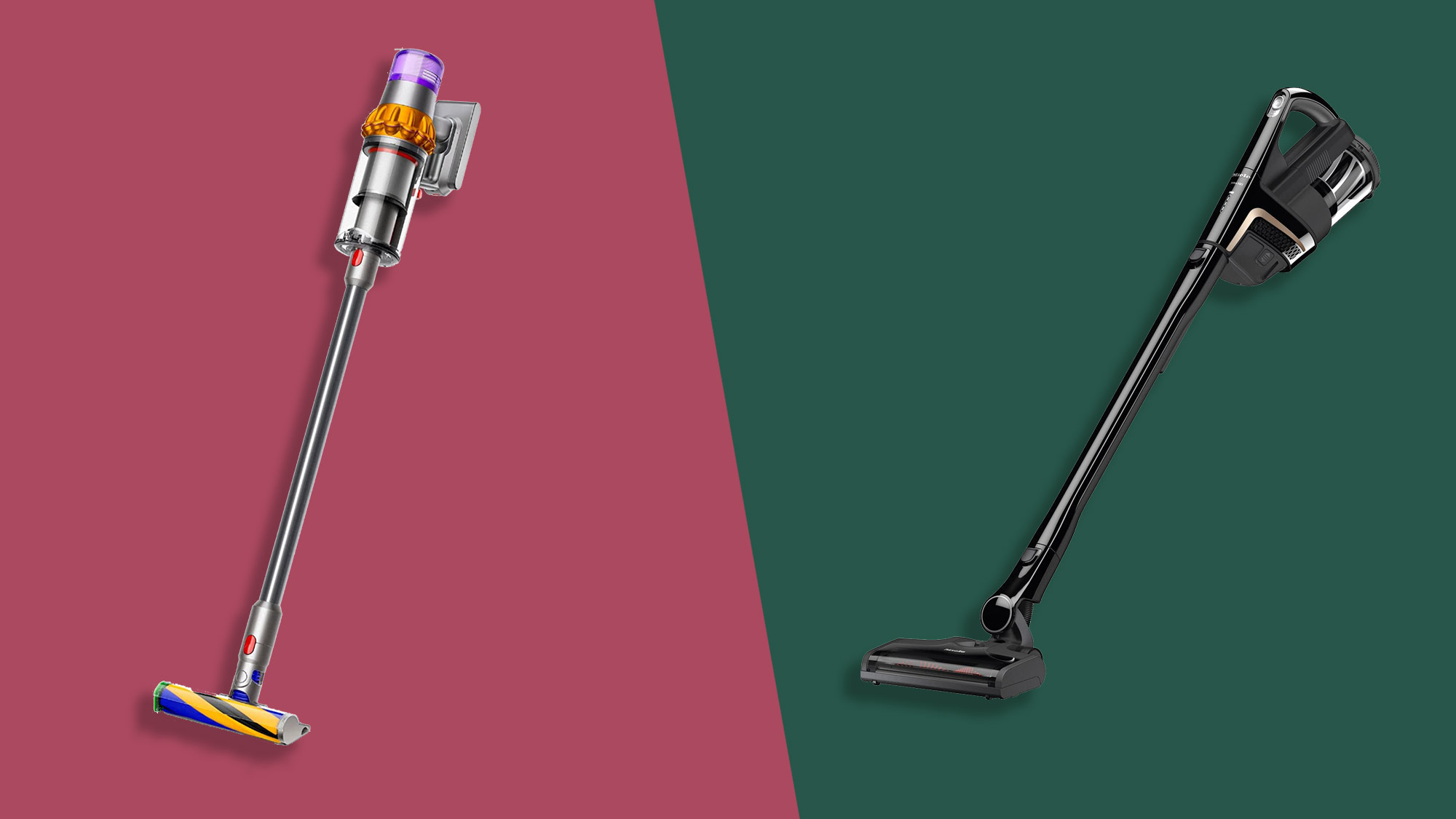
Credit: www.techradar.com
Brand Histories
Understanding the histories of Miele and Dyson helps us see what makes each brand unique. Both have strong backgrounds that shape their products today. Their stories show their values and approaches to home cleaning technology.
Miele’s Legacy
Miele started in Germany in 1899. It began as a small family business focused on quality. Over 120 years, it built a reputation for durable and reliable appliances. Miele designs products to last for decades. Their motto, “Immer Besser,” means “Forever Better.” This shows their commitment to constant improvement. They use precise engineering and strict testing. This ensures every product meets high standards. Miele is known for quiet operation and strong performance. Their vacuum cleaners reflect this heritage of excellence.
Dyson’s Innovation
Dyson is a younger company, founded in 1991 in the UK. James Dyson invented the first bagless vacuum using cyclone technology. This changed how vacuums work by keeping suction strong. Dyson focuses on new technology and design. They invest heavily in research and development. Each product often introduces new features or materials. Dyson vacuums are famous for powerful motors and unique designs. They aim to solve common problems in home cleaning. Innovation drives Dyson’s brand identity and product development.
Design And Build
Design and build quality play a big role in choosing between Miele and Dyson vacuum cleaners. Both brands focus on strong construction and user-friendly designs. Their products look different but aim to last long and work well.
Materials And Durability
Miele vacuums use high-quality plastics and metal parts for extra strength. Their machines feel solid and built to last many years. Dyson also uses durable materials but includes more lightweight plastics. This makes Dyson vacuums easier to carry but might feel less heavy-duty. Both brands offer reliable products, but Miele leans more toward long-term toughness.
Ergonomics And Usability
Dyson designs focus on easy handling and simple controls. Their vacuums often have a slim shape and well-placed buttons. Miele vacuums are built for comfort during longer cleaning sessions. They include adjustable handles and smooth wheels. Both brands ensure users can clean without much strain. Dyson may suit quick tasks, while Miele fits extended use better.
Suction Power And Performance
Suction power and performance are key factors in choosing a vacuum cleaner. They affect how well the vacuum cleans your home. Both Miele and Dyson offer strong suction, but their approaches differ. Understanding these differences helps pick the right one for your needs.
Cleaning Efficiency
Miele vacuums use powerful motors and well-designed filters. This ensures dust and dirt get trapped effectively. Their suction stays strong even as the dustbag fills. Dyson uses cyclone technology to keep suction steady. It separates dust and air efficiently for constant power. Both brands clean thoroughly, but Miele often handles fine dust better.
Performance On Different Surfaces
Miele performs well on carpets and hard floors. Their adjustable suction settings protect delicate rugs. The vacuum adapts to different floor types easily. Dyson excels on carpets with its strong brush bars. It also cleans hard floors without scattering debris. Both models handle pet hair and large debris well. Choice depends on the types of floors in your home.
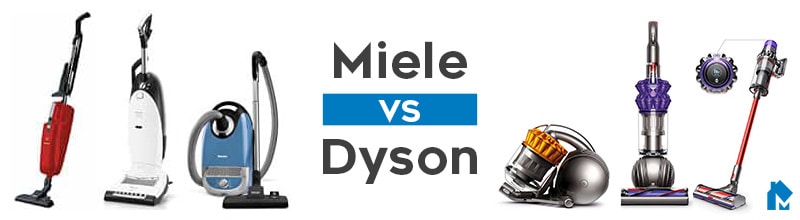
Credit: moderncastle.com
Filtration Systems
Filtration systems play a key role in vacuum cleaners. They help trap dust, allergens, and tiny particles. This keeps your home air cleaner and healthier. Both Miele and Dyson offer strong filtration, but they use different methods.
Choosing the right filtration system matters for allergy sufferers and those with pets. Let’s look closely at the HEPA and allergy features each brand offers. Then, we will review how easy it is to maintain and replace their filters.
Hepa And Allergy Features
Miele vacuums use true HEPA filters that capture 99.9% of particles. They are ideal for people with allergies or asthma. These filters block dust mites, pollen, and pet dander effectively.
Dyson also provides HEPA filtration in many models. Their system seals allergens inside the vacuum. This prevents particles from escaping back into the air. Dyson’s design often combines HEPA with cyclone technology for better dust separation.
Both brands focus on allergy control. Miele emphasizes medical-grade filtration. Dyson highlights powerful suction alongside HEPA filters.
Maintenance And Filter Replacement
Miele filters usually need changing once a year. The vacuum alerts you when it is time. Replacement filters are easy to find online or in stores.
Dyson filters require washing every few months. They must dry completely before reusing. Full replacement comes less often, depending on the model.
Miele’s sealed system means less contact with dust during filter changes. Dyson’s filters are washable but need careful drying. Both brands make filter maintenance simple to keep performance high.
Attachments And Accessories
Attachments and accessories play a big role in how useful a vacuum cleaner can be. They help clean different surfaces and tight spots with ease. Both Miele and Dyson offer various tools to improve cleaning performance. These tools make cleaning faster and more thorough.
Included Tools
Miele vacuums come with several standard attachments. These often include a crevice tool for narrow spaces and an upholstery brush for furniture. Most models also have a dusting brush for delicate surfaces. The tools fit well and are easy to switch.
Dyson usually includes a combination tool that works as a brush and crevice tool. Many models have a mini motorized tool for pet hair and stairs. The included tools are lightweight and designed for quick changes.
Specialized Add-ons
Miele offers specialized add-ons like parquet floor brushes. These are gentle on hard floors but clean deeply. Some models have turbo brushes that help remove pet hair. There are also air-driven tools for extra suction power.
Dyson’s specialized accessories include a soft roller cleaner head for hard floors. They offer a stiff bristle brush for ground-in dirt. Some models have a flexible extension wand for hard-to-reach areas. These add-ons target specific cleaning needs effectively.
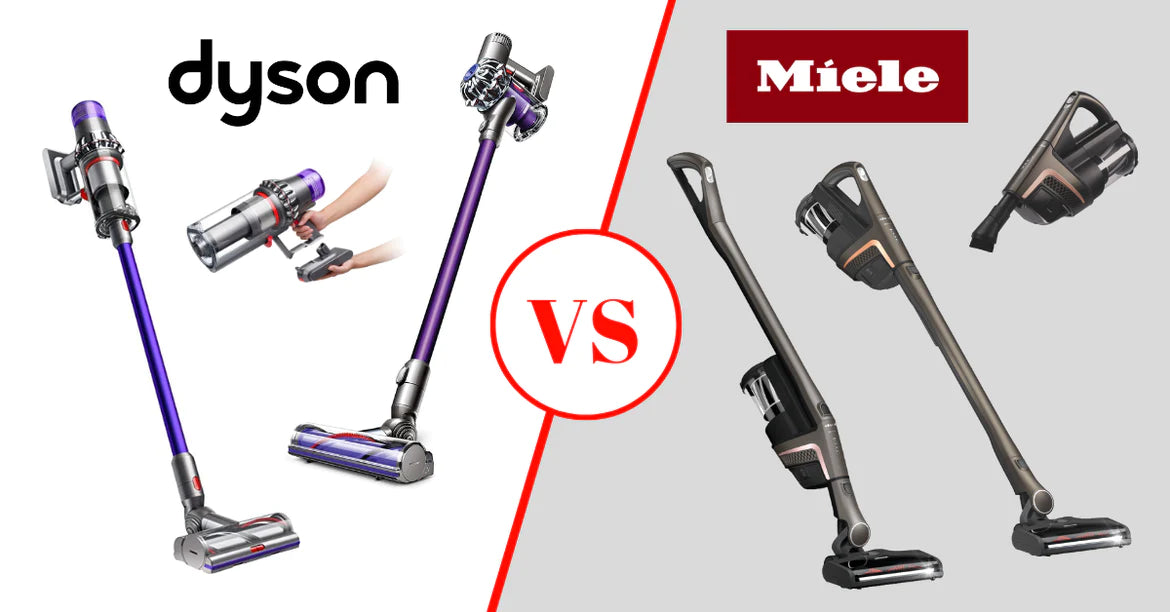
Credit: acevacuums.com
Noise Levels
Noise level is an important factor for many vacuum users. A quieter vacuum makes cleaning more pleasant. It also means less disturbance to family or neighbors.
Both Miele and Dyson offer models with different noise levels. Understanding their sound output helps choose the right vacuum for your needs.
Noise Levels Of Miele Vacuums
Miele vacuums are known for being quieter than many competitors. They often use insulated motors and soundproofing materials. This reduces noise during use.
Typical Miele vacuums produce around 60 to 70 decibels. This is similar to normal conversation or background music. It allows cleaning without shouting or disturbing others.
Noise Levels Of Dyson Vacuums
Dyson vacuums tend to be louder due to their powerful motors. Their sound can reach between 70 and 80 decibels. This is closer to the noise of a busy street or vacuuming in older models.
Newer Dyson models try to reduce noise with better design. Still, they often remain louder than Miele vacuums during operation.
Which Brand Offers A Quieter Experience?
Miele usually provides a quieter vacuum experience. Ideal for apartments or homes with noise sensitivity. Dyson prioritizes suction power but may sacrifice quietness.
Choosing between Miele and Dyson depends on your noise tolerance. Quiet cleaning or maximum power? This helps decide the best vacuum for your space.
Battery Life And Corded Options
Battery life and corded options are important for choosing a vacuum. They affect how long you can clean and how powerful the machine is. Both Miele and Dyson offer choices in this area. Understanding these options helps pick the right vacuum.
Cordless Runtime
Dyson vacuums usually have strong cordless runtimes. Most models run between 20 and 60 minutes on a full charge. This suits quick cleaning jobs well. Battery life may drop if you use high power modes. Miele also offers cordless vacuums but with shorter runtimes, often around 30 minutes. Charging times vary. Dyson batteries often recharge faster than Miele’s.
Wired Models And Power
Miele is known for powerful corded vacuums. Their wired models deliver steady, strong suction without battery limits. This suits heavy cleaning in large homes. Dyson also offers corded vacuums, but fewer than Miele. Wired models do not rely on battery life, so they can run longer. Both brands design corded vacuums for durability and strong performance.
Price And Value
Price and value matter a lot when choosing between Miele and Dyson. Both brands offer strong performance but at different costs. Understanding their price points helps you decide which fits your budget best.
Cost Comparison
Miele vacuum cleaners usually cost more upfront. Their models often range from $600 to over $1,200. Dyson vacuums tend to be cheaper, with prices from $300 to $700. Miele focuses on long-lasting parts and durable design. Dyson invests in lightweight and cordless technology. The higher price of Miele can mean a longer lifespan. Dyson offers more affordable options with modern features. Both brands have models for different budgets and needs.
Warranty And Customer Support
Miele provides a standard warranty of 7 to 10 years on motors and parts. This shows confidence in their product quality. Dyson offers a 2-year warranty covering parts and labor. Miele’s customer support is known for being thorough and helpful. Dyson has a wide service network and quick response times. Extended warranty options are available for both brands. A longer warranty may save money on repairs later. Good customer support adds value beyond the initial purchase price.
User Reviews And Ratings
User reviews and ratings give real insights into how Miele and Dyson perform. These opinions come from everyday users. They help us understand the strengths and weaknesses of each brand. Reviews reveal what buyers love and what they find frustrating.
Reading many reviews shows patterns. Common praise highlights the best features. Frequent complaints point out consistent issues. These details guide potential buyers in their choice.
Common Praise
Many users praise Miele for its strong suction power and quiet operation. The vacuum’s durability and long lifespan get high marks. People like the easy-to-change filters and bags. The design feels sturdy and reliable.
Dyson receives praise for its lightweight and cordless design. Users appreciate the easy maneuverability around furniture. The vacuum’s powerful battery life is often mentioned. Many like the variety of attachments included. Cleaning hard floors and carpets works well with Dyson.
Frequent Complaints
Miele users often complain about the vacuum’s higher price. Some find the bags costly to replace. The vacuum can feel heavy for some people. A few mention that maintenance can be tricky.
Dyson users sometimes report battery life issues after months of use. The vacuum may lose suction if filters clog. Some find the dust bin small and needing frequent emptying. A few note the vacuum can be noisy on high power.
Best Models For 2026
The best vacuum models for 2026 offer powerful cleaning and smart features. Both Miele and Dyson bring new options with strong performance. These models fit different needs and budgets. Choose the one that matches your home and lifestyle.
Top Miele Picks
The Miele Blizzard CX1 is a top model for 2026. It uses strong suction and a bagless design. The AirClean filter keeps dust and allergens trapped. Its flexible wand and floorhead reach tight spots easily.
Miele Complete C3 Cat & Dog is another great choice. It suits homes with pets well. The Active AirClean filter controls odors. This model has powerful suction and quiet operation.
Top Dyson Picks
The Dyson V15 Detect is a leading cordless vacuum in 2026. It has laser dust detection for thorough cleaning. The high torque cleaner head adjusts automatically to floor types. It also shows real-time dust levels on the screen.
Dyson Ball Animal 2 is perfect for deep cleaning carpets. It has strong suction and a self-adjusting cleaner head. The whole-machine filtration traps allergens. This model is easy to push and steer around furniture.
Frequently Asked Questions
What Are The Main Differences Between Miele And Dyson Vacuums?
Miele vacuums focus on strong suction and durability with bagged systems. Dyson offers bagless models with advanced cyclone technology and lightweight design.
Which Brand Offers Better Filtration For Allergy Sufferers?
Miele vacuums typically have HEPA filters that trap fine dust and allergens. Dyson models also use HEPA filters but emphasize airflow to capture particles efficiently.
Are Miele Vacuums Quieter Than Dyson Models?
Yes, Miele vacuums usually operate more quietly due to better sound insulation. Dyson vacuums can be louder, especially at higher power settings.
Which Vacuum Is Easier To Maintain, Miele Or Dyson?
Dyson vacuums are bagless, so you empty the dustbin often. Miele requires changing bags but this can reduce dust exposure during maintenance.
How Do Miele And Dyson Compare In Price?
Miele vacuums are generally more expensive, reflecting their build quality and features. Dyson offers a wider range of prices, including budget-friendly options.
Which Vacuum Brand Is Better For Pet Hair Removal?
Both brands perform well on pet hair, but Dyson’s strong suction and brush bars excel on carpets. Miele is effective on hard floors and low-pile carpets.
Are Cordless Dyson Vacuums Better Than Miele’s Corded Models?
Cordless Dysons offer convenience and portability but have limited battery life. Miele’s corded vacuums provide consistent power without recharging breaks.
Conclusion
Choosing between Miele and Dyson depends on your needs and budget. Miele offers strong suction and durability for long-term use. Dyson provides lightweight design and advanced technology for easy handling. Both brands deliver good cleaning results in their own ways.
Think about what matters most: power, weight, or price. Either choice will help keep your home clean and fresh. Simple, effective cleaning is the goal. Your decision should fit your lifestyle and preferences.