
Is your chlorinator showing high salt amps even when it’s turned off? This can be confusing and worrying, especially if you rely on your pool system to keep the water clean and safe.
Understanding why your chlorinator behaves this way is crucial to avoid costly repairs or unexpected pool problems. You’ll discover the key reasons behind high salt amps when the chlorinator is off and learn simple steps to fix the issue. Keep reading to protect your pool and enjoy worry-free swimming all season long.
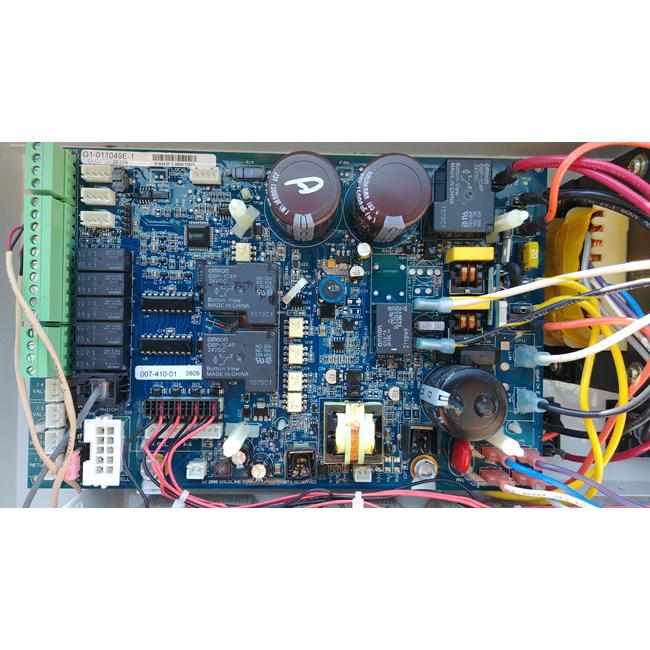
Credit: www.inyopools.com
Common Causes Of High Salt Amps
High salt amps in a chlorinator can cause the system to shut off. Understanding the common causes helps you fix the problem fast. Several issues can lead to high salt amps, affecting your pool’s health and equipment.
Check these common causes to keep your chlorinator running smoothly and your pool safe.
Salt Cell Build-up
Salt cells can collect minerals and debris over time. This build-up blocks electrical flow, causing high salt amps. Regular cleaning helps prevent this issue. A dirty salt cell reduces efficiency and stresses the system.
Salt Cell Age And Wear
Salt cells wear out after years of use. Old cells may not work properly and cause high amps. Replacing old cells keeps your chlorinator running well. Age weakens the plates inside the cell, affecting performance.
Incorrect Salt Levels
Salt levels outside the recommended range cause problems. Too much or too little salt raises salt amps. Test salt levels regularly to maintain balance. Proper salt concentration ensures the chlorinator works safely.
Wiring And Connection Issues
Loose or damaged wiring affects the salt cell’s function. Faulty connections can increase salt amps. Inspect wires and connectors for damage or corrosion. Secure and clean connections help maintain steady amps.
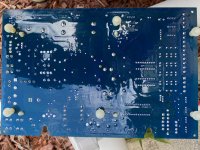
Credit: www.troublefreepool.com
Quick Fixes For Salt Amp Problems
Salt amp problems in chlorinators can stop your pool from working right. These issues often cause the chlorinator to shut off or show errors. Fixing them fast helps keep your pool clean and safe. This section shares simple ways to solve salt amp problems.
Cleaning The Salt Cell
Salt cells collect minerals and dirt over time. This buildup lowers their performance. Turn off the power before cleaning the cell. Use a soft brush and mild acid solution. Gently scrub the plates without damaging them. Rinse the cell well with fresh water. Clean cells help amps stay at the right level.
Checking And Adjusting Salt Levels
Salt levels affect the chlorinator’s amp reading. Test the pool water with a salt test kit. The ideal salt level is usually between 2700 and 3400 ppm. Add salt slowly if the level is low. Too much salt can also cause errors. Keep salt within the recommended range for best results.
Inspecting Electrical Connections
Loose or corroded wires can cause salt amp issues. Turn off the power before checking connections. Look for loose screws or damaged wires. Clean any corrosion with a wire brush. Tighten all connections securely. Good electrical contact helps the chlorinator work properly.
Resetting The Chlorinator
Sometimes, a simple reset fixes amp problems. Turn off the chlorinator and unplug it. Wait for a few minutes to clear errors. Plug it back in and switch it on. The system will restart and may fix the issue. Resetting can fix temporary glitches quickly.
Preventative Maintenance Tips
Proper care of your chlorinator helps avoid the “Off High Salt Amps” error. Regular maintenance keeps the system running smoothly. It extends the life of your equipment and prevents costly repairs.
Regular Salt Cell Cleaning Schedule
Salt cells build up minerals and debris over time. This buildup lowers efficiency and causes high amp readings. Clean the salt cell every 3 months or as needed. Use a gentle brush and mild acid solution for cleaning. Avoid harsh chemicals that damage the cell.
Monitoring Salt Concentration
Salt levels affect the chlorinator’s performance. Low or high salt concentration triggers high amp errors. Test salt levels weekly using a salt test kit. Keep salt concentration within the recommended range. Add salt or water to balance levels as needed.
Routine Electrical Checks
Loose or corroded electrical connections cause faulty readings. Inspect wiring and terminals monthly for signs of wear or corrosion. Tighten loose connections and clean corroded parts. Check the control board for error codes regularly.
Replacing Worn Components
Parts wear out over time and affect system performance. Replace damaged or old salt cells, sensors, and connectors promptly. Using genuine replacement parts ensures compatibility and reliability. Keep spare parts handy to reduce downtime.
When To Call A Professional
Chlorinator off high salt amps can be tricky to fix. Some problems need a pro’s touch. Knowing when to call a professional saves time and avoids damage.
Small issues you can handle yourself. Big or lasting problems require expert help. Professionals have tools and skills for safe repairs.
Persistent High Salt Amp Readings
High salt amp readings that don’t go down need attention. It may signal a deeper electrical or cell issue. A professional can diagnose and fix the root cause. Avoid guessing or trying random fixes. Persistent problems can harm the system or pool water.
Complex Electrical Issues
Electrical parts inside the chlorinator are delicate. Faulty wiring or components need expert care. A professional understands the system’s wiring and safety rules. DIY electrical work can cause shocks or worsen the problem. Call a pro if you notice sparks, burning smells, or no power.
Salt Cell Replacement Advice
Salt cells wear out over time. Sometimes they cause high salt amps. A pro can test the cell’s condition accurately. They will tell you if cleaning or replacement is best. Replacing the cell incorrectly can damage the system. Trust a professional to handle the replacement safely.

Credit: www.youtube.com
Frequently Asked Questions
What Causes High Salt Amps In A Chlorinator System?
High salt amps often occur due to dirty or worn-out electrodes. Poor water flow and high salt levels can also increase amps.
How Can I Lower High Salt Amps In My Chlorinator?
Clean the chlorinator cell regularly to remove scale and debris. Check water flow and salt concentration for balance.
Is High Salt Amp Reading Harmful To My Pool Equipment?
Yes, high salt amps can damage the chlorinator cell and reduce its lifespan. Early action prevents costly repairs.
How Often Should I Check The Salt Amps In My Pool?
Check salt amps monthly during the swimming season. Frequent checks help catch issues before they worsen.
Can Low Salt Levels Cause High Salt Amps In Chlorinators?
Low salt levels usually cause low amps, but sudden changes can confuse the system. Keep salt levels steady for best results.
What Maintenance Helps Prevent High Salt Amps In Chlorinators?
Regularly cleaning the cell and monitoring salt levels keeps amps stable. Replace worn parts as needed for smooth operation.
Why Does My Chlorinator Show High Salt Amps After Cleaning?
Cleaning can temporarily raise amps by exposing electrode surfaces. Amps should stabilize after the system runs for some time.
Conclusion
Keeping your chlorinator off when salt amps run high protects your pool system. High salt amps can cause damage and reduce efficiency. Watch the salt levels and electrical current regularly. Simple maintenance helps avoid costly repairs and keeps water clean.
Stay alert to signs of trouble and act quickly. Your pool will stay safe and healthy with proper care. Easy steps make a big difference in pool performance. Take control to enjoy clear, safe water all season long.