
Have you ever wondered why algae suddenly appear in your pond, pool, or garden? Knowing what temperature algae grow best at can help you stop it before it takes over.
Understanding this key factor gives you the power to keep your water clear and your plants healthy. You’ll discover the ideal temperature range for algae growth and how you can use this knowledge to control it effectively. Keep reading to learn how to protect your space from unwanted algae.

Credit: www.researchgate.net
Ideal Temperature For Algae Growth
Temperature plays a key role in algae growth. Algae need the right warmth to thrive well. Too cold or too hot can slow their growth or stop it completely. Understanding the ideal temperature helps in managing algae in water bodies or aquariums.
Algae grow faster in certain temperature ranges. These ranges depend on the algae type. Most algae prefer moderate temperatures to grow quickly. Keeping water temperature steady can encourage healthy algae growth.
Optimal Temperature Range
Most algae grow best between 20°C and 30°C (68°F to 86°F). This range supports their metabolism and reproduction. Below 15°C (59°F), growth slows down a lot. Above 35°C (95°F), many algae types start to die.
Some algae can survive outside this range. But growth is often weak or very slow. Warm temperatures speed up algae’s photosynthesis process. This helps them produce more energy and multiply faster.
Temperature Variations And Growth Rates
Small temperature changes affect algae growth rates. A rise of a few degrees can double growth speed. Sudden drops or rises can stress algae and reduce growth. Stable temperatures help algae keep growing steadily.
Different algae types react differently to temperature changes. Some prefer cooler water, while others like it warmer. Temperature shifts may also affect algae color and size. Monitoring temperature helps predict algae growth patterns.
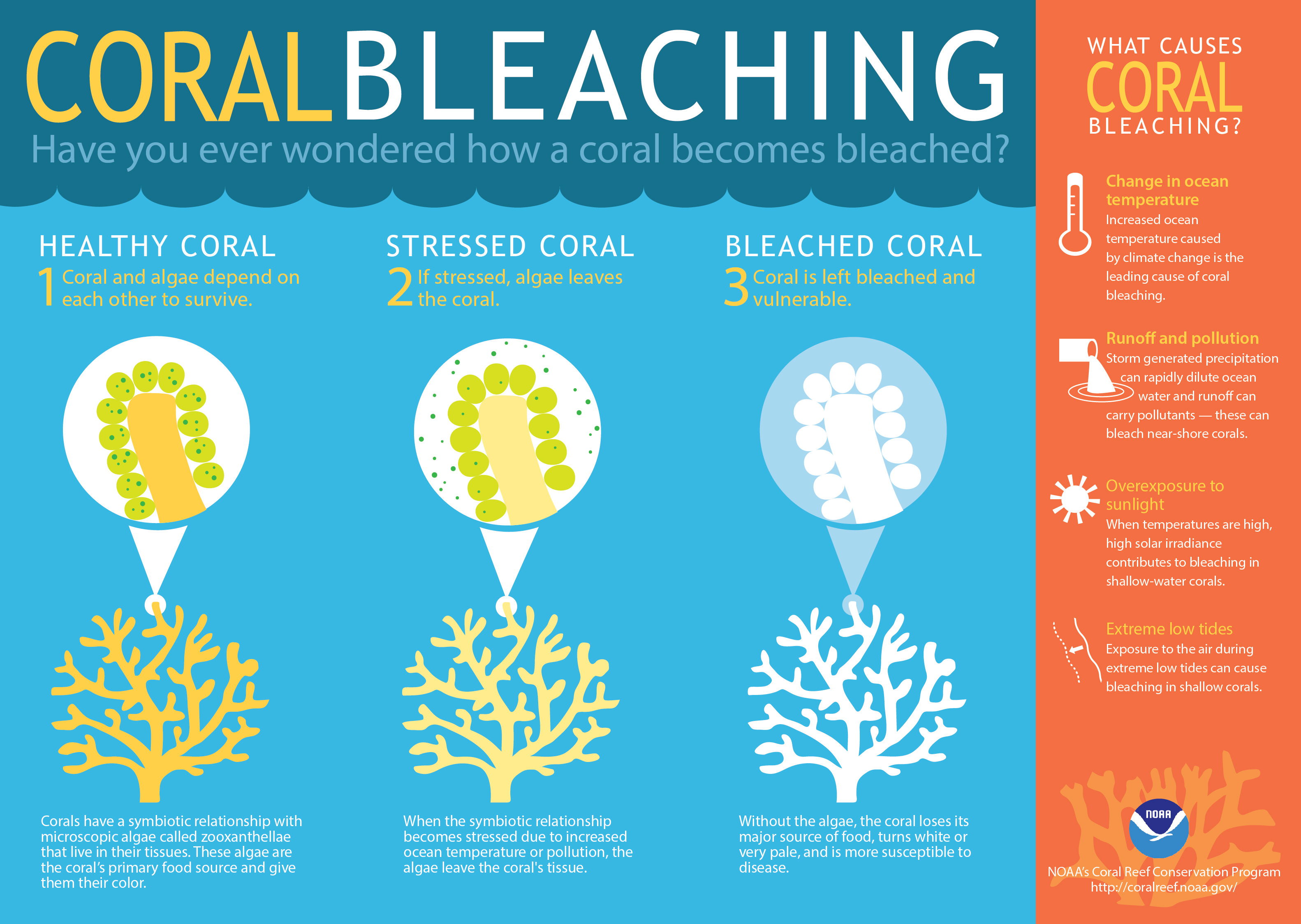
Credit: oceanservice.noaa.gov
Types Of Algae And Temperature Preferences
Algae come in many types, each with its own temperature needs. Knowing these helps understand where and how algae grow best. Temperature plays a big role in their growth and survival.
Some algae thrive in cool waters, while others prefer warmth. This section breaks down the main types of algae and their temperature preferences.
Freshwater Algae
Freshwater algae live in lakes, rivers, and ponds. They grow well in temperatures between 50°F and 77°F. Cooler waters slow their growth. Warmer waters speed it up, but too hot can kill them.
Common types include green algae and diatoms. These algae often bloom in spring and summer. They need sunlight and nutrients to grow fast.
Marine Algae
Marine algae live in oceans and seas. They can handle a wide temperature range from 40°F to 86°F. Some prefer colder waters near poles. Others grow better in warm tropical seas.
Seaweeds like kelp thrive in cooler waters. Red and brown algae often prefer warmer waters. Marine algae are important for ocean ecosystems.
Blue-green Algae
Blue-green algae, or cyanobacteria, can live in fresh and saltwater. They grow best between 68°F and 86°F. Warm, calm water helps them bloom quickly.
These algae can produce toxins that harm fish and people. They often appear in lakes during hot summer months. Controlling water temperature helps manage their growth.
Effects Of Temperature On Algae Reproduction
Temperature plays a major role in algae reproduction. It controls how fast algae cells divide and grow. Different algae types have unique temperature needs. These needs affect their survival and spread. Understanding this helps manage algae growth in water bodies.
Temperature changes can speed up or slow down algae reproduction. It also affects algae health and their ability to produce offspring. Some temperatures may boost growth, while others can cause stress or harm.
Growth Acceleration At Warm Temperatures
Warm temperatures often speed up algae reproduction. Algae cells divide faster in warmer water. This leads to quick population growth. Many algae species thrive between 70°F and 85°F. Warm water increases enzyme activity in algae, helping their metabolism.
When water temperature rises, algae can bloom rapidly. These blooms can cover lakes and ponds in days. Warmth provides ideal conditions for nutrient absorption. This supports fast algae growth and reproduction.
Temperature Stress And Inhibition
Extreme temperatures harm algae reproduction. Very high or very low temperatures cause stress. This slows down cell division or stops it completely. Temperatures above 95°F or below 50°F are harmful for many algae.
Heat stress can damage algae cell structures. Cold stress reduces metabolic activity. Both effects limit algae’s ability to reproduce. In such conditions, algae may die or enter a dormant state.
Algae adapt to certain temperature ranges. Sudden changes outside these ranges cause reproduction failure. Stable temperatures promote healthy algae populations and steady reproduction rates.
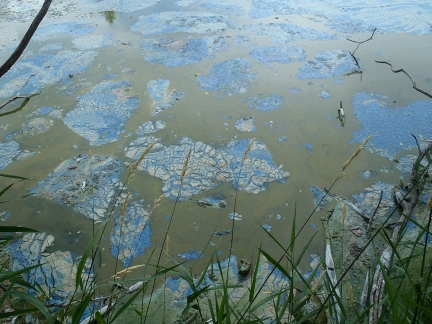
Credit: www.pca.state.mn.us
Environmental Factors Influencing Algae Growth
Algae growth depends on many environmental factors. These factors create the right conditions for algae to thrive. Understanding these elements helps control algae in water bodies. Key influences include light, nutrients, water chemistry, and temperature. Each factor plays a role in how fast and how much algae grows.
Light And Nutrients Interaction
Light is vital for algae to perform photosynthesis. Without enough light, algae cannot grow well. The intensity and duration of sunlight affect algae growth rates. Nutrients like nitrogen and phosphorus feed algae cells. They help algae multiply quickly in water. When light and nutrients are abundant, algae growth increases sharply. Both must be present in balance for algae to bloom.
Water Chemistry And Temperature
Water chemistry affects algae’s ability to absorb nutrients. pH levels can either help or hinder algae growth. Most algae prefer slightly alkaline water with pH around 7 to 8. Temperature plays a key role in algae reproduction. Warm water speeds up algae metabolism and growth. Algae grow best between 70°F and 86°F (21°C to 30°C). Too cold or too hot water slows their growth significantly.
Algae Prevention Strategies Related To Temperature
Algae growth depends heavily on temperature. Controlling temperature helps reduce algae problems. Different algae types thrive at certain temperatures. Stopping growth early saves time and effort. Understanding temperature’s role improves prevention strategies. It is a key factor in managing algae.
Temperature Control Methods
Lowering water temperature slows algae growth. Use shading to reduce sunlight and heat. Aeration helps keep water cooler and moving. Avoid stagnant water, which warms quickly. Cold water limits algae’s ability to multiply. Controlling temperature creates a less friendly environment for algae.
Combining Temperature With Other Prevention Techniques
Use temperature control with cleaning routines. Remove debris to prevent algae food sources. Balance nutrients like nitrogen and phosphorus in water. Add beneficial plants to compete with algae. Combining methods improves overall algae control. Temperature is one part of a complete strategy.
Monitoring And Managing Algae In Different Settings
Algae growth varies with temperature, but managing it requires careful monitoring in different water settings. Each environment has unique factors that influence algae development. Understanding these helps control algae effectively and keeps water clean and safe.
Residential Pools And Ponds
Algae thrive in warm, still water, common in pools and ponds. Regularly check water temperature and clarity. Use pool chemicals like chlorine to stop algae from growing. Clean filters and remove debris often. Sunlight also affects algae, so shade can help reduce growth.
Agricultural Water Systems
Algae can clog irrigation pipes and harm crops. Monitor water temperature and flow regularly. Keep water moving to discourage algae. Use safe algaecides as needed. Remove plant material and sediment that feed algae. Proper water management protects crops and saves water.
Natural Water Bodies
Lakes and rivers have natural algae cycles influenced by temperature. Watch for sudden algae blooms that harm fish and wildlife. Test water temperature and nutrient levels often. Limit pollution and runoff to control algae growth. Preserve natural balance for healthy ecosystems.
Frequently Asked Questions
What Temperature Range Does Algae Grow Best In?
Algae grow best between 20°C and 30°C (68°F to 86°F). Growth slows down outside this range. Warm, sunny conditions help algae thrive.
Can Algae Grow In Cold Water Temperatures?
Algae can grow in cold water but very slowly. Most types prefer warmer water for faster growth. Cold temperatures limit their activity and reproduction.
Does Algae Growth Stop Above 35°c (95°f)?
Yes, algae growth usually stops above 35°C. High heat can damage algae cells and reduce growth. Temperatures above this limit are harmful to most algae.
How Does Temperature Affect Algae Blooms?
Higher temperatures speed up algae growth, causing blooms. Warm water and sunlight make algae multiply quickly. Blooms can harm water quality and aquatic life.
Is Algae Growth Faster In Freshwater Or Saltwater?
Algae grow well in both, but temperature matters more. Freshwater algae often grow faster in warm conditions. Saltwater algae may tolerate wider temperature ranges.
What Temperature Kills Algae In Ponds?
Temperatures above 40°C (104°F) can kill algae in ponds. Extreme heat damages algae cells and stops growth. Such temperatures are rare in natural ponds.
How Can I Control Algae Growth By Managing Temperature?
Lowering water temperature can slow algae growth. Use shading or aeration to cool water in ponds. Cooler water limits algae’s ability to multiply quickly.
Conclusion
Algae grow best in warm water, usually between 70°F and 90°F. Cooler temperatures slow their growth, while very hot water can stop it. Knowing this helps control algae in ponds and pools. Keeping water temperature in mind aids in managing algae problems.
Remember, sunlight and nutrients also affect their growth. Watch these factors to keep algae under control. This knowledge supports healthier water environments.