
If your home has asbestos siding, you might be wondering how to clean it safely without causing damage or risking your health. You need to be careful because asbestos fibers can be harmful if released into the air.
But don’t worry—this guide will show you simple steps to keep your siding looking fresh while protecting you and your family. By the end, you’ll feel confident handling your asbestos siding the right way. Keep reading to learn what you must do—and what you should never do—when cleaning asbestos siding.
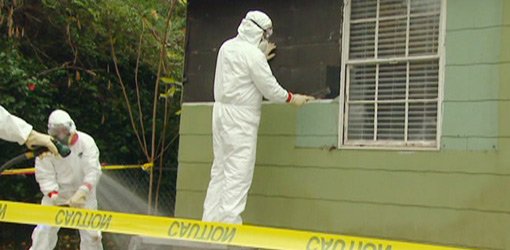
Credit: todayshomeowner.com
Risks Of Asbestos Siding
Asbestos siding was popular in the past for its durability and fire resistance. Today, it poses serious risks due to the harmful fibers it contains. Understanding these risks is crucial before attempting any cleaning or removal. The dangers are not only about health but also legal rules that protect people and property.
Health Hazards
Asbestos fibers can break free during cleaning. Breathing in these tiny fibers causes lung problems. Diseases like asbestosis and lung cancer may develop over time. Symptoms often appear years after exposure. Protecting yourself from dust and fibers is essential.
Children and the elderly face higher risks. Even small amounts of asbestos dust can harm health. Using special masks and tools reduces danger. Avoid dry cleaning methods that spread fibers in the air.
Legal Considerations
Laws regulate how asbestos siding must be handled. Many states require licensed professionals for removal. Ignoring these laws can lead to heavy fines. Proper disposal protects the environment and public health.
Homeowners must check local rules before cleaning asbestos siding. Some areas demand notification before work starts. Following legal steps prevents problems and ensures safety.
Safety Gear Essentials
Cleaning asbestos siding is risky without the right safety gear. Asbestos fibers can harm your lungs if you breathe them in. Wearing proper safety gear lowers health risks. It creates a barrier between you and dangerous dust. This gear helps keep you safe during cleaning.
Choosing the right protective items is essential. Each piece plays a vital role. Together, they protect your body, eyes, and lungs from asbestos exposure.
Protective Clothing
Wear full-body coveralls made of thick, durable material. These coveralls stop asbestos fibers from touching your skin. Avoid cotton or loose clothing that can trap dust. Disposable suits are ideal for one-time use. Seal clothing at wrists and ankles to prevent dust entry. Change clothes immediately after cleaning to avoid spreading fibers.
Respirators And Masks
Respirators with HEPA filters block dangerous asbestos fibers. Use a mask rated N100 or P100 for best protection. Simple dust masks do not protect against asbestos. Fit the respirator tightly to your face. No gaps around the nose or mouth. Replace filters often to keep breathing safe. Always check the mask before use for damage.
Gloves And Eye Protection
Wear thick gloves made from rubber or nitrile. These stop fibers from touching your hands. Avoid cloth gloves that absorb dust. Eye protection is a must to shield eyes from dust. Use safety goggles that fit snugly and cover the whole eye area. Do not use regular glasses. Clean gloves and goggles after use to remove fibers.
Preparing The Work Area
Preparing the work area is the first step before cleaning asbestos siding. It helps keep everyone safe and prevents asbestos fibers from spreading. Take time to set up the space carefully. This preparation makes the cleaning process easier and safer.
Sealing Off Surroundings
Seal off windows, doors, and vents near the siding. Use plastic sheeting and strong tape to cover these areas well. This stops asbestos dust from entering your home or other rooms. Keep pets and children away from the work area. Clear any furniture or plants close to the siding. Create a barrier to limit dust spread during cleaning.
Weather Conditions To Consider
Choose a dry, calm day for cleaning asbestos siding. Rain can make the siding wet, causing fibers to stick and spread. Wind can blow asbestos dust into the air. This increases health risks. Avoid very hot days to reduce heat stress. Early morning or late afternoon often works best. Proper weather helps keep the work safe and effective.

Credit: www.reddit.com
Cleaning Methods
Cleaning asbestos siding requires careful methods to protect health and maintain the material. Choosing the right cleaning approach helps avoid damage and keeps your home safe. Use gentle techniques and proper solutions for best results.
Gentle Washing Techniques
Start with soft brushing or wiping to remove dirt. Use a soft cloth or sponge to avoid scratching. Wash small sections at a time to control the process. Work from top to bottom for even cleaning. Rinse with clean water to remove soap and debris.
Avoiding Power Washing
Power washing can damage asbestos siding. High pressure may crack or break the material. Broken asbestos fibers can be harmful if inhaled. Use low-pressure water or hand washing instead. This reduces risk and preserves siding integrity.
Using Appropriate Cleaning Solutions
Select mild detergents or soap for cleaning asbestos siding. Avoid harsh chemicals or acidic cleaners that can cause harm. Mix cleaning solutions with water for gentle action. Test a small area before full application. Rinse thoroughly to prevent residue build-up.
Disposal Of Waste
Disposing of asbestos siding waste needs careful attention. Asbestos is harmful, so handling waste safely protects your health and the environment. Proper disposal stops asbestos fibers from spreading. It also follows laws designed to keep communities safe.
Handling Contaminated Materials
Wear protective gear when handling asbestos waste. Use gloves, masks, and disposable coveralls. Avoid breaking or crushing the siding. Keep the materials wet to reduce dust. Place waste in sealed, labeled bags or containers. Do not mix asbestos waste with regular trash. Always transport it carefully to avoid spills or leaks.
Local Disposal Regulations
Check local rules about asbestos waste disposal. Different areas have specific guidelines and approved sites. Some require special permits for transport or disposal. Use licensed disposal facilities only. Keep records of waste disposal for future reference. Following these rules prevents fines and protects public health. Contact local environmental agencies for detailed information.
Hiring Professionals
Cleaning asbestos siding is risky without proper skills and tools. Professionals handle this job safely and efficiently. They know the rules and use the right gear. Hiring experts reduces health risks and prevents damage to your home.
When To Call Experts
Call experts if the siding shows cracks or damage. Asbestos fibers can release into the air easily then. Professionals have special equipment to contain and clean asbestos. They avoid spreading fibers to other areas. If you feel unsure about handling asbestos, hire a pro. It is better to be safe than sorry.
Choosing Qualified Contractors
Pick contractors licensed to work with asbestos. Check their experience and reviews from past clients. Ask if they follow local safety laws and use protective gear. Get multiple quotes to compare prices and services. Clear communication is key. Choose someone who explains the process well. Trust matters when dealing with hazardous materials.
Maintenance Tips
Maintaining asbestos siding is very important for safety and durability. Proper care helps keep the siding strong. It also limits the risk of asbestos fibers becoming loose. Use safe methods to keep your siding clean and intact. Follow these maintenance tips for best results.
Regular Inspections
Check your asbestos siding often for cracks or damage. Look closely at corners and edges where wear is common. Small cracks can let moisture inside, causing bigger problems. Notice any loose or crumbling pieces. Catch problems early to avoid costly repairs. Hire a professional if you see serious damage.
Preventing Damage
Keep plants and trees away from the siding. Branches can scrape or break the surface. Avoid using high-pressure washers that may harm the siding. Use a soft brush or low-pressure spray for cleaning. Do not drill or nail into asbestos siding. Protect it from strong impacts and harsh chemicals. These steps help keep the siding safe for years.

Credit: homeguide.com
Frequently Asked Questions
What Is Asbestos Siding And Why Is It Risky To Clean?
Asbestos siding is a building material with fibers that can harm lungs. Cleaning it can release dangerous dust. Special care is needed to avoid health risks.
How Can I Safely Clean Asbestos Siding On My House?
Use a wet cleaning method to keep dust down. Wear protective gear like masks and gloves. Avoid power washing or scraping to stop fibers from spreading.
What Cleaning Products Are Safe For Asbestos Siding?
Mild detergents mixed with water work well. Avoid harsh chemicals that can damage the siding. Always test a small area before full cleaning.
Should I Hire Professionals To Clean Asbestos Siding?
Professional cleaners know how to handle asbestos safely. They have special tools and protective gear. Hiring them reduces health risks and ensures proper cleanup.
Can I Paint Over Asbestos Siding After Cleaning?
Yes, painting seals asbestos fibers and prevents dust. Use a good quality exterior paint. Make sure the siding is fully dry before painting.
What Are The Signs Asbestos Siding Needs Cleaning?
Look for dirt, mold, or mildew buildup. Fading or chalky surfaces show aging. Regular checks help keep siding safe and looking good.
How Often Should Asbestos Siding Be Cleaned?
Cleaning once every few years is enough. More often only if siding looks dirty or moldy. Gentle cleaning keeps siding intact and safe.
Conclusion
Cleaning asbestos siding requires care and safety. Always wear protective gear to avoid risks. Use gentle cleaning methods to protect the siding. Avoid harsh chemicals or power washing that can damage it. If unsure, hire a professional for help. Proper cleaning keeps your home safe and looking good.
Stay cautious, follow guidelines, and maintain your siding regularly. Safe cleaning makes a big difference in home care.