
Have you ever wondered if the very device meant to clean your air could actually make you feel worse? Air purifiers are popular for improving indoor air quality, but some people worry they might cause health problems instead.
Could your air purifier be doing more harm than good? You’ll discover the surprising facts about air purifiers, how they work, and whether they might be making you sick. Keep reading to learn what you need to know before trusting your air purifier with your health.
How Air Purifiers Work
Air purifiers clean the air inside homes and offices. They remove dust, pollen, smoke, and other tiny particles. This helps people breathe easier and feel better. Understanding how air purifiers work can help you choose the right one. It also explains if they can cause any health problems.
Types Of Air Purifiers
Several types of air purifiers exist. Each uses different methods to clean the air. The most common are HEPA purifiers, activated carbon purifiers, and ionizers. HEPA purifiers trap particles like dust and pollen in a fine mesh. Activated carbon purifiers absorb odors and gases. Ionizers release charged ions that stick to particles, making them fall out of the air. Some purifiers combine these methods for better results.
Common Filters And Technologies
HEPA filters are the most popular. They capture 99.97% of particles as small as 0.3 microns. This includes dust, pet dander, and smoke. Activated carbon filters remove smells and harmful gases. They work by trapping molecules in a porous material. UV light technology kills bacteria and viruses in the air. Ionizers help clear particles but may produce ozone, which can irritate lungs. Knowing these filters and technologies helps you pick a safe air purifier.
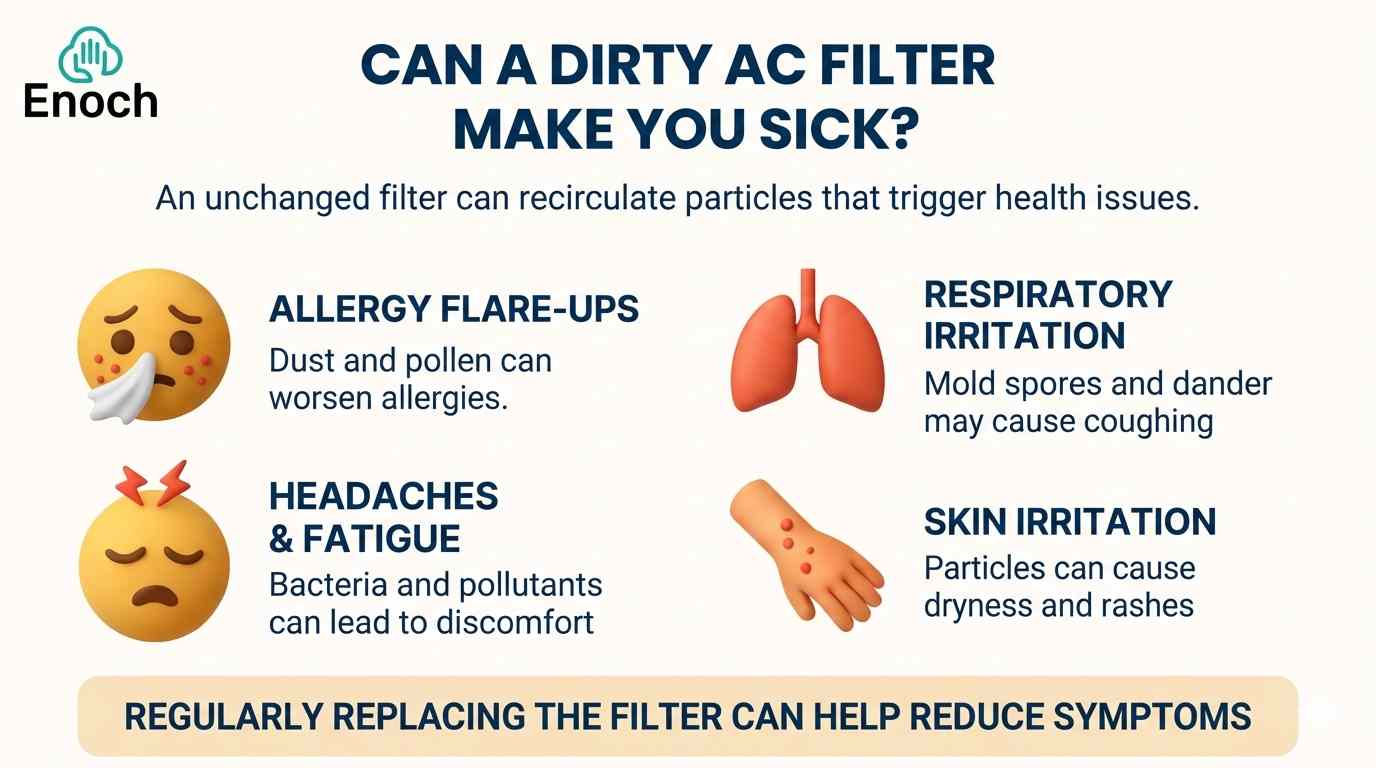
Credit: teamenoch.com
Potential Health Risks
Air purifiers can improve indoor air quality, but they might also bring some health risks. Understanding these risks helps you use air purifiers safely. This section explains common health concerns linked to air purifiers.
Ozone Emission Concerns
Some air purifiers release ozone, a gas that can irritate the lungs. Ozone can cause coughing, chest pain, and shortness of breath. People with asthma or lung problems are more sensitive to ozone. Choosing purifiers that do not emit ozone reduces this risk.
Allergic Reactions To Filters
Filters in air purifiers trap dust, pollen, and other particles. These trapped particles can build up and cause allergic reactions if not changed often. Some people may react to mold or bacteria growing on dirty filters. Regular filter replacement helps prevent allergies.
Impact Of Poor Maintenance
Failing to clean and maintain air purifiers can cause problems. Dust and germs can grow inside the unit, spreading into the air. Poorly maintained purifiers may worsen indoor air quality. Following manufacturer instructions ensures safe and effective use.
When Air Purifiers Can Harm
Air purifiers can improve indoor air quality, but they can also cause problems. Knowing when air purifiers can harm helps you use them safely. Some common mistakes can lead to health issues or poor air quality.
Understanding these risks helps you avoid making your air worse instead of better.
Using The Wrong Type For Your Space
Different rooms need different air purifiers. A small purifier in a large room will not clean the air well. This leaves dust and allergens floating around.
Using a purifier that releases ozone can cause breathing problems. Ozone can irritate your lungs and throat. It is important to choose a purifier that fits your room size and needs.
Overuse And Indoor Air Imbalance
Running air purifiers all day can dry out the air. Dry air can cause sore throats and dry skin. It also can worsen allergies and asthma symptoms.
Too much air cleaning can remove helpful particles that keep air balanced. This imbalance can make your home feel uncomfortable.
Exposure To Released Particles
Some air purifiers release tiny particles during cleaning. These particles can enter your lungs and cause irritation. Filters that are old or dirty can also release trapped dust back into the air.
Regular filter changes and choosing purifiers with safe technology reduce these risks.
Safe Usage Tips
Using air purifiers safely helps prevent health issues and improves air quality. Knowing how to choose, clean, and place your air purifier is key. Follow these simple tips to keep your home fresh and safe.
Choosing The Right Air Purifier
Select an air purifier that fits your room size. Check the Clean Air Delivery Rate (CADR) to match your space. Avoid ozone generators or ionizers, which may cause breathing problems. Look for models with HEPA filters to trap tiny particles effectively.
Regular Cleaning And Filter Replacement
Clean your air purifier regularly to keep it working well. Dust and dirt can block filters and reduce air flow. Change filters as the manufacturer advises. Old filters can release trapped pollutants back into the air. Keeping filters fresh ensures cleaner air and better health.
Proper Placement And Operation
Place your air purifier in an open area for better air circulation. Avoid corners or behind furniture that block air flow. Run the purifier continuously or during high pollution times. Turn it off only when the room is unoccupied. Proper use maximizes air cleaning and reduces risks.
Alternatives To Air Purifiers
Air purifiers are popular for improving indoor air quality. Still, some worry they might cause sickness due to filters or chemicals. Many prefer natural ways to keep air fresh and clean. These alternatives can help reduce indoor pollutants without machines. They are often simple and cost-effective. Below are some effective options.
Ventilation And Natural Air Flow
Opening windows regularly helps bring fresh air inside. Cross-ventilation moves stale air out quickly. It reduces indoor pollutants and moisture. Fans can assist air movement in rooms. Fresh air lowers the concentration of allergens and germs. Good ventilation keeps your home healthier and more comfortable.
Houseplants And Air Quality
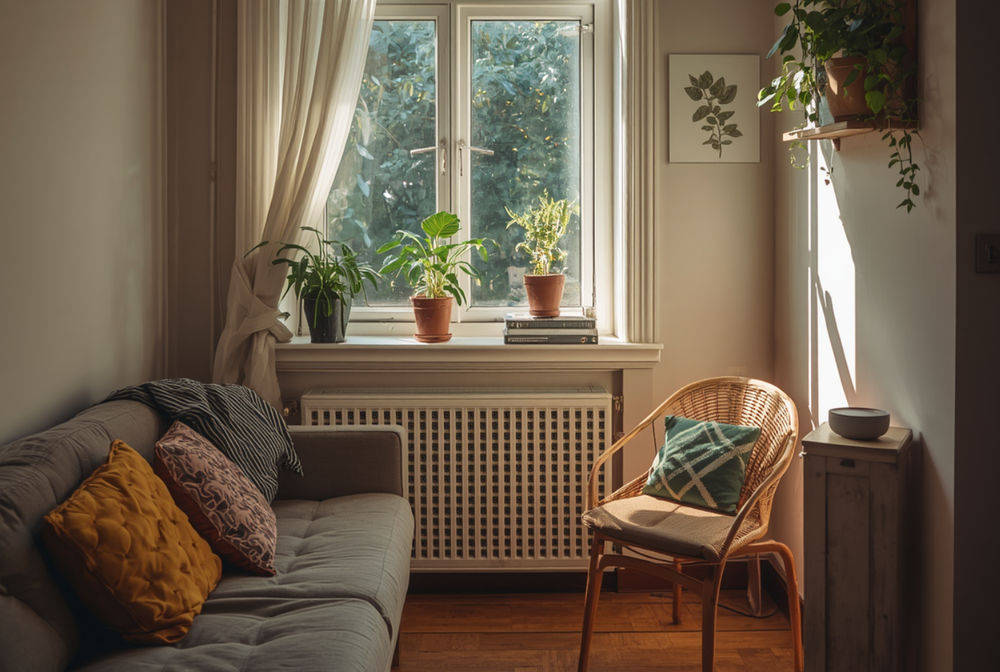
Certain houseplants can improve air naturally. Plants like spider plants and peace lilies absorb some pollutants. They release oxygen and add humidity. Houseplants create a calming, cleaner environment. Keep plants healthy to avoid mold or pests. Use plants alongside other air-cleaning methods for best results.
Humidity Control Methods
Humidity affects air quality and comfort. Too much moisture causes mold and dust mites. Too little dries out skin and airways. Use a dehumidifier to lower excess moisture. A humidifier adds moisture in dry seasons. Keep humidity between 30% and 50% for best air quality. Regularly check and clean devices to prevent bacteria growth.
Credit: timesofindia.indiatimes.com
Credit: www.airoasis.com
Frequently Asked Questions
Can Air Purifiers Cause Respiratory Problems?
Poorly maintained air purifiers can release dust and allergens, which may irritate the lungs. Using clean filters reduces this risk and improves air quality.
Do Air Purifiers Produce Harmful Ozone?
Some air purifiers emit low levels of ozone, which can irritate the throat and lungs. Choose models certified as ozone-safe to avoid this issue.
Can Air Purifiers Worsen Allergies?
If filters are dirty, air purifiers can spread allergens rather than trap them. Regular filter changes help prevent allergy flare-ups.
How Often Should I Change Air Purifier Filters?
Most filters should be replaced every 3 to 6 months, depending on usage. Clean filters keep the air purifier working safely and effectively.
Are Air Purifiers Safe For Children And Pets?
Yes, air purifiers with no ozone emission are safe for kids and pets. Always check product safety labels before use.
Can Air Purifiers Cause Headaches Or Dizziness?
Exposure to ozone or poor air circulation may cause headaches or dizziness in some people. Proper use and maintenance minimize these risks.
Does Using An Air Purifier Eliminate All Indoor Air Pollutants?
Air purifiers reduce many pollutants but cannot remove everything, like gases or some chemicals. They work best alongside good ventilation and cleaning.
Conclusion
Air purifiers can help clean indoor air effectively. Some models may cause irritation if not maintained well. Regular filter changes keep the air fresh and healthy. Choose purifiers that suit your room size and needs. Proper use reduces risks and improves air quality.
Stay aware of any discomfort while using one. Clean air supports better breathing and overall health. Simple steps ensure your air purifier works safely.