
Have you ever wondered if your water is soft enough after using a water softener? Getting the right softness level is key to making sure your water feels great, protects your pipes, and keeps your appliances running smoothly.
Too soft or not soft enough can cause problems you might not even realize. You’ll discover exactly how soft your water should be after the softener, and why it matters for your home and health. Keep reading to find out how to get the perfect balance and enjoy all the benefits of soft water every day.
Ideal Water Softness Levels
Water softeners remove hard minerals from water, like calcium and magnesium. But how soft should water be after softening? It depends on the level of hardness you want to achieve.
Too soft water can feel slippery and may corrode pipes. Too hard water can cause scale buildup and reduce appliance life. The goal is to find the right balance for your home.
Measuring Water Hardness
Water hardness is measured by the amount of minerals it contains. Testing kits or meters show this level. The result helps you adjust your water softener settings.
Tests give results in grains per gallon or parts per million. These numbers tell you how hard or soft your water is.
Grains Per Gallon Explained
Grains per gallon (gpg) measures hardness minerals in water. One grain equals about 17.1 milligrams of calcium carbonate per liter.
Water with 0 to 3.5 gpg is soft. Between 3.5 and 7 gpg is moderately hard. Above 7 gpg is considered hard water. Knowing this helps set your softener correctly.
Optimal Softness Range
The best water softness is usually between 1 and 3 grains per gallon. This range prevents scale and keeps water gentle on skin and pipes.
Settings below 1 gpg may cause water to feel slick and taste odd. Above 3 gpg might not fully protect your home from hardness effects.
Check your water hardness often and adjust your softener to stay within this ideal range.
Credit: www.floridawatertechnologies.com
Factors Affecting Water Softness
Water softness after a softener depends on several key factors. These factors control how well the softener removes hardness minerals. Understanding these helps maintain the right softness level.
Source Water Hardness
The hardness of your source water varies by location. It shows how many minerals like calcium and magnesium are present. The harder the source water, the more minerals the softener must remove. This affects how soft the final water feels.
Softener Capacity
Softener capacity means how much hardness the unit can handle. A softener with low capacity may not remove enough minerals. This leaves the water less soft. Choosing the right size softener matches your water hardness and home needs.
Regeneration Frequency
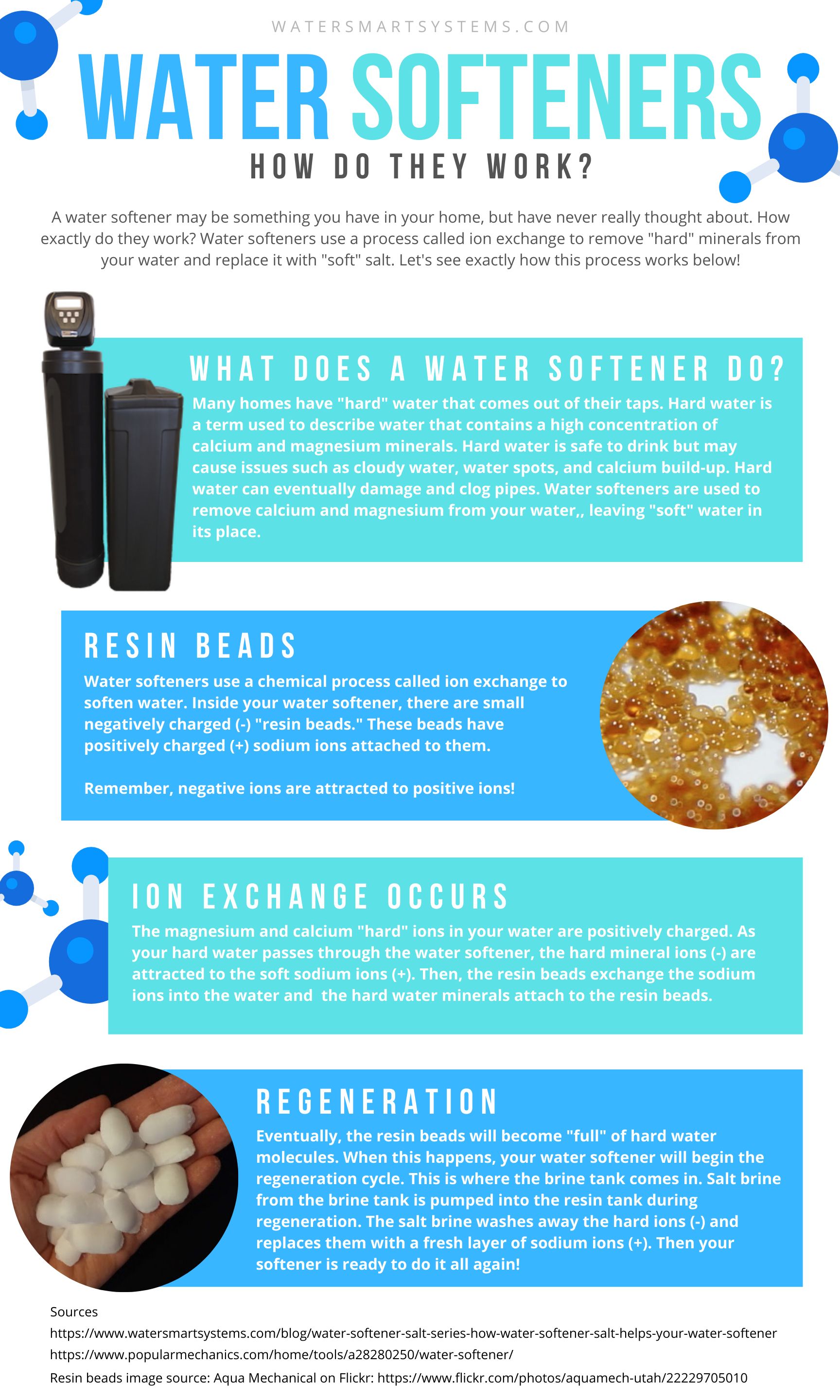
Regeneration is the process of cleaning the softener. It removes trapped hardness minerals and resets the system. If regeneration happens too rarely, the softener loses its ability to soften water well. Regular regeneration keeps the water consistently soft.
Testing Water Softness At Home
Testing water softness at home helps you see how well your softener works. It shows if the water is soft enough for daily use. You can check water hardness easily with simple tools. This lets you make sure your water feels smooth and clean.
Using Test Strips
Test strips are small and easy to use. Dip one strip into water and wait a few seconds. The strip changes color based on water hardness. Match the color to the chart on the package. This tells you how soft or hard your water is. Test strips are affordable and good for quick checks.
Digital Hardness Meters
Digital hardness meters give precise water hardness readings. Turn on the meter and place the sensor in water. Wait a moment for the device to show a number. The number shows how many grains per gallon or parts per million of hardness are in the water. Digital meters cost more but give fast, accurate results.
Interpreting Results
Soft water usually measures below 1 grain per gallon. Water between 1 and 3 grains is moderately soft. Above 3 grains means the water is still hard. Ideal softness depends on your needs, but most people prefer under 3 grains. Use your test results to adjust your softener settings if needed.
Adjusting Your Water Softener
Adjusting your water softener helps keep your water at the right softness. It controls how much hardness is removed from your water. Proper adjustment protects pipes and appliances. It also improves water taste and feel. Small changes can make a big difference in water quality.
Setting The Softener Level
Set the softener level based on your water hardness. Check your water hardness with a test kit. Adjust the setting to match the hardness number. A lower setting means softer water. Too soft water can taste salty. Too hard water leaves spots and scale.
Salt Dosage Impact
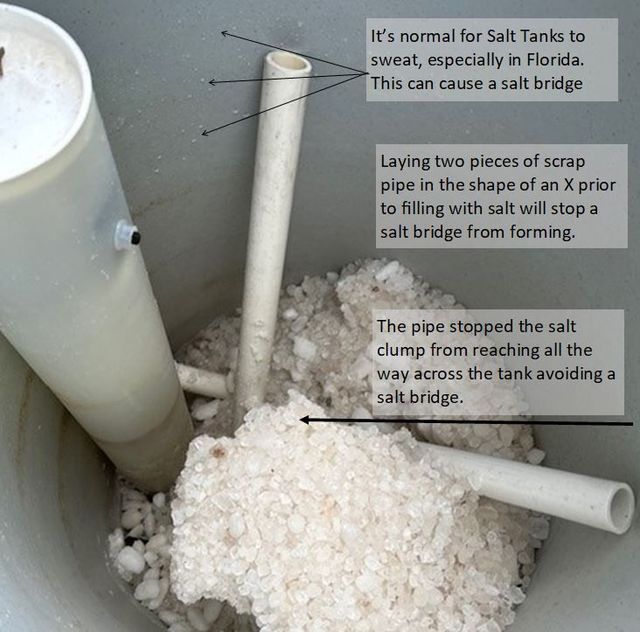
The amount of salt affects how well your softener works. More salt removes more hardness. Less salt saves money but may not soften enough. Use the salt recommended by the manufacturer. Keep salt clean and dry for best results. Salt bridges can cause issues, so check regularly.
Maintenance Tips
Regular maintenance keeps your softener working well. Clean the brine tank once a year. Check for salt buildup or blockages. Replace the resin beads every 5 to 10 years. Inspect the system for leaks or damage. Follow the user manual for simple care steps.
Signs Of Improper Water Softness
Knowing the signs of improper water softness helps you maintain your water softener. Water that is too hard or too soft can cause issues at home. Watch for clear signs that your water softness is off. These signs affect daily chores and your comfort.
Soap Scum And Residue
Soap does not rinse off well with hard water. It leaves a white, sticky film on sinks and tubs. Soft water should stop this build-up. If soap scum appears, your water is still too hard. On the other hand, very soft water can leave a slimy feel. This means the water lacks enough minerals.
Skin And Hair Effects
Hard water makes skin dry and itchy. It can cause hair to feel rough and dull. Soft water feels gentle on skin and hair. Too soft water can make skin feel slippery or slimy. This happens because it removes natural oils. Watch how your skin and hair react after showers.
Appliance Performance
Hard water causes scale build-up inside appliances. This lowers their efficiency and lifespan. Water softeners prevent this by removing minerals. If appliances still show scale or work poorly, softness is not right. Too soft water can cause metal parts to corrode faster. Check your appliances for signs of damage or poor performance.
Credit: www.watersmartsystems.com
Benefits Of Properly Softened Water
Properly softened water offers many important benefits for your home and health. It helps protect appliances, improves cleaning, and feels better on your skin. Soft water contains fewer minerals like calcium and magnesium. This makes a big difference in daily tasks and appliance care.
Soft water extends the life of many household devices. It also makes soaps and detergents work better. Plus, it can improve your comfort and skin health. Understanding these benefits helps you see why softening water is a smart choice.
Extended Appliance Lifespan
Hard water minerals cause buildup inside appliances. This buildup reduces efficiency and can cause damage. Soft water prevents scale and deposits from forming. Your water heater, dishwasher, and washing machine work better longer. Soft water saves money by lowering repair and replacement costs.
Improved Cleaning Efficiency
Soft water helps soap and detergent lather more easily. Clothes come out cleaner and brighter after washing. Dishes do not have water spots or film. Cleaning surfaces takes less effort and time. Soft water allows you to use less soap for the same results.
Health And Comfort
Soft water is gentle on skin and hair. It prevents dryness and irritation caused by hard water. Bathing feels smoother and more refreshing. Soft water reduces soap residue left on skin. This helps keep skin soft and hydrated throughout the day.
Common Myths About Water Softness
Many people have wrong ideas about how soft water should be after a softener. These myths can cause confusion and worry. Knowing the facts helps you choose the right water softness for your home and health.
Water softness means the amount of minerals, like calcium and magnesium, in the water. Soft water has fewer minerals than hard water. But some think soft water can cause problems. Let’s clear up these common myths.
Too Soft Water Risks
Some believe very soft water can harm pipes and appliances. In truth, soft water protects pipes from mineral buildup. It helps appliances last longer by reducing scale. Water that is too soft rarely causes damage or leaks.
Taste And Odor Concerns
People often say soft water tastes strange or smells bad. Soft water does not add bad taste or odor. Sometimes, pipes or water sources cause smells. Soft water can even improve how water tastes by removing minerals.
Environmental Impact
There is a myth that soft water harms the environment. Softening water uses salt, which some worry about. Proper use of water softeners minimizes salt use. Many systems now use less salt and save water. Soft water helps reduce soap and detergent use, which is better for nature.
Credit: www.walmart.com
Frequently Asked Questions
What Is The Ideal Softness Level After Water Softening?
The ideal softness is usually between 1 to 5 grains per gallon (gpg). This range prevents scale without making water too soft.
How Does Water Softness Affect Taste And Health?
Very soft water may taste salty or flat. Properly softened water is safe and better for skin and pipes.
Can Water Be Too Soft After A Softener?
Yes, water softer than 1 gpg can feel slippery and may corrode pipes. Balance is key.
How Do I Measure Water Softness After Softening?
Use a water hardness test kit or send a sample to a lab. Testing ensures correct softness.
Does Softer Water Save Money On Soap And Energy?
Soft water reduces soap use and helps appliances run efficiently. It can lower bills over time.
How Often Should I Check Water Softness After Installing A Softener?
Test water hardness every 3 to 6 months. Regular checks keep the system working well.
What Problems Arise From Incorrect Water Softness Levels?
Too hard water causes scale buildup; too soft can damage pipes. Proper levels protect plumbing and appliances.
Conclusion
Soft water should feel smooth, not slippery or slimy. Aim for 1 to 3 grains per gallon hardness. This level protects your pipes and appliances well. It also keeps your skin and hair healthy. Too soft water can taste flat or cause corrosion.
Test your water regularly to keep it balanced. Adjust settings on your softener if needed. Enjoy the benefits of water that feels just right. Softening water properly saves money and improves daily life. Simple steps lead to better water quality at home.