
Are you wondering if you can add pH Down right after shocking your pool? It’s a common question that many pool owners face.
Balancing your pool’s chemistry is crucial, and timing matters more than you might think. If you get it wrong, you could end up with cloudy water, skin irritation, or even damage to your pool surfaces. Keep reading to find out exactly when and how you should adjust your pH after shocking, so your pool stays crystal clear and safe for everyone to enjoy.
Why Ph Adjustment Matters
Adjusting the pH after shocking your pool is very important. It helps keep the water safe and clear. Balancing pH protects swimmers and the pool itself. Understanding why pH adjustment matters can save you time and money.
Impact On Water Balance
Proper pH levels keep water balanced. Balanced water stops scaling and corrosion. Too high or low pH causes problems in water chemistry. Balanced water helps chlorine work better. This keeps the pool clean and healthy.
Effects On Swimmer Comfort
Correct pH prevents skin and eye irritation. Low pH water feels harsh and stings eyes. High pH water can cause dryness and itchiness. Balanced pH makes swimming more enjoyable. It keeps swimmers comfortable and safe.
Preventing Equipment Damage
Unbalanced pH can damage pool equipment. High pH causes scale buildup on pipes and filters. Low pH leads to rust and corrosion. Proper pH protects pumps, heaters, and liners. This saves money on repairs and replacements.
Timing Ph Down After Shock
Knowing the right time to add pH Down after shocking your pool is important. Shocking changes the water chemistry quickly. Adding pH Down too soon can cause problems. Waiting the right amount of time helps keep the pool safe and balanced.
Ideal Waiting Period
Wait at least 4 to 6 hours after shocking before adding pH Down. This allows chlorine and other chemicals to settle. Testing the water after this time gives more accurate pH readings. Avoid rushing the process to keep the water stable.
Signs To Check Before Adding Ph Down
Check the pH level using a reliable test kit. The pH should be above 7.8 to consider adding pH Down. Also, ensure chlorine levels drop below 5 ppm. High chlorine can react with pH Down and cause cloudiness or irritation.
Risks Of Immediate Ph Adjustment
Adding pH Down right after shock may cause chemical imbalances. It can make the water cloudy or unsafe. The chlorine might not work properly if pH changes too fast. This can lead to algae growth or skin irritation. Patience keeps your pool clear and healthy.
Choosing The Right Ph Down Product
Choosing the right pH down product is important for maintaining clean and safe pool water. It helps balance the water after shock treatment. The right product keeps pH levels stable and prevents damage to pool equipment and surfaces.
Not all pH down chemicals work the same way. Some are stronger or safer than others. Knowing the common chemicals helps you pick the best option for your pool. Safety and environmental effects also matter when selecting a product.
Common Chemicals Used
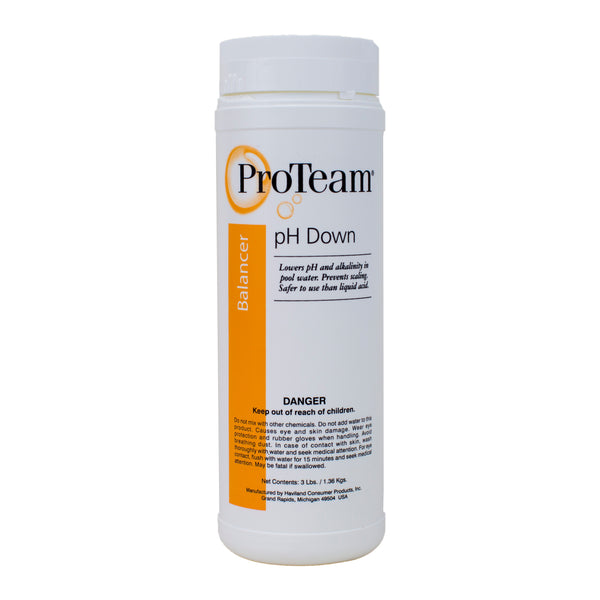
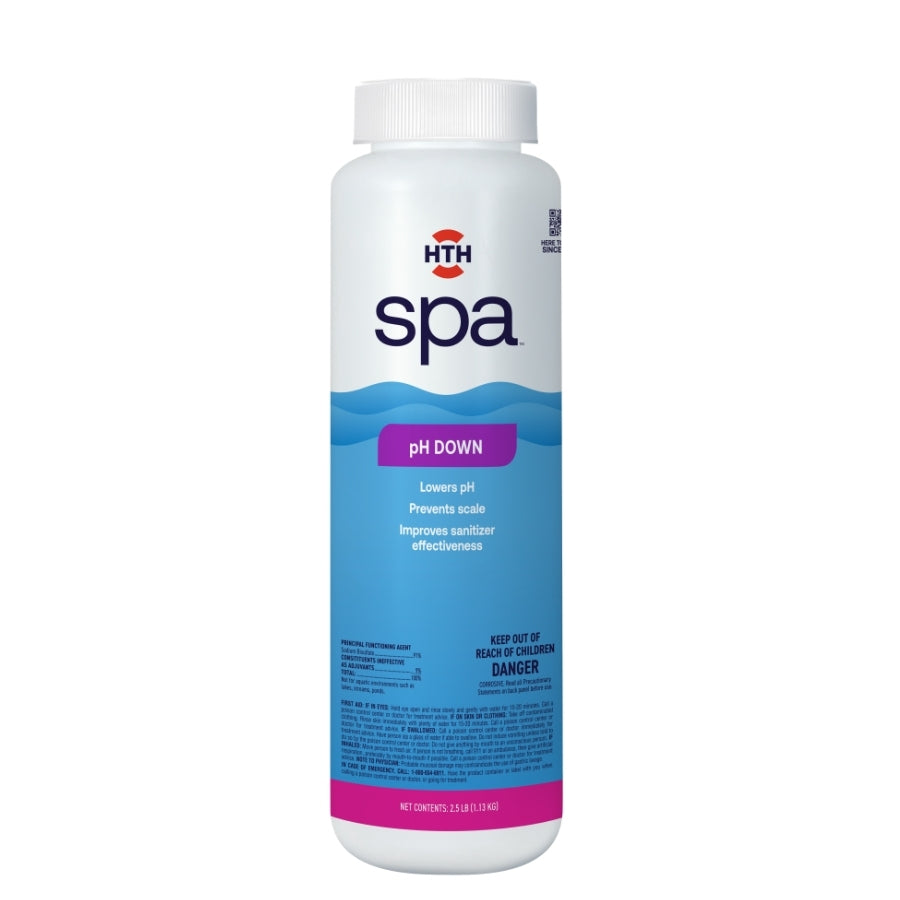
The most common pH down chemicals are muriatic acid and sodium bisulfate. Muriatic acid is strong and lowers pH quickly. Sodium bisulfate is safer to handle and less corrosive. Both effectively reduce pH but require careful use.
Sodium bisulfate is often called dry acid. It is easy to store and use. Muriatic acid comes as a liquid and needs more caution. Choose based on your comfort level and pool size.
Safety Precautions
Always wear gloves and goggles when handling pH down products. These chemicals can irritate skin and eyes. Work in a well-ventilated area to avoid breathing fumes.
Never mix pH down with other chemicals. This can cause dangerous reactions. Add the chemical slowly and test pH frequently. Keep children and pets away during treatment.
Environmental Considerations
Some pH down chemicals can harm plants and animals if spilled. Avoid pouring excess product on the ground. Dispose of containers properly according to local rules.
Using safer products like sodium bisulfate reduces environmental risks. Always measure carefully to prevent overuse. Balanced pool water protects both swimmers and nature.
Credit: intheswim.com
Step-by-step Ph Down Application
Applying pH Down after shocking your pool requires care and precision. Following clear steps helps keep your water balanced and safe. This process avoids damage and keeps the pool inviting for swimmers.
The steps include testing pH levels, calculating the right dosage, and mixing carefully. Each step plays a key role in the treatment process.
Testing Ph Levels Accurately
First, test the pool’s pH level accurately. Use a reliable test kit or digital tester. Take water samples from different spots for best results. Record the pH values to know the exact level. This step prevents adding too much or too little pH Down.
Calculating Correct Dosage
Check the product label for dosage instructions. Calculate how much pH Down your pool needs based on volume. Use the pH test results to guide your calculation. Always round down to avoid over-acidifying the water. Accurate dosing keeps your pool water balanced and safe.
Safe Mixing And Distribution
Wear gloves and eye protection while handling chemicals. Pre-dilute pH Down in a bucket of water before adding it. Slowly pour the diluted solution into the pool near the return jets. This helps spread the chemical evenly. Avoid pouring directly on pool surfaces to prevent damage.
Maintaining Balanced Pool Chemistry
Maintaining balanced pool chemistry keeps water safe and clear. Proper balance prevents damage to pool surfaces and equipment. It also helps swimmers enjoy a comfortable and healthy swim. After shocking your pool, careful attention to chemistry levels is key. This includes pH, alkalinity, and hardness. Taking the right steps ensures your pool stays in top condition.
Routine Testing Schedule
Test your pool water regularly. Check pH, chlorine, alkalinity, and hardness levels. Use reliable testing kits or strips. Test before and after shocking the pool. Record results to track changes over time. Frequent testing helps catch problems early. Adjust chemicals promptly to keep balance stable.
Balancing Alkalinity And Hardness
Alkalinity keeps pH stable and prevents sudden changes. Keep alkalinity between 80-120 ppm for best results. Hardness protects pool surfaces from corrosion or scaling. Aim for calcium hardness between 200-400 ppm. Adjust these levels as needed after shocking. Proper balance prevents cloudiness and damage.
Adjusting Other Chemicals Post-shock
Shock increases chlorine, which can raise pH levels. Lower pH using pH down products carefully. Avoid large pH swings to protect swimmers and equipment. Check cyanuric acid, which stabilizes chlorine from sunlight. Balance total dissolved solids to avoid buildup. Adjust all chemicals based on test results for safe water.
Credit: www.poolgeek.com
Troubleshooting Common Issues
Troubleshooting common issues after shocking your pool helps keep the water safe and clear. Many pool owners face challenges like pH swings or cloudy water after treatment. Knowing how to handle these problems quickly can save time and stress. Here are some common issues and simple fixes.
Ph Fluctuations After Treatment
Shocking your pool often changes the pH level suddenly. This happens because shock chemicals are usually acidic or alkaline. A quick drop or rise in pH can cause discomfort or damage pool surfaces.
Test the pH level a few hours after shocking. If it is too low, add pH increaser slowly. If it is too high, use pH decreaser in small amounts. Always adjust in steps to avoid big swings.
Cloudy Water Solutions
Cloudy water often appears after shocking. This happens when particles clump but do not settle. High pH or low sanitizer levels can make this worse.
Run the pool filter longer after shocking to clear particles. Use a pool clarifier to help clear the water faster. Check pH and sanitizer levels and balance them as needed.
Handling Overcorrection
Overcorrecting pH after shock can cause more problems. Adding too much pH down or up quickly disrupts water balance. This can lead to irritation or damage to pool parts.
Make small adjustments and retest after 30 minutes. Avoid rushing to fix pH. Patience is key to keeping water balanced and safe.
Credit: hthpools.com
Frequently Asked Questions
Can I Add Ph Down Right After Shocking My Pool?
It is best to wait several hours after shocking before adding pH down. Shocking raises chlorine and changes pH. Let chemicals settle first.
How Long Should I Wait To Add Ph Down After Shock?
Wait at least 4 to 6 hours before adding pH down after shock. This allows chlorine levels to drop. Test water before adjusting pH.
Will Adding Ph Down After Shock Affect Chlorine Levels?
Adding pH down does not reduce chlorine levels. It only adjusts the water’s acidity. Chlorine will still sanitize the pool properly.
Can Ph Down Cause Problems If Added Too Soon After Shock?
Adding pH down too soon may cause chemical imbalance. It can reduce shock effectiveness. Always test water before adding chemicals.
What Is The Best Way To Balance Ph After Shocking?
Test pH and chlorine after shocking. Add small amounts of pH down slowly. Retest and repeat as needed for balance.
Should I Test Ph Before Or After Adding Ph Down Post Shock?
Test pH before and after adding pH down. This helps track changes. Adjust in small steps for safe water balance.
Does Shock Treatment Affect The Ph Level Of Pool Water?
Yes, shock often raises pool water pH. This can make water alkaline. Use pH down to restore proper pH range.
Conclusion
Adding pH Down after shocking your pool is usually safe. Wait until the chlorine level drops to normal first. This helps keep the water balanced and safe to swim in. Test your water often to know the right time to add chemicals.
Always follow the instructions on your products carefully. Good water care keeps your pool clear and healthy. Simple steps make pool maintenance easier and more effective. Keep your pool water clean and balanced for the best experience.