
If you’re working with beetle kill blue pine, you know how unique and beautiful this wood is. But choosing the right finish can be tricky.
The wrong finish can hide its stunning blue tones or fail to protect your project. You want a finish that brings out the best in the wood while keeping it safe from wear and tear. You’ll discover the best finishes for beetle kill blue pine that highlight its natural beauty and last for years.
Keep reading to find the perfect match for your woodwork.
Credit: wardhardwoodflooring.com
Characteristics Of Beetle Kill Blue Pine
Beetle Kill Blue Pine stands out for its special look and qualities. This wood comes from pine trees affected by mountain pine beetles. The beetles change the wood’s color and texture. These changes give the wood a distinct appearance. Woodworkers value it for many reasons. Understanding its characteristics helps choose the best finish for it.
Unique Color And Texture
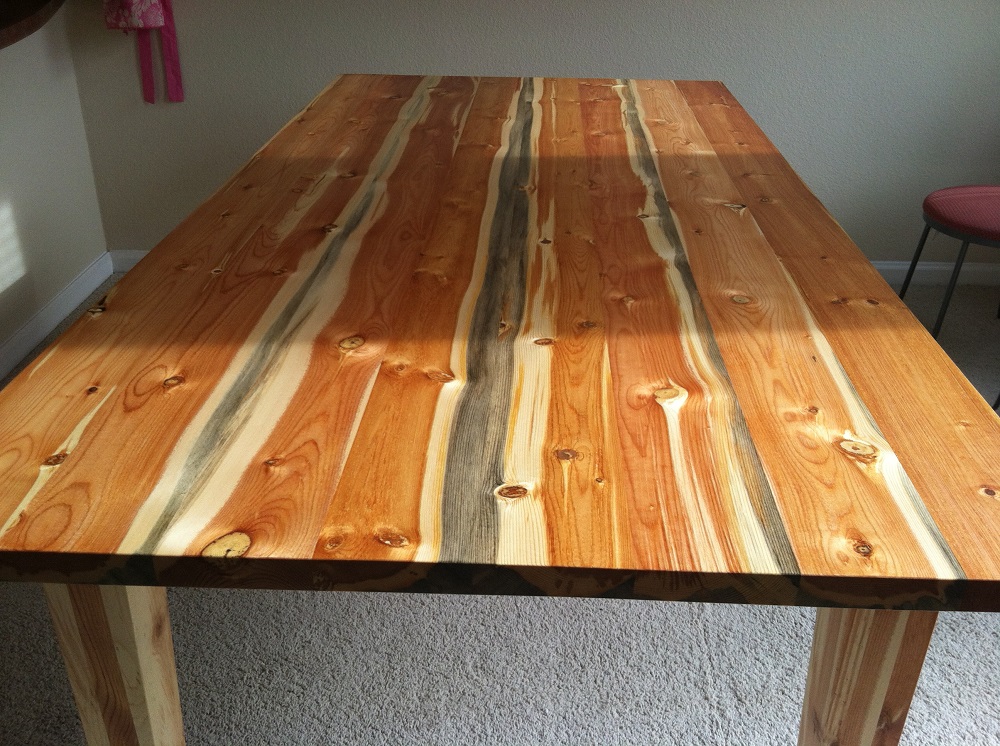
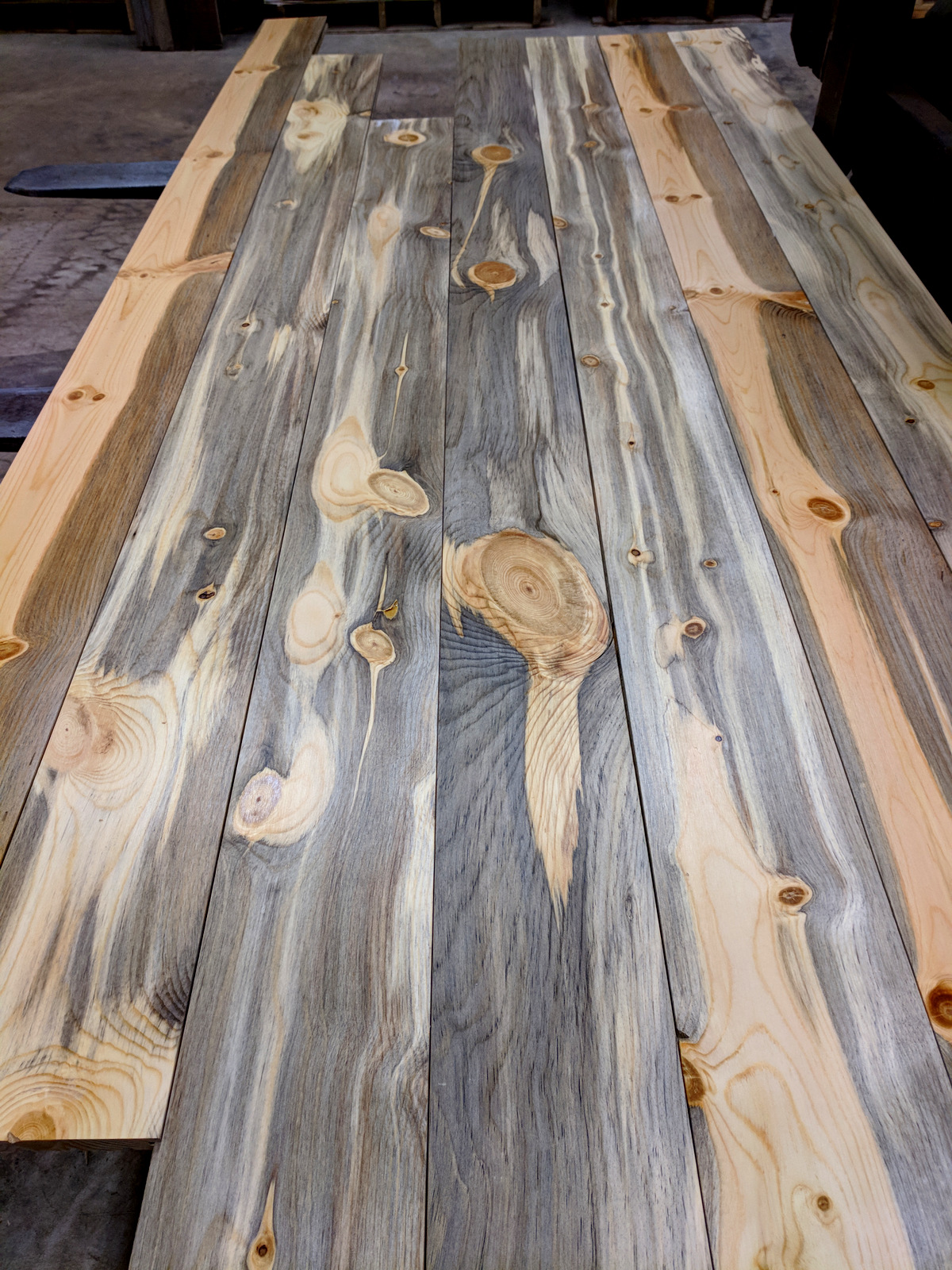
The beetle attack turns the pine a blue-gray shade. This unique color varies from light blue to deep gray. The texture shows small holes and marks from the beetles. These natural patterns create a rustic charm. No two pieces look exactly the same. The wood often features interesting grain patterns. It feels smooth but has a rugged look. This mix of color and texture adds character to any project.
Wood Properties And Durability
Beetle Kill Blue Pine remains strong and solid. The beetle does not weaken the wood’s structure. It has a medium density, making it easy to work with tools. The wood resists warping and cracking well. It dries without losing shape or strength. This pine takes finishes and stains nicely. It also resists decay better than normal pine. These qualities make it a reliable choice for many uses.
Common Uses In Woodworking
Woodworkers use Beetle Kill Blue Pine for furniture and flooring. Its unique look fits well in cabins and rustic homes. It is popular for wall paneling and decorative accents. The wood is also used for outdoor projects. Its durability keeps it lasting for years. Craftsmen choose it for tables, chairs, and shelves. The natural color saves time on staining. This wood adds a special touch to any project.
Challenges In Finishing Beetle Kill Blue Pine
Finishing beetle kill blue pine presents unique challenges. This wood has distinct characteristics that affect how finishes appear and last. Proper preparation and understanding of the wood’s traits are essential. Without care, the final look may disappoint. Here are key issues to keep in mind when finishing beetle kill blue pine.
Impact Of Wood Moisture Content
Moisture content plays a big role in finishing wood. Beetle kill blue pine can retain high moisture levels. Wet wood may cause finishes to peel or fail. It also slows drying time for stains and sealers. Testing moisture before finishing helps avoid problems. Wood should be dry and stable for best results.
Effects Of Beetle Damage
Beetle damage changes the wood’s surface and texture. Tiny holes and tunnels make it uneven. These imperfections affect stain absorption. Some areas soak up more finish than others. This leads to blotchy or uneven color. Filling holes and sanding smooth improves finish quality.
Potential For Staining And Discoloration
Beetle kill blue pine often has natural blue-green streaks. These colors can react with some finishes. Certain stains may darken or change the wood’s hue. Discoloration can ruin the desired look. Using clear or compatible finishes helps keep true color. Testing a small area first is wise.
Types Of Finishes Suitable For Blue Pine
Choosing the right finish for Beetle Kill Blue Pine helps protect and show off its unique look. This wood has a beautiful blue tint caused by beetle damage. The finish you pick can enhance the color and texture. Some finishes bring out the grain better. Others offer strong protection from wear and moisture. Here are some types of finishes that work well with Blue Pine.
Oil-based Finishes
Oil-based finishes soak deep into the wood. They highlight the natural grain and color of Blue Pine. These finishes give a warm, rich tone that enhances the blue shades. They also protect the wood from drying out and cracking. Oil finishes need reapplication over time but are easy to maintain. They create a smooth, natural feel on the wood surface.
Polyurethane Coatings
Polyurethane coatings form a hard, protective layer on Blue Pine. They protect against scratches, water, and stains. These coatings come in glossy, satin, or matte finishes. Polyurethane keeps the wood looking new for longer. It is ideal for floors and furniture that get heavy use. Some types may slightly darken the wood color.
Water-based Finishes
Water-based finishes dry quickly and have low odor. They keep Blue Pine’s color bright without yellowing over time. These finishes offer good protection and are easy to clean up. Water-based options are also better for the environment. They give a clear, natural look while keeping the wood safe.
Wax And Varnish Options
Wax finishes add a soft shine and smooth feel to Blue Pine. They protect against moisture but need regular upkeep. Varnish offers a harder, more durable finish. It brings out the wood’s grain and adds depth to the color. Both wax and varnish can be used alone or over other finishes for extra protection.
Preparation Steps Before Applying Finish
Preparing Beetle Kill Blue Pine before applying a finish is important. Proper preparation helps the finish stick better and last longer. It also brings out the wood’s natural beauty. Follow these key steps to get the best results.
Sanding Techniques
Start sanding with medium-grit sandpaper. This removes rough spots and old finishes. Sand along the grain to avoid scratches. Move to finer grits for a smooth surface. Finish with very fine sandpaper for a soft feel. Check for any rough patches and sand again if needed.
Cleaning And Dust Removal
Remove all dust before finishing. Use a vacuum to get dust from cracks. Wipe the wood with a damp cloth. Let it dry completely. Dust left on the surface can cause bumps in the finish. Clean wood helps the finish look smooth and even.
Conditioning The Wood
Apply a wood conditioner to help the finish absorb evenly. This is important for Beetle Kill Blue Pine because it has different textures. The conditioner prevents blotchy spots. Follow the product’s instructions for best results. Let the conditioner dry before applying the finish.
Application Tips For Long-lasting Protection
Applying the best finish to Beetle Kill Blue Pine ensures it stays beautiful and protected. Proper application helps the wood resist damage and wear. Follow these tips to keep the finish strong and lasting.
Choosing The Right Tools
Select brushes or applicators designed for wood finishes. Use a high-quality synthetic brush for smooth application. Foam brushes work well for even coats. Avoid tools that leave streaks or bubbles. Clean tools before use to prevent dirt in the finish.
Layering And Drying Times
Apply thin, even layers of finish. Thick layers can cause peeling and slow drying. Allow each coat to dry fully before adding the next. Follow the product’s recommended drying time. Lightly sand between coats for a smooth surface. This helps the finish stick better.
Maintaining Finish Over Time
Keep the wood clean and dry to protect the finish. Check for signs of wear or damage regularly. Reapply finish as needed to maintain protection. Use gentle cleaning methods to avoid stripping the finish. Proper care extends the life and look of Beetle Kill Blue Pine.
Credit: www.reddit.com
Common Mistakes To Avoid
Choosing the best finish for Beetle Kill Blue Pine requires care. Many people make mistakes that reduce the wood’s beauty and durability. Avoiding these errors helps the finish last longer and look better. Below are some common mistakes to watch out for.
Skipping Surface Preparation
Surface preparation is key to a smooth finish. Skipping sanding leaves rough spots and uneven areas. Dirt and dust can stick under the finish, causing flaws. Always clean and sand the wood before applying any finish.
Using Incompatible Finishes
Not all finishes work well with Beetle Kill Blue Pine. Some finishes can cause discoloration or peeling. Using the wrong product wastes time and money. Choose finishes designed for softwood and check product labels carefully.
Ignoring Environmental Factors
Temperature and humidity affect how finishes dry and cure. Applying finish in very hot or cold weather can cause cracking. High humidity may slow drying and cause cloudiness. Apply finish in moderate, dry conditions for best results.
Enhancing Blue Pine’s Natural Beauty
Beetle Kill Blue Pine has a unique look that stands out in any space. Its natural patterns and colors create a rustic charm. Enhancing its beauty means bringing out these special features. The right finish protects and showcases the wood’s character. It can make the wood look richer and more vibrant. Simple methods highlight the wood’s natural appeal without hiding it.
Highlighting Color Variations
Blue Pine shows many color tones, from blue-gray to warm browns. A clear finish keeps these colors visible and bright. Light sanding before applying helps the finish soak in evenly. Avoid heavy coats that can dull the wood’s color. Natural oils work well to deepen the wood’s hues. This method keeps the variations lively and clear.
Using Stains And Dyes
Stains and dyes change the wood color but keep its texture. Choose transparent stains to let the grain show through. Dyes give more vivid and uniform color coverage. Test stains on a small piece before applying broadly. This step avoids unwanted shades and ensures a perfect match. Stains and dyes add depth without covering the wood’s natural patterns.
Combining Finishes For Effect
Mixing finishes can create a unique look for Blue Pine. Start with a stain to add color. Follow with a clear coat for shine and protection. Matte finishes reduce glare and keep a natural feel. Glossy finishes make colors pop but can look shiny. Layering finishes lets you control how the wood appears. This approach enhances both color and texture.
Credit: www.sustainablelumberco.com
Frequently Asked Questions
What Is The Best Finish For Beetle Kill Blue Pine Wood?
A clear oil finish is ideal for beetle kill blue pine. It enhances the wood’s natural blue and brown tones. This finish also protects the wood from moisture.
Can I Use Polyurethane On Beetle Kill Blue Pine?
Yes, polyurethane works well on beetle kill blue pine. It provides a hard, durable surface that resists scratches. Choose a water-based option for a clearer finish.
How Do I Prepare Beetle Kill Blue Pine Before Finishing?
Start by sanding the wood with fine-grit sandpaper. Clean off dust with a damp cloth. This helps the finish stick better and look smooth.
Does A Stain Help With Beetle Kill Blue Pine’s Blue Color?
Stains can change or dull the blue color. Many prefer to keep the natural blue tone. Clear finishes are best to show off the wood’s unique look.
How Long Does A Finish Last On Beetle Kill Blue Pine?
A good finish can last several years with care. Regular cleaning and avoiding harsh weather help keep it fresh. Reapply finish when wood looks dry or worn.
Is Sealing Beetle Kill Blue Pine Necessary For Outdoor Use?
Sealing is important to protect the wood from rain and sun. It prevents cracking and fading. Use a finish made for outdoor wood for best results.
Can I Use Wax As A Finish On Beetle Kill Blue Pine?
Wax can give a soft, natural shine but offers less protection. It’s good for indoor pieces that don’t get much wear. For durability, combine wax with an oil finish.
Conclusion
Choosing the right finish protects beetle kill blue pine beautifully. It brings out the wood’s rich, natural color and texture. A good finish keeps the wood strong and safe from damage. It also makes cleaning easier and keeps the surface smooth.
Remember to pick a finish that matches your project’s needs. This helps the wood last longer and look great. Taking care of beetle kill blue pine ensures it stays a unique and lovely material. The right finish truly makes all the difference.