
Have you ever noticed strange smells coming through your vents and wondered if they’re coming from your neighbors? It’s not just annoying—it can make your home feel uncomfortable and even unhealthy.
If you’re tired of dealing with unwanted odors drifting into your space, you’re in the right place. You’ll discover simple, effective ways to stop those smells in their tracks. Keep reading to find out how to take back control of your home’s air and enjoy fresh, clean breathing space again.
Common Causes Of Smells Through Vents
Smells coming through vents can be unpleasant and confusing. Understanding the common causes helps fix the problem quickly. Vents carry air, but sometimes unwanted odors sneak in. Knowing why smells travel through vents can stop the issue at its source.
Shared Ventilation Systems
Some buildings share ventilation systems between units. Air from one apartment can move to another. Smells from cooking, pets, or smoke can spread this way. Shared vents mix air, letting odors travel easily. This causes neighbors’ smells to enter your home.
Poor Vent Sealing
Vents need to be sealed tightly to keep air clean. Gaps or cracks around vents let smells leak in. Dust and dirt can also build up in these spaces. Poor sealing allows outside odors to come inside. Fixing seals helps block unwanted smells from vents.
Mold And Mildew Growth
Mold and mildew grow in damp vent areas. They produce musty, bad smells that spread through the air. Moisture from leaks or high humidity causes this growth. Dirty vents with mold need cleaning to stop odors. Removing mold improves air quality and smell.
Nearby Garbage Or Plumbing Issues
Garbage areas close to vents can cause bad smells. Trash odors find their way into ventilation systems. Plumbing leaks or clogs also create foul smells. These odors travel through vents to your rooms. Fixing garbage storage and plumbing stops smells from vents.
Identifying The Source Of The Odor
Detecting the source of a strange smell coming through vents can be tricky. You need to find where the odor starts. This helps stop it from coming back.
Start by checking how the air moves in your home. Then, look closely at the vents and ducts. Use simple tools to test the smell in different places. This process helps pinpoint the source.
Checking Airflow Direction
Air usually flows from one place to another through vents. Check which way the air is moving. This shows if the smell comes from inside or outside your home. Stand near the vent and feel the air. Use a small piece of tissue to see which way it moves. This simple test shows the airflow direction clearly.
Inspecting Vent Covers And Ducts
Look at vent covers for dirt or damage. Sometimes, smells come from dust, mold, or pests trapped there. Remove the covers carefully. Check inside ducts for any blockages or leaks. Use a flashlight to see deep inside. Clean any dust or debris found. Fix holes or cracks to stop smells from spreading.
Using Smell Detectors And Tests
Smell detectors help find hidden odors. Some devices sense gas, smoke, or mold smells. Use these tools near vents and ducts. You can also try simple tests like smelling different vents separately. This helps find which vent carries the odor. Mark the vents with strong smells for further inspection.
Simple Diy Fixes To Block Odors
Unpleasant smells from neighbors can travel through vents and disrupt your comfort. Simple DIY fixes can help block these odors effectively. These easy steps require minimal tools and can improve your indoor air quality quickly.
Sealing Gaps And Cracks
Check around your vents for gaps or cracks where smells might enter. Use weatherstripping or silicone caulk to seal these openings. This stops unwanted air from flowing through and reduces odors. Sealing also improves your home’s energy efficiency.
Installing Vent Filters
Vent filters trap dust and odors before they spread inside. Purchase filters that fit your vent size and install them easily. Replace filters every few months for best results. This method helps keep your air fresh and clean.
Using Activated Charcoal Or Baking Soda
Activated charcoal absorbs bad smells naturally and works well in vents. Place small bags near vent openings to soak up odors. Baking soda is another option; sprinkle it inside vents and vacuum after a few hours. Both are safe and inexpensive odor blockers.

Credit: www.baymgmtgroup.com
Improving Ventilation And Air Quality
Improving ventilation and air quality helps stop smells from neighbors coming through vents. Fresh air and clean filters reduce odors and make your home healthier. Small changes can make a big difference.
Focus on air flow and keeping the air inside your home clean. This lowers the chance of unwanted smells entering through vents.
Upgrading Air Filters Regularly
Change your air filters often to catch dust and smells better. Old filters let smells pass through easily. Use filters with a high MERV rating for better air cleaning. This keeps your home’s air fresh and clear.
Using Air Purifiers
Air purifiers remove odors and tiny particles from the air. Place them near vents or areas with strong smells. Choose purifiers with HEPA filters for the best results. They help keep your indoor air pure and clean.
Increasing Fresh Air Intake
Bring more fresh air into your home by opening windows or vents. Use exhaust fans to push stale air out. This lowers the chance of smells from neighbors entering your space. Fresh air keeps your home feeling clean and healthy.
When To Call A Professional
Sometimes, the smell coming through vents does not go away. You may try cleaning and airing out your home. Yet, the odor returns or gets worse. At this point, calling a professional is the best step. They have the tools and skills to fix the problem safely and fully. Knowing when to call helps avoid health risks and keeps your home fresh.
Persistent Odors Despite Diy Efforts
Trying to remove bad smells yourself is common. You might clean vents or change filters. You may even use air fresheners or open windows. If the smell stays strong or returns quickly, the issue is deeper. A professional can find hidden sources you cannot see. Persistent odors need expert attention to stop them for good.
Duct Cleaning And Maintenance
Dirty ducts often cause smells to spread in your home. Dust, mold, and bacteria build up inside vents. Professionals clean and sanitize your duct system thoroughly. They remove all dirt and contaminants that cause odors. Regular maintenance keeps the air clean and the system working well. This also prevents future smell problems.
Hvac System Inspection
The HVAC system moves air through your home. If parts are broken or dirty, smells spread easily. A professional inspects your system carefully. They check for leaks, mold, or damaged parts. Fixing these issues stops smells from coming through vents. Regular inspections keep your HVAC running smoothly and safely.

Credit: www.reddit.com
Preventing Future Odor Issues
Preventing future odor issues from neighbors’ vents requires ongoing care and good habits. Taking simple steps can keep your indoor air fresh and clean. A few small actions make a big difference.
Regular Vent And Duct Cleaning
Clean vents and ducts often to stop smells from building up. Dust and debris trap odors and block airflow. Hire a professional or use a vacuum designed for vents. Regular cleaning keeps air moving and fresh.
Check vents every few months for dirt or mold. Clean filters in your HVAC system to improve air quality. Clean ducts reduce the chance of smells entering your home.
Proper Waste Management
Dispose of garbage correctly to avoid bad smells near vents. Keep trash cans sealed and away from ventilation areas. Clean bins regularly to stop odors from spreading. Avoid letting food waste sit too long indoors.
Good waste habits reduce the chance of smells traveling through vents. A clean environment helps prevent future odor problems.
Communicating With Neighbors
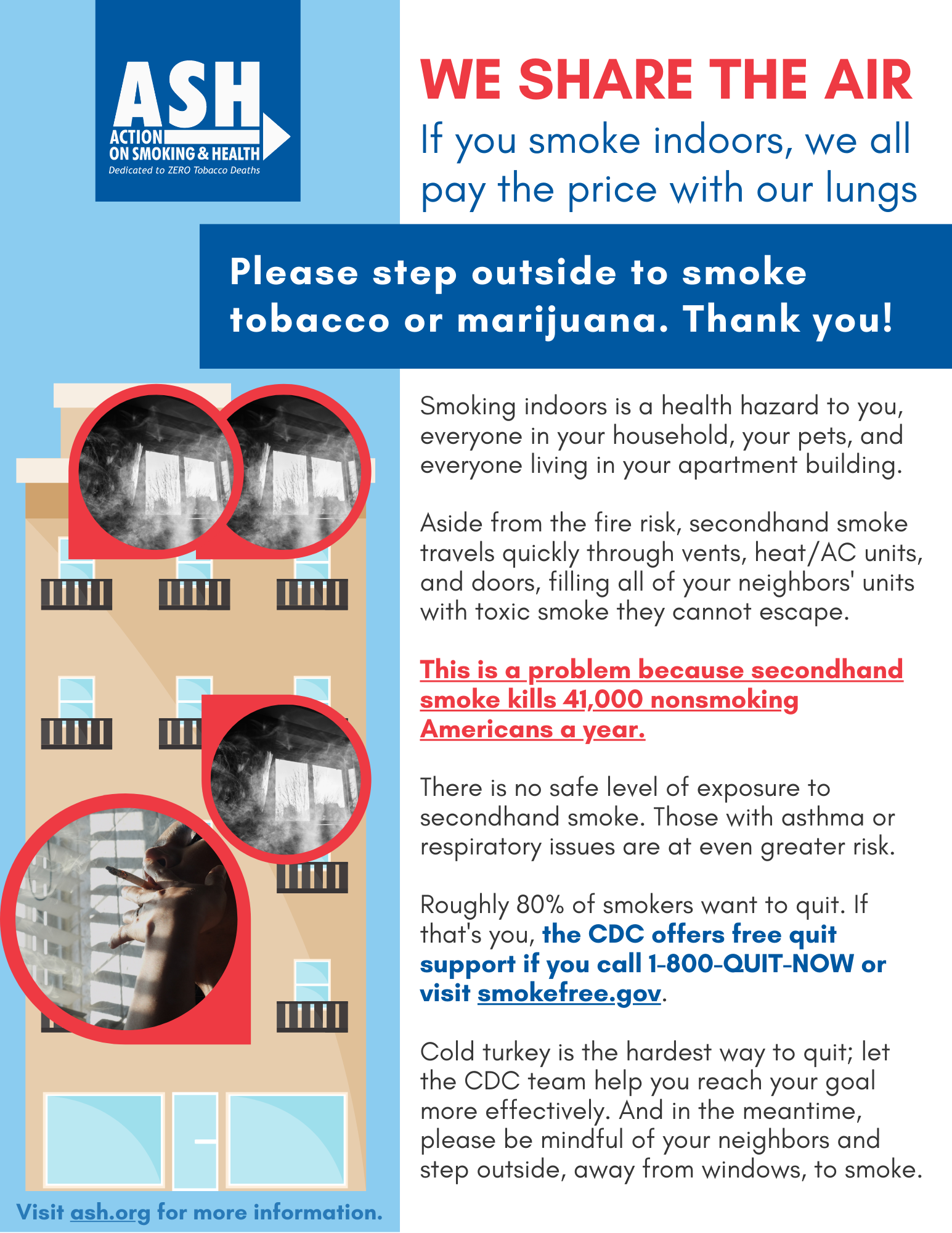
Talk kindly with neighbors about odor problems. They may not know their smells affect you. A friendly chat can lead to solutions everyone agrees on. Suggest checking their waste or vent areas for issues.
Open communication creates a better living space for all. Working together stops odors before they start.
Credit: ash.org
Frequently Asked Questions
Why Do Neighbors’ Smells Come Through Air Vents?
Smells travel through shared ductwork or gaps in walls. Poor sealing allows odors to move between homes easily.
How Can I Stop Smells From Neighbors Through Vents?
Seal gaps around vents with caulk or weatherstripping. Use vent covers or filters to block unwanted odors.
Can Dirty Air Ducts Cause Neighbor Smells In My Home?
Yes, dirty ducts can trap and spread odors. Regular duct cleaning helps reduce smells and improves air quality.
Does Ventilation System Design Affect Odor Transfer Between Homes?
Poorly designed systems can mix air from different units. Proper ventilation separates airflow and reduces smell crossover.
Will Air Purifiers Help Remove Neighbor Smells From Vents?
Air purifiers can reduce airborne odors inside your home. They work best with sealed vents and clean ducts.
Should I Contact My Landlord About Vent Smell Issues?
Yes, landlords can inspect and fix shared duct problems. Reporting helps maintain building air quality and comfort.
Can Weather Changes Increase Neighbor Smells Through Vents?
Yes, wind and temperature shifts can push odors through vents. Sealing and filtering vents help reduce this effect.
Conclusion
Smells from neighbors through vents can be frustrating. Cleaning vents regularly helps reduce odors. Sealing gaps stops smells from traveling. Using air purifiers improves indoor air quality. Proper ventilation keeps your home fresh. These simple steps make a big difference.
You can enjoy a cleaner, smell-free space. Stay consistent with maintenance to prevent issues. Fresh air feels good and healthy. Take control of your home’s air today.