
Construction dust in the air can quickly turn your home or workspace into an uncomfortable and unhealthy environment. If you’ve ever tried to breathe or work around that fine layer of dust settling everywhere, you know how frustrating it can be.
But don’t worry—getting rid of construction dust doesn’t have to be a struggle. You’ll discover simple and effective ways to clear the air and protect your health. Keep reading, because the solutions you’ll learn could make a huge difference in your comfort and well-being.
Credit: construction2style.com
Sources Of Construction Dust
Construction sites create a lot of dust that spreads in the air. This dust comes from many activities and materials. Knowing where dust comes from helps control it better. Dust in construction is not just dirt. It can affect health and damage property.
Common Dust-producing Activities
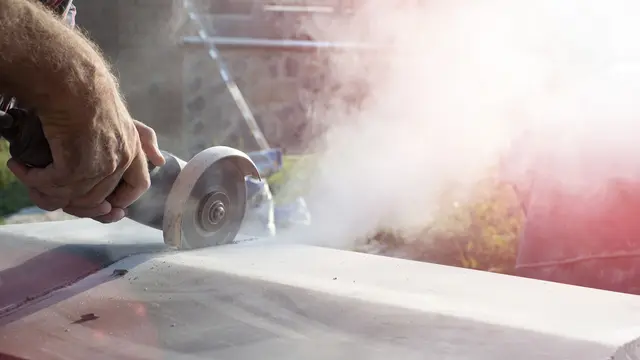
Cutting wood and concrete makes fine dust fly around. Drilling into walls releases tiny particles. Sanding surfaces creates a cloud of dust. Demolition breaks down old buildings, causing large dust clouds. Moving soil and gravel also stirs up dust. Mixing cement and mortar creates airborne dust. All these actions produce dust that spreads quickly.
Types Of Dust Particles
Dust particles vary in size and type. Some are large and settle quickly. Others are tiny and float in the air for a long time. Silica dust comes from cutting concrete and stone. It can harm lungs if inhaled. Wood dust comes from cutting and sanding wood. It can cause allergies and breathing problems. Dust also contains dirt, sand, and tiny pieces of materials. Each type needs different ways to control it.

Credit: www.blueair.com
Health Risks Of Construction Dust
Construction dust is more than just a nuisance. It carries tiny particles that can harm your health. Breathing in this dust can cause different problems depending on how long you are exposed. Understanding the health risks helps you take better care of yourself and those around you.
Short-term Effects
Inhaling construction dust can irritate your eyes, nose, and throat. You might cough or have trouble breathing. Some people get headaches or feel tired. Dust can cause allergies or trigger asthma attacks. These effects often go away after you leave the dusty area. Still, they can be very uncomfortable.
Long-term Consequences
Long exposure to construction dust can cause serious lung diseases. It may lead to chronic bronchitis or worsen asthma over time. Silica dust, common in construction, can cause silicosis. This disease scars lung tissue and reduces breathing ability. Dust can also increase the risk of lung cancer. Protecting yourself from dust is crucial for long-term health.
Preventive Measures On Site
Controlling construction dust on site starts with strong preventive measures. Keeping dust under control protects workers and nearby residents. It also helps keep the site clean and safe. Simple steps can reduce dust in the air before it spreads.
Dust Barriers And Containment
Use dust barriers to block dust from spreading. Plastic sheets or mesh fences work well around dusty areas. They keep dust inside the work zone. Containment structures around dusty tasks stop dust from flying away. Barriers lower the chance of dust reaching people and buildings nearby.
Proper Material Handling
Move and store materials carefully to limit dust. Cover loose soil and sand piles with tarps. Avoid dropping materials from high places. Handle dry materials gently to stop dust clouds. Use sealed containers for powders and fine debris. Good material handling reduces dust at the source.
Using Water To Control Dust
Spray water on dusty surfaces regularly. Water keeps dust particles heavy so they don’t float. Use hoses, sprinklers, or misting systems for even coverage. Wet down dirt roads and work areas often. Water is a simple, low-cost way to cut dust in the air.
Credit: www.danthermgroup.com
Air Filtration Solutions
Construction dust can cause health problems and make the air hard to breathe. Air filtration solutions help remove dust from the air. These solutions keep indoor air cleaner and safer during construction work.
Choosing the right air filtration method depends on the size of the space and the amount of dust. Some tools work better for small rooms, while others suit large construction sites. Understanding these options helps you pick the best solution for your needs.
Hepa Air Purifiers
HEPA air purifiers capture tiny dust particles with high efficiency. They trap 99.97% of particles as small as 0.3 microns. These purifiers work well in homes or small offices near construction areas. HEPA filters improve air quality by removing dust, pollen, and other allergens.
These devices run quietly and use little power. Place them in rooms where dust builds up the most. Regular filter changes keep purifiers working at top performance.
Industrial Air Scrubbers
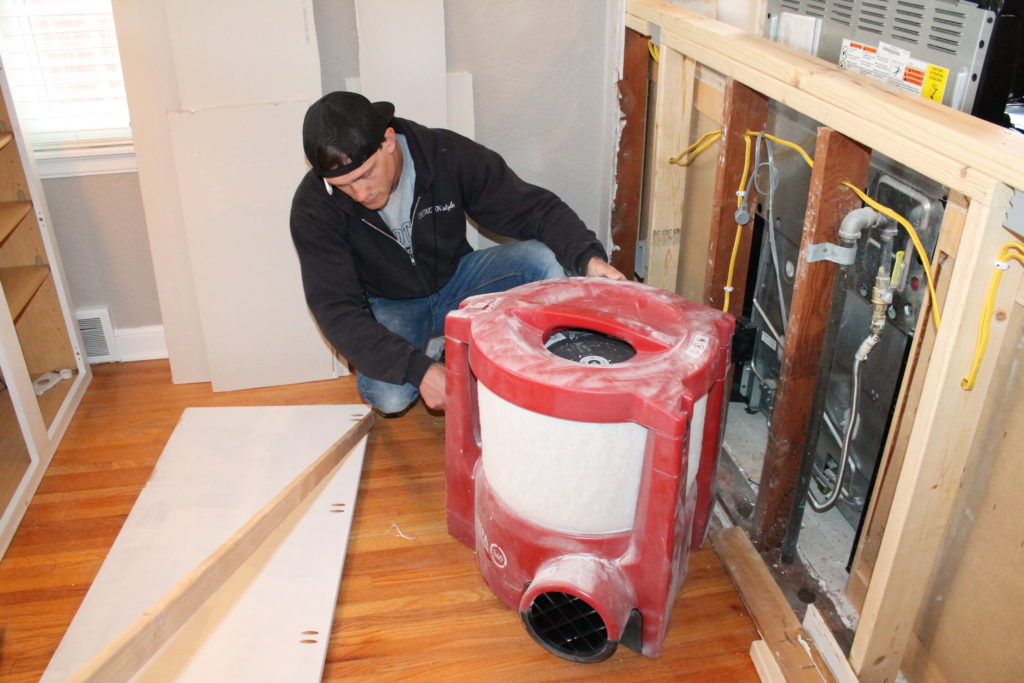
Industrial air scrubbers clean large spaces with heavy dust loads. They use strong fans and filters to pull dust out of the air. These machines fit well on construction sites or big warehouses. Air scrubbers reduce airborne dust quickly and effectively.
They often include multiple filter stages for better dust removal. Operators can move scrubbers to areas with the most dust. Maintenance involves checking filters and fans regularly.
Ventilation Improvements
Good ventilation helps remove dust and bring in fresh air. Opening windows and doors creates natural airflow. Exhaust fans push dusty air outside to improve air quality.
Adding vents or air ducts can boost ventilation in enclosed spaces. Mechanical systems help control airflow and reduce dust buildup. Ventilation works best combined with air purifiers or scrubbers.
Cleaning Strategies During And After Construction
Cleaning during and after construction is key to keeping the air safe and the space healthy. Dust from construction can spread fast and settle on surfaces. This dust can irritate eyes and lungs. Using the right cleaning methods helps reduce dust in the air. It also stops dust from settling on furniture and floors.
Choosing the right cleaning strategy depends on the stage of construction and dust levels. Some methods work best during construction. Others help after the work is done. Combining different techniques gives the best results. These simple steps keep your home or workplace clean and dust-free.
Wet Cleaning Techniques
Wet cleaning captures dust instead of spreading it. Use damp cloths or mops to wipe floors and surfaces. Spray water lightly on dusty spots before cleaning. This stops dust from flying into the air. Wet cleaning reduces the amount of dust that settles. It works well during and after construction. Avoid soaking surfaces to prevent damage. Always wring cloths well before wiping.
Vacuuming With Specialized Equipment
Vacuuming removes dust from floors, carpets, and upholstery. Use vacuums with HEPA filters. These filters trap tiny dust particles better than regular vacuums. Vacuum often during construction to control dust buildup. After construction, vacuum all surfaces thoroughly. Clean the vacuum filters regularly to keep them effective. This method reduces airborne dust and improves air quality.
Regular Surface Wiping
Dust settles quickly on all surfaces. Wipe tables, shelves, and window sills every day. Use microfiber cloths that trap dust well. Avoid dry dusting, which spreads dust into the air. Lightly dampen cloths for better dust capture. Clean surface areas in a systematic way to avoid missing spots. Regular wiping keeps the environment cleaner and reduces dust buildup.
Protective Gear For Workers
Construction dust poses serious health risks. Workers face constant exposure to tiny dust particles. Protective gear helps reduce this risk. Proper gear blocks dust from lungs and skin. It creates a safer work environment.
Masks And Respirators
Masks and respirators protect the lungs from dust. Simple dust masks filter large particles only. Respirators provide better protection. They filter very fine dust particles. Choose masks with N95 or higher rating. Make sure masks fit tightly on the face. Replace masks regularly for best safety. Respirators with cartridges are good for toxic dust. Use masks or respirators based on the dust type.
Protective Clothing
Protective clothing shields skin and clothes from dust. Wear long sleeves and long pants to cover skin. Use disposable coveralls for heavy dust areas. These suits prevent dust from sticking to clothes. Gloves protect hands from dust and debris. Use goggles or face shields to protect eyes. Remove clothing carefully after work to avoid dust spread. Wash protective gear often to keep it clean.
Monitoring Air Quality
Monitoring air quality helps control construction dust. It shows the dust levels in the air. This information helps keep the site safe. It also protects workers and nearby residents. Using tools to track dust is a smart step. It lets you act fast to reduce dust problems.
Dust Sensors And Meters
Dust sensors measure tiny particles in the air. They give real-time data on dust levels. Some sensors connect to phones or computers. This makes it easy to check dust often. Place sensors around the construction site. They detect dust hotspots quickly. This helps target cleaning and dust control.
Regular Air Quality Testing
Regular air quality tests keep dust levels in check. Experts use special devices to collect air samples. They analyze the samples in a lab. Tests show if dust is above safe limits. Testing at set times tracks changes over days or weeks. This helps adjust dust control methods. It ensures the air stays healthy for everyone nearby.
Innovative Technologies For Dust Control
Construction dust harms air quality and health. Traditional dust control methods may not catch all particles. New technologies target dust more effectively. These innovations help clear the air faster and safer.
Electrostatic Precipitators
Electrostatic precipitators use electric charges to remove dust. Dust particles get charged as air passes through the device. Then, they stick to collector plates. This process cleans the air without using water or filters.
These machines work well in large construction sites. They reduce airborne dust by capturing fine particles. Electrostatic precipitators save energy and lower pollution. They help keep workers’ lungs safe.
Nanotechnology Applications
Nanotechnology uses tiny particles to control dust at the source. Nanomaterials bond with dust, making it heavier and easier to settle. This method stops dust from spreading in the air.
Nanotech sprays create invisible layers on surfaces. These layers trap dust and prevent it from rising. This approach works on walls, floors, and equipment. It reduces cleaning time and dust exposure.
Nanotechnology also improves air filters. Filters with nanomaterials catch smaller dust particles. This boosts air quality inside buildings near construction zones.
Tips For Homeowners Near Construction Sites
Living near construction sites means dealing with dust in the air. Dust can harm your health and make your home dirty. Taking simple steps can help reduce dust inside your house. These tips protect your family and keep your home clean.
Use these easy methods to lower dust levels and breathe fresher air at home.
Sealing Windows And Doors
Close all windows and doors tightly to block dust from entering. Use weather stripping or caulk to seal gaps around frames. Check seals regularly and replace worn-out materials. This stops dust from sneaking inside your home.
Using Indoor Air Purifiers
Air purifiers capture dust particles and clean the air. Choose purifiers with HEPA filters for best results. Place them in rooms where you spend the most time. Run purifiers daily to keep dust levels low and improve air quality.
Scheduling Cleaning Routines
Clean your home often to remove dust build-up. Use damp cloths to wipe surfaces instead of dry dusters. Vacuum floors and carpets with machines that have HEPA filters. Regular cleaning prevents dust from settling and keeps your home fresh.
Frequently Asked Questions
What Causes Construction Dust In The Air?
Construction dust comes from cutting, drilling, and sanding materials like wood, concrete, and drywall. These activities release tiny particles into the air. Dust can spread quickly and linger for hours.
How Can I Reduce Dust During Construction Work?
Use water sprays to dampen surfaces before cutting or sanding. Cover areas with plastic sheets to block dust spread. Clean up dust often with a vacuum designed for fine particles.
What Are The Health Risks Of Breathing Construction Dust?
Breathing construction dust can cause coughing, sneezing, and eye irritation. Long-term exposure may lead to lung problems like asthma or bronchitis. Sensitive people should avoid dusty areas.
What Equipment Helps Remove Dust From The Air?
Air purifiers with HEPA filters trap tiny dust particles effectively. Fans and ventilation systems can help move dust out of rooms. Wear masks to protect your lungs during construction.
How Often Should I Clean To Control Construction Dust?
Clean floors and surfaces daily during construction work. Vacuum with a HEPA filter to catch fine dust better than sweeping. Regular cleaning keeps dust from settling and spreading.
Can Plants Help Reduce Dust In Indoor Air?
Some plants can slightly improve air quality but don’t remove much dust. Plants mainly add moisture, which may help settle dust particles. Use plants alongside cleaning and ventilation for best results.
Is Sealing Off Construction Areas Effective Against Dust?
Yes, sealing off work zones with plastic barriers stops dust from moving to other rooms. Keep doors and windows closed during dusty tasks. This limits dust spread and protects clean areas.
Conclusion
Controlling construction dust helps keep your air clean and safe. Use dust barriers and air purifiers to reduce particles. Regular cleaning prevents dust from spreading around your space. Wear masks to protect your lungs when dust is heavy. Small actions make a big difference over time.
Clean air means better health for everyone nearby. Stay consistent with these steps to keep dust low. Breathe easier with a cleaner, fresher environment. Dust won’t disappear on its own—take charge today.