
When it comes to protecting your basement from flooding, you might think that a more powerful sump pump is always better. But could your sump pump actually be too powerful?
If you’ve ever wondered whether bigger means better or if there’s such a thing as overkill with sump pumps, you’re in the right place. Understanding how powerful your sump pump should be can save you money, prevent damage, and keep your home dry.
Keep reading to find out why picking the right strength matters and how to make sure your sump pump works just right for your needs.
How Sump Pump Power Is Measured
Understanding how sump pump power is measured helps you choose the right pump. Power affects how well the pump moves water from your basement. It also impacts energy use and the pump’s lifespan. Let’s explore the main ways sump pump power is rated.
Horsepower Ratings
Horsepower (HP) shows the motor’s strength. Most sump pumps have motors between 1/4 and 1/2 HP. A higher HP means the pump can move water faster. But a stronger motor may use more electricity. It might also wear out parts faster if it runs too often.
Gpm And Head Height
GPM stands for gallons per minute. This measures how much water the pump moves. Head height is the maximum height water can be lifted. Both numbers matter for basement drainage. A pump with high GPM and head height handles heavy water flow. A lower rating fits smaller, less flooded basements.
Matching Pump To Basement Size
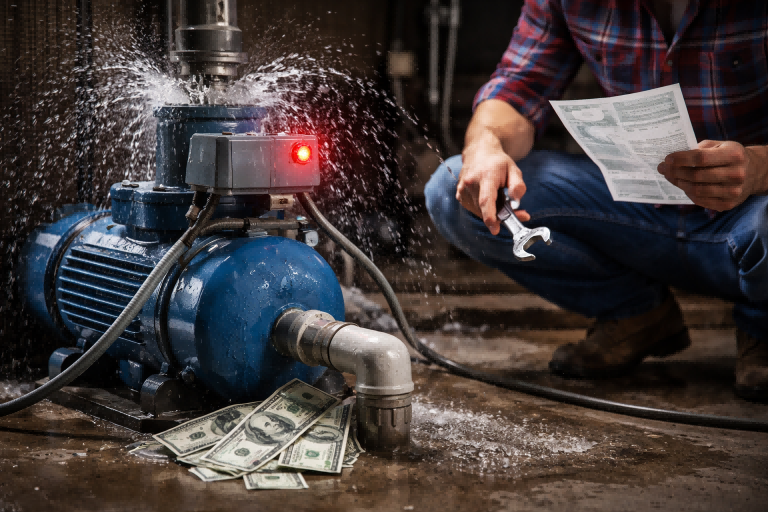
Choose a pump that suits your basement’s size. Big basements need pumps with higher power and flow rate. Small basements work well with smaller pumps. Too powerful a pump can cause short cycling. This wears out the motor and wastes energy. The right fit keeps your basement dry and saves money.
Credit: www.rafsun.com
Risks Of Using An Overpowered Sump Pump
Using a sump pump that is too powerful can cause several problems. It may seem like a good idea to have extra strength, but too much power can harm your pump and home. Understanding the risks helps you choose the right pump size and avoid costly issues.
Excessive Water Discharge
An overpowered sump pump can push out too much water too fast. This sudden discharge may flood areas outside your home. Water can pool near the foundation, causing damage or erosion. The fast flow may also harm nearby plants or landscaping.
Increased Energy Consumption
Stronger pumps use more electricity. Running a powerful pump wastes energy if it works more than needed. This leads to higher utility bills. Over time, the extra cost adds up without real benefits.
Frequent Cycling And Wear
An overpowered sump pump turns on and off often. This fast cycling wears out the pump parts quickly. Frequent starts strain the motor and switch. Pump failure can happen sooner than expected, causing inconvenience and repair costs.
Potential Basement Flooding
Too strong a pump may cause rapid water removal. This can lower the water level too fast, causing the pit to empty quickly. The pump then shuts off, but water may return before it restarts. This cycle can lead to basement flooding.
Signs Your Sump Pump Is Too Powerful
Knowing the signs that your sump pump is too powerful helps protect your basement. A pump that works too hard can cause problems instead of solving them. Watch for clear signals that show the pump might be overkill for your needs.
Recognizing these signs early can save money and prevent damage. It also helps keep your sump pump running smoothly for years.
Short Pump Cycles
The pump turns on and off quickly and often. This rapid cycling wears out the motor fast. It also means the pump pushes out water too quickly. The basin does not fill enough between cycles. Short cycles strain the pump and shorten its life.
Noise And Vibration Issues
A powerful pump may make loud noises. Vibration shakes the basement floor or walls. These sounds signal the pump is working harder than needed. Excess noise can annoy residents and signal mechanical problems.
Water Pooling Near Discharge
Water collects near the pump’s discharge pipe. Too much flow overwhelms the drainage area. Puddles or wet spots appear outside the foundation. This can cause water damage or soil erosion near your home.
High Electricity Bills
Electricity costs rise sharply without increased water. A too-powerful pump uses more energy than necessary. Running the motor often wastes electricity. Higher bills indicate the pump is not efficient for the job.
Credit: www.hybsun.com
Choosing The Right Sump Pump Power
Choosing the right sump pump power is important to protect your basement from flooding. A pump that is too weak may not remove water fast enough. A pump that is too powerful can cause damage or waste energy. Finding the right balance keeps your home safe and saves money.
Assessing Water Inflow Rates
Start by measuring how much water enters your sump pit during heavy rain. This helps determine how many gallons per minute your pump must handle. Check past flooding or drainage problems for clues. Accurate inflow data ensures you pick a pump with enough power but not too much.
Considering Basement Layout
Your basement size and shape affect pump needs. Larger basements may need stronger pumps to move water quickly. Look at the distance water must travel to exit the house. Long or uphill drainage lines require more pump force. Basement layout guides choosing the right pump power.
Consulting Manufacturer Guidelines
Read the sump pump manual for recommended power levels. Manufacturers test their pumps for specific conditions and sizes. Follow their advice to avoid using a pump too powerful or weak for your setup. Guidelines provide a safe starting point for selection.
Solutions For Overpowered Sump Pumps
Overpowered sump pumps can cause problems like frequent cycling and water overflow. Fixing these issues improves pump efficiency and protects your basement. Several simple solutions help control pump power and water flow effectively.
Installing A Pump Controller
A pump controller regulates the sump pump’s operation. It prevents the pump from turning on and off too often. This reduces wear and tear on the pump. Controllers also help maintain steady water levels in the sump pit. They are easy to install and cost-effective.
Adjusting Discharge Piping
Changing the discharge piping can slow water flow from the pump. Use smaller pipes or add flow restrictors. This reduces pressure and prevents water from rushing out too fast. Proper piping helps the pump handle water more smoothly. It also reduces noise and water splash.
Adding A Holding Basin
A holding basin stores extra water before the pump pushes it out. This prevents the pump from cycling too often. The basin acts as a buffer during heavy rain or floods. It helps the pump manage water at a steady pace. Installing a basin can save energy and extend pump life.
Replacing With A Suitable Pump
Sometimes the best solution is a smaller, less powerful pump. Choose a pump that matches your basement’s water needs. A suitable pump runs less frequently and lasts longer. It uses less electricity and keeps your sump system balanced. Consult a professional to find the right pump size.

Credit: www.reddit.com
Maintenance Tips To Optimize Pump Performance
Maintaining a sump pump is key to its good performance. Simple care steps can keep it running well. This lowers risks of damage and flooding. Follow these tips to get the best from your pump.
Regular Inspection
Check your sump pump often. Look for signs of wear or damage. Ensure it sits securely in its basin. Tighten any loose bolts or connections. Early fixes save costly repairs later.
Cleaning And Debris Removal
Clear away dirt and debris around the pump. Remove leaves, mud, and small stones. These can block the pump or reduce flow. Clean the pump screen to keep water moving freely. A clean pump works faster and lasts longer.
Testing Pump Operation
Test the pump regularly. Pour water into the sump pit to start it. Listen for unusual noises or slow pumping. Check that water drains quickly. Testing helps catch problems before flooding occurs.
Monitoring Power Usage
Watch the pump’s power use over time. High energy use may signal a problem. It could mean the pump is too powerful or working too hard. Tracking power helps you avoid high bills and damage. Use a simple meter to check consumption.
Frequently Asked Questions
Can A Sump Pump Be Too Powerful For A Basement?
Yes, a sump pump that is too powerful can cause frequent cycling and damage. It may also drain water too quickly, leading to pipe stress.
What Happens If A Sump Pump Is Oversized?
An oversized sump pump may run too often and wear out faster. It can also waste electricity and increase maintenance needs.
How To Choose The Right Sump Pump Power?
Match the sump pump power to your basement’s water volume and drainage needs. Consider pump capacity and the size of the pit.
Does A Powerful Sump Pump Cause Pipe Damage?
Yes, very strong pumps can strain drainage pipes and cause leaks or breaks. Proper sizing helps protect your plumbing system.
Can A Sump Pump Pump Water Too Fast?
A too-powerful sump pump can move water faster than pipes can handle. This may cause backflow or flooding in some cases.
Is A Stronger Sump Pump Always Better?
Not always. A stronger pump may waste energy and wear out quickly. The right strength depends on your specific water removal needs.
How To Prevent Sump Pump Damage From High Power?
Use a pump with correct horsepower for your setup. Regular maintenance and proper installation also prevent damage and extend pump life.
Conclusion
A sump pump that is too powerful can cause problems. It may wear out faster or use too much energy. Choosing the right size helps the pump work well and last longer. Proper installation matters just as much as power.
Keep your basement dry without overdoing it. A balanced sump pump protects your home and your wallet. Think smart, not just strong, when picking a pump. This way, you get the best results with less hassle.