
Have you ever noticed how cooking smells can sneak upstairs and linger long after you’ve finished eating? It’s frustrating when your whole home smells like last night’s dinner, especially if you want to keep bedrooms or other rooms fresh.
You don’t have to live with stubborn odors anymore. You’ll discover simple, effective ways to stop cooking smells from traveling upstairs. By the end, you’ll feel confident that your home stays fresh and inviting, no matter what’s cooking in your kitchen.
Keep reading to find out how easy it can be to keep those smells exactly where they belong.
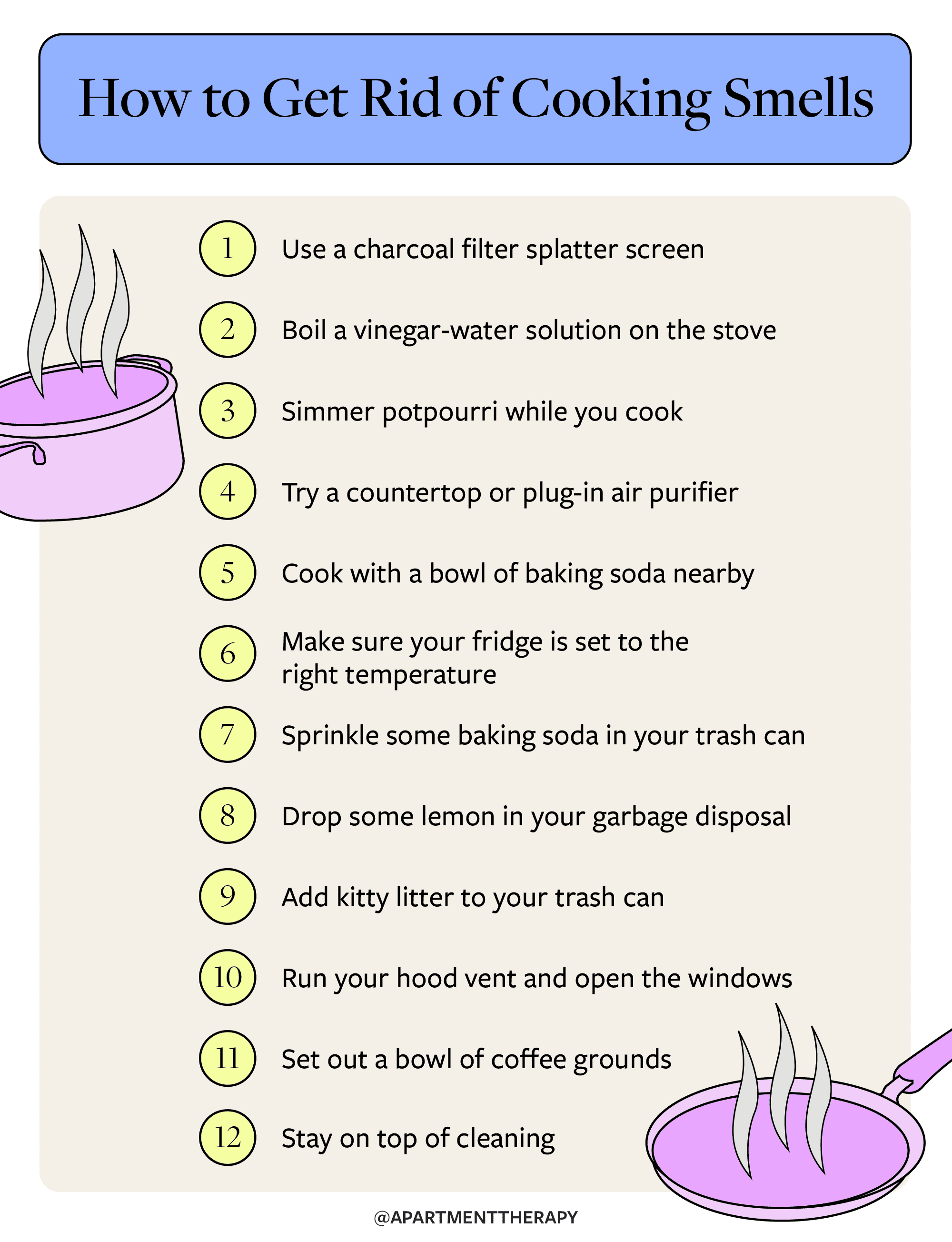
Credit: www.apartmenttherapy.com
Sources Of Cooking Smells
Cooking smells come from many sources in the kitchen. These odors can be strong and spread quickly. Knowing the sources helps control and reduce unwanted smells. This section explains where cooking smells come from and how they move to other parts of the house.
Common Odor Culprits
Frying food often creates strong smells. The oil heats and releases odor particles into the air. Spices and herbs also add strong scents that linger. Fish and seafood produce some of the strongest odors. Baking bread or roasting meat causes smells that can fill the house. Boiling vegetables or soups releases steam with a strong scent. Even burnt food can create a stubborn smell. Each cooking method has its own unique smell source.
How Smells Travel Upwards
Warm air rises naturally. Cooking heat pushes smell particles upward. These particles move through vents and stairwells. Open doors and windows let smells flow into other rooms. Poor ventilation traps smells inside, making them stronger upstairs. Air currents carry odors to bedrooms and living spaces above. Smells stick to fabrics, walls, and ceilings as they travel. Understanding this helps stop smells before they spread upstairs.

Credit: masteringkitchens.com
Ventilation Techniques
Ventilation plays a key role in stopping cooking smells from moving upstairs. It helps clear the air quickly and keeps odors where they belong. Using the right methods makes a big difference in freshening your home. Let’s explore three effective ventilation techniques.
Using Range Hoods Effectively
Range hoods pull smoke and smells out of the kitchen fast. Turn your hood on before you start cooking. Keep it running until the smell is gone. Clean the filters often for better airflow. A strong, well-maintained hood traps odors before they spread.
Opening Windows Strategically
Open windows near the kitchen to let fresh air in. Create a path for the air to flow through your home. Open a window upstairs too, to push cooking smells outside. Avoid opening windows that bring in outdoor smells. Timing matters—open windows only during and shortly after cooking.
Portable Fans And Air Circulation
Place portable fans near the kitchen doorway to move air away from stairs. Point fans toward open windows or doors to push smells out. Use ceiling fans to keep air moving in all rooms. Moving air helps stop odors from rising upstairs. Fans work best with windows or range hoods open.
Sealing Off Odor Paths
Sealing off odor paths stops cooking smells from moving upstairs. It keeps your home smelling fresh and clean. Smells travel through open doors, windows, and small gaps. Blocking these paths helps control unwanted odors.
Closing Doors And Windows
Close kitchen doors when cooking. This limits smell from moving to other rooms. Keep windows closed to stop air carrying smells upward. A tight seal between the door and frame works best.
Using Draft Stoppers
Place draft stoppers at the bottom of doors. They block gaps that let smells pass through. Use foam or fabric stoppers for a simple fix. These keep cooking odors from sneaking into hallways and stairs.
Blocking Gaps And Vents
Check for gaps around vents and walls. Use weather stripping or foam tape to seal these spaces. Cover unused vents to stop airflow carrying smells. Sealing gaps makes a big difference in odor control.

Credit: www.reddit.com
Odor Absorbing Solutions
Cooking smells can travel upstairs quickly. These odors can stick to fabrics and walls, making your home less fresh. Odor absorbing solutions help reduce these smells before they spread. They work by trapping or neutralizing the particles that cause odors. Using natural and safe options keeps your indoor air clean without harsh chemicals.
Natural Absorbers Like Baking Soda
Baking soda is a simple and effective odor absorber. Place open containers in the kitchen and near stairways. It soaks up moisture and neutralizes strong smells. Sprinkle some on carpets or rugs to remove lingering cooking odors. Baking soda is inexpensive and safe for all homes.
Activated Charcoal And Air Purifiers
Activated charcoal traps odor molecules in its porous surface. Use charcoal bags or filters near the cooking area. Air purifiers with carbon filters can clean the air efficiently. They pull in cooking smells and remove them from the room. This method works well for ongoing odor control.
Simmering Spices And Vinegar
Simmering spices like cinnamon or cloves on the stove can mask cooking odors. The warm scent fills the air and reduces unwanted smells. Vinegar is another natural deodorizer. Boil vinegar and water together to neutralize strong odors. Both methods are easy and use common kitchen ingredients.
Cleaning Tips To Reduce Smells
Cleaning is key to stopping cooking smells from moving upstairs. Strong odors come from food spills, grease, and dirty appliances. Keeping your kitchen clean cuts down on these smells quickly. Simple daily habits make a big difference. Use these tips to keep your kitchen fresh and smell-free.
Immediate Cleanup Of Spills
Spills create strong odors fast. Wipe up any food or liquid right away. Use a damp cloth or paper towel. Cleaning spills stops smells from settling into surfaces. This is the first step to a fresher kitchen.
Washing Dishes And Surfaces
Dirty dishes hold strong food smells. Wash dishes soon after cooking. Use hot water and soap. Clean countertops, stove tops, and tables too. Wipe surfaces with a mild cleaner daily. This removes grease and food bits that cause odors.
Maintaining Kitchen Appliances
Appliances like ovens and microwaves trap smells inside. Clean them regularly with special cleaners or vinegar water. Empty and clean the toaster crumbs tray. Check the fridge and take out expired food. Well-maintained appliances keep odors from spreading.
Preventive Cooking Habits
Preventive cooking habits help keep strong smells from spreading upstairs. Simple actions in the kitchen reduce odors and improve air quality. These habits make your home more comfortable and fresh.
Using Lids And Covers
Always use lids on pots and pans while cooking. Lids trap steam and smells inside. They also help food cook faster and keep your kitchen cleaner. Covering dishes prevents smells from escaping and moving upstairs.
Cooking Methods That Minimize Odors
Choose cooking methods that create fewer smells. Baking, boiling, or steaming produce less odor than frying or grilling. These methods keep strong smells in the kitchen and reduce air pollution in your home.
Quick Disposal Of Food Waste
Throw away food scraps immediately. Dispose of peelings, bones, and leftovers before they start to smell. Use a sealed trash can or compost bin to keep odors contained. This stops bad smells from rising to other rooms.
Tech Gadgets To Control Smells
Cooking smells can spread quickly through your home. Tech gadgets help stop these odors from reaching upstairs rooms. These devices clean the air and control ventilation. They make your living space fresher and more comfortable.
Air Purifiers With Odor Control
Air purifiers remove smoke, grease, and strong smells from the kitchen air. Models with activated carbon filters trap odor molecules. They work silently and run all day. These purifiers improve air quality and reduce lingering cooking smells.
Smart Ventilation Systems
Smart ventilation systems adjust airflow automatically. They sense smoke and odors and turn on fans as needed. These systems push cooking smells outside quickly. Many models connect to smartphones for easy control. They keep upstairs rooms fresh and odor-free.
Scent Diffusers And Neutralizers
Scent diffusers add pleasant fragrances to mask cooking smells. Neutralizers work by breaking down odor particles. Both devices keep your home smelling clean. They are small and easy to place near the kitchen or stairways.
Frequently Asked Questions
How Can I Prevent Cooking Smells From Reaching Upstairs Rooms?
Use kitchen exhaust fans and open windows while cooking. Close doors leading upstairs to block smells. Air purifiers also help reduce odors quickly.
What Kitchen Ventilation Methods Reduce Cooking Odors Effectively?
Range hoods venting outside are best to remove smoke and smells. Use exhaust fans during and after cooking. Avoid recirculating hoods that just filter air.
Does Sealing Doors Help Stop Food Smells From Spreading Upstairs?
Yes, closing and sealing doors blocks odor movement. Use door sweeps or weatherstripping for better sealing. This keeps smells contained in the kitchen.
Can Air Purifiers Really Remove Cooking Smells From My Home?
Yes, air purifiers with activated carbon filters trap odor particles. They improve air quality fast when placed near the kitchen. Use them alongside ventilation for best results.
Are Natural Remedies Effective Against Strong Cooking Smells?
Certain natural items like vinegar, baking soda, or coffee grounds absorb odors. Place bowls of them near cooking areas to reduce smells. They work best for mild to moderate odors.
How Long Do Cooking Odors Typically Linger Upstairs?
Odors can last from a few hours to a whole day. The duration depends on ventilation and the type of food cooked. Good airflow helps clear smells faster.
What Simple Habits Stop Cooking Smells From Spreading Upstairs?
Clean pots and pans promptly to avoid lingering smells. Use lids while cooking and ventilate well. Keeping kitchen doors closed also helps contain odors.
Conclusion
Cooking smells can spread quickly upstairs, but you can control them. Use fans and open windows to move air outside. Close doors and seal gaps to keep smells contained. Clean cooking areas right after use to reduce odors. Try natural air fresheners like vinegar or baking soda.
Small steps make a big difference in keeping your home fresh. Keep your kitchen and upstairs smelling clean and inviting every day.