
When water starts to collect where it shouldn’t, you need a reliable solution fast. But how do you choose between a sump pump and an ejector pump?
Both play a role in keeping your home dry, yet they work in different ways. Understanding these differences can save you time, money, and a lot of headaches. Keep reading to discover which pump fits your needs best and how to protect your home from unwanted water damage.
Your home’s safety depends on making the right choice.
Sump Pump Basics
A sump pump is a device used to remove water from a specific area. It helps keep basements and crawl spaces dry. Water can come from rain, melting snow, or leaks.
Sump pumps are important for preventing water damage and mold growth. They work quietly and often run automatically. Understanding how they work helps you choose the right pump for your home.
How Sump Pumps Work
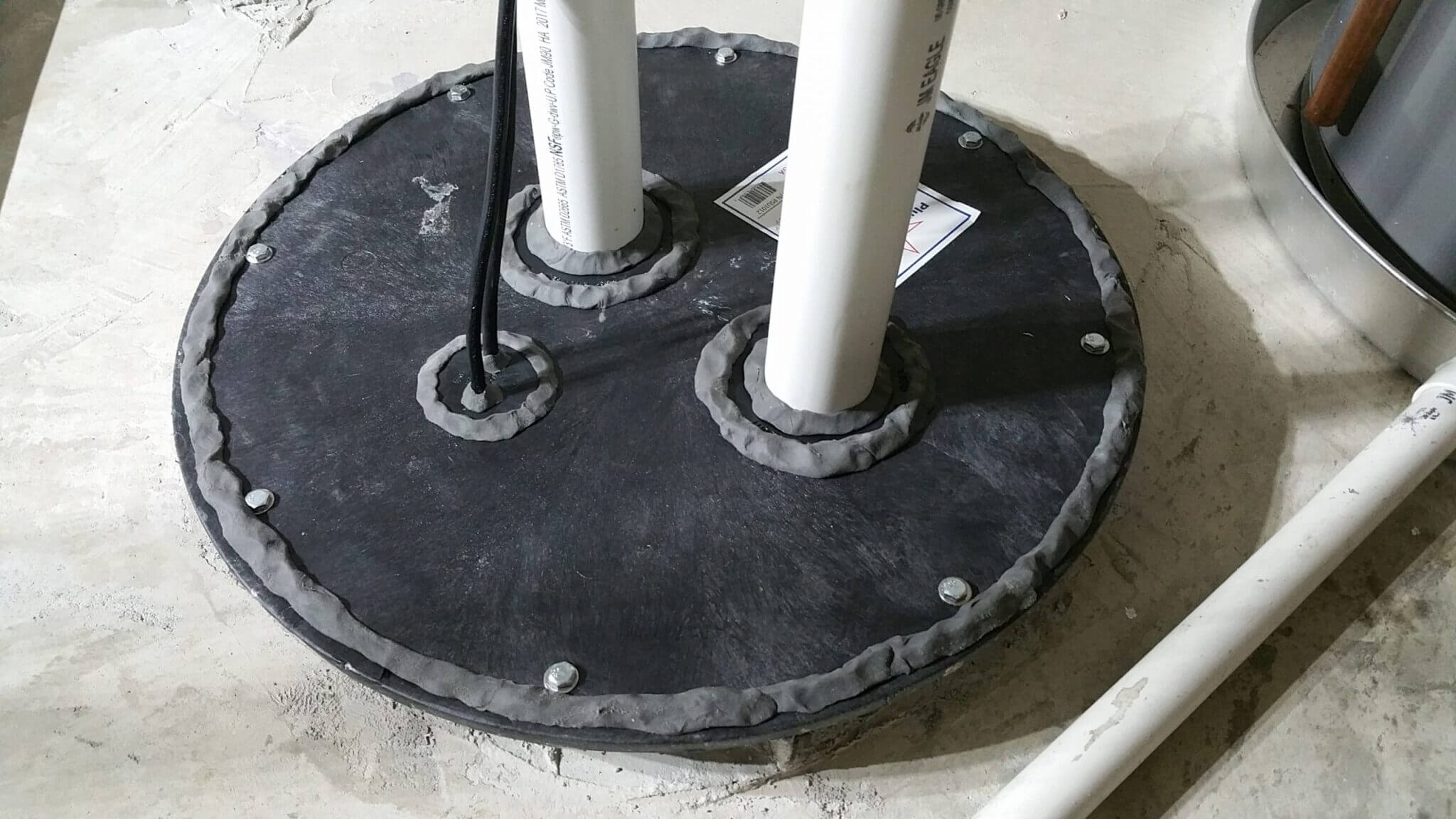
A sump pump sits in a pit called a sump basin. Water collects in the basin from around the home. When water reaches a certain level, the pump turns on.
The pump pushes water out through a pipe, away from the house. This stops water from flooding the basement. Most sump pumps use electricity and have a backup battery.
Common Uses For Sump Pumps
Sump pumps are mostly used in basements and crawl spaces. They protect homes in areas with high water tables or heavy rain. Builders also use them in new construction to prevent water issues.
They help protect foundations and prevent mold. Sump pumps are useful for any place prone to flooding or water buildup.
Ejector Pump Basics
Ejector pumps are essential for removing wastewater from places where gravity cannot do the job. These pumps help keep basements, bathrooms, and laundry rooms dry. Understanding how ejector pumps work helps in choosing the right pump for your needs.
How Ejector Pumps Work
Ejector pumps use a motor to push wastewater out through a pipe. They can lift water higher than normal pumps because they force it under pressure. The pump sits in a basin that collects wastewater from sinks, toilets, or showers. When the water level rises, the pump turns on automatically. It moves the water out through a discharge pipe to the main sewer line or septic system.
Typical Applications For Ejector Pumps
Ejector pumps are common in homes with basement bathrooms. These bathrooms are below the level of the main sewer line. The pump moves wastewater up to the sewer line. They also work well in laundry rooms or utility sinks located below ground level. Ejector pumps handle sewage and grey water safely and efficiently. They protect your home from flooding and backups.
Key Differences
The key differences between sump pumps and ejector pumps lie in how they work, where they are placed, and the type of water they manage. Understanding these differences helps you choose the right pump for your needs. Each pump serves a unique purpose in water removal and drainage.
Design And Mechanism
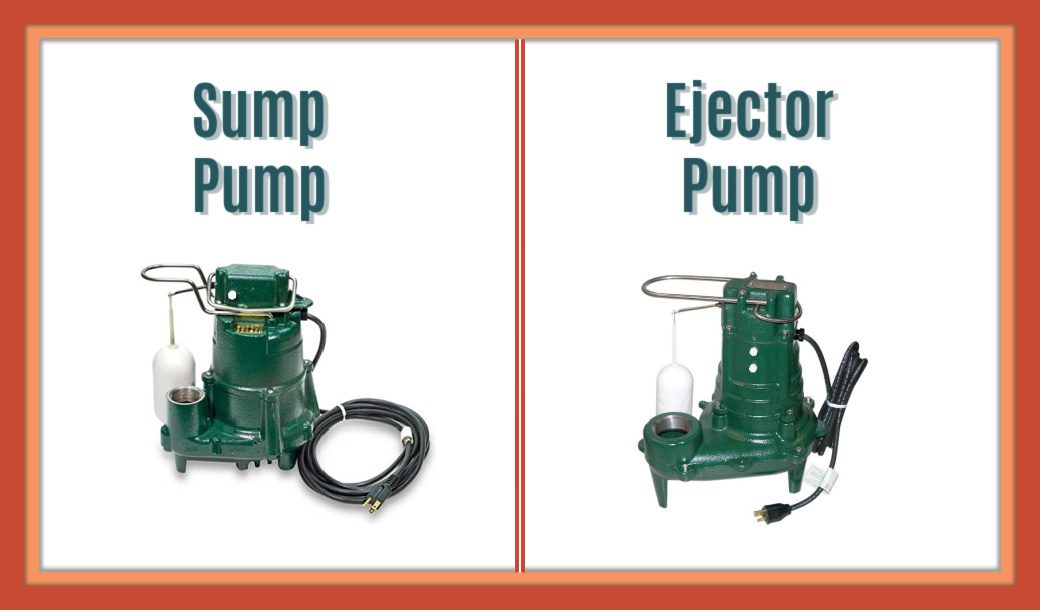
A sump pump is designed to remove clear water. It uses a simple motor and impeller to push water out of basements or crawl spaces. The pump activates when water rises to a set level.
An ejector pump handles both wastewater and solids. It has a stronger motor and a grinder or impeller to break down waste. It pumps sewage or greywater from lower levels to higher sewer lines.
Installation Locations
Sump pumps are installed in sump pits. These pits collect groundwater or rainwater near the foundation. They prevent flooding by removing excess water from basements.
Ejector pumps go in sewage pits or basement bathrooms. They pump wastewater from toilets, showers, or washing machines to the main sewer line. They work in places below the sewer level.
Water Types Handled
Sump pumps handle clean or slightly dirty water. They are not built to process solid waste or chemicals. Their job is to keep basements dry from rain or groundwater.
Ejector pumps manage wastewater containing solids and waste. They handle sewage and greywater safely. Their design stops clogs and protects plumbing systems.

Credit: eppconcrete.com
Choosing The Right Pump
Choosing the right pump for your basement is very important. The right pump protects your home from water damage. It also helps keep your basement dry and safe. Different pumps work best for different needs. Knowing which one fits your situation saves time and money.
This guide helps you decide between a sump pump and an ejector pump. It breaks down key points to consider. Read on to find the best option for your home.
Assessing Your Basement Needs
Look at your basement’s layout and use. Is it just a storage area or a living space? Check where water collects. A sump pump is good for areas with rainwater or groundwater. An ejector pump works well if you have a basement bathroom or laundry.
Think about where the water comes from. This helps pick the right pump type.
Evaluating Water Volume And Type
Estimate how much water your basement handles. Sump pumps handle clear water better. Ejector pumps can move waste water and solids. Heavy or dirty water needs a stronger pump. This prevents clogging and pump failure.
Choose a pump that matches the water flow and type you expect.
Considering Maintenance And Durability
Some pumps need more care than others. Sump pumps usually require less maintenance. Ejector pumps have more parts and need regular checks. Look at the pump’s build quality. Durable materials last longer and work better.
Pick a pump that fits your ability to maintain it and lasts through tough conditions.
Cost And Energy Use
Understanding the cost and energy use of sump pumps and ejector pumps helps make smart choices. Both pumps protect your home from water damage but differ in price and power use. Knowing these differences saves money over time.
Initial Investment
Sump pumps usually cost less to buy and install. They are simpler machines designed to remove groundwater. Ejector pumps cost more because they handle stronger waste and water mixtures. Installation for ejector pumps can be more complex and expensive.
Operating Costs
Sump pumps use less energy during normal operation. They run only when water rises, so electricity use stays low. Ejector pumps may run more often and need more power. This can increase your electric bill over time.
Energy Efficiency
Sump pumps are generally more energy-efficient. They pump clean water, which is easier on the motor. Ejector pumps handle thick waste and water, which requires more energy. Choosing a pump with a good energy rating can reduce power costs.
Credit: rocketplumbingnow.com
Common Issues And Troubleshooting
Sump pumps and ejector pumps are vital for managing water in homes. Both can face issues that affect their work. Knowing common problems helps fix them fast. Troubleshooting keeps pumps running well and protects your home.
Pump Failures And Causes
Pump failure happens often from power loss or motor problems. A stuck float switch can stop the pump from turning on. Clogged pipes or debris block water flow and cause damage. Worn-out parts like seals or bearings lead to leaks or noise. Overuse during heavy rain wears pumps down quickly. Lack of proper installation causes early breakdowns. Regular checks help spot these issues early.
Preventive Maintenance Tips
Test pumps monthly to ensure they turn on and off correctly. Clear debris from pits and pipes to avoid clogs. Inspect the float switch and clean it if dirty. Replace worn parts before they fail completely. Keep the pump and area dry to stop rust and corrosion. Check power connections and backup batteries regularly. A little care extends pump life and prevents costly repairs.
Upgrades And Alternatives
Upgrading your sump pump or ejector pump can improve performance and safety. Choosing the right upgrade or alternative helps protect your home from water damage. Some options offer backup power or combine features for better efficiency. These solutions meet different needs and budgets.
Battery Backup Systems
Battery backup systems keep pumps running during power outages. These systems activate automatically when electricity fails. They provide peace of mind during storms or floods. Battery backups prevent basement flooding when main pumps lose power. Installation is straightforward and fits most sump or ejector pumps.
Combination Pump Solutions
Combination pump solutions merge sump and ejector pump features. They handle both groundwater and sewage efficiently. These pumps save space and reduce installation costs. They switch between modes depending on the water type. Combination pumps offer a practical alternative for homes with complex drainage needs.
Credit: plumbingdept.com
Frequently Asked Questions
What Is The Main Difference Between Sump Pump And Ejector Pump?
A sump pump removes water from a basement or crawlspace. An ejector pump moves sewage or wastewater from a lower level to a sewer line. They serve different purposes in home plumbing.
Where Are Sump Pumps Usually Installed In A House?
Sump pumps are installed in a sump pit inside basements or crawlspaces. They prevent flooding by pumping out excess groundwater. This keeps the area dry and protects the foundation.
Can Ejector Pumps Handle Solid Waste Materials?
Yes, ejector pumps are designed to handle solid waste and sewage. They move waste from lower levels to the main sewer system. Sump pumps cannot handle solids.
How Do Sump Pumps Prevent Basement Flooding?
Sump pumps activate when water fills the sump pit. They pump water out and away from the house foundation. This stops water from flooding the basement.
Do Ejector Pumps Require Regular Maintenance?
Ejector pumps need regular checks to avoid clogs and failures. Cleaning the pit and inspecting the pump helps it work well. Maintenance ensures safe sewage removal.
Can I Use A Sump Pump For Sewage Removal?
No, sump pumps are not made for sewage or waste. Using them for sewage can damage the pump and cause problems. Ejector pumps are the correct choice for sewage.
What Power Source Do Sump And Ejector Pumps Use?
Both sump and ejector pumps usually run on electricity. Some models have battery backups for power outages. This keeps them working during storms or emergencies.
Conclusion
Choosing between a sump pump and an ejector pump depends on your needs. Sump pumps clear water from basements and low areas. Ejector pumps handle waste and sewage from toilets and sinks. Each pump works best in specific places. Understanding their differences helps you pick the right one.
Proper pump choice protects your home from water damage. Keep your space dry and safe with the right pump. Simple steps can save you from costly repairs later.