
When it comes to protecting your plumbing system, understanding the difference between an anti siphon valve and a vacuum breaker is crucial. You might think they do the same job, but choosing the right one can save you from costly repairs and health risks.
You’ll discover how each device works, why it matters for your home or business, and which option is best for your needs. Keep reading to make sure your water stays safe and your system runs smoothly.

Credit: www.youtube.com
What Is An Anti Siphon Valve
An anti siphon valve is a small device used in water systems. It stops dirty water from flowing back into clean water supplies. This valve helps keep water safe and clean.
These valves are important in homes, gardens, and irrigation systems. They prevent contamination and protect public health.
Purpose And Function
The main purpose of an anti siphon valve is to prevent backflow. Backflow happens when water flows the wrong way. This can bring harmful substances into clean water. The valve blocks this by allowing water to flow only one way.
Common Applications
Anti siphon valves are often used in outdoor faucets and garden irrigation. They prevent water from garden chemicals or dirt from entering the house water. Some use them in sprinkler systems and drip irrigation setups.
How It Works
The valve has a built-in air gap. This gap breaks the vacuum that can cause backflow. When water flows forward, the valve opens. If water tries to flow backward, the valve closes. The air gap stops any siphoning effect, keeping water safe.
What Is A Vacuum Breaker
A vacuum breaker is a simple device used in plumbing systems. It stops water from flowing backward into clean water supplies. This helps keep drinking water safe and prevents contamination.
Vacuum breakers are important for maintaining water quality. They are easy to install and work without electricity or complex parts.
Purpose And Function
The main purpose of a vacuum breaker is to prevent backflow. Backflow happens when water flows in the wrong direction. This can pull dirty water into clean water pipes.
A vacuum breaker allows air to enter the pipe. This breaks any vacuum or suction that could cause backflow. It keeps water moving only in the intended direction.
Common Applications
Vacuum breakers are used in many places. Garden hoses often have vacuum breakers to stop dirty water from entering the home supply. They are common in irrigation systems and outdoor faucets.
They also protect water supplies in commercial buildings and factories. Anywhere water might flow backward, vacuum breakers help keep it safe.
How It Works
A vacuum breaker has a simple valve and air vent. When water pressure is normal, the valve stays closed. It blocks air from entering the system.
If water pressure drops, the valve opens. Air enters the pipe and breaks the vacuum. This stops water from being sucked backward into the clean supply.
Design Differences
Understanding the design differences between an anti siphon valve and a vacuum breaker is essential. Both devices stop backflow but work in different ways. Their designs affect how and where they are used. Knowing their key features helps in choosing the right one for your needs.
Structural Components
An anti siphon valve has a built-in check valve and air vent. This design stops water from flowing backward. It also lets air in to break the siphon effect. A vacuum breaker is simpler. It mainly has a valve that opens to let air in when pressure drops. It does not have a check valve like the anti siphon valve.
Material Variations
Anti siphon valves often use durable plastic or brass. These materials resist corrosion and wear. Vacuum breakers are usually made of brass or stainless steel. Their material choice depends on water quality and pressure. Both need strong materials to last in outdoor or harsh conditions.
Installation Requirements
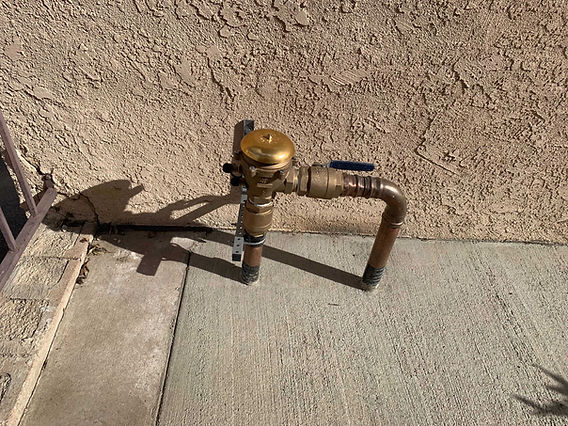
Anti siphon valves must be installed above the highest water point. This placement ensures proper air intake and prevents backflow. Vacuum breakers also need a high placement but are easier to install. They attach directly to pipes or faucets without extra fittings. Installation location is key for both devices to work correctly.
Credit: www.atlasbackflow.com
Performance Comparison
Comparing the performance of anti siphon valves and vacuum breakers helps in choosing the right device. Each device prevents backflow but works differently. Understanding their strengths in key areas guides better decisions for plumbing and irrigation systems.
Effectiveness In Preventing Backflow
Anti siphon valves actively stop water from flowing backward. They work by creating a break in the water path. This action helps keep water clean and safe.
Vacuum breakers prevent backflow by allowing air into the system. This stops a vacuum from forming and pulling water back. They are simple but effective for many uses.
Anti siphon valves offer stronger protection in complex systems. Vacuum breakers suit basic setups well.
Durability And Maintenance
Anti siphon valves have moving parts that may wear out over time. They need regular checks to ensure proper function. Cleaning and occasional repairs keep them reliable.
Vacuum breakers have fewer parts and last longer with less care. They require minimal maintenance and are easy to replace.
Choosing depends on how often you can maintain the device and system needs.
Pressure And Flow Considerations
Anti siphon valves can handle higher pressure without losing effectiveness. They may cause slight flow restrictions due to their design.
Vacuum breakers work best at lower pressures. They allow smooth water flow but might fail under high pressure.
System pressure and flow rates guide the choice between these devices.
Typical Use Cases
Anti siphon valves and vacuum breakers stop water from flowing backward. This stops contamination and keeps water safe. Each device works best in certain places. Knowing where to use each helps protect water quality.
Residential Settings
Anti siphon valves often appear in homes. They stop dirty water from flowing back into clean pipes. They attach to outdoor faucets and garden hoses. This keeps water safe for drinking and bathing. Vacuum breakers also work well on toilets and faucets. They prevent water from flowing back during pressure changes.
Commercial And Industrial Use
Commercial buildings need strong backflow protection. Anti siphon valves protect large water lines in factories and offices. They handle high water pressure and frequent use. Vacuum breakers stop contamination in heating and cooling systems. Both devices ensure water stays clean in busy places.
Irrigation Systems
Irrigation systems need backflow prevention to protect soil and plants. Anti siphon valves stop fertilizers and chemicals from flowing back. They work well in gardens and farms. Vacuum breakers prevent water from moving backward in sprinkler pipes. They keep irrigation water pure and safe for crops.
Cost And Availability
Cost and availability play a big role in choosing between an anti siphon valve and a vacuum breaker. Both devices protect water systems but come with different price tags and market presence. Understanding these factors helps in making a smart purchase.
Price Differences
Anti siphon valves usually cost more than vacuum breakers. They have more complex parts that increase the price. Vacuum breakers are simpler and cheaper. The initial price might be low, but quality can vary.
Market Availability
Vacuum breakers are widely available at hardware stores and online. Anti siphon valves may be less common and found mostly in specialty shops. Availability depends on the region and supplier networks.
Long-term Value
Anti siphon valves often last longer and offer better protection. This can save money on repairs and water damage later. Vacuum breakers may need replacing more often. Consider the cost over time, not just the price tag.
Choosing The Right Device
Choosing the right device to prevent water contamination is important. Both anti-siphon valves and vacuum breakers stop backflow. Each device has a specific function and best use. Knowing which to pick helps keep water safe and equipment working well.
Factors To Consider
Consider the type of system you have. Anti-siphon valves work well for irrigation systems. Vacuum breakers are good for outdoor faucets and simple setups. Think about water pressure and flow rate. Check if the device fits your plumbing size. Maintenance needs and durability matter too. Choose a device that suits your environment and use.
Regulatory Requirements
Local codes often require specific backflow prevention devices. Some areas allow only vacuum breakers. Others mandate anti-siphon valves for irrigation. Check your city or state rules before buying. Using the correct device avoids fines and health risks. Follow guidelines to ensure safe water practices.
Expert Recommendations
Plumbers suggest anti-siphon valves for systems with sprinklers. They prevent water from flowing backward effectively. Vacuum breakers are simpler and cheaper for hose bibs. Experts advise regular inspections to catch problems early. Ask a professional if unsure about your setup. Proper installation is key to device success.
:max_bytes(150000):strip_icc()/Pressure-Vacuum-Breaker-58f127fa3df78cd3fc3c18e5.jpg)
Credit: www.thespruce.com
Frequently Asked Questions
What Is The Main Function Of An Anti Siphon Valve?
An anti siphon valve stops water from flowing backward into the water supply. It protects against contamination and keeps water safe to drink. It is often used in irrigation systems.
How Does A Vacuum Breaker Prevent Backflow?
A vacuum breaker stops air from being sucked back into the water system. This prevents dirty water from flowing backward and contaminating clean water. It works by opening a vent when pressure drops.
Where Are Anti Siphon Valves Commonly Used?
Anti siphon valves are mostly used in garden irrigation and sprinkler systems. They prevent water from flowing backward into the main water supply. This helps maintain clean and safe water.
Can Vacuum Breakers Be Used Indoors And Outdoors?
Yes, vacuum breakers can be used both indoors and outdoors. They are found in plumbing systems, such as faucets and irrigation lines. Their main job is to stop backflow and contamination.
What Is The Key Difference Between Anti Siphon Valves And Vacuum Breakers?
Anti siphon valves prevent backflow by stopping siphoning action. Vacuum breakers allow air in to break the vacuum and stop backflow. Both protect water but work in different ways.
Why Are Anti Siphon Valves Important For Irrigation Systems?
They keep dirty water from flowing back into the clean water supply. This protects drinking water from harmful contaminants. Many local codes require anti siphon valves for irrigation.
Do Vacuum Breakers Require Maintenance Or Replacement?
Vacuum breakers need regular checks to ensure they work properly. Over time, parts can wear out and may need replacement. Proper maintenance ensures they continue to protect water safety.
Conclusion
Choosing between an anti siphon valve and a vacuum breaker depends on your needs. Both protect water systems from contamination. Anti siphon valves stop water from flowing backward. Vacuum breakers prevent air from entering pipes. Each has its place in plumbing and irrigation.
Knowing their differences helps you pick the right one. Proper use keeps water safe and clean. Simple tools, big impact. Choose wisely for your system’s health.