
Choosing the right blinds for your home can feel overwhelming, especially when deciding between 1 inch and 2 inch blinds. You want something that looks great, fits your style, and works well for your space.
But which size is best for you? Understanding the key differences can help you make a confident choice that enhances your room’s comfort and appearance. Keep reading to discover how 1 inch and 2 inch blinds compare, so you can find the perfect fit for your windows and your lifestyle.
Size Differences
Choosing between 1 inch and 2 inch blinds depends a lot on their size differences. These sizes affect how the blinds look and work in your space. Each size offers unique benefits for light control and room design. Understanding these differences helps you pick the right blinds for your needs.
Blade Width Comparison
1 inch blinds have narrower blades. They create a delicate and detailed look on windows. 2 inch blinds feature wider blades. These provide a bolder and more solid appearance. Narrow blades suit smaller windows better. Wider blades work well on bigger windows or large spaces.
Impact On Light Control
Narrow blades offer more precise light control. They let you adjust light in smaller amounts. Wide blades block light more easily when closed. They also let more light in when open. Wide blades can create cleaner lines of light in the room.
Visual Effects On Room
1 inch blinds add fine texture to the window area. They can make a room feel cozy and detailed. 2 inch blinds give a modern and spacious feel. They create wider stripes of shadow and light. Wide blinds can make a room look larger and less busy.
Material Options
Choosing the right material for blinds is important for style and function. Different materials fit different needs. They affect how blinds look, last, and how easy they are to clean. Both 1 inch and 2 inch blinds come in a variety of materials. Each type offers unique benefits.
Common Materials For 1 Inch Blinds
1 inch blinds often use lightweight materials. Aluminum is popular because it is thin and strong. These blinds are easy to open and close. Vinyl is another choice. It resists moisture and is easy to clean. Wood is less common but adds a warm look. Faux wood blends style with moisture resistance. These materials suit smaller slats well.
Popular Materials For 2 Inch Blinds
2 inch blinds usually have wider slats. Real wood is popular for its classic, rich look. It works well in living rooms or offices. Faux wood is common too. It looks like wood but handles humidity better. Aluminum blinds are available in 2 inch size as well. They are good for modern, sleek designs. These materials offer more variety in texture and finish.
Durability And Maintenance
Aluminum blinds resist rust and are very durable. They need only a quick wipe to stay clean. Vinyl blinds handle moisture well and resist stains. Wood blinds require more care. They can warp or crack in humid areas. Faux wood is easier to maintain than real wood. Regular dusting helps all blinds last longer. Choosing the right material affects how much care blinds need.
Style And Aesthetic
Choosing between 1 inch and 2 inch blinds affects the room’s style and look. Both sizes bring unique visual effects. The right blinds can change a room’s mood and feel. Understanding the style and aesthetic differences helps pick the best option.
Modern Vs Classic Looks
1 inch blinds give a sleek, modern look. Their thin slats create clean lines. They fit well in minimalist or contemporary rooms. 2 inch blinds offer a classic, traditional feel. Their wider slats add depth and texture. They suit cozy, warm spaces with rich decor.
Color And Finish Choices
1 inch blinds come in many bright and neutral colors. They often feature smooth, matte finishes. This helps create a fresh and light atmosphere. 2 inch blinds usually have wood grain or textured finishes. They work well with natural or rustic themes. Both sizes offer options to match any color scheme.
Matching With Interior Design
Small 1 inch blinds blend easily with simple, modern furniture. They do not overpower the room’s decor. Larger 2 inch blinds stand out more and become a feature. They match well with traditional or vintage furniture. Choosing blinds that fit your interior style boosts room harmony.
Installation And Fit
Installing blinds properly ensures they look good and work well. The fit affects how much light enters and how the blinds operate. Choosing between 1 inch and 2 inch blinds changes the installation process. Each size suits different window types and mounting styles. Accurate measuring is key to a perfect fit.
Suitable Window Types
1 inch blinds fit smaller or narrow windows best. They suit tight spaces where slim slats look neat. 2 inch blinds work well on larger windows or doors. They cover more area and create a bold look. Consider window shape and size before choosing blind width.
Mounting Techniques
Both 1 inch and 2 inch blinds install inside or outside the window frame. Inside mounts give a clean, built-in look. Outside mounts cover more wall and block light better. 2 inch blinds need stronger brackets due to heavier slats. 1 inch blinds are lighter and easier to handle.
Measuring Tips
Measure width and height inside the frame for inside mounts. Take three measurements and use the smallest number. For outside mounts, measure the area to cover plus extra for overlap. Double-check measurements before ordering blinds. Correct size prevents gaps and ensures smooth operation.
Light And Privacy Control
Choosing between 1 inch and 2 inch blinds affects how much light enters a room and the level of privacy you get. Both sizes offer unique ways to control sunlight and visibility. Understanding these differences helps you pick blinds that fit your needs.
Adjusting Light With Different Sizes
1 inch blinds have narrow slats. They let in less light when tilted open slightly. This means you can control sunlight in small amounts. 2 inch blinds have wider slats. They allow more light to enter quickly when open. You can brighten a room faster with 2 inch blinds.
Privacy Levels
Small slats on 1 inch blinds create tighter coverage. This stops people from seeing inside easily. It is great for rooms needing more privacy. Larger 2 inch slats have bigger gaps when open. This means less privacy if you tilt them too far. But when closed, both sizes block views well.
Energy Efficiency
Blinds help keep rooms cool or warm by blocking sunlight. 1 inch blinds fit closely together. They reduce airflow and heat loss better. 2 inch blinds allow more air between slats. This can make rooms warmer or cooler less efficiently. For better energy savings, 1 inch blinds often work best.

Credit: sunshinedrapery.com
Cost Considerations
Choosing between 1 inch and 2 inch blinds affects your budget. Understanding cost differences helps you pick the best option. Cost depends on material, size, and style.
Price Differences
1 inch blinds usually cost less than 2 inch blinds. Smaller slats need less material, lowering the price. 2 inch blinds use more material, making them pricier. Labor costs may be higher for wider blinds. Prices vary by brand and quality.
Long-term Value
2 inch blinds last longer and resist damage better. They often need less repair or replacement over time. 1 inch blinds might wear out faster in busy rooms. Investing in 2 inch blinds can save money later. Consider durability to get the best value.
Budget-friendly Options
Choose 1 inch blinds for tight budgets or small windows. They still offer good light control and privacy. Look for sales or basic models to save more. Custom sizes or premium materials raise prices. Balance cost with your needs and style.
Cleaning And Maintenance
Keeping your blinds clean and well-maintained helps them last longer and look good. Both 1 inch and 2 inch blinds need regular care. This section covers how easy they are to clean, their durability, and tips to keep them in top shape.
Ease Of Cleaning
1 inch blinds have thinner slats, making dusting quick but more frequent. They can trap more dust in small spaces. 2 inch blinds have wider slats, so dust settles less often. They need less cleaning but can be harder to reach between slats. Both types can be wiped with a damp cloth or cleaned with a vacuum brush.
Wear And Tear
Smaller slats on 1 inch blinds are more delicate and prone to bending. They may show damage faster in high-use areas. 2 inch blinds are stronger and hold up better under daily use. Their wider slats resist warping and breakage more effectively. Both types can fade over time if exposed to direct sunlight.
Recommended Care Tips
Dust blinds weekly using a microfiber cloth or vacuum brush. Use mild soap and water for deeper cleaning. Avoid harsh chemicals that can damage the finish. Open blinds fully before cleaning to reach all surfaces. Rotate slats gently to prevent bending. Close blinds during strong sunlight to reduce fading and warping. Regular care keeps blinds looking fresh and working well.
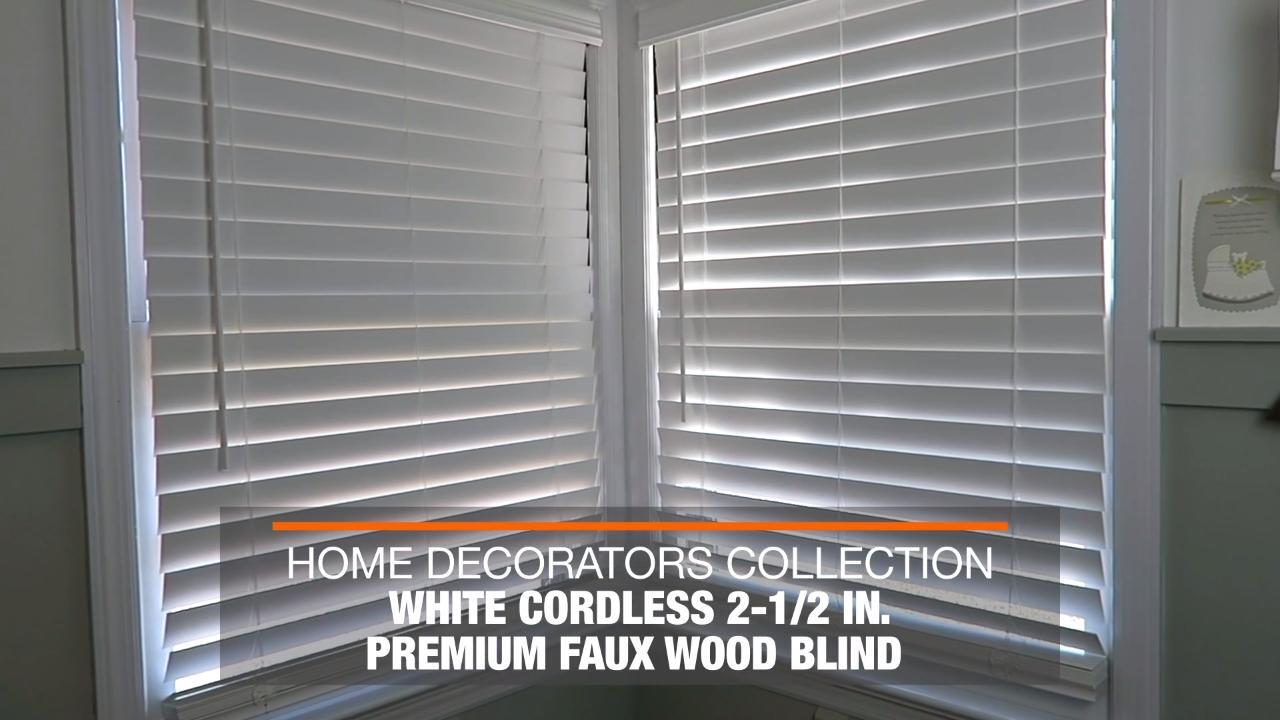
Credit: www.homedepot.com
Best Uses For Each Size
Choosing between 1 inch and 2 inch blinds depends on your window size and room style. Each size offers unique benefits that suit different spaces. Understanding the best uses helps you pick the right blinds for your needs.
Both sizes control light well but fit different window types. The right choice can improve your room’s look and function.
Small Spaces And Narrow Windows
1 inch blinds work great for small spaces. Their slim slats fit narrow windows perfectly. These blinds do not crowd the window frame. They allow more flexibility in tight areas. Light control is precise without bulk. Ideal for bathrooms, kitchens, and small bedrooms.
Large Windows And Open Areas
2 inch blinds suit large windows and open rooms. Wider slats cover more area with fewer pieces. They create a bold, clean look on big windows. These blinds are easier to clean and maintain. Perfect for living rooms, dining areas, and wide glass doors.
Commercial Vs Residential Settings
Commercial spaces often prefer 2 inch blinds. They offer durability and a professional look. Larger slats help control glare in office environments. Residential homes may choose 1 inch blinds for a softer feel. Slim slats fit cozy rooms and add style without overwhelming.

Credit: www.amazon.ae
Frequently Asked Questions
What Is The Main Difference Between 1 Inch And 2 Inch Blinds?
1 inch blinds have narrower slats than 2 inch blinds. This affects light control and style. Smaller slats create a finer look.
Which Blinds Block More Sunlight, 1 Inch Or 2 Inch?
2 inch blinds block more sunlight due to larger slats. They offer better light control and privacy. Smaller slats let in more light.
Are 1 Inch Blinds Easier To Clean Than 2 Inch Blinds?
Yes, 1 inch blinds are easier to clean because of their size. Smaller slats collect less dust. Cleaning is quicker and simpler.
Which Blinds Suit Small Windows Better, 1 Inch Or 2 Inch?
1 inch blinds suit small windows well. Their thin slats fit smaller spaces without looking bulky. They offer a neat appearance.
Do 2 Inch Blinds Provide Better Privacy Than 1 Inch Blinds?
2 inch blinds generally offer better privacy. Larger slats close tightly to block views. Smaller slats may have slight gaps.
Can 1 Inch Blinds Make A Room Look Bigger?
Yes, 1 inch blinds create a lighter and airier look. Their narrow slats add subtle texture without overwhelming the space. Good for small rooms.
Which Blinds Are More Durable, 1 Inch Or 2 Inch?
Durability depends on material, not just size. Both 1 inch and 2 inch blinds last long if made well. Choose quality over slat width.
Conclusion
Choosing between 1 inch and 2 inch blinds depends on your needs. Smaller blinds fit well in tight spaces. Larger blinds offer better light control and style. Think about your room size and window shape. Also, consider how much privacy you want.
Both types have their own benefits. Pick the one that matches your taste and budget. Either way, blinds can improve your space’s look and feel. Simple and effective window treatments make a big difference.