
Are you ready to tackle your bathroom project but unsure how to secure a shower pan liner to concrete? Getting this step right is crucial to prevent leaks and water damage in your shower.
You’ll discover simple, effective methods to glue your shower pan liner to concrete with confidence. Whether you’re a DIY enthusiast or just want to understand the process better, we’ll guide you through the best techniques so your shower stays dry and durable for years to come.
Keep reading to learn how to protect your investment and avoid costly repairs down the road.
Choosing The Right Glue
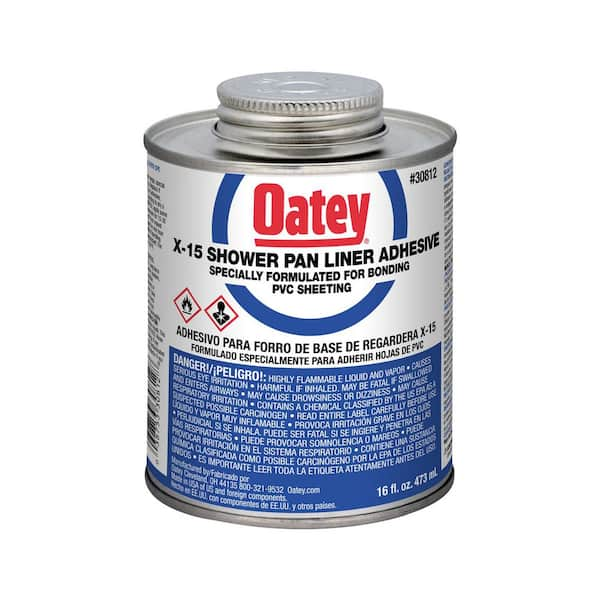
Choosing the right glue for a shower pan liner to concrete is important. The right adhesive keeps the liner secure and prevents water damage. Not all glues work well with concrete and shower pans. Picking the proper glue helps the pan last longer and stay leak-free.
Types Of Adhesives Suitable For Shower Pans
Silicone-based adhesives are a popular choice for shower pans. They stick well to concrete and stay flexible after drying. This flexibility helps the liner move slightly without breaking the seal.
Polyurethane adhesives also work well. They create a strong bond and resist moisture over time. These adhesives are durable and can handle the wet environment of a shower.
Butyl tape is another option. This sticky tape seals the liner to the concrete without needing drying time. It is easy to apply and provides a waterproof barrier.
Factors To Consider When Selecting Glue
Check if the glue resists water and moisture. Shower pans stay wet, so the glue must not break down.
Look at the drying time. Some glues dry quickly, while others take longer. Quick drying helps finish the job faster.
Consider how flexible the glue is after it dries. Flexibility prevents cracks in the seal when the shower moves slightly.
Think about the ease of use. Some adhesives are simpler to apply than others, especially for beginners.
Preparing The Concrete Surface
Preparing the concrete surface is a key step before gluing the shower pan liner. A clean, smooth surface helps the glue stick better. This prevents leaks and keeps the liner in place for a long time.
Take time to prepare the concrete well. It will make the whole shower installation easier and stronger.
Cleaning And Drying The Concrete
Start by removing dirt, dust, and debris from the concrete. Use a broom or vacuum to clean the surface fully. Any loose particles can stop the glue from sticking well.
Next, wash the concrete with water and a mild detergent. Scrub gently to remove grease or oil stains. Let the surface dry completely before gluing. Moisture can weaken the glue bond.
Repairing Cracks And Imperfections
Check the concrete for cracks or holes. These flaws can cause leaks under the shower pan liner. Fill small cracks with a concrete patching compound.
Use a putty knife to smooth the patch and level it with the surface. Allow the patch to dry and harden fully. Large cracks might need professional repair before continuing.
Cutting And Positioning The Shower Pan Liner
Cutting and positioning the shower pan liner is a crucial step in creating a watertight base. This process ensures the liner fits perfectly over the concrete, preventing leaks and water damage. Careful measurement and precise alignment make installation easier and more effective.
Measuring And Cutting For A Perfect Fit
Start by measuring the concrete base accurately. Include the height of the curb and any corners. Use a tape measure to get exact dimensions. Mark the liner using a pencil or chalk. Leave extra material around the edges for adjustments.
Cut the liner with sharp scissors or a utility knife. Cut slowly to avoid jagged edges. Keep the liner flat on a clean surface while cutting. A smooth edge helps the liner fit snugly without gaps.
Aligning The Liner On The Concrete Base
Place the liner gently on the concrete base. Align it with the curb and corners carefully. Smooth out any wrinkles or air pockets by pressing the liner down. Use your hands to push the liner into corners and edges.
Check that the liner extends up the walls at least six inches. This extra height protects against water seeping behind the walls. Adjust the liner as needed before securing it in place. Correct positioning prevents leaks and ensures long-lasting protection.
Applying Glue To The Concrete
Applying glue to the concrete is a crucial step when installing a shower pan liner. The glue helps hold the liner firmly in place. This prevents water from leaking under the shower floor.
Correct glue application creates a strong bond. It keeps the liner flat and secure for years. Taking time to apply the glue properly ensures a durable, watertight seal.
Techniques For Even Adhesive Application
Start by cleaning the concrete surface. Remove dust, dirt, and grease. Use a brush or cloth for this task. A clean surface improves glue adhesion.
Use a notched trowel to spread glue. This tool helps apply glue evenly. Spread glue in a thin, uniform layer. Avoid thick globs or bare spots.
Work in small sections. Apply glue to one area at a time. This prevents the glue from drying too fast. Press the liner onto the glued area gently but firmly.
Avoiding Common Glue Application Mistakes
Do not apply glue on wet or damp concrete. Moisture weakens the bond and causes peeling. Make sure the surface is fully dry before starting.
Avoid using too much glue. Excess glue can cause lumps under the liner. It also wastes material and makes cleanup harder.
Do not rush the process. Allow enough time for glue to set. Follow the glue manufacturer’s instructions carefully. Proper drying time ensures a strong hold.
Securing The Liner In Place
Securing the shower pan liner to the concrete ensures a strong, waterproof seal. The liner must stay in place during and after installation. Proper adhesion prevents leaks and water damage.
Use the right techniques to press and hold the liner firmly. This creates a smooth surface and solid bond with the concrete.
Pressing And Smoothing The Liner
Start by pressing the liner gently but firmly onto the concrete. Use a flat tool, like a trowel or roller, to smooth out air bubbles. Work from the center outward to avoid wrinkles. Smooth liners prevent water from pooling or leaking.
Take your time to ensure the liner fits tightly against the surface. Check edges and corners carefully. A smooth, even liner improves durability and water resistance.
Using Weights Or Clamps For Firm Bonding
After pressing, place weights or clamps on the liner. This keeps the liner pressed firmly against the concrete as the glue dries. Use clean, flat weights to avoid damaging the liner.
Leave the weights in place for several hours or as recommended. Consistent pressure helps the glue form a strong bond. Secure liners last longer and protect your shower from leaks.

Credit: www.youtube.com
Sealing Edges And Corners
Sealing edges and corners is a key step when gluing a shower pan liner to concrete. These areas are the most likely spots for water to leak. Proper sealing keeps water inside the pan. It protects the floor and walls from damage. Careful attention here ensures a long-lasting shower base.
Ensuring Watertight Seals
Start by cleaning the edges and corners well. Dirt or dust can stop the glue from sticking. Use a strong waterproof adhesive made for shower pans. Apply the glue evenly along the edges. Press the liner firmly to the concrete. Make sure no gaps or bubbles form under the liner. Check every corner carefully. A watertight seal stops water from escaping.
Best Practices For Overlapping And Folding
Overlap the liner at corners by a few inches. This creates a stronger barrier against leaks. Fold the liner neatly into corners without stretching it. Avoid sharp creases or wrinkles. Smooth folds help the liner fit tightly. Use extra glue on overlapped areas for extra hold. Proper folding and overlapping keep water inside the pan.
Curing And Drying Times
Understanding the curing and drying times is important when you glue a shower pan liner to concrete. This process ensures the liner sticks well and prevents leaks. Proper waiting time allows the adhesive to set and the liner to bond firmly to the concrete surface.
Rushing this step can cause the liner to peel or fail. Taking the right amount of time helps create a strong, lasting seal. Knowing how long to wait and what affects drying helps you plan your project better.
Recommended Waiting Periods
Allow the glue to cure for at least 24 hours before applying any weight or pressure. Some adhesives may require up to 48 hours for a full bond. Follow the glue manufacturer’s instructions for the best results. Avoid walking on or moving the liner too soon. Proper curing time ensures the liner stays secure and leak-proof.
Environmental Factors Affecting Drying
Temperature and humidity greatly impact drying time. Warmer, dry conditions speed up curing. Cold or damp environments slow the process. Poor ventilation also extends drying time. Keep the area well-ventilated and maintain moderate temperature. Avoid applying glue in extreme weather for best results. These factors help achieve a solid, lasting bond between liner and concrete.
Credit: www.homedepot.com
Testing The Seal For Leaks
Testing the seal for leaks is a key step after gluing the shower pan liner to concrete. It ensures the liner prevents water from escaping. A strong seal keeps the bathroom dry and safe. Catching leaks early stops costly water damage. Use simple methods to check the seal’s strength and fix any issues fast.
Methods To Detect Water Penetration
Fill the shower pan with water. Let it sit for several hours. Watch for drops or damp spots under the concrete. Use a moisture meter to check hidden areas. Look for signs of mold or water stains on walls. These clues show if water leaks through the liner.
Addressing And Repairing Leaks
Mark any leaks you find clearly. Dry the area fully before repairing. Use a waterproof patch or sealant made for shower pans. Apply the patch smoothly over the hole or tear. Press down firmly to secure it. Retest by filling the pan again to confirm the fix works.
Maintenance Tips For Longevity
Maintaining a glued shower pan liner on concrete extends its life and prevents costly repairs. Regular care helps avoid leaks and water damage. Simple steps keep the liner strong and secure.
Routine Inspections
Check the shower pan liner often for cracks or tears. Look closely at the edges where the liner meets the concrete. Small problems can grow if not fixed early. Use a flashlight to spot any damp spots or mold. Early detection saves time and money.
Preventive Measures Against Damage
Keep sharp objects away from the shower pan liner. Avoid dropping heavy items that can puncture the liner. Use a protective mat during construction or remodeling work. Clean the liner with mild soap and water only. Harsh chemicals can weaken the glue and material. Proper care reduces wear and prolongs the liner’s life.

Credit: www.youtube.com
Frequently Asked Questions
What Type Of Glue Is Best For Shower Pan Liners?
Use waterproof adhesive designed for concrete and PVC or rubber liners. This glue ensures a strong, lasting bond. Avoid regular glues that can fail with moisture.
How Do I Prepare Concrete Before Gluing The Liner?
Clean the concrete thoroughly, removing dust and debris. The surface must be dry and smooth for glue to stick properly.
Can I Glue A Shower Pan Liner Directly To Concrete?
Yes, but use a high-quality waterproof adhesive made for this purpose. Proper application is key to prevent leaks and liner movement.
How Long Does Glue Take To Dry On A Shower Pan Liner?
Drying time varies but usually takes 24 to 48 hours. Keep the area dry and undisturbed during this period for best results.
Is It Better To Glue Or Tape A Shower Pan Liner?
Gluing provides a stronger and more waterproof seal than taping. Tape may peel off over time, causing leaks and damage.
How Do I Avoid Wrinkles When Gluing The Liner?
Apply glue evenly and press the liner smoothly onto the concrete. Work slowly to remove air bubbles and wrinkles as you go.
Can I Replace A Glued Shower Pan Liner Later?
Removing a glued liner can be difficult and may damage concrete. Plan carefully before gluing to avoid the need for replacement.
Conclusion
Gluing a shower pan liner to concrete helps keep water from leaking. It creates a strong, waterproof seal for your shower base. Clean the concrete well before applying the glue. Press the liner firmly to avoid gaps or bubbles. Take your time and work carefully for the best results.
This simple step protects your bathroom from water damage. A well-installed liner means fewer repairs later. Easy, steady work makes a lasting shower pan. Trust the process and enjoy a dry, safe shower space.