
Have you ever wondered where the water from your steam generator goes after your relaxing shower? Properly draining your steam generator into your shower drain is more important than you might think.
If it’s not set up correctly, it could lead to leaks, mold, or even damage to your bathroom. You’ll discover simple, effective ways to handle your steam generator drain. By the end, you’ll know exactly how to keep your shower area dry, safe, and functioning perfectly.
Keep reading to make sure your steam setup works smoothly every time you step inside.
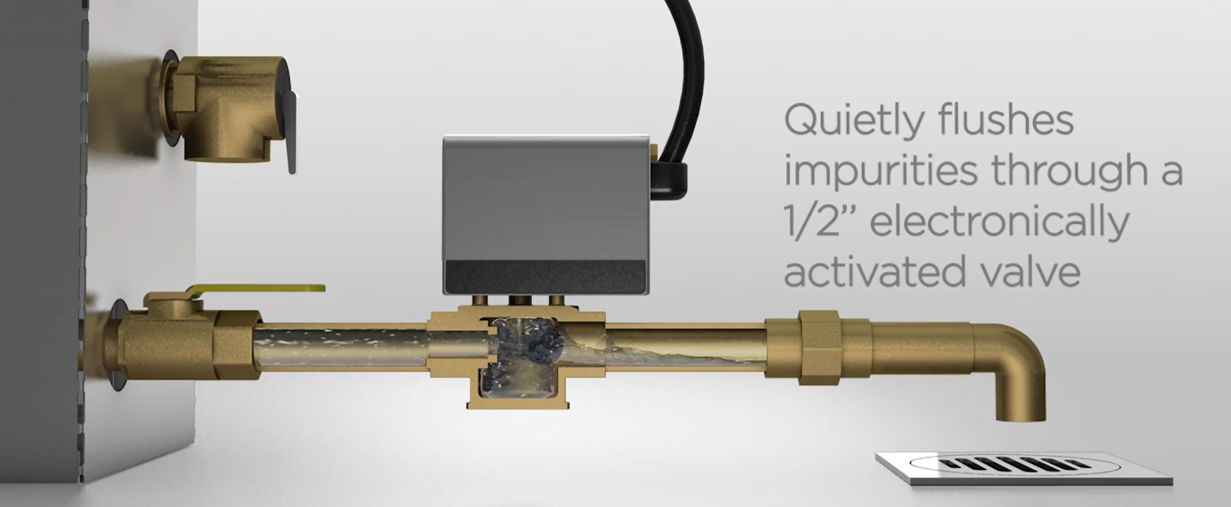
Credit: blog.mrsteam.com
Benefits Of Draining Steam Generators Into Showers
Draining steam generators into showers offers several practical benefits. This method uses space wisely and makes plumbing easier. It also helps manage water flow better. These advantages make steam generator setups more efficient and user-friendly.
Here are key benefits of this drainage approach.
Space-saving Advantages
Using the shower drain saves room in the bathroom. No need for extra pipes or drains. This setup keeps the area neat and less crowded. It works well in small bathrooms or tight spaces. You get more freedom to arrange other fixtures.
Simplified Plumbing Setup
Connecting the steam generator drain to the shower drain reduces plumbing work. Fewer pipes and fittings are needed. It lowers installation time and cost. Maintenance is easier because all water drains through one point. This simple setup avoids plumbing complications.
Enhanced Water Management
Draining into the shower helps control water flow better. The shower drain handles steam generator water safely. It prevents leaks and water damage elsewhere. Water is directed to one place, reducing mess. This method keeps the bathroom cleaner and dryer.
Key Considerations For Drainage Integration
Integrating a steam generator drain into a shower requires careful planning. Proper drainage ensures safety and prevents damage. Every detail matters, from pipe size to water temperature. Addressing these key points helps maintain a smooth and safe bathroom setup.
Shower Drain Capacity
Drain capacity must match the steam generator output. Too small a drain causes water backup. This leads to leaks and damage. Measure the steam generator’s water output carefully. Choose a drain that handles the maximum flow easily. Check local plumbing codes for size requirements.
Water Temperature And Safety
Steam generator water can be very hot. Drain pipes must handle high temperatures safely. Use materials that resist heat damage. Hot water can cause burns if it leaks. Ensure the drain design prevents water from splashing. Proper insulation reduces risk around the drain area.
Preventing Backflow And Blockages
Backflow can cause water to return to the steam generator. This damages the unit and plumbing. Install a check valve to stop reverse flow. Keep the drain clear to avoid blockages. Regular cleaning helps maintain good water flow. Use strainers to catch hair and debris.
Materials And Components Needed
Setting up a steam generator drain into your shower needs the right materials and parts. Each component plays a role in safety and function. Choosing good quality materials ensures the system works well and lasts long. Below, find key parts to prepare for the job.
Suitable Drain Pipes
Drain pipes must handle hot water and steam safely. Use PVC or CPVC pipes as they resist heat and corrosion. Pipes should be at least 1.5 inches in diameter to allow smooth water flow. Avoid metal pipes that can rust or corrode over time. Make sure pipes have a slight downward slope for proper drainage.
Check Valves And Traps
Check valves stop water from flowing backward into the steam generator. This protects the system and keeps water clean. Traps prevent sewer gases from entering the shower area. Use P-traps made of durable plastic or metal for reliable sealing. Install these parts close to the drain for best results.
Waterproof Sealing Techniques
Sealing all joints and connections prevents leaks and water damage. Use waterproof sealants or plumber’s tape on pipe threads and fittings. Silicone caulk around shower drain edges blocks water seepage. Ensure seals are tight but avoid over-tightening, which can crack pipes or fittings.
Credit: terrylove.com
Step-by-step Installation Guide
Installing a steam generator drain into your shower requires careful steps. This guide breaks down the process clearly. Follow these simple instructions to ensure proper drainage. Avoid leaks and water damage by planning correctly. Let’s begin with the first step.
Planning The Drain Route
Start by choosing the best path for the drain pipe. Check the space behind your shower walls. Make sure the drain will slope downward to avoid water pooling. Measure the distance from the steam generator to the shower drain. Avoid sharp bends in the pipe. Use a smooth, straight line for easy water flow. Mark the route on the wall or floor for guidance.
Connecting The Steam Generator Drain
Turn off the steam generator before connecting the drain. Attach the drain hose or pipe to the steam generator outlet. Use a secure clamp or connector to avoid leaks. Run the pipe along the planned route. Connect the other end to the shower drain or a nearby floor drain. Seal all joints with waterproof tape or sealant. Check that the pipe is firmly fixed and will not move.
Testing And Troubleshooting
Turn on the steam generator and let water flow through the drain. Watch for any leaks or drips along the pipe. Check if the water drains quickly without backing up. Tighten any loose connections to stop leaks. If water pools or drains slowly, adjust the pipe slope. Clear any blockages in the drain pipe if needed. Repeat the test until the drain works perfectly.
Maintenance Tips For Efficient Drainage
Maintaining the steam generator drain that flows into your shower is key for smooth operation. Efficient drainage stops water buildup and avoids damage. Regular care keeps your system working well and your bathroom fresh.
Regular Cleaning Practices
Clean the drain area often to stop clogs. Remove hair and soap scum. Use a gentle cleaner safe for pipes. Flush the drain with hot water weekly. This helps clear small blockages before they grow.
Inspecting For Leaks
Check the drain and connections for leaks regularly. Look for wet spots or water stains near the shower. Tighten loose fittings to prevent drips. Small leaks can cause big problems if ignored.
Addressing Common Issues
Watch for slow drainage or strange smells. These signs show a blockage or buildup. Use a plunger or drain snake to clear clogs. Avoid harsh chemicals that can harm pipes. Call a professional if problems persist.
Code Compliance And Safety Standards
Steam generator drains in showers must meet strict code and safety rules. These rules protect your home and health. Following these rules avoids damage and costly repairs.
Understanding the rules helps ensure your installation is safe and legal. Every area has specific guidelines for plumbing and electrical work. Learning these rules is important before starting any project.
Local Plumbing Codes
Local plumbing codes set clear rules for drain installation. Codes specify drain size, type, and placement. They prevent leaks and water damage. Each city or state may have different codes. Always check local codes before installing a steam generator drain.
Electrical And Water Safety
Electricity and water must stay separate to avoid hazards. Steam generators use electricity near water, so safety is critical. Ground-fault circuit interrupters (GFCIs) must be installed. Proper wiring and waterproofing reduce shock risks. Safety standards protect both the home and users.
Professional Consultation
Consult a licensed plumber or electrician for guidance. Professionals know local codes and safety rules well. They help avoid costly mistakes and code violations. A professional ensures your steam generator drain is safe and compliant. Trust experts to protect your home and family.
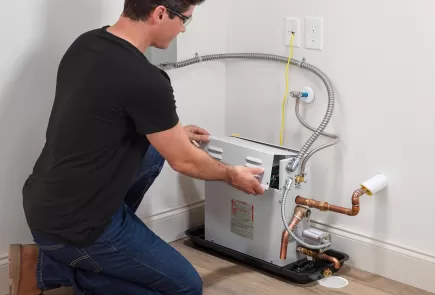
Credit: www.deltafaucet.com
Frequently Asked Questions
Can Steam Generator Drain Water Flow Into The Shower Drain?
Yes, steam generator drains can usually connect to the shower drain. This helps remove water safely and keeps the bathroom dry.
Why Is Draining Steam Generator Water Important?
Draining prevents water buildup that can cause mold or damage. It keeps the steam generator working well for longer.
Is It Safe To Drain Steam Generator Into The Shower?
Draining into the shower is safe if plumbing codes allow it. Proper slope and fittings must be used to avoid leaks.
How Do You Connect A Steam Generator Drain To Shower Drain?
Use PVC piping with the right slope and secure fittings. A plumber can ensure the connection is tight and code compliant.
What Happens If Steam Generator Drain Is Not Connected Properly?
Water may leak, cause damage, or create mold problems. Poor drainage can also reduce the steam generator’s lifespan.
Can I Use A Floor Drain Instead Of Shower Drain?
Yes, a floor drain is another option if near the steam generator. It must meet local plumbing rules and be properly sealed.
How Often Should I Check The Steam Generator Drain?
Inspect the drain every few months for clogs or leaks. Regular checks help avoid water damage and keep the system working well.
Conclusion
Draining your steam generator into the shower keeps things simple. It helps avoid leaks and water damage in other areas. Make sure the drain size matches the water flow. Check local codes to stay safe and legal. Proper setup means less cleaning and fewer problems later.
A well-drained steam generator gives you a better shower experience. Keep it easy and efficient for long-lasting use.