
When it comes to choosing the right shower drain for your bathroom, you might be stuck between ABS and PVC options. You want something durable, easy to install, and that won’t cause problems down the line.
But how do you know which material will truly fit your needs? This article breaks down the key differences between ABS and PVC shower drains so you can make the best choice for your home. Keep reading, and you’ll discover exactly what you need to consider before making your decision.
Material Properties
Material properties play a key role in choosing between ABS and PVC shower drains. These properties affect how the drain performs over time. Understanding these differences helps pick the right drain for your bathroom. Below, we explore durability, chemical resistance, and temperature tolerance of each material.
Durability And Strength
ABS is known for its toughness and impact resistance. It can handle heavy loads and rough handling without cracking. PVC is also strong but less flexible than ABS. It may crack under sudden impacts or bending. Both materials resist rust and corrosion well. ABS generally lasts longer in areas with physical wear.
Chemical Resistance
PVC resists most acids, alkalis, and common cleaning chemicals. It stays stable even with frequent exposure to harsh substances. ABS handles many chemicals but can degrade with strong solvents. Bathrooms often use strong cleaners, so chemical resistance matters. PVC offers better protection against chemical damage in shower drains.
Temperature Tolerance
ABS handles temperature changes better than PVC. It remains strong in cold and hot water environments. PVC can soften or warp at high temperatures. Shower drains face warm water regularly, so heat tolerance is important. ABS is less likely to deform or fail due to heat in showers.

Credit: ebbe-america.com
Installation Process
The installation process for ABS and PVC shower drains differs in a few key ways. Understanding these differences helps ensure a smooth setup. Both types require careful handling and proper connection to your home’s plumbing system.
Ease Of Handling
ABS pipes are rigid but lightweight, making them easy to carry and position. They are less flexible, which can make fitting in tight spaces a bit tricky. PVC pipes are also lightweight but offer more flexibility. This flexibility helps with adjustments during installation and fitting around corners.
Compatibility With Plumbing Systems
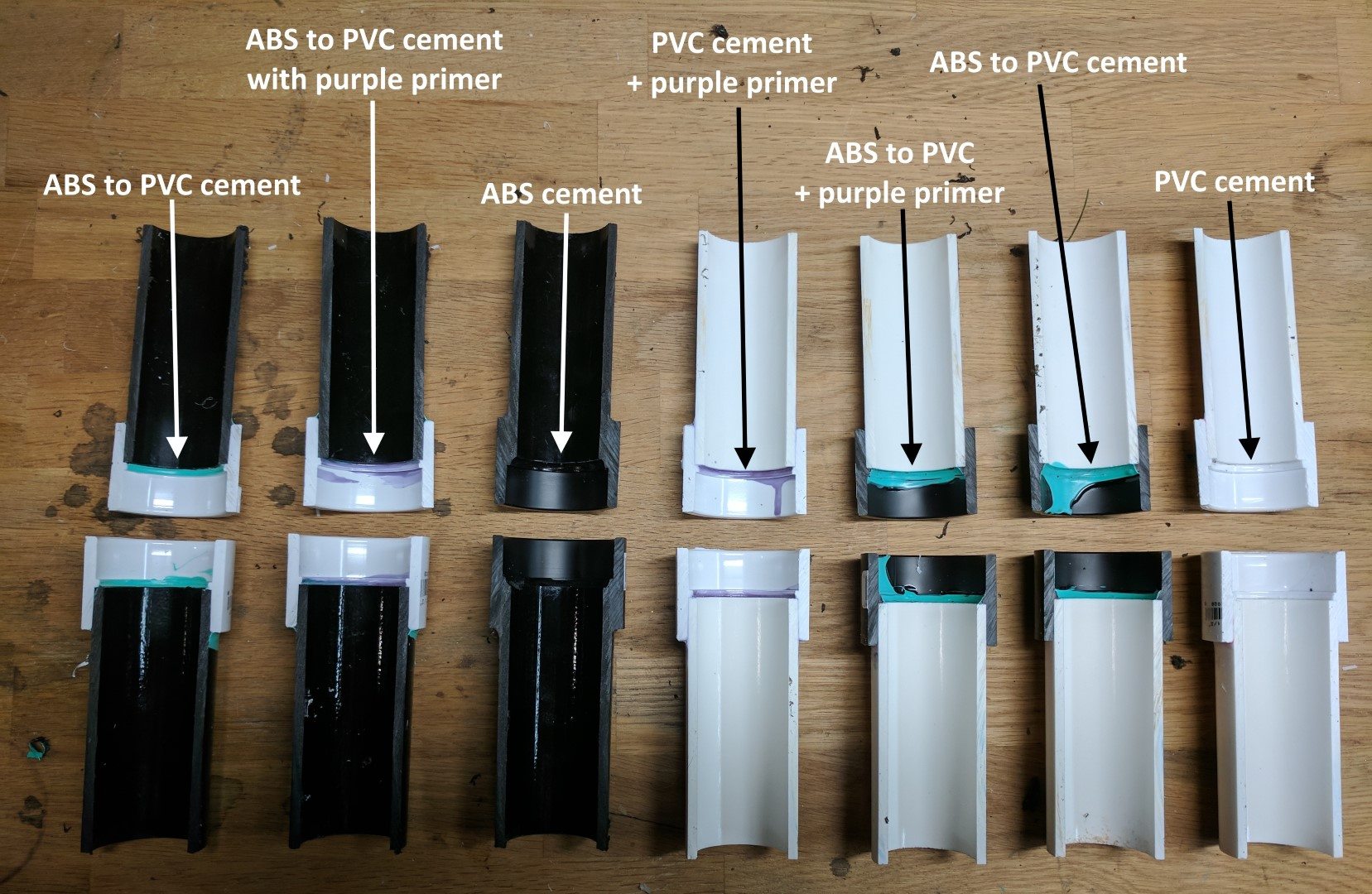
ABS drains work well with most standard plumbing systems. They often require special solvent cement for joining to prevent leaks. PVC drains are widely used and compatible with many plumbing setups. They use a different type of solvent cement, so mixing with ABS parts requires adapters.
Required Tools And Techniques
Installing both types needs common plumbing tools like pipe cutters, primer, and solvent cement. ABS installation demands a specific primer and cement for a strong bond. PVC installation uses its own primer and cement formulas. Cutting pipes cleanly and applying solvent evenly is important for both.
Cost Considerations
Choosing between ABS and PVC shower drains involves understanding the costs. Cost matters in both the short and long term. It affects your budget and the value you get. This section breaks down the main cost factors.
Initial Purchase Price
ABS drains tend to cost more upfront than PVC drains. The price difference comes from the materials and manufacturing process. PVC is cheaper to produce, so its price is lower. For a basic shower drain, PVC offers a budget-friendly choice.
ABS may cost more but offers strength and durability. The higher cost can be worth it for some projects. Budget limits often guide the initial choice.
Long-term Maintenance Costs
Maintenance costs depend on the material’s durability and resistance. ABS drains resist cracking and chemical damage better than PVC. This means fewer repairs over time.
PVC drains might need more frequent maintenance. They can crack or warp under extreme conditions. Maintenance costs can add up if problems occur often.
ABS might save money later due to lower repair needs. Consider how much time and effort maintenance will require.
Replacement Frequency
ABS drains usually last longer before needing replacement. Their toughness helps them withstand wear and tear. PVC drains may need replacement sooner, especially in harsh environments.
Choosing ABS means fewer replacements over many years. PVC may require replacing more often, increasing lifetime costs.
Think about how long you want the drain to last. Replacement frequency impacts overall cost and convenience.
Credit: www.familyhandyman.com
Performance And Functionality
Performance and functionality are key factors when choosing between ABS and PVC shower drains. Both materials offer unique benefits that affect how well the drain works over time. Understanding these differences helps you pick the best option for your bathroom.
Water Flow Efficiency
ABS and PVC drains handle water flow differently. PVC drains have smooth inner walls that help water move quickly. This reduces the chance of water buildup. ABS drains are also effective but may slow water flow slightly due to a rougher surface. Fast water flow means less chance of standing water and better drainage.
Clog Resistance
Clogs can cause serious problems in showers. PVC drains resist clogs better because their smooth surface prevents debris from sticking. ABS drains can attract dirt and hair more easily, leading to blockages. Choosing a drain with better clog resistance means less cleaning and fewer repairs.
Noise Levels
Noise from shower drains can be annoying. ABS drains usually absorb sound better and produce less noise during water flow. PVC drains tend to be louder because they are stiffer and transmit sound more easily. Quiet drains create a more peaceful bathroom experience.
Environmental Impact
The environmental impact of ABS and PVC shower drains affects more than just your bathroom. These materials differ in how they affect our planet during production, use, and disposal. Understanding these differences helps you make a greener choice for your home.
Recyclability
ABS plastic can be recycled but not widely accepted in all centers. PVC recycling is more limited due to its chemical makeup. Both materials can be reused in some industrial processes. Recycling helps reduce waste and saves energy.
Manufacturing Footprint
ABS production uses less energy compared to PVC. PVC manufacturing releases harmful chemicals like dioxins. These chemicals can harm air and water quality. ABS has a lower carbon footprint overall, making it a cleaner option during production.
Disposal Methods
ABS can be incinerated safely, releasing fewer toxins. PVC releases toxic gases when burned, posing health risks. Landfilling both plastics can lead to long-term soil pollution. Proper disposal methods are essential to reduce environmental harm.
Aesthetic And Design Options
Choosing between ABS and PVC shower drains affects more than function. The look of your shower drain matters for your bathroom’s style. Both materials offer options that suit different design tastes.
Understanding these options helps you pick a drain that fits your space well. The right drain can blend in or stand out as a design feature.
Color Variations
ABS drains usually come in black or dark colors. These colors hide dirt and wear well over time. PVC drains often appear in white or light shades. Light colors can make the bathroom feel bright and clean.
Some manufacturers offer colored options or paintable surfaces. This choice lets you match the drain with tiles or fixtures easily.
Finish And Texture
ABS drains have a smooth, glossy finish. It gives a modern and sleek look. PVC drains tend to have a matte or semi-gloss finish. This finish can reduce glare and look softer.
Textured finishes are rare but possible for both materials. Textures add grip and prevent slipping near the drain.
Customization Availability
ABS drains often allow more custom designs and shapes. Their flexibility supports unique or artistic drain covers. PVC drains are simpler but reliable for standard styles.
Custom inserts or decorative covers fit both types. These options let you personalize your shower drain without changing the base material.
Common Issues And Troubleshooting
Both ABS and PVC shower drains can face common problems over time. Understanding these issues helps in quick repairs and avoids bigger damage. Troubleshooting saves money and keeps your bathroom working well.
Cracking And Warping
ABS drains can crack due to cold temperatures or strong impacts. PVC drains may warp when exposed to high heat. Warping causes leaks and poor water flow. Check your drain for any changes in shape or cracks often. Replace damaged parts before problems grow.
Leakage Problems
Leaks happen when joints are loose or seals wear out. Both ABS and PVC use glue or rubber rings to seal connections. Tighten joints and replace old seals to stop leaks. Regularly inspect the drain area for water signs. Early fixing prevents water damage and mold growth.
Blockage Solutions
Hair and soap build-up cause most blockages in shower drains. Use a drain cover to catch debris before it enters the pipe. Clean the drain regularly with safe, mild cleaners. For tough clogs, use a plunger or a drain snake. Avoid harsh chemicals that can damage ABS or PVC pipes.

Credit: www.youtube.com
Expert Recommendations
Experts often choose between ABS and PVC shower drains based on the project needs. Both materials offer strong performance but suit different situations. Understanding these recommendations helps pick the right drain for your bathroom.
Best Uses For Abs Drains
ABS drains work well in colder climates. They resist cracking in low temperatures. ABS is also ideal for heavy-duty use. It handles impact better than PVC. Many professionals use ABS in commercial buildings. It fits well with metal piping systems. ABS’s dark color makes it easy to spot leaks.
Best Uses For Pvc Drains
PVC drains are popular for residential bathrooms. They are lightweight and easy to install. PVC fits well with most plastic pipes. It resists chemicals found in cleaners. Many prefer PVC for warmer climates. PVC drains cost less than ABS drains. Its smooth surface helps prevent clogs.
Choosing Based On Specific Needs
Choose ABS if durability is your priority. Select PVC for budget-friendly projects. Consider local building codes before deciding. Check the pipe system compatibility too. Think about the climate in your area. Match the drain material with your plumbing type. Experts suggest weighing these factors carefully.
Frequently Asked Questions
What Are The Main Differences Between Abs And Pvc Shower Drains?
ABS is a black plastic known for toughness, while PVC is white and more flexible. ABS handles cold better; PVC resists heat well. Both are common but suit different needs.
Is Abs Or Pvc Better For Bathroom Shower Drains?
ABS is strong and resists cracking in cold temperatures. PVC is lighter, easier to cut, and handles heat better. Choice depends on local building codes and personal preference.
Can Abs And Pvc Shower Drains Be Connected Together?
Yes, but special connectors or transition fittings are needed. Mixing requires care to avoid leaks or weak joints. Local codes may have specific rules on this.
How Long Do Abs And Pvc Shower Drains Last?
Both can last 25 to 40 years with proper care. Exposure to sunlight may degrade ABS faster. PVC tends to resist chemical damage better.
Which Shower Drain Material Is Easier To Install, Abs Or Pvc?
PVC is generally easier to cut and glue for beginners. ABS needs special cement and primer, which can be tricky. Both require basic plumbing tools and skills.
Are Abs Or Pvc Shower Drains More Cost-effective?
PVC is usually cheaper and widely available in stores. ABS can cost more due to its toughness and durability. Costs vary by region and supplier.
Do Abs Or Pvc Shower Drains Affect Water Flow Differently?
Both materials offer smooth surfaces for good water flow. No significant difference in drainage speed between ABS and PVC. Proper installation matters more for flow efficiency.
Conclusion
Choosing between ABS and PVC shower drains depends on your needs. ABS is tough and handles cold temperatures well. PVC is lighter and resists heat better. Both types are affordable and easy to install. Think about your bathroom’s climate and plumbing setup.
Either option can serve you well for years. Make a choice that fits your budget and conditions. Simple, practical, and effective—that’s what matters most.