
Are you thinking about using flexible PVC for your shower drain but aren’t sure if it’s the right choice? You’re not alone.
Choosing the right material for your shower drain is crucial to avoid leaks, clogs, and costly repairs down the line. Flexible PVC might seem like an easy, convenient option—but is it reliable and safe for your bathroom? You’ll discover everything you need to know about flexible PVC, including its pros and cons, so you can make the best decision for your home and peace of mind.
Keep reading to find out if flexible PVC can really handle your shower drain needs.

Credit: www.amazon.com
Flexible Pvc In Plumbing
Flexible PVC is a popular choice in plumbing for many tasks. It offers durability and adaptability. This material bends easily without cracking or breaking. It makes plumbing installations faster and simpler. Flexible PVC pipes and fittings work well in tight spaces. They can handle water flow safely and reliably.
Properties Of Flexible Pvc
Flexible PVC is lightweight and strong. It resists chemicals, corrosion, and rust. It does not absorb water, preventing damage over time. The material stays flexible in cold and hot temperatures. It can handle pressure changes without leaking. Flexible PVC is easy to cut and join. Its smooth interior helps water flow smoothly. This reduces the chance of clogging.
Common Uses In Plumbing
Flexible PVC is used for drain lines and water supply. It often serves as a replacement for rigid pipes. This material works well for shower drains and sinks. It is also useful for connecting appliances. Flexible PVC pipes fit into small or awkward areas easily. They simplify repairs and renovations. Many plumbers prefer it for temporary or permanent installations.
Shower Drain Requirements
Shower drains need to meet specific standards to work well and last long. Proper drainage avoids water buildup that can cause damage. The materials used must handle water flow and resist wear. Safety and durability are key to keep your bathroom safe and clean.
Choosing the right drain material helps prevent leaks and clogs. The drain must connect securely to the plumbing system. It should also comply with local building codes for safety and performance.
Materials Typically Used
Common shower drain materials include PVC, ABS, and metal. PVC is popular for its low cost and easy installation. ABS offers good strength and chemical resistance. Metal drains, like stainless steel, provide durability and a sleek look.
Flexible PVC pipes can bend, making installation easier in tight spaces. But they need to be rated for drainage use. Not all flexible PVC types handle water pressure well.
Durability And Safety Standards
Drain materials must resist corrosion and cracking over time. They also need to handle temperature changes without damage. Safety codes require drains to prevent leaks and backflow.
Durable drains reduce maintenance and avoid costly repairs. Certified products meet local plumbing rules and ensure safe water flow. Always check for product ratings before installation.
Suitability Of Flexible Pvc For Shower Drains
Flexible PVC is a popular choice for many plumbing jobs. Its suitability for shower drains depends on several factors. Understanding these helps ensure the right material is used for a safe and lasting installation.
Shower drains need materials that resist water damage and fit tight spaces. Flexible PVC offers some unique benefits here. It also faces limits in chemical and heat resistance, which affect its use in bathrooms.
Water Resistance And Flexibility
Flexible PVC handles water well. It does not absorb water or swell, which keeps the drain safe from leaks. Its flexibility lets it bend around corners and fit in small spaces easily.
This flexibility reduces stress on joints and connections. It helps prevent cracks and breaks over time. These qualities make flexible PVC a good candidate for shower drains.
Chemical And Temperature Tolerance
Shower drains face soaps, shampoos, and hot water daily. Flexible PVC can resist many common bathroom chemicals. It does not break down quickly or react with these substances.
Temperature tolerance is crucial for shower drains. Flexible PVC can handle warm water but may soften at very high temperatures. This limits its use with hot water systems above standard shower temperatures.
Choosing flexible PVC means checking your shower’s water temperature. It works well in typical home showers but not in hot tubs or steam showers.
Credit: terrylove.com
Installation Tips For Flexible Pvc Drains
Installing flexible PVC drains in your shower needs care and attention. Proper steps help avoid problems later. Use the right tools and follow simple rules for a smooth setup. These tips focus on key points to make the job easier and last longer.
Proper Fittings And Connections
Choose fittings that match the flexible PVC pipe size. Make sure connections are tight but not over-tightened. Use PVC cement designed for flexible pipes to seal joints well. Check that pipes fit snugly into fittings without gaps. Support the pipes to prevent sagging or stress on joints.
Avoiding Leaks And Blockages
Inspect all pipes and fittings before installation for cracks or damage. Clean pipe ends and fittings before gluing or joining. Avoid sharp bends in flexible PVC to keep water flowing freely. Use strainers or traps to catch hair and debris. Test the drain by running water after installation to find leaks early.
Potential Issues And Limitations
Using flexible PVC for shower drains comes with some challenges. These issues can affect the drain’s performance and durability. Knowing these limits helps in making a better choice for your bathroom.
Longevity Concerns
Flexible PVC may not last as long as rigid pipes. It can wear out faster under constant water flow. Over time, it might crack or become brittle. This can lead to leaks and costly repairs. The material is also sensitive to heat. Hot water can cause it to soften or warp. This reduces its strength and lifespan.
Compatibility With Other Materials
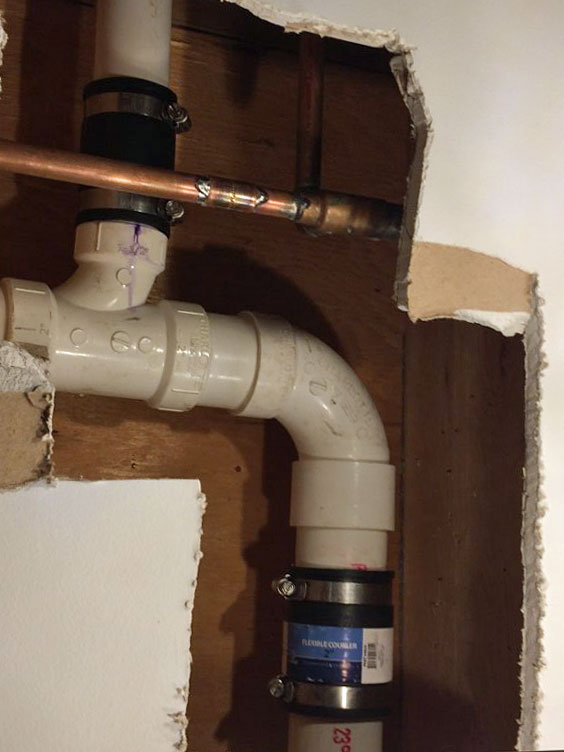
Flexible PVC may not connect well with some plumbing parts. It often requires special fittings to join with metal or rigid PVC pipes. Without proper connectors, leaks can occur. Some adhesives do not work on flexible PVC. This limits repair options and installation methods. Mixing different materials needs careful planning and the right tools.
Cost And Availability
Cost and availability are key factors when choosing materials for a shower drain. Flexible PVC offers a budget-friendly option that many homeowners appreciate. Its availability also makes it an easy choice for quick repairs or new installations.
Pricing Compared To Alternatives
Flexible PVC is often cheaper than metal or rigid PVC pipes. This makes it a popular choice for those who want to save money. The cost varies by size and length but remains affordable. It also reduces labor costs because it is easier to handle and install.
Where To Buy Flexible Pvc
Flexible PVC is widely available at hardware stores and online. Home improvement centers stock it in various sizes and lengths. Plumbing supply stores also carry flexible PVC for specialized needs. Buying online offers more options and sometimes better prices.
Maintenance And Repair Advice
Flexible PVC shower drains need care to last long and work well. Good maintenance stops clogs and leaks. Repairing small issues early saves big problems later. This guide gives simple tips for cleaning and fixing flexible PVC drains.
Routine Cleaning
Clean the drain weekly to avoid build-up. Use warm water and mild soap for cleaning. A soft brush helps remove dirt and soap scum. Avoid harsh chemicals that can damage the PVC. Clear hair and debris from the drain cover often. This keeps water flowing freely and prevents blockages.
Handling Repairs And Replacements
Check the drain for cracks or leaks regularly. Small cracks can be fixed with PVC adhesive. For bigger damage, replace the damaged section. Cut carefully and ensure a snug fit with connectors. Tighten all joints to stop leaks. Replace worn-out parts quickly to avoid water damage.

Credit: www.amazon.com
Frequently Asked Questions
Can Flexible Pvc Be Used For Shower Drain Pipes?
Flexible PVC can be used for shower drain pipes in some cases. It is easy to bend and install in tight spaces. However, it may not be as durable as rigid pipes.
Is Flexible Pvc Safe For Shower Water Drainage?
Yes, flexible PVC is safe for shower water drainage. It does not react with water or cause leaks when installed properly. Still, quality matters for long-term use.
How Does Flexible Pvc Compare To Rigid Pvc For Drains?
Flexible PVC is more bendable, making installation easier in tight spots. Rigid PVC is stronger and lasts longer under pressure. Choose based on your shower setup needs.
Can Flexible Pvc Handle Hot Water From Showers?
Flexible PVC can handle warm water from showers but not very hot water. Extreme heat may cause it to warp or soften. It works best with normal shower temperatures.
Is Flexible Pvc Prone To Clogging In Shower Drains?
Flexible PVC is not more likely to clog than other pipes. Smooth inner surfaces help water flow and prevent buildup. Regular cleaning keeps drains clear.
How Long Does Flexible Pvc Last In Shower Drainage?
Flexible PVC can last 10 to 20 years in shower drainage. Its lifespan depends on water quality and installation quality. Proper care extends its durability.
Can Flexible Pvc Pipes Be Connected To Standard Drain Fittings?
Yes, flexible PVC pipes can connect to standard drain fittings using adapters. Make sure fittings fit snugly to avoid leaks. Proper sealing is essential for good connections.
Conclusion
Flexible PVC can work for shower drains in some cases. It bends easily, making installation simpler in tight spots. But it may not be as strong as rigid pipes. Long-term use might cause leaks or damage. Always check local building codes before choosing materials.
Proper installation ensures your shower drains well and stays leak-free. Choose the right pipe for your specific needs and budget. This helps avoid costly repairs and keeps your bathroom dry. Simple steps lead to better results and peace of mind.