
Have you ever stood in your shower wondering how to switch the water from the tub faucet to the showerhead? Knowing how to turn on your shower diverter can make your daily routine smoother and more enjoyable.
Whether your diverter is a lever, knob, or a pull-up on the faucet, mastering this simple step saves you time and frustration. In this guide, you’ll learn exactly how to operate your shower diverter like a pro—no confusing manuals or extra tools needed.
Keep reading, and you’ll be shower-ready in no time!
Credit: terrylove.com
Identify The Diverter Type
Identifying the type of shower diverter is the first step to turning it on correctly. Diverters control the flow of water between the tub faucet and the showerhead. Knowing your diverter type helps you operate it without trouble. Below are the most common diverter types you may encounter.
Pull-up Diverter
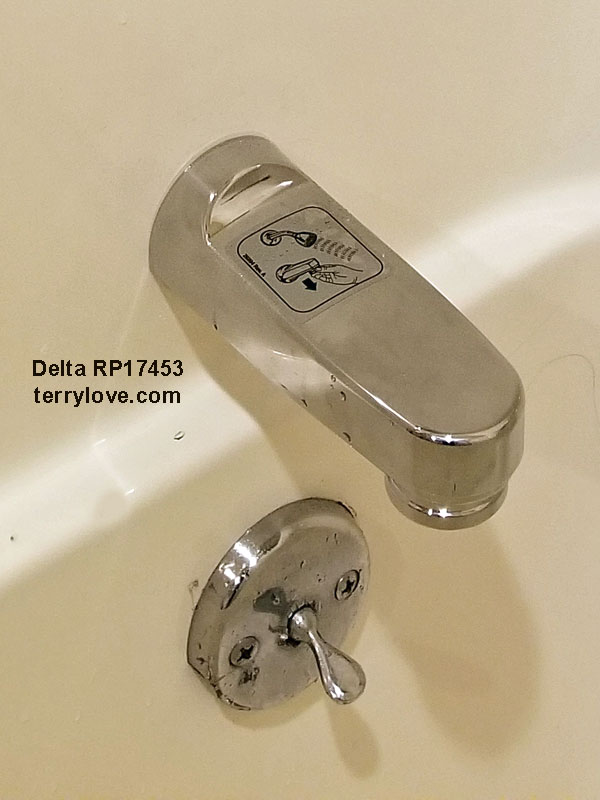
The pull-up diverter is a small knob on top of the tub faucet. Pulling this knob up redirects water to the showerhead. Push it down to let water flow from the tub faucet again. This type is easy to spot and simple to use.
Lever Diverter
The lever diverter looks like a small handle near the tub faucet. Moving the lever up or down changes the water flow. One position sends water to the tub, the other to the shower. Some levers move side to side instead of up and down.
Rotating Diverter
The rotating diverter is a dial or knob on the tub faucet or shower pipe. Turning the knob switches water between the tub and shower. It may have markings or symbols to show each mode. Rotate until you hear or feel the water change.
Credit: terrylove.com
Locate The Diverter Handle
Locating the diverter handle is the first step to control your shower flow. The diverter directs water between the showerhead and the tub spout. Knowing where it is helps you switch water easily.
Diverter handles come in different styles. They can be a lever, knob, or pull-up mechanism. Finding it quickly saves time and effort in your shower routine.
Check Near The Tub Spout
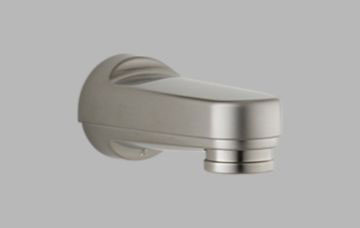
Many diverter handles are on top of the tub spout. Look for a small lever or knob that you can pull up or push down. This handle diverts water from the tub to the showerhead.
Look Around The Faucet Handles
Some showers have the diverter integrated with the faucet handles. It may be a separate lever or a button between hot and cold controls. This style lets you switch water flow easily without moving away from the faucet.
Inspect The Showerhead Area
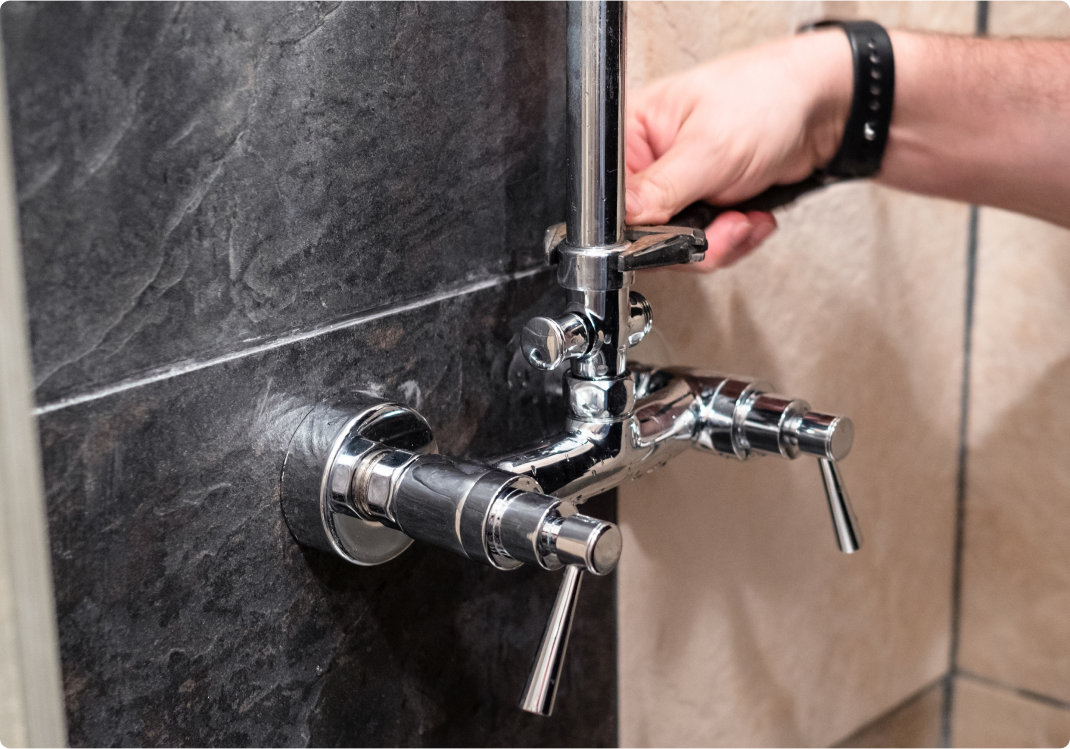
In some setups, the diverter is near the showerhead. This type may be a knob or switch on the shower arm or pipe. Turning or pulling it changes the water direction.
Identify The Style Of Diverter
Recognize if your diverter is a lever, knob, or pull-up type. This helps you understand how to operate it. Levers usually move side to side, knobs twist, and pull-up handles lift or push down.
Turn On Water Supply
Turning on the water supply is the first step to using your shower diverter. Without water flow, the diverter cannot work. This process is simple but important. Follow these steps to ensure water reaches your shower properly.
Check Main Water Valve
Locate your home’s main water valve. It is usually near the water meter or where the main pipe enters your house. Make sure the valve is fully open. Turn it counterclockwise to open if it is closed or partially closed. This action allows water to flow through your pipes to the shower.
Check for any leaks or damage around the valve. Fixing these issues early prevents water problems later. Once the valve is open, test other faucets to confirm water is flowing throughout the house.
Adjust Temperature
After turning on the water supply, adjust the shower temperature. Use the hot and cold handles or a single lever to find a comfortable temperature. Turn the hot water slowly. Add cold water as needed to avoid burns.
Test the water temperature with your hand before using the shower. This step ensures safety and comfort. Proper temperature control helps your shower diverter work well and keeps you safe from sudden hot or cold bursts.
Operate The Diverter
Operating the shower diverter lets you switch water flow between the tub faucet and the showerhead. It controls where the water goes. Knowing how to operate the diverter is key to enjoying your shower experience. Different types of diverters require different actions to turn them on.
Using Pull-up Diverter
The pull-up diverter is usually found on the tub spout. Pull the small knob or lever upward. This stops water from flowing out of the tub faucet. Instead, it directs water to the showerhead. Pull it down to return water to the tub spout. The movement is simple and smooth.
Using Lever Diverter
The lever diverter looks like a small handle. It may be on the tub faucet or wall. Push or pull the lever sideways or up. This action changes the water flow to the showerhead. Return the lever to the original position for tub water. The lever moves easily with little force.
Using Rotating Diverter
Rotating diverters are round knobs or dials. Turn the knob clockwise or counterclockwise. This switches water between the tub and shower. The knob usually clicks or stops at each setting. Turn it back to use the tub faucet again. Rotating diverters are smooth and simple to use.
Troubleshoot Common Issues
Troubleshooting shower diverter issues helps keep your shower working well. Many common problems are easy to fix with simple steps. Understanding these issues saves time and avoids costly repairs.
Diverter Stuck Or Hard To Turn
A stuck diverter often means mineral buildup or corrosion. Try applying a lubricant like WD-40 around the diverter handle. Move the handle gently back and forth to loosen it. Avoid forcing it, as this may cause damage. If the diverter remains stuck, it may need cleaning or replacement.
No Water Flow To Showerhead
No water flow usually means the diverter is not fully engaged. Check if the handle moves correctly to the shower position. Debris inside the diverter can block water flow. Removing and cleaning the diverter can solve this problem. Also, check water pressure to ensure it is not too low.
Leaking Diverter
Leaks often occur due to worn-out washers or seals inside the diverter. Turn off the water supply before fixing leaks. Disassemble the diverter and replace damaged washers or seals. Tighten all parts properly during reassembly. If leaking continues, consider replacing the entire diverter valve.
Credit: www.ahs.com
Maintain Your Shower Diverter
Maintaining your shower diverter helps it work smoothly for a long time. Dirt, soap, and hard water can block its movement. Regular care keeps the diverter clean and prevents leaks. You save money by avoiding costly repairs or replacements. Follow simple steps to keep your shower diverter in good shape.
Regular Cleaning Tips
Start by turning off the water supply. Use a soft cloth to wipe the diverter handle and surrounding areas. Remove mineral buildup with a vinegar solution. Soak a cloth in vinegar and wrap it around the diverter for 15 minutes. Gently scrub with a soft brush afterward. Avoid harsh chemicals that may damage the finish. Rinse with warm water and dry with a clean towel. Clean the diverter every few weeks to keep it working well.
When To Replace The Diverter
Notice if the diverter leaks or sticks despite cleaning. Water may flow only from one outlet instead of switching. The handle might feel loose or hard to turn. These signs suggest the diverter is worn out. Replacement is better than repair in many cases. Choose a new diverter that fits your shower model. Install it carefully or call a professional for help. Timely replacement ensures your shower works properly and saves water.
Frequently Asked Questions
How Do I Turn On A Shower Diverter Valve?
To turn on a shower diverter, locate the diverter handle or knob. Turn or pull it to redirect water from tub faucet to showerhead.
Why Is My Shower Diverter Not Working Properly?
A stuck or faulty diverter often causes water flow issues. Mineral buildup or worn parts usually block the valve.
Can I Fix A Shower Diverter Myself?
Yes, many diverters can be fixed by cleaning or replacing parts. Basic tools and a guide help with simple repairs.
What Types Of Shower Diverters Are There?
Common types include lever, knob, and pull-up diverters. Each type works differently to switch water flow.
How Do I Know If My Diverter Needs Replacement?
If water won’t switch to the shower or leaks, the diverter may be faulty. Frequent problems mean it’s time to replace.
Does Turning On A Shower Diverter Affect Water Pressure?
Turning the diverter can change water pressure slightly. Pressure may drop if the valve or pipes are clogged.
How Often Should I Maintain My Shower Diverter?
Regular cleaning every few months keeps the diverter working well. Removing mineral buildup prevents sticking and leaks.
Conclusion
Turning on the shower diverter is a simple step to control water flow. Just follow the steps carefully and you will switch between shower and tub easily. Regular use keeps the diverter working smoothly. Check for any leaks or blockages to avoid problems.
This small task improves your shower experience every day. Keep your bathroom routine easy and hassle-free. Now, enjoy your shower with just a quick turn of the diverter. Simple, fast, and effective.