
Are you thinking about switching your gas fireplace to burn wood instead? You’re not alone.
Many homeowners wonder if it’s possible to enjoy the cozy crackle and natural warmth of a real wood fire without replacing their entire fireplace setup. The good news is, converting your gas fireplace to wood burning might be easier than you think—but there are important things you need to know first.
Keep reading to find out what’s involved, the benefits, and whether this change is right for your home. Your perfect fireplace could be just a few steps away.
Differences Between Gas And Wood Fireplaces
Gas and wood fireplaces serve the same purpose but work very differently. Understanding these differences is key before converting a gas fireplace to wood burning. Each type has unique features in design, ventilation, and safety that affect how they function and what changes are needed.
Design And Structure Variations
Gas fireplaces often have sealed glass fronts and metal fireboxes. They are designed to burn gas efficiently and control flames. Wood fireplaces have open hearths and firebrick linings. These materials protect the structure from high heat and sparks. Wood fireplaces are usually larger to hold logs and allow air flow. Gas units do not need this extra space since gas burns cleaner and hotter.
Ventilation And Chimney Requirements
Wood fireplaces require a full chimney to vent smoke outside. The chimney must be tall and properly lined to prevent creosote buildup. Gas fireplaces can use direct vent systems, which take air from outside and expel exhaust directly. This system reduces heat loss and improves safety. Converting a gas fireplace to wood means installing a suitable chimney or upgrading the existing one to handle wood smoke.
Safety Considerations
Wood fires produce sparks and ash. This creates a higher fire risk near the hearth and chimney. Wood smoke also contains more pollutants. Proper chimney cleaning and maintenance are critical. Gas fireplaces burn cleaner with less risk of sparks or creosote. Conversion requires new safety measures like spark guards and regular inspections to keep the home safe.

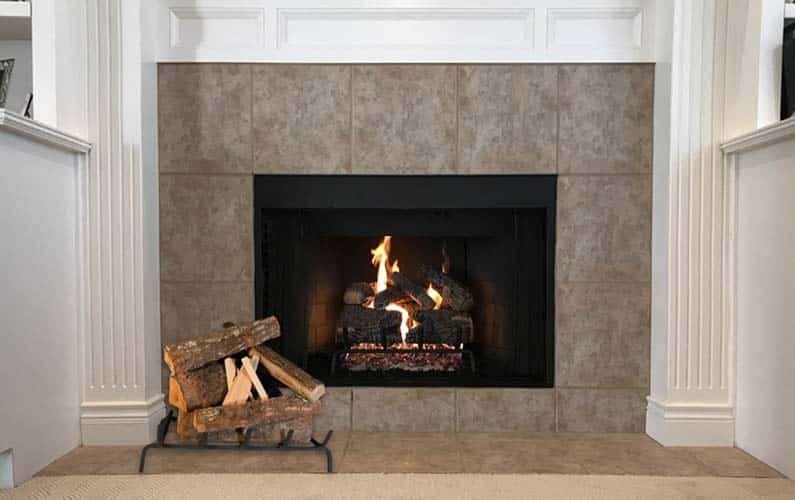
Credit: www.angi.com
Feasibility Of Converting Gas To Wood
Changing a gas fireplace to burn wood is possible but not always simple. It depends on your current fireplace setup and the work needed to meet safety rules. Understanding what you have and what must be done is key before starting this project.
Assessing Existing Fireplace Components
Gas fireplaces have parts made only for gas use. You need to check the firebox size and material. Wood fires need a firebox that can hold real flames and heat. The chimney should be strong and clear to handle smoke and sparks from wood burning. Gas pipes and valves must be removed safely. Some gas fireplaces have a direct vent system that won’t work with wood.
Common Conversion Challenges
Changing a gas fireplace to wood can bring many problems. The chimney might need a liner to protect it from wood smoke. Airflow and ventilation must be improved. Wood fires create more ash and soot, so cleaning becomes more frequent. Safety screens or doors may need to be installed to stop sparks. Local building codes might require permits and inspections before you start.
Cost Implications
Costs can rise fast during conversion. Removing gas parts and installing a new firebox costs money. Chimney work and adding a liner add to the price. Labor for skilled workers is needed for a safe setup. You may also pay for permits and inspections. Compare costs to buying a new wood fireplace before deciding.
Steps To Convert A Gas Fireplace To Wood
Converting a gas fireplace to wood burning involves several clear steps. Each stage ensures safety and proper function. The process requires careful removal and installation tasks. Follow these steps to make the switch effectively.
Shutting Off Gas Supply
Start by turning off the gas supply to the fireplace. Locate the gas valve near the fireplace or outside. Turn the valve clockwise to close it. This step prevents gas leaks and ensures safety during conversion. Double-check that the gas is fully off before proceeding.
Removing Gas Components
Next, remove the gas logs, pipes, and burners inside the fireplace. Use tools to detach all gas fittings carefully. Keep the area clean from gas debris and parts. Removing these components clears space for the wood-burning setup. Dispose of the gas parts according to local regulations.
Installing Wood-burning Elements
Install a fire grate or wood-burning insert suitable for your fireplace. Place fire bricks or heat-resistant materials inside for protection. Add a metal screen or glass doors for safety. Check that all elements fit well and support wood fires. Proper installation improves heat and reduces risk.
Chimney Inspection And Preparation
Inspect the chimney for blockages, cracks, or damage. Clean the chimney to remove soot and creosote buildup. Install a chimney liner if needed to protect from heat and corrosion. Ensure the chimney cap is secure to keep out debris and animals. A well-prepared chimney is vital for wood fire safety.
Legal And Regulatory Factors
Changing a gas fireplace to wood burning involves more than just swapping fuel. Legal and regulatory rules play a big role. These rules keep homes safe and protect the environment. Knowing these laws helps avoid fines and problems later.
Building Codes And Permits
Local building codes set rules for fireplaces. They control size, placement, and materials. Most places need a permit before making changes. The permit process checks your plan for safety. Inspections may be required during and after work. Following codes reduces fire risks and ensures proper ventilation.
Environmental Regulations
Wood burning releases smoke and particles. These affect air quality and health. Some areas limit wood burning to reduce pollution. There can be rules about what wood you use. Check local air quality laws before switching. You may need special equipment to reduce smoke.
Insurance Considerations
Changing your fireplace impacts home insurance. Some policies require notification of changes. Insurers may raise rates or refuse coverage if rules are ignored. A wood-burning fireplace must meet safety standards. Keep all permits and inspections for insurance records. Clear communication with your insurance company is important.
Maintenance After Conversion
After converting a gas fireplace to wood burning, proper maintenance is vital. It keeps the fireplace safe and working well. Wood fires create more ash and soot than gas. This means more cleaning and care is needed. Regular checks and cleaning help avoid problems like smoke damage or fire hazards.
Cleaning And Upkeep
Remove ashes after every use. Let the ashes cool fully first. Clean the firebox and chimney often to stop creosote build-up. Creosote is a sticky substance that can start fires. Use a chimney brush or hire a professional for deep cleaning. Check the fireplace for cracks or damage regularly. Repair any issues quickly to keep the fireplace safe.
Fire Safety Tips
Always use a fireplace screen to catch sparks. Store firewood away from the fireplace to reduce fire risk. Keep flammable items like curtains and furniture far from the fire. Install smoke and carbon monoxide detectors near the fireplace. Never leave a fire unattended, especially with children or pets around. Clear the area of any debris before lighting a fire.
Extending Fireplace Lifespan
Use dry, seasoned wood only. Wet wood causes more creosote and smoke. Inspect the chimney cap and damper to ensure they work well. Close the damper when the fire is out to prevent heat loss. Schedule yearly inspections by a chimney professional. Proper care keeps the fireplace safe and extends its life.
Credit: fullservicechimney.com
Alternatives To Conversion
Converting a gas fireplace to wood burning may not suit every home or budget. Many homeowners seek simpler, safer options. These alternatives offer warmth and ambiance without major changes.
Choosing a different heating solution can save time and effort. They also keep the look and feel of your living space.
Installing A Wood Stove
A wood stove can add a traditional touch and strong heat. It needs a proper chimney or vent for smoke. Wood stoves come in many sizes and styles. They can be placed in different rooms or areas. Installation requires professional help to meet safety rules.
Using Electric Or Hybrid Fireplaces
Electric fireplaces provide heat and realistic flames without gas or wood. They are easy to install and use. Hybrid fireplaces combine electric heat with a gas option. These models offer flexibility and control. Both types need less cleaning and maintenance than wood fireplaces.
Maintaining The Gas Fireplace
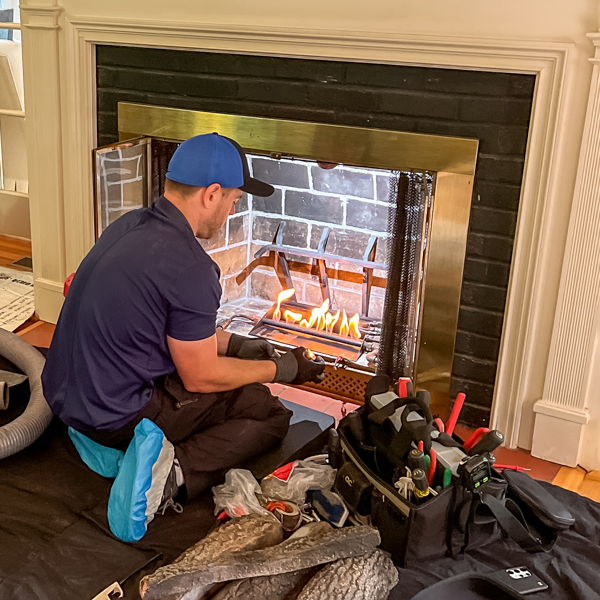
Keeping your gas fireplace in good shape ensures safety and efficiency. Regular cleaning and inspection prevent problems. Check the pilot light and gas lines often. Replace parts that wear out over time. Proper maintenance extends the life of your fireplace.
Credit: www.bethesdachimney.com
Frequently Asked Questions
Can A Gas Fireplace Be Converted To Wood Burning?
Yes, a gas fireplace can be converted to wood burning, but it requires professional work. This involves changing the firebox, chimney, and venting systems for safety and efficiency.
What Are The Costs To Convert A Gas Fireplace To Wood?
Conversion costs vary widely, often between $1,500 and $5,000. Expenses depend on chimney modifications, firebox replacement, and labor charges.
Is It Safe To Convert Gas Fireplaces To Burn Wood?
Safety depends on proper installation and inspection. A certified professional must ensure the chimney and firebox meet wood-burning standards.
How Long Does It Take To Convert A Gas Fireplace?
A typical conversion can take one to three days. Time depends on the fireplace’s current setup and the extent of work needed.
Will Converting Affect Home Insurance Or Value?
Yes, changing your fireplace type can impact insurance and home value. Notify your insurer and check local building codes before conversion.
Conclusion
Converting a gas fireplace to wood burning takes careful planning and work. You must check local rules before making changes. A professional can help with safety and proper installation. Wood fireplaces give a cozy, natural feel that many enjoy. But they need more cleaning and care than gas ones.
Think about what fits your home and lifestyle best. Choose the option that keeps your space safe and warm. The right choice makes winter more comfortable and enjoyable.