
Are you tired of feeling chilly even when your gas fireplace is on? You want to enjoy that cozy warmth, but somehow the heat just doesn’t seem enough.
What if you could get more heat from your gas fireplace without spending a fortune or doing complicated work? You’ll discover simple, practical tips that make your fireplace work harder for you. Keep reading, and learn how to turn your gas fireplace into a powerful source of comfort for your home.

Credit: www.youtube.com
Maximize Fireplace Efficiency
Maximizing the efficiency of your gas fireplace helps you get more heat with less fuel. This saves money and keeps your room cozy. Simple steps can improve how well your fireplace warms your space. Focus on sealing leaks, controlling temperature, and adjusting gas flow. These changes boost heat output and reduce waste.
Seal Air Leaks Around Fireplace
Air leaks let warm air escape and cold air enter. Check around the fireplace for gaps or cracks. Use heat-resistant caulk or weatherstripping to seal these leaks. This keeps more heat inside your room. Sealing leaks also stops drafts and improves safety.
Use A Fireplace Thermostat
A thermostat controls the fireplace temperature automatically. Set it to your comfort level. The fireplace adjusts the flame to keep the room steady. This avoids overheating and saves gas. Thermostats help maintain a warm and cozy space all day.
Optimize Gas Flow Settings
Proper gas flow makes the flame burn efficiently. Check your fireplace manual for recommended settings. Adjust the flow to get a steady, blue flame with no soot. Too much gas wastes fuel and creates smoke. A balanced flame gives the most heat and clean burn.
Improve Heat Distribution
Improving heat distribution helps your gas fireplace warm the room better. Heat often stays near the fireplace, leaving other areas cold. Moving warm air around makes the whole space more comfortable.
Install A Fireplace Blower
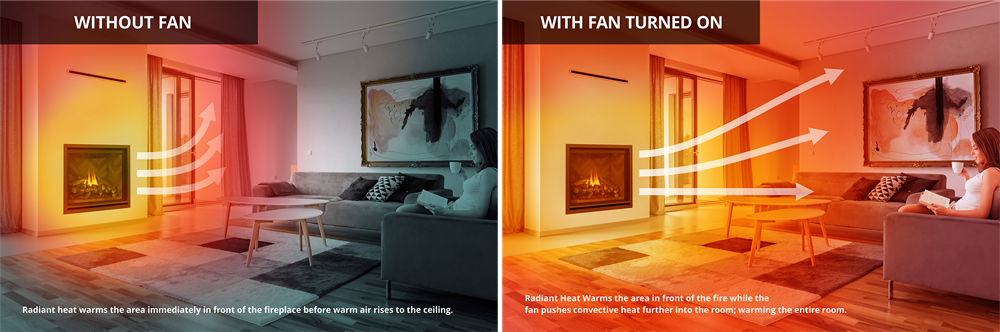
A fireplace blower pushes warm air into the room. It draws cool air from the floor and blows heated air out. This spreads heat faster and farther. Many blowers are easy to install and use little power.
Use Ceiling Fans To Circulate Warm Air
Ceiling fans can move warm air from the ceiling down to the floor. Set the fan to run clockwise at low speed. This pulls warm air down without cooling the room. It helps balance the room temperature.
Place Reflective Panels Behind Fireplace
Reflective panels push heat back into the room. They stop heat from escaping through the wall. Panels made of metal or foil work well. Install them behind the fireplace for better warmth.
Maintain Your Gas Fireplace
Maintaining your gas fireplace keeps it working well and safe. Regular care helps it produce more heat and last longer. Small tasks done often can prevent big problems later.
Clean Burner And Logs Regularly
Dirt and dust can block the burner and logs. This stops the flame from burning fully. Clean the burner and logs with a soft brush or cloth. Do this every few months to keep flames bright and warm.
Inspect And Replace Damaged Parts
Check for cracks or wear in the logs and burner parts. Damaged pieces can reduce heat and cause safety risks. Replace any broken parts quickly. Use parts made for your fireplace model.
Schedule Annual Professional Maintenance
Have a professional check your fireplace once a year. They clean hard-to-reach parts and test safety features. Professionals find hidden issues before they grow. This keeps your fireplace safe and efficient all winter.
Credit: fireplaceexperts.com
Upgrade Fireplace Components
Upgrading your gas fireplace parts can help you get more heat. Small changes to the components make a big difference in warmth and efficiency. These upgrades improve how the fireplace burns fuel and spreads heat in your room. Choose the right upgrade to suit your needs and budget.
Switch To High-efficiency Logs
High-efficiency logs burn cleaner and hotter than standard logs. They use less gas and produce more heat. These logs create a better flame pattern that spreads warmth evenly. Installing them is simple and does not need major changes to your fireplace. They also look natural, giving your room a cozy feel.
Install A Direct Vent System
A direct vent system brings fresh air from outside for burning fuel. This increases the fireplace’s efficiency and reduces heat loss. It also stops warm indoor air from escaping through the chimney. The system vents gases outside safely. This upgrade improves heating and indoor air quality.
Consider A Fireplace Insert
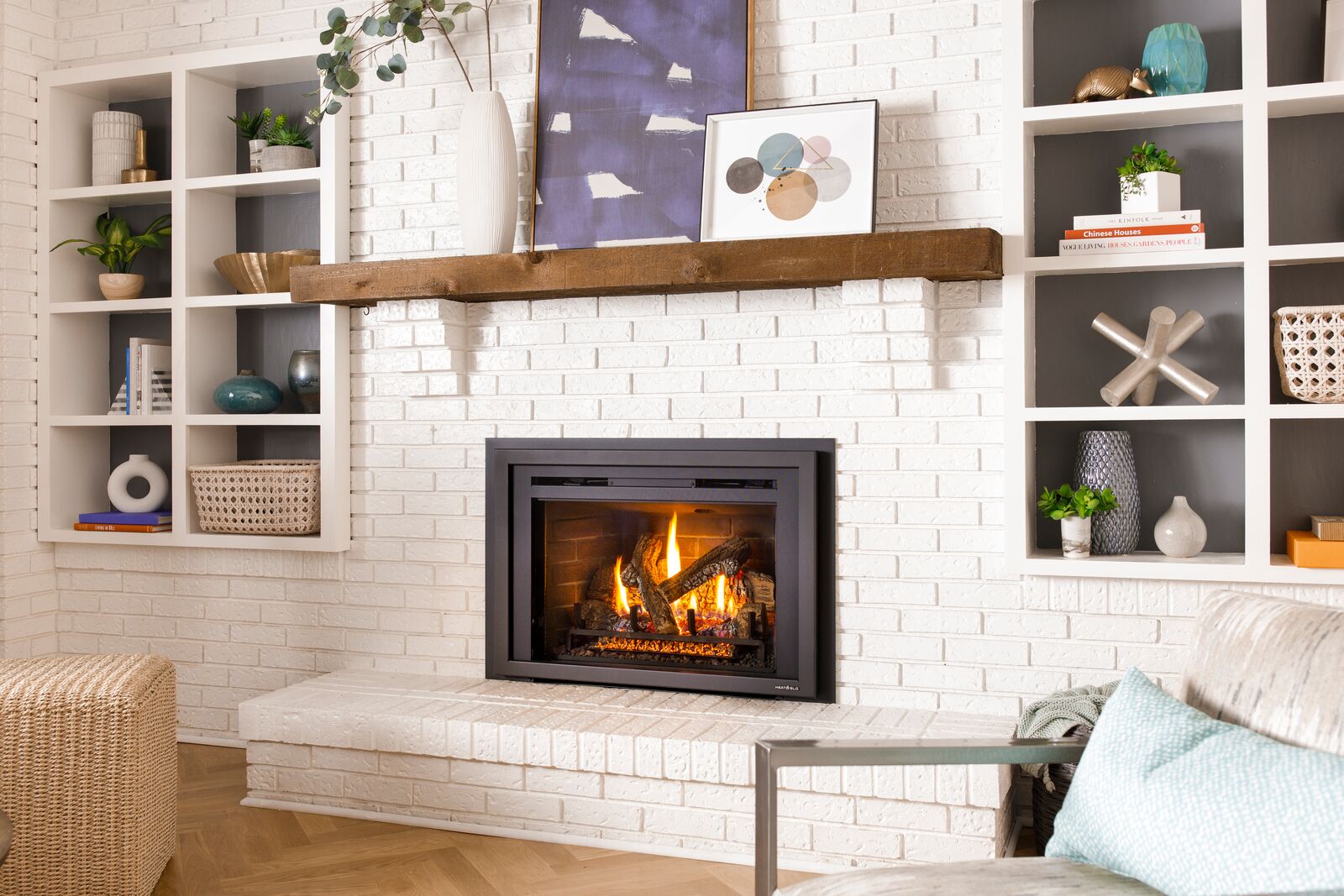
A fireplace insert fits inside your existing fireplace opening. It converts an open fireplace into a closed heating unit. Inserts have glass doors that keep heat in and cold air out. They use gas more efficiently and produce more heat. Installing an insert can transform your fireplace into a powerful heat source.
Enhance Room Heat Retention
Keeping heat inside your room helps your gas fireplace work better. Heat escapes through walls, ceilings, and windows. You can stop this by making the room hold warmth longer. This means the fireplace does not need to work as hard. The result is a cozy room and less fuel used.
Add Insulation To Walls And Ceilings
Insulation blocks heat from leaving your room. It works like a blanket around your walls and ceiling. Adding insulation keeps warm air inside during cold days. It also stops cold air from coming in. Check your walls and ceiling for weak spots. Filling these with insulation makes a big difference in heat retention.
Use Thermal Curtains On Windows
Windows lose a lot of heat. Thin curtains do little to stop this. Thermal curtains have thick fabric that traps heat. Close them at night or on cold days. This keeps warm air from slipping out. Thermal curtains also block cold drafts. They make your room warmer without extra heat from the fireplace.
Close Doors To Unused Rooms
Heat spreads out if doors are open. Closing doors to rooms you do not use keeps heat where you want it. This concentrates warmth in the main living area. The fireplace heats fewer spaces, so the room stays warmer. It also saves energy by not heating empty rooms.
Credit: www.regency-fire.com
Frequently Asked Questions
How Can I Increase Heat From My Gas Fireplace?
Adjust the thermostat to a higher setting and ensure the fireplace is clean. Regular maintenance improves heat output and efficiency.
Does Adding A Fireplace Blower Improve Heat Distribution?
Yes, a blower pushes warm air into the room, spreading heat evenly. It helps warm larger spaces faster.
What Role Does Fireplace Glass Play In Heat Output?
Clean, clear glass lets more heat escape into the room. Dirty glass blocks heat and reduces warmth.
Can Sealing Gaps Improve Gas Fireplace Heating Efficiency?
Sealing gaps around the fireplace stops warm air from escaping. This keeps the room warmer and saves energy.
Should I Use A Fireplace Fan With My Gas Fireplace?
A fan helps circulate warm air throughout the room. It prevents heat from staying near the fireplace only.
Conclusion
Getting more heat from your gas fireplace is simple and effective. Keep the vents clean and clear for better airflow. Use a fireplace fan to spread warmth evenly. Adjust the flame height to save fuel and increase heat. Seal any gaps around the fireplace to stop heat loss.
Regular maintenance keeps your fireplace working well. These small steps can make your room warmer and cozier. Enjoy a comfortable space without extra energy costs. Your gas fireplace can be a great heat source with little effort.