
The primary products of gas combustion are carbon dioxide and water vapor, which form when a hydrocarbon fuel reacts with oxygen. In an ideal environment, these are the only two substances created during the chemical reaction. However, real-world conditions often lead to the production of other materials depending on the fuel purity and the amount of oxygen available. Knowing the products of gas combustion helps in managing household safety and appliance efficiency.
Common combustion products at a glance
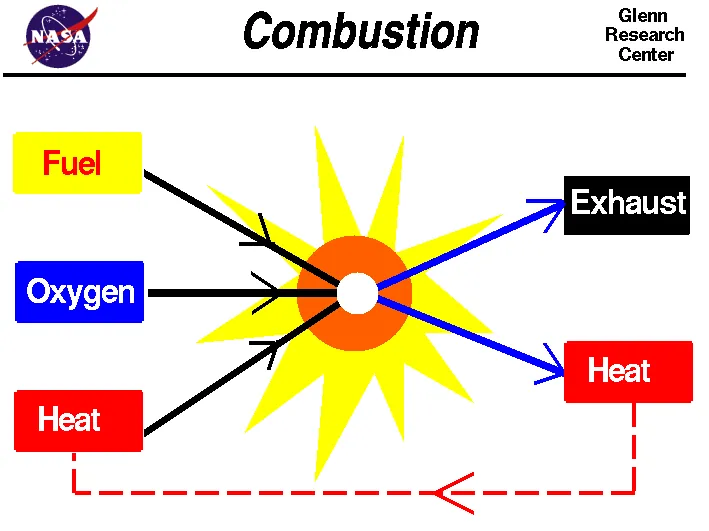
When you burn natural gas or propane, the chemical process releases heat along with several specific outputs. The following table identifies these substances based on typical residential heating and cooking scenarios.
| Substance | Primary Role | Common Example |
|---|---|---|
| Carbon dioxide | Standard output | Exhaust gas |
| Water vapor | Standard output | Humidity in air |
| Nitrogen oxides | Heat byproduct | High-temperature flame |
| Carbon monoxide | Incomplete combustion | Faulty burner vent |
| Particulate matter | Fuel impurities | Soot on surfaces |
Carbon dioxide and water vapor
Carbon dioxide and water vapor are the main outcomes of burning methane, which is the primary component of natural gas. When the fuel burns cleanly, the chemical bonds break apart and rearrange to form these two stable compounds. This process releases energy in the form of heat, which is why your furnace or stove feels warm to the touch.
- Carbon dioxide is a colorless gas that dissipates into the atmosphere.
- Water vapor appears as invisible gas or occasionally as condensation on cold surfaces.
- The reaction remains clean as long as there’s enough oxygen to complete the cycle.
If you observe excessive moisture on your windows during winter, it’s often a sign of high water vapor levels from your heating system. You can verify the performance of your gas appliances by checking the flame color; a steady blue flame typically indicates that the fuel is burning efficiently and producing mostly these two harmless products.
Carbon monoxide risks
Carbon monoxide is a dangerous gas produced when there isn’t enough oxygen available to fully burn the fuel. This happens when burners are dirty, vents are blocked, or the appliance isn’t getting enough fresh air from the room. Because you can’t see or smell this gas, it poses a significant health risk to everyone in your home.
- Incomplete combustion prevents the fuel from turning into carbon dioxide.
- The resulting gas binds to hemoglobin in your blood, preventing oxygen delivery.
- Proper ventilation is the only way to ensure this byproduct doesn’t accumulate indoors.
If your appliance produces a yellow or orange flame instead of a blue one, the fuel isn’t burning correctly. You should immediately turn off the device and contact a professional technician to inspect the burner and venting system.
Never attempt to clean or repair gas lines yourself, as this can lead to leaks or fire hazards. The Environmental Protection Agency indoor air quality guidelines provide specific details on how to identify and prevent dangerous levels of this gas in your home.
Nitrogen oxides and impurities
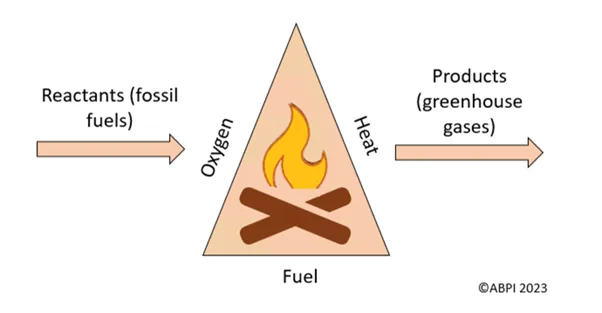
Nitrogen oxides form when the air itself gets very hot near the flame, causing nitrogen and oxygen to react. This usually happens in high-heat environments like industrial boilers or very large commercial water heaters. While these are common in most combustion processes, they’re usually present in very small amounts that don’t impact daily home safety.
- High temperatures are required to force nitrogen to bond with oxygen.
- These compounds can contribute to poor indoor air quality if the room lacks ventilation.
- Fuel impurities, like sulfur, may also create small amounts of other acidic gases.
If you’re using a standard residential stove or furnace, these amounts are usually negligible. However, if you have a sensitive respiratory condition, you should always run your kitchen range hood while cooking to remove any combustion byproducts from the room. This simple step keeps the air circulating and prevents the buildup of any trace gases.
Trace materials and soot
Particulate matter or soot can accumulate when the combustion process is disrupted by cold surfaces or poor fuel quality. This appears as a fine black powder or dust around the edges of a burner or on the bottom of cooking pots. If you see this buildup, it’s a clear sign that the appliance isn’t burning the fuel effectively.
- Soot is essentially unburned carbon that has cooled down too quickly.
- It collects on surfaces that interrupt the flame before it finishes burning.
- Regular cleaning of burner ports prevents this buildup from blocking the flow.
If you find soot, check for obstructions in the burner holes or debris near the intake. A clean burner will always produce a consistent, quiet flame. If the soot continues to return after cleaning, the fuel-to-air ratio is likely incorrect. This is a sign that the internal settings of the appliance need an adjustment by a qualified service person.
Remaining combustion outputs
- Sulfur dioxide: This forms if there are sulfur compounds present in the fuel, which is rare in residential natural gas but possible in some industrial propane mixtures.
- Unburned hydrocarbons: These are small amounts of fuel that escape the flame without reacting, often caused by a burner that’s too cold or has a faulty ignition.
- Thermal radiation: While not a physical material, the intense heat itself is a major product of the reaction that we capture for warming our homes.
Choosing between combustion systems
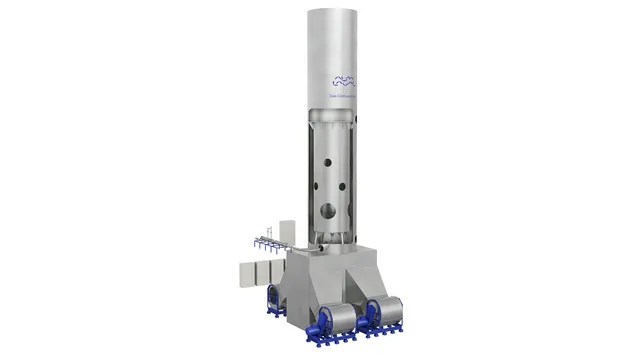
The type of combustion you experience depends on the age and maintenance level of your appliances. If you have a modern, high-efficiency furnace, it will have a sealed combustion chamber that pulls air from outside, which significantly reduces the chance of indoor byproduct buildup. If you’re using an older, naturally aspirated unit, you must ensure the draft hood is clear and the flue is venting properly to the outdoors.
If you’re trying to minimize combustion products in your living space, choose electric induction for cooking and heat pumps for climate control. These systems don’t involve combustion at all, meaning they produce zero carbon monoxide or nitrogen oxides inside your home. If you must use gas, prioritize units with clear Energy Star ratings, as these are designed to burn cleaner and require less frequent maintenance to stay within safe output limits.
Frequently asked questions
Does a yellow flame mean the gas is toxic?
A yellow flame indicates incomplete combustion, which often produces higher levels of carbon monoxide. While the flame itself isn’t toxic, it’s a visual warning that the appliance isn’t burning fuel safely. You should stop using the unit immediately and have a professional inspect the burner and venting system.
How often should I check for combustion byproducts?
You should visually inspect your gas burner flames periodically to ensure they remain blue, though you should consult your owner’s manual for specific maintenance guidance based on your usage. If you have gas appliances, you must have a working carbon monoxide detector on every level of your home. Test these detectors regularly to ensure they’re functioning correctly and replace the batteries as recommended by the manufacturer.
Is water vapor from gas combustion harmful?
Water vapor isn’t inherently harmful, but it can cause issues if it accumulates in your home. Excess moisture leads to mold growth on walls and ceilings if the room isn’t properly ventilated. If you notice condensation on your windows, use a dehumidifier or improve the airflow in that specific room.
Why does my gas stove smell like gas?
A faint smell of gas when the burner first turns on is sometimes normal, but a lingering smell indicates a leak. If you smell gas at any time, leave the area immediately and don’t touch any light switches or electronics. Call your gas provider or local emergency services from outside the home to report the leak.
Can I clean my own gas burners?
You can safely clean the surface of gas burner ports with a soft brush or a needle to remove food debris. Never use water or liquid cleaners on the internal parts of the burner, as this can damage the ignition system or cause rust. If the burner still doesn’t light or burn blue, call a professional.
What causes soot on my pots?
Soot on the bottom of your pots is caused by incomplete combustion, usually due to a dirty burner or a blocked air intake. When the flame is choked by debris, it can’t burn all the fuel, leaving behind carbon deposits. Cleaning the burner ports and ensuring the air intake is free of dust will fix this.
Conclusion
Start by checking the color of your flames on all gas appliances today. A steady blue flame is the sign of a healthy, efficient system, while a yellow or orange flame indicates that you need to call a professional for a cleaning. If you ever hear a hissing sound or smell gas, leave the building immediately and get help from your utility provider.
