
Most endless pool complaints come from poor water chemistry, pump noise, or jet alignment issues that the owner didn’t set up correctly. These problems usually happen when the system runs without regular checks or professional help. This guide covers how to spot these common faults, fix them yourself safely, and know when to call a pro. You’ll learn the exact settings for your pump, the right chemicals to use, and why some models fail faster than others.
Why endless pools generate complaints
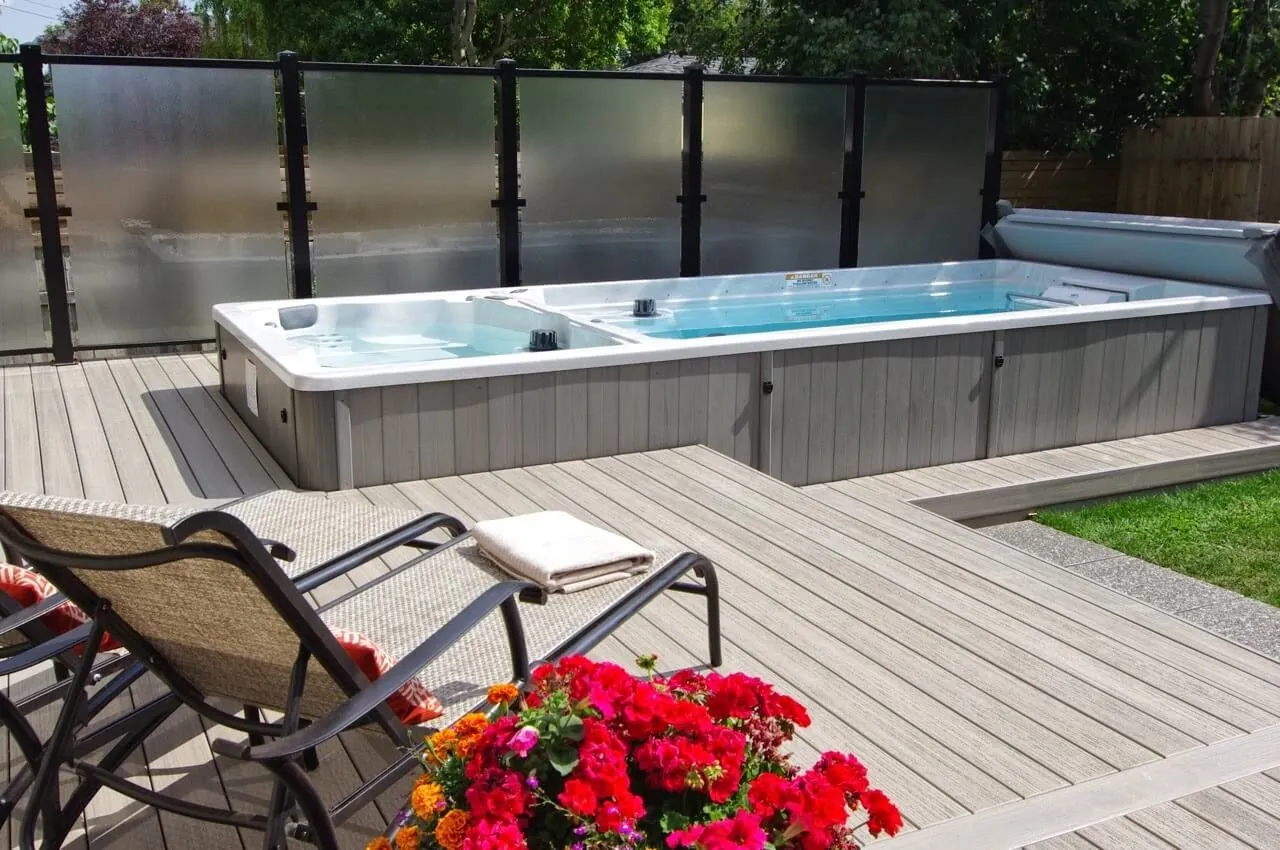
An endless pool is a compact swimming machine with a powerful current that lets you swim in place. It’s used by athletes for training and by families who want exercise at home without a long lane. The one big mistake people make is treating it like a normal hot tub. They add too many chemicals or ignore the flow rate, which breaks the seals and hurts the motor.
The current works by pushing water through a nozzle at high speed, so if the filter gets clogged, the pressure builds up and the pump fails. A standard spa filter might handle 40 gallons per minute, but an endless pool often requires 150 to maintain resistance. Using the wrong filter restricts flow and can cause cavitation that damages the impeller within weeks. If your water feels sluggish before the pump even starts humming, the intake is likely starved.
You must check the manufacturer’s manual for your specific model to see what filters and pumps are approved. Generic replacements often lack the necessary micron rating to catch fine debris generated by constant high-speed circulation. This debris acts like sandpaper on the jet housing, causing premature wear that no warranty covers. If you skip this step, you risk voiding your warranty on parts that cost thousands to replace.
When the current suddenly drops while the motor runs loud, don’t add more chlorine; clean the skimmer basket immediately. Running the heater with restricted flow causes it to overheat and can damage the heating element or trigger safety shutdowns.
If the water temperature fluctuates wildly during use, the flow sensor is likely detecting low volume and shutting down the heater to prevent burnout. Always match the replacement part number exactly, as a millimeter difference in the seal diameter can cause a catastrophic leak under pressure.
How to fix the most common problems
- Check the water level first, as low water makes the pump suck air and overheat; fill it until the skimmer basket is half full before turning the unit on.
- Clean the main filter every two weeks by rinsing it with a hose, but soak it in a specialized cleaner once a month to remove oils that water alone can’t wash away.
- Test the pH balance daily using test strips, keeping the number between 7.4 and 7.6, because water outside this range eats away at metal parts and skin.
- Adjust the jet angle so the stream hits your chest directly, which reduces strain on your shoulders and keeps the water moving smoothly through the tank. Clean the main filter by rinsing it with a hose, and soak it in a specialized cleaner to remove oils that water alone can’t wash away; how often you do this depends on use, and the owner’s manual is the authority.
- Run the circulation pump for at least four hours a day to keep the water clean, even if you don’t swim every single day.
- Drain and refill the entire tank every three to four months to stop salt buildup and keep the water fresh for your next swim.
The single judgement call that separates a working pool from a broken one is knowing when to stop DIY fixes. If the pump makes a grinding noise after you have cleaned the filter and checked the water level, the bearings are likely worn out. This part needs a licensed technician to replace, as opening the motor casing can be dangerous and will void your warranty if done wrong.
Key numbers and settings at a glance
| Situation | What to use | How long | What to watch for |
|---|---|---|---|
| Daily maintenance | Test strips | 1 minute per test | pH below 7.0 or above 7.8 |
| Filter cleaning | Garden hose | 5 minutes | Dirty water running off the filter |
| Deep filter soak | Filter cleaner solution | 1 hour | Discolored or slimy filter media |
| Water replacement | Fresh tap water | 4-6 hours total | Cloudy water or strong chlorine smell |
| Pump run time | Circulation mode | 4 hours minimum | Unusual vibration or loud humming |
| Shock treatment | Calcium hypochlorite | Overnight (8+ hours) | Green tint or algae growth |
| Winterizing | Freeze protection fluid | 2 hours application | Ice forming inside the plumbing lines |
Check the expiration date on the test strip bottle and replace them when expired, as old reagents can produce inaccurate readings. Dip the strip according to the manufacturer’s instructions and read the results at the specified time under good lighting.
Hose filters from bottom to top only to prevent driving debris deeper into pleats. If brown water persists past five minutes, the cartridge has reached end of life and needs replacement rather than another rinse cycle.
Soak filters in dedicated cleaner only when pressure gauge reads ten psi above clean baseline. General degreasers strip protective coatings from polyester media, permanently reducing flow capacity and forcing earlier equipment replacement.
Drain completely before refilling to prevent diluting fresh sanitizer with old chemistry. Fill through a pre-filter attached to the hose to remove heavy metals that cause staining and cloudiness within days of changing water.
Run pumps four hours daily minimum, but increase to eight during heat waves or heavy bather loads. Insufficient turnover allows dead zones where bacteria colonize despite adequate chemical levels showing on test strips.
Dissolve calcium hypochlorite in a bucket first to prevent bleaching vinyl liners. Never shock with trichlor if cyanuric acid exceeds fifty ppm, as accumulated stabilizer renders additional chlorine ineffective against algae blooms.
Circulate freeze protection fluid until it exits every jet and drain point. Verify antifreeze concentration with a refractometer rather than guessing, since inadequate protection bursts pipes during the first hard freeze while you’re away.
Details pros get right that beginners miss
Experienced owners prepare their pools before they ever turn the power on. They measure the room temperature and ensure the area is well-ventilated so the heat doesn’t build up around the cabinet. Beginners often forget that the heater works best when the air around it’s cool, so they install units in small, closed rooms where the system struggles to reach the target temperature.
The order of operations matters just as much as the chemicals used. Pros always balance the alkalinity before adjusting the pH, because changing one affects the other. If you jump straight to pH adjustment without fixing the alkalinity first, you’ll end up adding more chemicals than needed, which creates a cycle of constant testing and correcting. This wastes money and can irritate your eyes and skin during a swim.
What they check partway through the season is the condition of the O-rings on the jet nozzles. These small rubber rings dry out and crack over time, causing water to leak into the electrical box. A quick visual inspection every month saves you from a costly repair bill later. They also leave the cover latches alone unless they’re loose, as overtightening them can warp the frame and let rainwater seep in.
Common problems and quick fixes
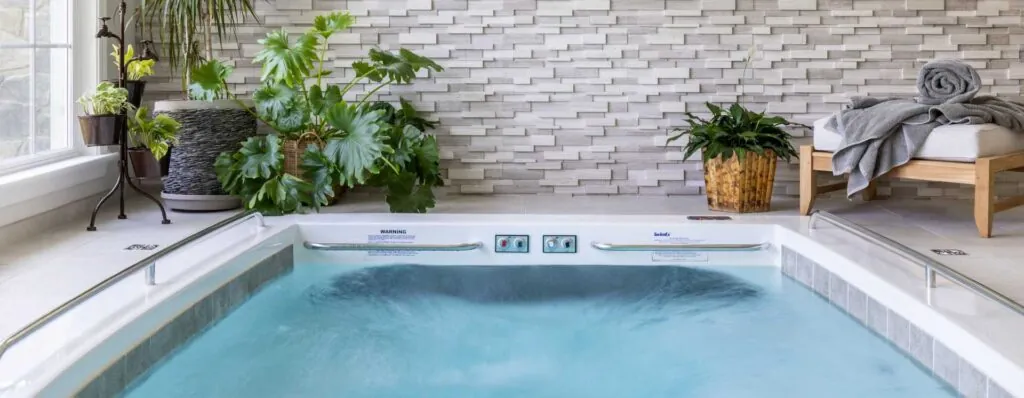
| What you notice | What it usually means | What to do first |
|---|---|---|
| Loud grinding noise | Pump bearing failure or debris | Turn off power and check for stones in the intake. If the sound persists after clearing debris, the bearings are likely shot. Replacing a seized bearing costs less than a new motor, but waiting too long can warp the impeller shaft. |
| Weak current | Clogged filter or low water level | Clean the filter and raise the water line. Check your pressure gauge; if it reads 10 psi above normal, the filter is blocked. If the gauge is normal but flow is weak, inspect the skimmer basket for hair clogs that restrict suction before the pump even starts. |
| Cloudy water | High pH or dirty filter | Balance the pH and backwash the filter. Don’t add more chlorine immediately, as high pH neutralizes it. Test the water first; if alkalinity is over 120 ppm, lower it with acid before shocking, or the sanitizer will vanish without clearing the haze. |
| Leaking under the unit | Cracked O-ring or loose pipe | Tighten fittings and inspect seals for cracks. A slow drip often comes from a dry O-ring rather than a crack. Lubricate the seal with silicone grease before tightening; overtightening plastic unions will snap them, turning a simple fix into a full replacement job. |
| Heater won’t start | Low water flow or safety lockout | Ensure the filter is clean and the water level is high. Wait ten minutes for the reset button to cool down before pressing it, or you risk damaging the heating element again. |
| Smelly water | Bacteria growth or low sanitizer | Shock the water and increase chlorine levels. If the smell returns within two days, test for cyanuric acid levels. If stabilizer exceeds 50 ppm, it locks up the chlorine, requiring you to drain and refill part of the pool to restore sanitation power. |
Rules that matter for safety
The Consumer Product Safety Commission (CPSC) sets strict rules for all swimming equipment in the US. Their guidelines state that any pool with a depth greater than 18 inches must have a barrier or cover to prevent accidental drowning. This applies to endless pools just as much as traditional backyard pools. You must also follow local building codes regarding electrical connections, as improper wiring can cause fires or electrocution.
The National Electrical Code requires Ground Fault Circuit Interrupter (GFCI) protection for pool and spa electrical circuits to protect against shock. This device cuts power instantly if it detects a leak, protecting you from shock. Never try to bypass this safety feature or plug the unit into an extension cord, as this violates safety standards and puts your family at risk.
Any repair involving the pump motor, heater element, or control board requires a licensed electrician or certified pool technician. Opening these components carries a real risk of injury and will void your warranty if not done by a professional. Always check with your local authority having jurisdiction before making structural changes to your setup.
Keeping it running year-round
Once the job is done, you need to maintain the system to avoid future headaches. Keep a log of your chemical tests and filter cleanings so you can spot trends before they become problems.
Most manufacturers recommend draining and refilling the water every three to four months. This depends on how often you swim and how many people use the pool. A tub used daily by four people needs fresh water closer to the three-month mark. Two people soaking twice a week can safely wait four.
Store extra chemicals in a cool, dry place away from direct sunlight to keep them effective. Never stack chlorine tablets directly above liquid acid containers. If the packaging fails, the resulting reaction produces toxic gas.
If you live in a cold climate, you must winterize the pool properly to prevent pipes from freezing and bursting. Use antifreeze designed specifically for pools and blow out all lines with an air compressor before covering the unit.
People often make the mistake of using automotive antifreeze because it’s cheaper at the auto parts store. It contains ethylene glycol, which is highly toxic and nearly impossible to flush completely from porous plumbing.
Check the cover latches and straps every month to ensure they hold tight against wind and rain. A loose cover lets debris fall in, which clogs the filter and forces the pump to work harder.
When spring comes, inspect the seals and gaskets for cracks caused by the cold before you turn the system back on. Replace any rubber O-rings that feel stiff or show visible flattening where they seat against the housing.
When to choose a different option

This approach isn’t right for everyone, especially if you have very limited space or a tight budget. Endless pools require a dedicated room with good ventilation and a strong electrical supply. Many older homes can’t provide this without expensive upgrades.
The current inside the swim channel needs clearance on all sides to function safely. You must leave at least two feet of open space around the entire unit for maintenance access. Placing it flush against a wall traps moisture and rots the framing over time.
If you can’t meet these requirements, a standard lap pool might be a better choice. A community center membership also works when your home lacks the infrastructure.
Another situation where this method fails is when you need a large group to swim at once. These machines are designed for one person at a time. They aren’t suitable for families with multiple swimmers or competitive teams.
Children playing in the current risk being pushed into the return jets. The flow rate that keeps an adult in place is too strong for anyone under eighty pounds. In those cases, a traditional rectangular pool offers more flexibility and capacity.
Finally, if you don’t have the time to perform weekly maintenance, an endless pool may become a burden. The constant need for chemical balancing and filter cleaning can feel overwhelming for busy homeowners.
People often assume the smaller water volume means less work than a full pool. The opposite is true because the powerful jet stirs up debris constantly. For those who want a low-maintenance option, a robotic cleaner or simpler hot tub setup might serve you better.
Related guides
- 8 Best Pool Vacuum for Leaves Picks for a Clean Pool in 2026
- 8 Best Robotic Pool Cleaner Picks for Every Pool Type in 2026
- 10 Best Pool Floats for Reading a Book: Our Top Picks in 2026
Frequently asked questions
Can I use regular pool chemicals?
Yes, but you must use them carefully because the smaller volume of water makes overdosing easy. Standard chlorine and pH adjusters work fine, but you should buy products labeled for spas or swim spas to avoid harsh reactions. Always follow the dosage instructions on the bottle exactly, as too much chemical can damage the liner and hurt your skin.
Why is my water cloudy?
Cloudy water usually means the pH is out of balance or the filter is clogged. Check your test strips first to see if the pH is above 7.8 or below 7.2, then clean the filter thoroughly. If the problem persists, shock the water with a non-chlorine oxidizer to break down organic waste that the filter missed.
How long does an endless pool last?
A well-maintained unit typically lasts 10 to 15 years, depending on how often it’s used and how well the water chemistry is kept. The pump and heater are the parts that wear out fastest, so replacing them every 7 to 10 years is common. Regular inspections and timely repairs can extend the life of the whole system significantly.
Is it safe for children?
It’s safe only if you supervise them closely and install a proper safety cover when not in use. The strong current can pull a child under quickly, so never leave them unattended near the open water. Install a locking gate or fence around the unit to prevent unsupervised access, following CPSC guidelines for all swimming areas.
What happens if I forget to clean the filter?
If you skip filter cleaning, the pump will struggle to push water, leading to overheating and potential motor failure. Debris will build up in the plumbing, causing blockages that reduce water flow and efficiency. Eventually, the system may shut down completely to protect itself, leaving you with a costly repair bill.
Can I swim in it every day?
Yes, you can swim in it every day as long as you maintain the water quality and keep the equipment running smoothly. Just make sure to rinse off after each swim to remove sweat and oils that can affect the water balance. Consistent daily use is actually better for the system than letting it sit idle for long periods.
Conclusion
Keeping your swim spa running smoothly doesn’t have to feel like a chore. Start by setting a simple weekly reminder on your phone to check the water and listen for odd sounds. If something still feels off, don’t wait—reach out to a local technician before small issues grow.