
Bromine tablets not dissolving often happens because the water is too cold or the tablet holder blocks flow. You need to check your pool’s temperature and make sure the feeder lets water move freely around the pills. This guide covers how to fix slow dissolution, when to switch products, and the exact settings that keep your sanitizer working right.
What bromine tablets actually do
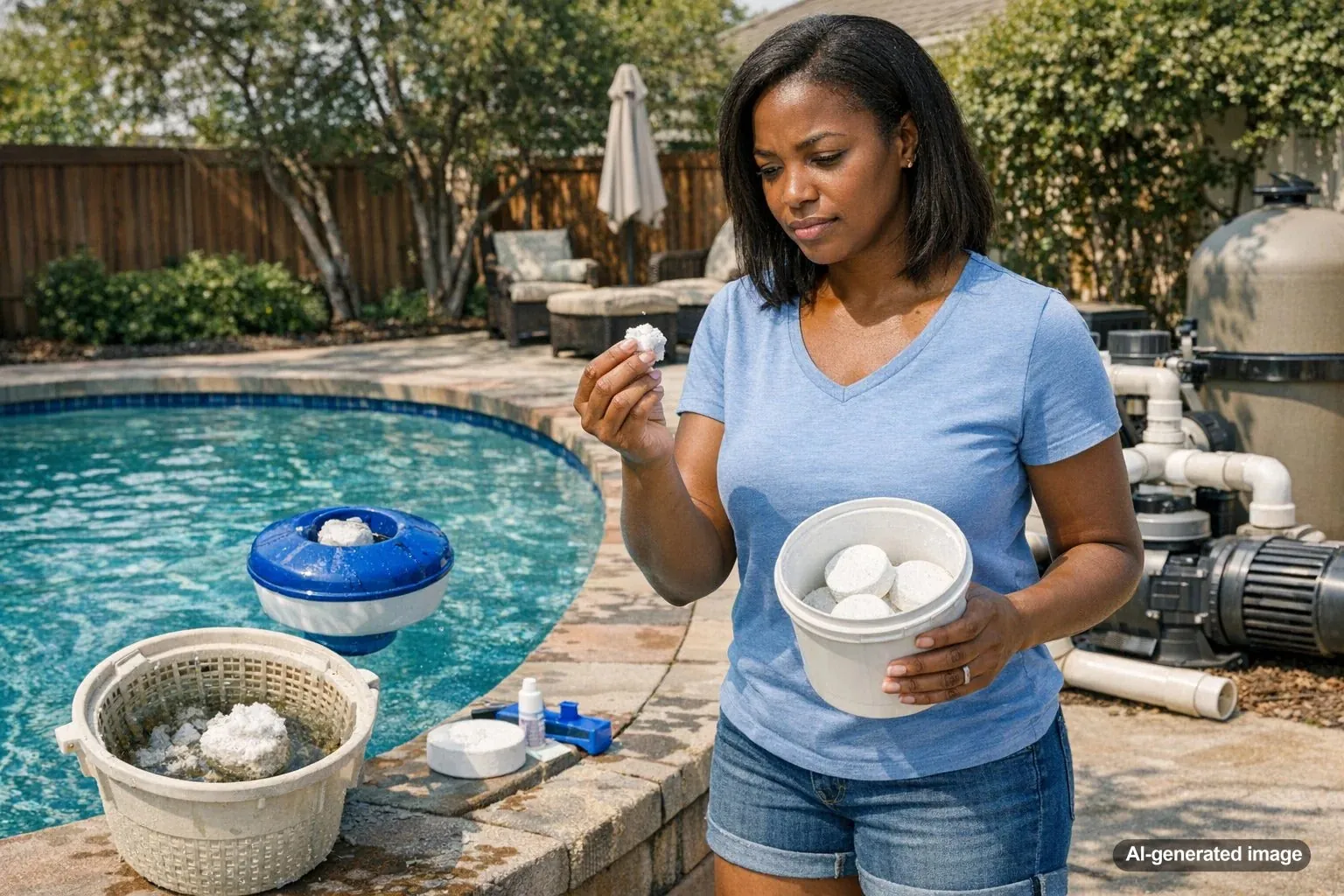
Bromine tablets are a type of chemical sanitizer used in hot tubs, spas, and some pools. They release bromine into the water to kill bacteria and algae, keeping the water safe for swimming. Unlike chlorine, bromine works better in warm water and at higher pH levels, which makes it a favorite for spa owners who run their units above 100°F.
Many people think these tablets dissolve instantly like sugar, but they’re designed to release slowly over days or weeks. If they sit hard and intact, the system isn’t getting the protection it needs. The core rule here is simple: if the water doesn’t touch all sides of the tablet, it won’t dissolve at the right speed.
The main reason tablets stay solid is usually physical blockage or wrong water conditions. In a hot tub, the jet flow might be hitting the same spot, leaving the other side dry. In a pool, the skimmer basket could be clogged with leaves, stopping water from reaching the feeder. Some users also buy the wrong size for their tank, leading to a pile-up where only the outside layer gets wet.
Temperature plays a huge role too; bromine dissolves much slower in water below 80°F than in water above 95°F. You don’t need special equipment to see this, just a visual check of your feeder and a thermometer reading. If you’re unsure about your specific brand’s specs, check the manufacturer’s label for the recommended water range.
Steps to fix slow dissolving tablets
Follow these steps to get your sanitizer working again. Start by checking the simplest causes before moving to equipment changes.
- Check the water temperature. Measure the water with a reliable thermometer. If it’s below 80°F (27°C), the tablets will naturally dissolve very slowly. For every 10 degrees below 90°F, expect the process to take roughly twice as long.
- Inspect the tablet holder. Remove the floater or feeder from the water. Look for cracks, broken hinges, or mineral buildup inside the chamber. Clean out any white crust or debris that blocks water from entering the slots.
- Verify water flow. Turn on your pump and watch the water movement near the feeder. If the jets aren’t pushing water through the device, adjust the return jets so they point directly at the feeder intake.
- Break up large tablets. If you have a stack of tablets fused together, carefully break them apart with gloved hands. Don’t crush them into powder, as this releases too much chemical at once. Place only one or two loose tablets in the feeder at a time.
- Adjust the feeder dial. If your float has a dial to control the opening size, turn it to the widest setting. This allows maximum water contact. Monitor the water level daily to ensure the float stays upright.
- Switch to a different form. If the tablets still refuse to dissolve after 48 hours, stop using them. Switch to liquid bromine or shock treatment until the issue is resolved.
- Consult a pro for plumbing issues. If your pump runs but no water moves through the feeder, you may have a clog in the plumbing lines. Call a licensed pool technician to inspect the pipes.
The single most important judgment call here is deciding between cleaning the feeder and replacing the product entirely. If the tablets are old and stored in a damp garage, they may have hardened beyond repair. In that case, throwing them away and buying fresh ones saves time and prevents under-dosing.
However, if the tablets are new and the water is cold, allow extra time for natural dissolution. Never force a tablet to dissolve by grinding it down, as this can spike your bromine levels dangerously high. If you’re unsure about safe handling, always wear gloves and eye protection when touching chemicals.
Key numbers and settings at a glance
Use this table to quickly match your situation to the right action. These figures assume standard residential hot tubs and pools with normal circulation.
| Situation | What to use | How long | What to watch for |
|---|---|---|---|
| Water below 80°F | Wait or add heat | 2-3 days per tablet | Tablets staying solid |
| Clogged feeder | Clean with vinegar | 15 minutes | White scale buildup |
| Low water flow | Adjust return jets | Immediate check | Weak spray from jets |
| Old/hardened tablets | Replace with new ones | N/A | Crumbling or dust |
| High pH (>7.8) | Lower pH first | 24 hours | Cloudy water |
| Wrong tablet size | Use smaller tabs | 1-2 days | Pile-up in feeder |
| No circulation | Fix pump or valve | Until flow returns | Air bubbles in lines |
Don’t force a tablet into a cold pool just to meet a schedule. If the water is under 80°F, the chemical reaction slows to a crawl, leaving you with a rock-hard pill that wastes money and fails to sanitize.
Wait until the heater brings the temperature up, or skip the tablet entirely for two days while you run the heater on high. Pushing it now creates a false sense of security; the bromine sits there doing nothing while bacteria multiply in the warm spots near the jets.
A clogged feeder often hides white scale that looks like harmless frost but actually blocks the entire feed path. Vinegar dissolves this in fifteen minutes, but only if you soak the part completely. Many owners wipe the outside and miss the internal channel where the blockage lives.
If you see white powder inside the tube after cleaning, run another cycle; one pass rarely removes years of mineral buildup. Skipping this step means your next tablet will sit dry and useless, wasting the product before it even touches the water.
When flow is weak, adjusting the return jets helps, but only if the pump is running at full speed. Check the pressure gauge immediately; if it reads above 25 PSI, the filter is dirty, not the jets.
Cleaning the jets without addressing a clogged filter is like widening a highway exit while the main road remains blocked. You’ll see air bubbles in the lines if the pump is pulling air instead of water, which stops all chemical distribution instantly. Fix the suction side first, then adjust the output.
Details that separate good results from bad
Experienced pool owners know that preparation matters more than the chemical itself. Before dropping a tablet in, they always rinse the feeder with fresh water to remove old residue. This ensures the new tablet sits in a clean space where water can circulate freely.
Beginners often skip this step, leading to a gummy buildup that seals the tablet inside the plastic housing. Another critical detail is the order of operations: always adjust your pH before adding bromine. If the pH is too high, the bromine becomes less active and dissolves unevenly. A balanced pH between 7.2 and 7.6 helps the tablet break down smoothly.
They also check the water level regularly. If the water drops too low, the float sits partially out of the water, exposing the top of the tablet to air. This causes the exposed part to dry out and harden while the bottom remains wet. A quick visual check every few days prevents this split.
Finally, they never mix different brands of tablets in the same feeder. Different manufacturers use different binders and release rates, which can cause one brand to clump and stop the other from working. Stick to one type per season to avoid confusion and inconsistent results.
Common problems and quick fixes
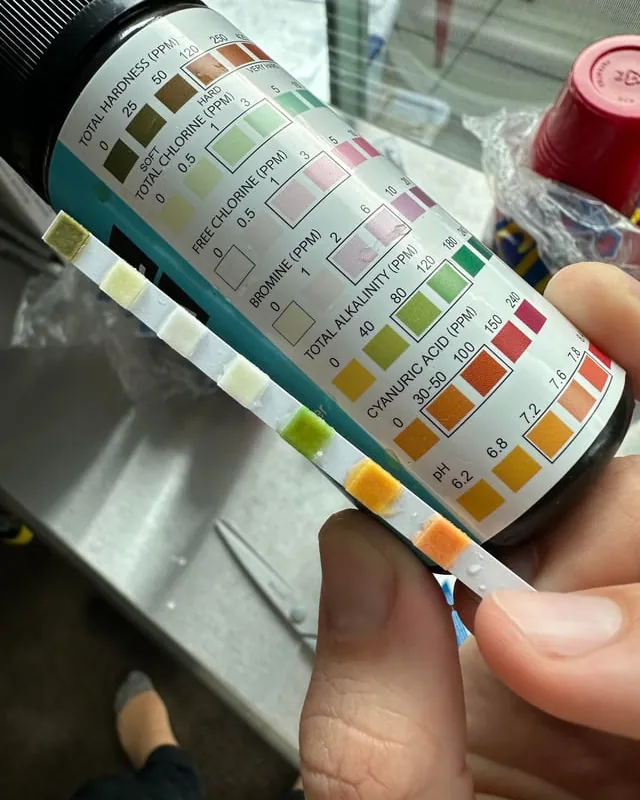
When things go wrong, match what you see to the likely cause and act fast. Don’t guess at the solution, because treating a cold-water issue as a pump failure wastes hours of labor and leaves your water unbalanced.
| What you notice | What it usually means | What to do first |
|---|---|---|
| Tablet looks unchanged | Water is too cold | Add heat or wait longer |
| White crust on feeder | Mineral buildup | Soak in vinegar solution |
| Only top layer dissolves | Water level is too low | Fill the tub to proper line |
| Tablets stuck together | Humidity damaged them | Break apart gently |
| No water movement | Pump or jet issue | Check pump power and valves |
| Smell of strong chemical | Overdose or blockage | Test water and flush system |
If the tablet remains solid after four hours, the water temperature is almost certainly below 75 degrees Fahrenheit. Heating the water alone won’t work if the flow is stagnant; you must circulate the heated water to reach the tablet’s core. Conversely, if you see white crust but the water is warm, don’t add more chemicals. That crust is calcium carbonate blocking the intake, and adding acid without soaking the part first can corrode the metal housing permanently.
When only the top layer dissolves, check the water line immediately. If the surface sits two inches below the skimmer, the tablet floats above the active zone. Raising the water level solves this instantly, but filling it too high causes overflow during heavy rain. For tablets stuck together from humidity, never force them with a hammer. The internal structure shatters into dust that clogs filters. Instead, separate them by hand over a trash bin, discarding any pieces that crumble completely.
A lack of water movement often points to a tripped breaker rather than a broken pump. Reset the switch before calling a technician. If a strong chemical smell persists after flushing, test the pH levels. A reading below 6.8 indicates an overdose that requires dilution, while a neutral pH suggests a physical blockage in the return line that needs manual clearing.
Rules that apply to bromine use
Safety rules exist to protect you and your family. The U.S. Consumer Product Safety Commission (CPSC) states that you must never mix bromine with other chemicals unless the label explicitly says it’s safe. Mixing incompatible substances can create toxic gases.
Chlorine shock is the most common mistake here. Adding chlorine granules directly into a bromine feeder is dangerous and can cause a severe chemical reaction that releases toxic gas.
Always store tablets in their original container, tightly sealed, and kept in a cool, dry place away from children and pets. If you’re unsure about storage limits, check the manufacturer’s website for specific shelf-life data.
Moisture is the hidden enemy of stored bromine. A damp scoop returned to the bucket will start breaking down the remaining tablets. That slow decomposition builds pressure inside a sealed lid until it warps or pops off.
For public pools and larger commercial spas, local health departments often set stricter rules. They may require daily testing logs and specific dosage records.
Residential spas usually only need testing two or three times a week.
If you’re managing a facility open to the public, contact your local health department for the exact regulations in your area. Never attempt to bypass safety locks on feeders or modify the equipment yourself, as this can void warranties and create legal liability.
If a step requires specialized tools or knowledge, hire a certified professional to handle it.
Keeping your system running well
Once your tablets start dissolving correctly, maintenance keeps them working. Clean the feeder every two weeks to prevent scale buildup. Use a mild acid solution like diluted vinegar to soak the parts, then rinse thoroughly before refilling.
A common mistake is scrubbing the feeder basket with a stiff brush. That scratches the plastic and gives calcium new places to grip. Rinse it gently instead.
Check the water chemistry at least twice a week. If the bromine level drops below 3 ppm, add more tablets immediately. If it goes above 5 ppm, dilute the water by partially draining and refilling the tub before using it.
Pay attention to pH when you test. Bromine works best between 7.2 and 7.8. Above that range, even a full feeder struggles to sanitize the water.
Store any leftover tablets in a sealed bucket with a tight lid. Keep them in a shaded area where temperatures stay stable. Don’t leave them in direct sunlight or in a hot car, as heat can degrade the chemicals.
Never store this bucket near chlorine products or muriatic acid. A single spilled drop can trigger a toxic gas reaction inside a closed container.
If you plan to close your pool or spa for winter, remove all tablets and clean the feeder completely. Leaving them in during off-seasons can cause corrosion and damage the plastic components.
For year-round spas, winter means checking the feeder more often. Cold air cools the plumbing lines and slows down the dissolution rate significantly.
Regular checks mean fewer emergencies later.
When to try a different approach
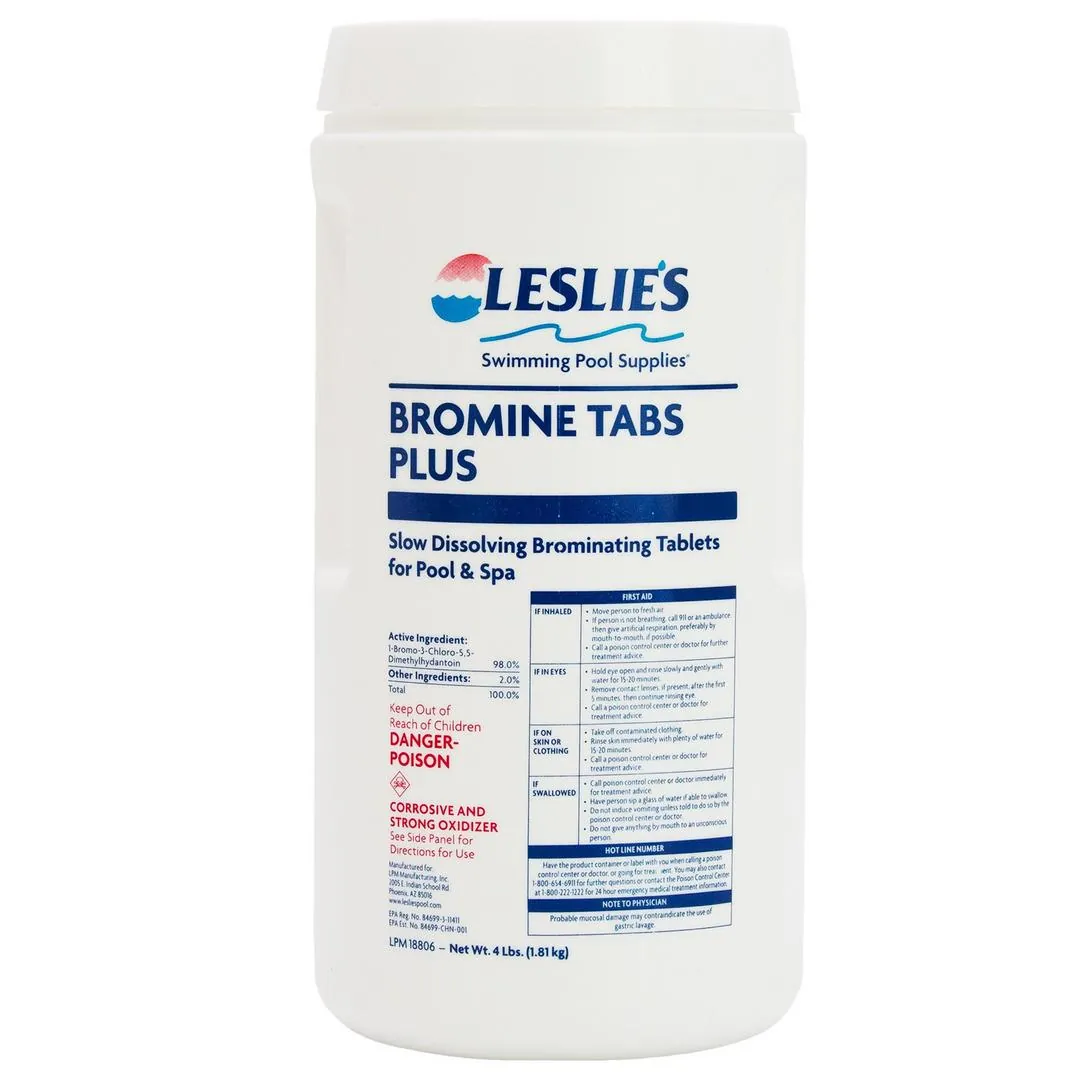
Sometimes tablets simply won’t work for your setup. If your hot tub runs at a constant low temperature year-round, bromine tablets may dissolve too slowly to be effective. In this case, switch to liquid bromine or a bromine generator that produces sanitizer continuously.
Another situation is when you have heavy bather load. If many people use the tub daily, tablets can’t release enough bromine fast enough to handle the organic waste. Here, shock treatments or automated dosing systems work better.
A common mistake is adding more tablets to the floater instead of testing first. The extra tablets sit in the dispenser and do nothing until the water warms up. Then they all dissolve at once and spike your levels. You end up draining half the tub to fix it.
If your water chemistry is constantly unstable, relying on slow-dissolving tablets makes balancing difficult. You might find it easier to use a liquid sanitizer that mixes instantly.
Liquid bromine also lets you measure exact doses with a small syringe or measuring cup. You add only what the test strip says you need right now. Tablets force you to guess how fast they will melt in your specific water conditions.
Finally, if you live in an area with very hard water, the mineral deposits can coat tablets and stop them from working. A saltwater system or a different type of oxidizer might be a better long-term choice for your specific conditions.
Check your tablets weekly by pulling one out of the floater. If it feels smooth and chalky instead of pitted, calcium is sealing the surface. That tablet is no longer sanitizing anything in your spa.
Related guides
- 10 Best Elongated Toilet Seats With Slow Close Reviewed in 2026
- 5 Best Drain Cleaner for Slow Drains Picks for Your Home in 2026
- 5 Best Dog Feeders for Fast Eaters to Slow Down Mealtime in 2026
Frequently asked questions
Can I break bromine tablets in half?
Yes, you can break them in half if they’re too large for your feeder. Just make sure to wear gloves and do it over a trash can to catch any dust. Breaking them helps water reach the center faster, especially in small floats.
Why are my bromine tablets turning black?
This usually means the tablets have been sitting in water for too long or the water quality is poor. Blackening indicates oxidation or contamination. Throw them away and start with fresh ones to avoid introducing harmful byproducts.
How long do bromine tablets last in water?
A standard 3-inch tablet typically lasts 1 to 2 weeks in a hot tub, depending on temperature and usage. In cooler water, it may last longer, while hot water speeds up the process. Check your water test strips regularly to track the rate.
Is it safe to swim if tablets aren’t dissolving?
No, it isn’t safe. If the tablets aren’t dissolving, your water lacks enough sanitizer to kill bacteria. You risk skin infections or eye irritation. Fix the dissolution issue before using the pool or tub again.
What happens if I put too many tablets in?
Too many tablets can raise bromine levels to dangerous heights, causing skin burns and respiratory issues. It can also damage your equipment and liner. Always follow the dosage instructions on the package and test your water before adding more.
Can I use chlorine tablets instead of bromine?
Generally, no. Chlorine and bromine work differently and have different optimal pH ranges. Using chlorine in a bromine system can lead to ineffective sanitation and potential equipment damage. Stick to the type recommended for your specific setup.
Conclusion
Keep an eye on your water temperature as the weather warms up, since warmer days will help those tablets dissolve faster. If they still seem stuck, try switching to a different brand or shape that fits your feeder better. You’ll soon have clear, safe water without any hassle.